2-Phosphonobutane-1,2,4-tricarboxylic acid (PBTC) is a highly effective and widely used specialty chemical known for…
2-Phosphonobutane-1,2,4-tricarboxylic Acid – PBTC Uses by Maxwell

2-Phosphonobutane-1,2,4-tricarboxylic Acid – PBTC is a highly reliable and widely used specialty chemical that plays an important role in many industrial processes. It is commonly known as PBTC chemical, and it is valued for its strong ability to control scale formation, reduce corrosion, and maintain stability even in difficult operating conditions. Because of these qualities, 2-Phosphonobutane-1,2,4-tricarboxylic acid (PBTC) has become a trusted solution for industries that depend on efficient and long-lasting system performance.
In many industrial systems, problems like mineral scaling and corrosion can reduce efficiency and increase maintenance costs. This is where PBTC – 2-Phosphonobutane-1,2,4-tricarboxylic acid becomes very useful. It works effectively in environments where high temperature, pressure, and chemical exposure are common, making it suitable for modern industrial needs. Its ability to deliver consistent results under tough conditions makes it a preferred choice for engineers and plant operators.
At Maxwell Additives, we focus on providing high-quality PBTC that meets the expectations of different industries. We understand that businesses need chemicals that are not only effective but also safe and reliable. That is why we follow strict quality standards and ensure that every batch of PBTC chemical delivers consistent performance. Our approach is simple and customer-focused—we aim to support industries with dependable solutions that improve efficiency and reduce operational challenges.
What is PBTC Chemical and Why It Matters
PBTC chemical, scientifically called 2-Phosphonobutane-1,2,4-tricarboxylic acid (PBTC), is an organic phosphonic acid that is mainly used to control scaling and corrosion in water-based systems. It is specially designed to handle industrial challenges where metal ions and mineral deposits can cause serious problems in equipment and pipelines.
One of the most important features of 2-Phosphonobutane-1,2,4-tricarboxylic Acid – PBTC is its excellent performance in extreme conditions. Unlike many traditional chemicals, PBTC remains stable even in high temperatures, alkaline environments, and systems with high metal ion concentration. This makes it a dependable option for industries that operate under demanding conditions.
Another key reason why PBTC – 2-Phosphonobutane-1,2,4-tricarboxylic acid is widely used is its strong chelating ability. It can bind with metal ions such as calcium, iron, magnesium, and copper, preventing them from forming hard deposits or scales. This helps keep systems clean and ensures smooth operation over a longer period of time.
In addition to its performance, 2-Phosphonobutane-1,2,4-tricarboxylic acid (PBTC) is also considered a more environmentally responsible choice because of its relatively low phosphorus content. This helps industries meet environmental regulations without compromising on efficiency. Overall, PBTC chemical offers a perfect balance of performance, reliability, and sustainability.
Role of PBTC in Metal Surface Treatment
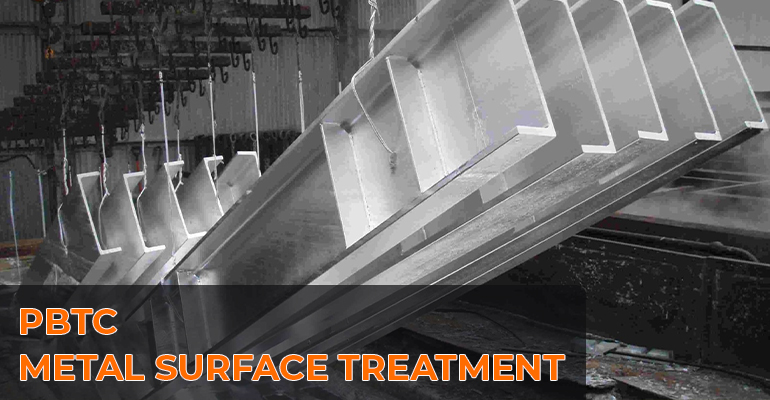
2-Phosphonobutane-1,2,4-tricarboxylic Acid – PBTC plays a very important role in metal surface treatment processes, where maintaining the quality and durability of metal surfaces is essential. In these processes, metals are often exposed to water, chemicals, and varying temperatures, which can lead to scale formation and corrosion. These issues can damage equipment and reduce its lifespan if not properly controlled.
PBTC chemical helps solve these problems by controlling the behavior of metal ions in the system. It binds with ions such as calcium and iron, preventing them from forming deposits on metal surfaces. This ensures that surfaces remain clean and smooth, which is important for maintaining efficiency and product quality.
Another major benefit of 2-Phosphonobutane-1,2,4-tricarboxylic acid (PBTC) is its ability to act as a corrosion inhibitor. It forms a thin protective layer on metal surfaces, reducing direct contact with corrosive elements. This helps protect equipment such as pipelines, heat exchangers, and processing units from damage.
In addition, PBTC – 2-Phosphonobutane-1,2,4-tricarboxylic acid is compatible with other chemicals used in metal treatment processes. It can be easily combined with polymers, zinc salts, and other additives to create effective treatment programs. Because of its stability and flexibility, PBTC is widely used in metal surface treatment to improve performance, reduce maintenance, and extend equipment life.
 Major Industrial Applications of PBTC
Industrial Water Treatment
In industrial water systems, controlling scale and corrosion is very important for maintaining efficiency. 2-Phosphonobutane-1,2,4-tricarboxylic Acid – PBTC is widely used in applications such as cooling towers, boilers, and closed-loop systems because of its strong performance.
PBTC chemical helps prevent the formation of hard scales like calcium carbonate and calcium sulfate, which can block pipes and reduce heat transfer efficiency. By controlling these deposits, 2-Phosphonobutane-1,2,4-tricarboxylic acid (PBTC) helps systems run smoothly and efficiently.
It also works effectively at low dosage levels, making it a cost-effective solution for large-scale operations. Even in high-temperature and high-pH conditions, PBTC continues to perform reliably. Its compatibility with other water treatment chemicals makes it easy to use in combination programs, ensuring balanced and effective treatment.
Use in Detergents and Cleaning Products
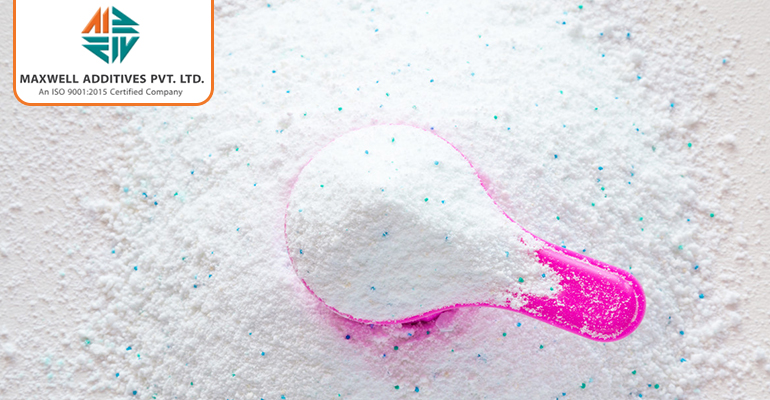
2-Phosphonobutane-1,2,4-tricarboxylic Acid – PBTC is an important ingredient in detergents and cleaning products where water quality can affect cleaning performance. Hard water minerals often reduce the effectiveness of detergents and leave unwanted residues on surfaces.
PBTC chemical helps by binding these minerals and preventing them from interfering with cleaning action. This allows detergents to work more efficiently and deliver better results. Surfaces become cleaner, and residue formation is reduced.
In addition, 2-Phosphonobutane-1,2,4-tricarboxylic acid (PBTC) helps in dispersing dirt and preventing scale buildup. This improves the overall performance of cleaning products. Because it works well in different pH conditions, PBTC is suitable for both industrial and household cleaning formulations.
Application in Concrete Admixtures
In the construction industry, 2-Phosphonobutane-1,2,4-tricarboxylic Acid – PBTC is used to improve the quality and performance of concrete. Controlling the setting time of concrete is important, especially in large projects where timing plays a critical role.
PBTC chemical works by controlling the reaction of calcium ions in cement, allowing better control over the hydration process. This helps prevent rapid setting and improves workability.
2-Phosphonobutane-1,2,4-tricarboxylic acid (PBTC) also improves the flow and consistency of concrete, making it easier to handle and apply. It works well with other additives like plasticizers, helping achieve better strength and durability in the final structure.
Textile and Paper Industry
In textile and paper industries, water quality directly affects production quality. PBTC chemical helps control metal ions that can interfere with processing chemicals.
2-Phosphonobutane-1,2,4-tricarboxylic acid (PBTC) improves dyeing results by ensuring uniform color distribution. It also prevents unwanted reactions during bleaching and finishing processes.
In paper manufacturing, PBTC helps control scale formation in machinery, ensuring smooth and continuous operation. This leads to better product quality and reduced downtime.
Oilfield Applications
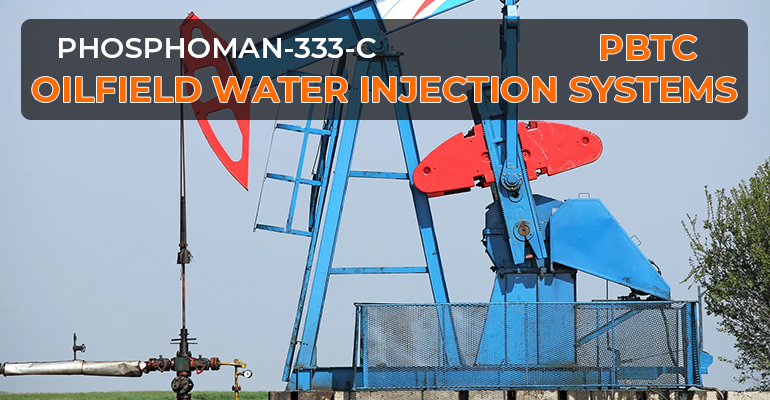
Oilfield operations involve extreme conditions where scale and corrosion can cause serious problems. 2-Phosphonobutane-1,2,4-tricarboxylic Acid – PBTC is widely used in such environments because of its stability and effectiveness.
PBTC chemical prevents scale formation in pipelines and equipment, ensuring smooth flow and efficient operation. It also protects metal surfaces from corrosion caused by harsh chemicals and high temperatures.
Because of its ability to perform under pressure and extreme conditions, 2-Phosphonobutane-1,2,4-tricarboxylic acid (PBTC) is a reliable choice for oilfield applications.
Key Properties of PBTC Chemical
Excellent Stability in Harsh Industrial Conditions
One of the most important and valuable characteristics of 2-Phosphonobutane-1,2,4-tricarboxylic Acid – PBTC is its excellent stability, which makes it highly suitable for demanding industrial environments. In many industries such as water treatment, oilfield operations, and metal processing, chemicals are often exposed to extreme conditions like high temperatures, fluctuating pH levels, and the presence of oxidizing agents. Under such conditions, many conventional chemicals tend to break down or lose their effectiveness over time. However, PBTC chemical is specifically designed to maintain its performance even in these challenging situations.
2-Phosphonobutane-1,2,4-tricarboxylic acid (PBTC) remains stable in both acidic and alkaline environments, which allows it to be used across a wide range of applications without worrying about performance loss. Its thermal stability ensures that it continues to work efficiently even in systems where temperatures are consistently high, such as boilers, heat exchangers, and industrial cooling systems. Because of this stability, industries can rely on PBTC – 2-Phosphonobutane-1,2,4-tricarboxylic acid for long-term use without frequent replacement or increased dosage.
Another advantage of this stability is cost efficiency. Since PBTC does not degrade easily, it stays active for longer periods, reducing the need for repeated chemical dosing. This not only lowers operational costs but also ensures smoother system performance with fewer interruptions. Overall, the excellent stability of PBTC chemical makes it a dependable and practical solution for industries that require consistent and long-lasting results.
Strong Chelating and Metal Ion Control Ability
Another key property that makes 2-Phosphonobutane-1,2,4-tricarboxylic Acid – PBTC highly effective is its strong chelating ability. In industrial systems, metal ions such as calcium, magnesium, iron, and copper are commonly present in water and process fluids. These ions can react with other substances and form hard deposits, commonly known as scale, which can block pipelines, reduce heat transfer efficiency, and damage equipment over time.
PBTC chemical works by binding with these metal ions and keeping them dissolved in the system. This process, known as chelation, prevents the ions from reacting and forming unwanted deposits. Because of this ability, 2-Phosphonobutane-1,2,4-tricarboxylic acid (PBTC) is widely used in applications where controlling scale formation is critical for maintaining system efficiency.
In addition to preventing scale, the strong metal ion control ability of PBTC – 2-Phosphonobutane-1,2,4-tricarboxylic acid also helps in maintaining cleaner systems. By keeping metal ions in a stable and soluble form, it reduces the chances of buildup on equipment surfaces. This results in improved performance, reduced maintenance requirements, and longer equipment life.
Another important advantage is that PBTC is effective even at low concentrations. This means industries can achieve reliable results without using large amounts of the chemical, making it both cost-effective and efficient. Overall, the strong chelating and metal ion control properties of PBTC chemical play a crucial role in improving process performance across different industries.
Excellent Scale Inhibition Performance
Scale formation is one of the most common problems faced in industrial systems, especially in water treatment and heat exchange processes. Deposits such as calcium carbonate and calcium sulfate can build up on surfaces, reducing system efficiency and increasing energy consumption. 2-Phosphonobutane-1,2,4-tricarboxylic Acid – PBTC is widely recognized for its excellent ability to prevent and control such scale formation.
PBTC chemical works by interfering with the crystal growth process of scale-forming salts. Instead of allowing these crystals to grow and attach to surfaces, 2-Phosphonobutane-1,2,4-tricarboxylic acid (PBTC) keeps them dispersed in the water, preventing them from settling and forming hard deposits. This ensures that systems remain clean and operate efficiently.
One of the reasons why PBTC – 2-Phosphonobutane-1,2,4-tricarboxylic acid is preferred over other scale inhibitors is its effectiveness under a wide range of conditions. It performs well in high temperatures, varying pH levels, and in the presence of multiple ions, making it suitable for complex industrial environments.
By reducing scale formation, PBTC helps improve heat transfer efficiency, lower energy consumption, and minimize equipment downtime. This makes it a valuable solution for industries that rely on efficient thermal systems and continuous operations.
Effective Corrosion Control Properties
In addition to scale inhibition, 2-Phosphonobutane-1,2,4-tricarboxylic Acid – PBTC also offers reliable corrosion control properties. Corrosion is a major issue in industrial systems as it can weaken metal structures, cause leaks, and lead to costly repairs or replacements.
PBTC chemical helps reduce corrosion by forming a protective layer on metal surfaces. This layer acts as a barrier between the metal and corrosive elements present in water or process fluids. As a result, the direct interaction between metal surfaces and harmful substances is minimized, reducing the risk of corrosion.
2-Phosphonobutane-1,2,4-tricarboxylic acid (PBTC) is particularly effective when used in combination with other corrosion inhibitors. Its compatibility allows it to enhance the overall protection system, making it more efficient and reliable.
By controlling corrosion, PBTC – 2-Phosphonobutane-1,2,4-tricarboxylic acid helps extend the life of equipment, reduce maintenance costs, and improve operational safety. This makes it an important component in many industrial treatment programs.
The Reason Leading Industries Trust Us
Our Commitment to Quality and Consistency
At Maxwell Additives, we understand that industries rely heavily on the quality and consistency of chemicals like 2-Phosphonobutane-1,2,4-tricarboxylic Acid – PBTC for their daily operations. Even a small variation in chemical performance can affect the efficiency of an entire system, which is why we place strong emphasis on maintaining strict quality standards at every stage of production. From the careful selection of raw materials to the final packaging process, every step is monitored to ensure that our PBTC chemical meets both national and international quality expectations.
Our manufacturing facilities are equipped with modern technology and follow well-defined processes to produce high-purity 2-Phosphonobutane-1,2,4-tricarboxylic acid (PBTC). Each batch undergoes detailed testing to ensure stability, performance, and consistency before it reaches our customers. This attention to detail helps us deliver a product that performs reliably in different industrial environments. Because of this consistent quality, many industries trust us as their long-term supplier of PBTC – 2-Phosphonobutane-1,2,4-tricarboxylic acid.
Advanced Manufacturing and Technical Expertise
Our strength lies not only in delivering high-quality products but also in our strong technical expertise. At Maxwell Additives, we continuously improve our manufacturing processes to match the growing demands of modern industries. The production of PBTC chemical is carried out under controlled conditions to maintain accurate composition and ensure excellent performance across applications.
We have a skilled team of professionals who understand the chemistry and applications of 2-Phosphonobutane-1,2,4-tricarboxylic acid (PBTC) in detail. This allows us to provide not just a product, but also technical guidance to our customers. Whether it is water treatment, metal surface treatment, or oilfield use, we help industries choose the right approach for using PBTC effectively.
By combining advanced manufacturing techniques with practical industry knowledge, we ensure that our PBTC – 2-Phosphonobutane-1,2,4-tricarboxylic acid solutions deliver consistent and efficient results. This technical strength is one of the key reasons why industries continue to trust us.
Reliable Supply and Customer-Centric Approach
In addition to quality and technical expertise, we also focus on building strong relationships with our customers. We understand that industries need a reliable supply of PBTC chemical to maintain smooth operations, and any delay can lead to production issues. That is why we prioritize timely delivery and maintain a stable supply chain to ensure that our customers always have access to 2-Phosphonobutane-1,2,4-tricarboxylic acid (PBTC) when they need it.
Our approach is simple and customer-focused. We believe in clear communication, transparency, and long-term partnerships. We take the time to understand the specific needs of our clients and provide solutions that match their requirements. Whether it is bulk supply, customized support, or technical assistance, we are always ready to help.
Because of this commitment, Maxwell Additives has built a strong reputation as a trusted supplier of PBTC – 2-Phosphonobutane-1,2,4-tricarboxylic acid. Industries choose us not just for our products, but for the reliability and support we provide.
Last Words
2-Phosphonobutane-1,2,4-tricarboxylic Acid – PBTC has become an essential chemical for modern industries due to its strong performance, stability, and versatility. From water treatment and metal surface protection to detergents, construction, and oilfield applications, PBTC chemical continues to deliver reliable results in a wide range of environments. Its ability to control scale formation, manage metal ions, and reduce corrosion makes it a highly valuable solution for industries looking to improve efficiency and reduce maintenance challenges.
One of the key reasons behind the growing demand for 2-Phosphonobutane-1,2,4-tricarboxylic acid (PBTC) is its ability to perform under tough conditions without losing effectiveness. It works efficiently in high temperatures, varying pH levels, and complex chemical environments, making it suitable for both simple and advanced industrial systems. At the same time, its relatively low phosphorus content makes PBTC a more environmentally responsible option compared to traditional chemicals, helping industries meet regulatory requirements.
At Maxwell Additives, we are committed to delivering high-quality PBTC – 2-Phosphonobutane-1,2,4-tricarboxylic acid that meets the evolving needs of different industries. Our focus on quality, consistency, and customer satisfaction allows us to build strong and long-lasting relationships with our clients. When you choose our PBTC chemical, you are not just selecting a product, but a dependable solution that supports smooth operations, improved efficiency, and long-term growth.
FAQs
1. What is 2-Phosphonobutane-1,2,4-tricarboxylic Acid – PBTC mainly used for?
2-Phosphonobutane-1,2,4-tricarboxylic Acid – PBTC is mainly used for controlling scale formation, preventing corrosion, and managing metal ions in industrial systems. It is widely used in water treatment, metal processing, oilfield operations, detergents, and construction applications where maintaining system efficiency is important.
2. Why is PBTC chemical preferred in industrial applications?
PBTC chemical is preferred because of its high stability, strong performance at low dosages, and ability to work effectively under harsh conditions such as high temperature and varying pH levels. These qualities make 2-Phosphonobutane-1,2,4-tricarboxylic acid (PBTC) a reliable and cost-effective solution for industries.
3. How does PBTC help in preventing scale formation?
2-Phosphonobutane-1,2,4-tricarboxylic acid (PBTC) prevents scale by binding with metal ions like calcium and magnesium. This stops them from forming hard deposits on surfaces, keeping systems clean and improving overall efficiency.
4. Is PBTC suitable for high-temperature systems?
Yes, PBTC – 2-Phosphonobutane-1,2,4-tricarboxylic acid is highly stable even at high temperatures. This makes it suitable for applications such as boilers, cooling systems, and oilfield operations where heat resistance is required.
5. Can PBTC chemical be used with other treatment chemicals?
PBTC chemical is highly compatible with other chemicals such as polymers, corrosion inhibitors, zinc salts, and biocides. This allows industries to create effective and balanced treatment programs for better results.
6. Is PBTC environmentally safe?
2-Phosphonobutane-1,2,4-tricarboxylic acid (PBTC) has a relatively low phosphorus content compared to many traditional chemicals, making it a more environmentally friendly option. It helps industries meet environmental regulations while maintaining strong performance.
7. How does PBTC improve metal surface treatment?
In metal surface treatment, PBTC helps by controlling metal ions and preventing scale and corrosion. It forms a protective layer on metal surfaces, which increases durability and extends equipment life.
8. What role does PBTC play in detergents and cleaners?
PBTC chemical improves cleaning performance by binding hard water minerals, preventing residue formation, and enhancing the efficiency of detergents. This results in better cleaning and smoother surfaces.
9. Why is Maxwell Additives considered a trusted PBTC supplier?
Maxwell Additives is trusted because of its consistent product quality, reliable supply, and strong technical support. We provide high-performance PBTC – 2-Phosphonobutane-1,2,4-tricarboxylic acid that meets industry standards and customer expectations.
10. Which industries commonly use PBTC chemical?
Industries such as water treatment, oil and gas, metal processing, construction, textiles, paper manufacturing, and cleaning product manufacturing widely use PBTC chemical due to its versatility and effectiveness.
Related Posts