Morpholino Methylene Bis Phosphonic Acid, usually known as MMBPA . It is a specialized phosphonate compound commonly used in industrial water treatment and process management applications. It is known for its ability to control the scale formation, increase performance of the system, and support efficient operation of industrial equipment. Due to its chemical stability, MMBPA chemical is increasingly being adopted in industries that rely on continuous water circulation and heat transfer systems...
Acrylic polymers in Industrial Water Treatment: Uses and Benefits
Acrylic polymers are utilised in industrial water treatment. Water may be used for cooling, heating, in equipment, to produce products and more. During this, dissolved minerals, and suspended matter may be introduced into the water.
Scale, deposition and fouling can occur as a result.
Where deposition occurs on equipment, reduced heat transfer, restricted water flow and frequent maintenance may occur.
Chemical treatment can be used to combat this.
In industrial applications, acrylic polymers are commonly used. In water treatment applications, soluble acrylic polymers can be used to control scale formation, disperse suspended particles and control deposition.
Acrylic polymers are also used in coatings, adhesives, textiles, construction materials and specialty chemical manufacture.
Depending on the composition, molecular weight and functional groups in the polymer, different properties will be present.
Understanding the types of acrylic polymers available and their properties can allow the correct product to be selected for industrial applications.
What are Acrylic Polymers?
Acrylic polymers are synthetically derived polymers. They can be derived from acids, methacrylic acids or similar compounds.
These polymers are formed via polymerisation.
Monomers combine to form chains of molecules.
Depending on the monomer in the polymerisation, different chemical structures and properties can be formed.
Some acrylic polymers are water soluble. Others may be in the form of emulsions, dispersions or solid materials.
Some acrylic polymers are used in water treatment applications as dispersants and to control scale.
Other acrylic polymers are used in coatings, paints, adhesives and specialty formulations.
Properties of acrylic polymers will vary depending on the polymer weight, composition, functional groups and conditions.
If a low molecular weight polyacrylate is required for water treatment applications, whereas a high molecular weight acrylic polymer may be suitable for a different industrial application. Therefore, the correct acrylic polymer should be selected.
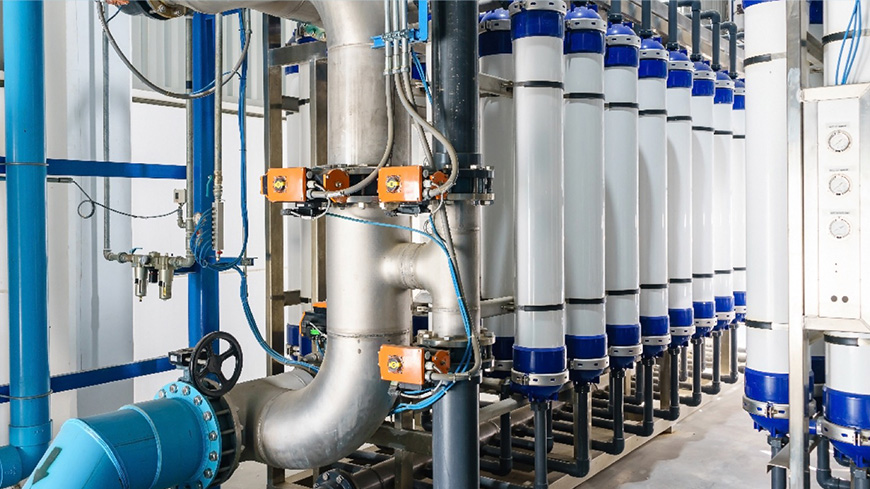
Chemistry of Acrylic Polymers
The chemical structure of acrylic polymers means that they have different properties and applications.
Acrylic polymers are typically formed from the polymerisation of acrylic or methacrylic monomers.
By using different combinations of monomers, polymers with different properties can be formed.
Acrylic Acid
Acrylic acid is a monomer which can be polymerised to form some acrylic polymers.
Acrylic acid contains an acidic functional group.
Polyacrylic acid (and salts) are used in some industrial water treatment applications.
The effectiveness of these polymers will depend on the polymer weight, concentration and water composition.
Methacrylic Acid
Methacrylic acid is another monomer used in polymer chemistry.
It has a similar chemical structure to acrylic acid, however has an extra methyl group.
Polymers can be formed from methacrylic acid and similar acids.
Depending on the composition, polymers may have different properties.
Polymerisation
Polymerisation of monomers to form chains of polymers can be carried out in different ways. This can affect the weight, molecular weight distribution and other characteristics of the polymer.
Therefore, the properties of the final product may be altered.
Functional Groups
Acrylic polymers can contain acidic functional groups, ester functional groups or other functional groups.
Depending on the functional groups in the polymer, interactions with water, dissolved ions and other compounds may occur.
Polymers containing carboxylate functional groups may interact with crystal surfaces of minerals and suspended particles.
This can be beneficial to scale control and dispersion.
Molecular Weight
Acrylic polymers can have varying weights.
Depending on molecular weight, different physical and chemical properties may be observed.
Some low molecular weight acrylic polymers are used in dispersant and scale control formulations.
Other acrylic polymers may have different molecular weights and be suitable for other applications.
The correct molecular weight should be selected depending on the desired application.
Types of Acrylic Polymers
Polymers can be classified based on their chemical composition, structure and application.
Polyacrylic Acid
Polyacrylic acid is formed by polymerisation of acrylic acid. It contains acidic functional groups in the polymer chain.
Some polyacrylic acid products can be used in water treatment applications to control scale and disperse particles. The effectiveness of these polymers will depend on polymer weight, concentration and water composition.
Sodium Polyacrylate
Sodium Polyacrylate is the sodium salt of acid.
Depending on the grade, they can be used in various industrial applications.
Low molecular weight sodium polyacrylates may be used as dispersants and scale control agents. High molecular weight or cross-linked sodium polyacrylates may be used in material products and other products.
Products cannot be interchangeable with each other as they can have very different properties.
Acrylic Copolymers
Acrylic copolymers can be formed from two or more monomers, with at least one being acrylic based. Depending on the combination of monomers used, different properties may be achieved.
Some acrylic copolymers are suitable for use in water treatment applications. These polymers may be used to control deposition of minerals or disperse suspended particles.
Acrylic-Maleic Copolymers
Acrylic-maleic copolymers can be formed from acrylic acid and maleic acid or similar monomers. Some grades of acrylic-maleic copolymers can be used in industrial water treatment applications.
These polymers may help prevent scale formation and ensure deposition is dispersed. Effectiveness will depend on composition, molecular weight and conditions.
Sulfonated Acrylic Copolymers
Some acrylic copolymers contain sulfonated functional groups.
Depending on water conditions, the behaviour of the polymer may be altered. Some sulfonated acrylic copolymers can be used in water treatment applications, to control mineral scale and particle deposition.
Whether this polymer is suitable will depend on what is required in the system.
Acrylic Emulsion Polymers
Acrylic emulsion polymers are commonly used in coatings, paints, adhesives and building related applications. These polymers are commonly in the form of dispersed polymer particles in a water medium.
These polymers have different applications to soluble acrylic polymers used in industrial water treatment.
Methacrylate Based Polymers
Methacrylate based polymers are formed from monomers. These polymers can be used in coatings, plastics, adhesives and specialty materials. Depending on the monomers and method of production, polymers will have different properties. Not all methacrylate based polymers will be suitable in water treatment applications.
Why Acrylic Polymers are Used in Industrial Water Treatment
Dissolved minerals and suspended particles can cause issues in industrial water systems.
Scaling of minerals can occur. Suspended particles can accumulate on equipment surfaces, leading to fouling.
Some acrylic polymers can be used in industrial water treatment to overcome these issues. Acrylic polymers can interfere with crystal growth of minerals, alter crystal properties or disperse suspended particles. This can reduce the likelihood of deposition in certain materials.
The effectiveness of acrylic polymers will depend on polymer composition, molecular weight, concentration and water conditions.
Some acrylic polymers have been specifically designed to be dispersants. Other polymers may provide scale control under certain conditions. The correct formulation should be chosen for the desired application.
Key Industrial Applications
Acrylic polymers can be used in various industries due to varied chemical and physical properties.
Cooling Water Treatment
Cooling water systems are commonly used in industrial environments including factories, power stations and processing. These systems allow heat to be removed from equipment or processing.
However, dissolved minerals may accumulate in the water. This increases the likelihood of scaling.
Some acrylic polymers may be included in cooling water treatment formulations to control mineral deposition and disperse suspended particles. These may be used in combination with phosphonates, corrosion inhibitors and other chemical treatments. Effectiveness will depend on water composition, conditions and chemical concentration.
Boiler Water Treatment
Water in boiler systems must be of good quality to allow efficient and reliable operation. Dissolved minerals and suspended impurities may cause deposition. Some soluble acrylic polymers may be included in boiler water treatment formulations. These may help control deposition and disperse impurities. When selecting products, factors such as pressure, temperature, water composition and required treatment must be considered. Not all polymers will be suitable for boiler applications.
Reverse Osmosis Water Treatment
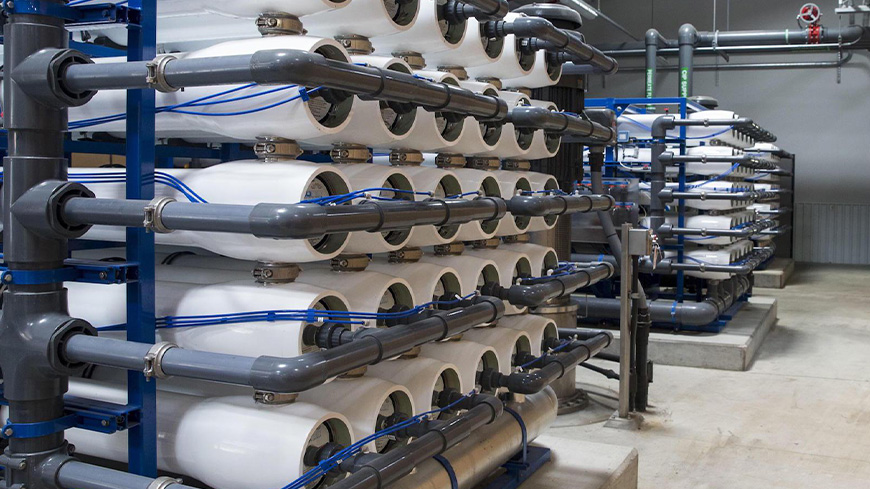
In reverse osmosis water treatment, membranes are used to separate dissolved species. However, mineral scaling can occur in these systems, increasing pressure during operation. Some anti-scaling formulations containing polymers may be used in these systems to control scale formation. Whether or not an acrylic polymer is suitable will depend on the membrane system being used, the composition of feed water and the formulation. Ensure this polymer is suitable with requirements from the membrane manufacturer.
Industrial Wastewater Treatment
Industrial wastewaters may contain suspended solids, dissolved minerals and other contaminants. Some acrylic polymers may be used in these applications. Some formulations may be used to disperse or control deposition. Other acrylic based products may be designed for these applications. The correct product will depend on the composition of wastewater and desired result.
Pulp and Paper Industry
Water is used in pulp and paper manufacturing. It is expected that some acrylic polymers would be used in specialist chemical formulations as well as in water
treatment. They could be used to control deposition or dispersion; effectiveness would vary by production process and water characteristics.
Textile Industry
Washing, dyeing and finishing processes are carried out on textiles. An acrylic polymer can be added to formulations that are designed to be used in textiles. Some acrylic polymers can be used as dispersants, adhesives or as part of formulations of specialty chemicals, whether they will be appropriate or not will depend on the process and the type of chemical needed.
Detergent/Cleaner Formulations
The following acrylic polymers may be suitable for use in detergent/cleaner formulations: They may be suitable for use in products that disperse mineral substances. Effective use will depend upon formulation and cleaning process.
Coatings
Acrylic polymers are a common component of coating formulations. These polymers affect properties such as film formation, adhesion, flexibility and durability. Various formulations can be prepared to meet coating specifications and, unlike low molecular weight water soluble acrylic polymers for scale control, the coating polymers are not a product of this type.
Adhesives/Sealants
Acrylic polymers can be used for adhesives/sealants/adhesives/sealing polymer. Adhesion, flexibility etc. will determine which polymer, will depend on surface and function required.
Construction Chemicals
Some. An example of some acrylic polymers which can be used in this area might be in coatings, sealants, adhesives and other speciality materials. Properties can be customised to suit the application.
Functionality of Acrylic Polymers in Water Treatment
The functionality of acrylic polymers depends on polymer composition and treatment requirements. Some water soluble acrylic polymers can be used to control mineral scaling and prevent settling of suspended particles.
Crystal Growth Inhibition
Mineral scaling can result from the crystallisation of dissolved species. Some acrylic polymers may adsorb onto the surface of the crystals. Under the right conditions this can inhibit the growth of the mineral. This will depend on the mineral and type of polymer used.
Crystal Modification
Certain acrylic polymers may influence the shape/structure of mineral crystals. This could influence the shape and size of crystal formation as it deposits onto equipment surfaces. Performance will be a function of polymer chemistry and water composition.
Particle Dispersal
Acrylic polymer can be used to disperse particles. This tends to minimise particle depositing or settling. This is of significance in cooling water and other industrial applications where the minimisation of particle deposition is desirable.
Interaction with Mineral Ions
More likely is the interaction of acrylic polymer containing carboxylate with dissolved metal ions. This interaction can affect mineral precipitation and crystal growth. As with the hydrophobic interaction, the nature and significance of such effects will be a function of polymer type and water characteristics.
Deposition Control
Other acrylic polymers can be used in treatment processes to remove depositing. This effectiveness can be a combined effect of crystal modification and particle dispersants. The function of the polymers will be dependent on the water treatment process.
Key Properties of Acrylic Polymers
Acrylic polymers have varying properties. The following properties may be important in determining suitable products.
Molecular Weight
Molecular weight can affect viscosity, solubility and effectiveness. Depending on the application, a specific range of molecular weights may be required.
Chemical Composition
Depending on the monomers used to synthesise the acrylic polymer, different properties may be observed. Homopolymer and copolymer acrylic polymers may behave differently.
Charge Properties
Under suitable pH conditions, water soluble acrylic polymers may possess charged carboxylate groups. This may affect interaction with mineral ions and suspended particles.
Solubility
Some acrylic polymers are water soluble, whereas others may be in emulsion or dispersion form. Solubility should be considered when selecting products.
Viscosity
Viscosity can effect ease of pumping, mixing and dosing. Viscosity may be dependant on polymer concentration, molecular weight and temperature.
Chemical Stability
Chemical stability can depend on polymer composition and conditions. If exposed to unsuitable temperatures or chemicals, performance may be affected.
pH
Ionisation of functional groups in acrylic polymers may be influenced by pH. This may affect solubility and interaction with minerals.
Thermal Stability
Some industrial applications may require high temperatures. The correct operating temperature will depend on polymer formulation.
Chemical Compatibility
Acrylic polymers may be used alongside other industrial chemicals.
Compatibility should be evaluated before combining products.
Physical Form
Commercial acrylic polymers may be available as liquids, powders, emulsions or other formulations.
The physical form influences storage, preparation and handling requirements.
Conclusion
Acrylic polymers are an important group of synthetic polymers used in industrial water treatment and specialty chemical manufacturing.
Their chemical structures allow them to perform different functions depending on the monomers, molecular weight and functional groups present.
Certain acrylic polymers are used to help manage mineral scale, disperse suspended particles and control deposits in industrial water systems.
They are particularly relevant to selected cooling water, boiler water and other water treatment applications.
However, not every acrylic polymer is suitable for every application.
The correct product depends on the intended function, chemical composition, water characteristics and operating conditions.
Industrial buyers should review product specifications, evaluate chemical compatibility and conduct appropriate testing before selecting an acrylic polymer.
Looking for Acrylic polymers or specialty chemicals for industrial water treatment?Explore our chemical product range or contact our team to discuss your application and product requirements.
Frequently Asked Questions About Acrylic Polymers
1. What are Acrylic Polymers?
Acrylic polymers are synthetic polymers made from acrylic acid, methacrylic acid or their derivatives. They are used in water treatment, coatings, adhesives and other industrial applications.
2. What are Acrylic Polymers used for in water treatment?
Certain acrylic polymers are used for mineral scale control, particle dispersion and deposit management in industrial water systems.
3. Are Acrylic Polymers used in cooling water treatment?
Yes. Certain water-soluble acrylic polymers are used in cooling water treatment formulations to help control mineral deposits and disperse suspended particles.
4. What is the difference between Acrylic Polymers and dispersant polymers?
Acrylic polymers are a chemical family, while dispersant polymers are defined by their function. Some dispersant polymers are acrylic-based, but not all dispersants are acrylic polymers.
5. What is Sodium Polyacrylate?
Sodium polyacrylate is a sodium salt form of polyacrylic acid. Different grades are used in water treatment, absorbent materials and other applications.
6. Can Acrylic Polymers prevent mineral scaling?
Certain acrylic polymers can help inhibit or manage mineral scale formation under suitable conditions. Their effectiveness depends on the polymer and water chemistry.
7. Are Acrylic Polymers used in boiler water treatment?
Certain water-soluble acrylic polymers are used in selected boiler water treatment formulations. Product suitability depends on the boiler system and operating conditions.
8. What factors affect Acrylic Polymer performance?
Important factors include molecular weight, chemical composition, water pH, hardness, temperature, dosage and chemical compatibility.
Related Posts