Benzalkonium Chloride Solution (BKC 80%) is a concentrated cationic surfactant and antimicrobial compound widely used across industrial and commercial sectors. It belongs to the Quat family, commonly known as quaternary ammonium compounds, which are known for their cleaning, disinfecting, and preservation properties. Due to its higher active concentration, BKC 80 is preferred by manufacturers that need a stronger and more economical formulation base...
ATMP Liquid Chemical Everything You Need to Know in Simple Terms
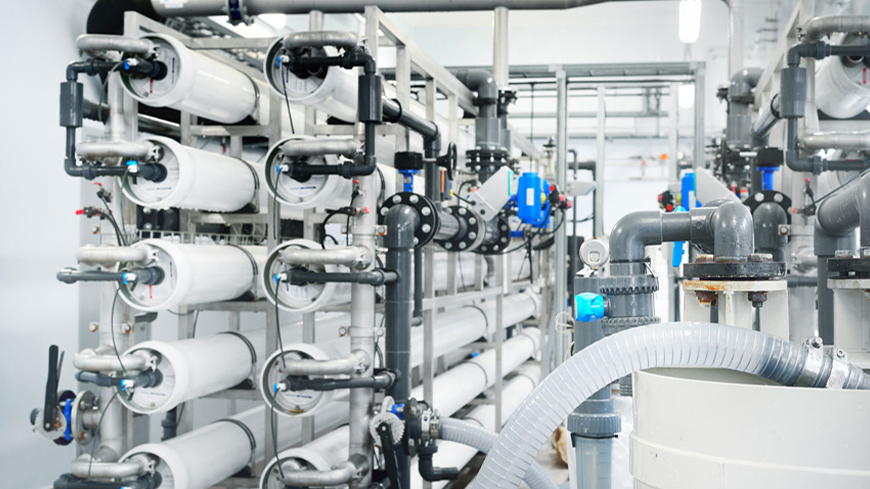 Amino Trimethylene Phosphonic Acid (ATMP) 50% is a highly effective phosphonate-based compound widely used in industrial water systems for scale control and metal ion stabilization. This ATMP Liquid plays an important role in improving operational efficiency by preventing deposition and corrosion in various processing environments. It is commonly available in liquid form, known as ATMP liquid, which makes it easy to handle and dose in continuous systems.
In industrial applications, ATMP – Amino Trimethylene Phosphonic Acid is valued for its strong chelating ability and thermal stability. It is supplied globally by every leading Amino Trimethylene Phosphonic Acid Manufacturer and supplier in India, ensuring consistent quality for different sectors. The compound is also referred to as Aminotris (methylene phosphonic acid), Amino Tri(Methylene Phosphonic Acid), and Tris(Methylene Phosphonic Acid) Amine in chemical databases and industrial references. Many ATMP Chemical Manufacturer and ATMP Chemical Supplier companies provide it as ATMP (Aminotrimethylene phosphonic acid) for use in demanding water treatment and process industries.
What is ATMP Chemical Overview and Uses in Industry
Amino Trimethylene Phosphonic Acid (ATMP) 50% is a strong phosphonate-based compound mainly used for controlling scale and stabilizing metal ions in industrial water systems. The ATMP Chemical works effectively in harsh water conditions where calcium, magnesium, and other minerals tend to form deposits. In liquid form, ATMP liquid is easy to handle and widely used in continuous dosing systems across industries. The chemical is known by different names such as Aminotris (methylene phosphonic acid), Amino TrimethylenePhosphonic Acid, and Tris(Methylene Phosphonic Acid) Amine, depending on industrial usage and formulation standards.
In industrial operations, ATMP is used to improve system efficiency by preventing scaling and corrosion in cooling towers, boilers, and circulation systems. The Amino Trimethylene Phosphonic Acid plays a key role in enhancing water stability and reducing maintenance costs. Because of its strong performance, it is widely produced and distributed by an ATMP Chemical Manufacturer, ATMP Chemical Supplier, and ATMP Manufacturer and supplier network across global markets. It is also a core product for an ATMP (Aminotrimethylene phosphonic acid) manufacturers & suppliers ecosystem, ensuring reliable supply for industrial demand.
ATMP 50% Manufacturing Process by Leading Supplier in India Industry
The production of ATMP (Aminotrimethylene phosphonic acid) in India follows a carefully controlled chemical synthesis route to ensure high purity and consistent industrial performance. In this process, raw materials are reacted under regulated temperature and pressure conditions to form a stable phosphonic acid structure. The resulting product is then refined into ATMP liquid, which is widely used in water treatment formulations due to its excellent stability and handling convenience. Strict quality checks are applied at every stage to maintain industrial-grade standards required by global applications.
A leading Amino Trimethylene Phosphonic Acid Manufacturer in India ensures that advanced reactors, monitoring systems, and purification units are used to produce reliable output. The entire process is designed to support large-scale demand from industries requiring scale inhibition and corrosion control. Many ATMP Chemical Manufacturer and supplier companies also integrate automated systems to improve consistency and reduce impurities. As a result, ATMP – Amino Trimethylene Phosphonic Acid Manufacturer in India and ATMP – Amino Trimethylene Phosphonic Acid supplier in India networks are able to deliver high-quality material for continuous industrial usage.
Key Features of ATMP Liquid and Industrial Properties
1. Strong Scale Inhibition Performance
ATMP liquid provides excellent scale control in high hardness water systems, preventing mineral deposits and ensuring smooth industrial operations without frequent shutdowns.
2. High Metal Ion Stabilization Ability
ATMP (Aminotrimethylene phosphonic acid) effectively binds with metal ions like calcium and magnesium, improving water stability and reducing unwanted precipitation in processing units.
3. Excellent Thermal Resistance
This ATMP Chemical maintains its performance even under high-temperature conditions, making it suitable for boilers, cooling systems, and heat exchange applications.
4. Long-Lasting Chemical Stability
ATMP (Aminotrimethylene phosphonic acid) remains stable for long periods in liquid formulations, ensuring consistent dosing and reliable performance in continuous systems.
5. Compatible with Multiple Formulations
The compound blends easily with other treatment chemicals, allowing ATMP Chemical Manufacturer and supplier industries to design customized water treatment solutions for different industrial needs.
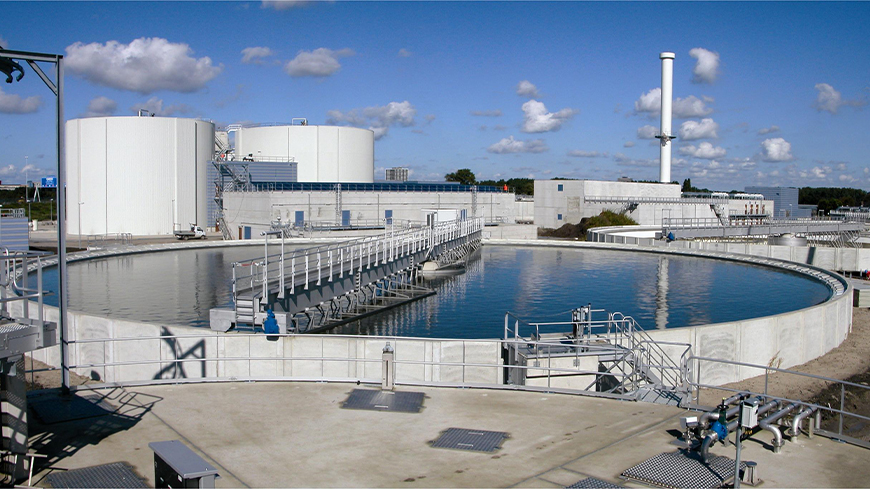 ATMP Chemical Applications in Paper Industry Systems
ATMP Chemical Supplier solutions play an important role in the paper industry by improving water quality used in pulp processing and paper formation units. In paper manufacturing systems, scaling and mineral deposits can affect machine efficiency and product quality. Amino Trimethylene Phosphonic Acid (ATMP) 50% helps control these issues by stabilizing hardness ions in process water, ensuring smoother production flow and better operational stability in continuous paper machine systems.
In paper mills, the use of ATMP liquid supports cleaner equipment surfaces and reduces downtime caused by scaling in heat exchangers and circulation lines. The ATMP Chemical also improves the overall efficiency of water recycling systems used in paper production. With support from ATMP (Aminotrimethylene phosphonic acid) technology, industries achieve consistent sheet quality, reduced maintenance costs, and improved system longevity across high-demand paper processing environments.
Industrial Uses of ATMP Across Major Sectors
1. Power Generation Industry
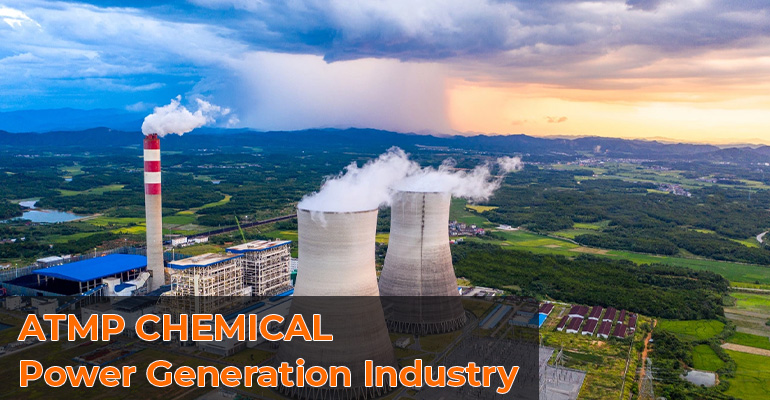
In power plants, ATMP is used for controlling scale formation in boilers and cooling systems. It helps maintain efficient heat transfer, reduces energy loss, and supports smooth plant operations by minimizing maintenance shutdowns and protecting internal equipment surfaces.
2. Oil and Gas Industry
ATMP is widely applied in oil and gas processing systems to prevent scaling in injection water lines and processing units. It improves flow efficiency, protects pipelines from mineral deposits, and ensures stable production performance in harsh operating environments.
3. Textile Industry
In textile processing, ATMP helps maintain water quality used in dyeing and washing stages. It prevents metal ion interference, improves fabric processing consistency, and supports better color quality while reducing equipment scaling issues during continuous operations.
4. Sugar Industry
Sugar manufacturing plants use ATMP to control scaling in evaporators and heating systems. It enhances heat exchange efficiency, reduces downtime caused by deposits, and supports smoother crystallization processes for improved production output and operational stability.
5. Detergent Industry
ATMP is added in detergent formulations to stabilize water hardness and improve cleaning performance. It enhances product efficiency, prevents mineral interference during washing, and ensures better surfactant action for both household and industrial cleaning applications.
Advantages of Amino Trimethylene Phosphonic Acid ATMP
1. Effective Scale Prevention
Amino Trimethylene Phosphonic Acid helps control hard water scale formation in industrial systems, ensuring smooth operation and reducing blockage risks in pipelines, boilers, and cooling equipment for long-term efficiency.
2. Improved Equipment Lifespan
ATMP supports better protection of industrial machinery by minimizing corrosion and deposit buildup, which ultimately extends the service life of critical equipment and reduces replacement and repair costs.
3. Stable Water Treatment Performance
It delivers consistent results even in high-temperature and high-pressure environments, making it reliable for continuous industrial water treatment applications where stability is essential.
4. Cost-Effective Operation
By reducing maintenance frequency and chemical consumption, ATMP improves overall cost efficiency in industrial systems, helping industries manage operational budgets more effectively.
5. Versatile Industrial Application
ATMP can be used across multiple sectors including power, textile, oil & gas, and paper industries, making it a flexible solution for diverse water treatment challenges.
Environmental Impact of Amino Trimethylene Phosphonic Acid ATMP
The environmental behavior of Amino Trimethylene Phosphonic Acid ATMP is generally evaluated based on its stability and interaction in water systems. In controlled industrial usage, it helps reduce scaling and corrosion, which indirectly supports lower energy consumption and improved resource efficiency. This ATMP Chemical can remain stable in water treatment cycles, which means it does not break down rapidly, allowing effective performance with minimal repeated dosing in closed-loop systems.
However, careful handling and regulated discharge are important to minimize any environmental load in wastewater streams. Excessive release into natural water bodies should be avoided, as it may contribute to nutrient imbalance in aquatic systems. Responsible usage practices by an ATMP Chemical Manufacturer and supplier, along with proper treatment before disposal, ensure that ATMP-based applications remain safe and compliant with environmental guidelines in industrial operations.
Conclusion
ATMP (Aminotrimethylene phosphonic acid) has become an essential solution in modern industrial water treatment due to its strong scale inhibition and metal ion control capabilities. This ATMP Chemical supports efficient system performance by reducing deposits, improving water stability, and enhancing equipment reliability across multiple industries. Its liquid form ensures easy handling and consistent dosing, making it a preferred choice in continuous industrial operations.
With increasing demand for high-performance water treatment solutions, Amino Trimethylene Phosphonic Acid ATMP continues to play a key role in sustainable industrial development. Reliable supply from ATMP Manufacturer and supplier networks ensures consistent availability for large-scale applications. Overall, this compound delivers long-term operational benefits, cost efficiency, and improved process stability in diverse industrial environments.
FAQs
1. What is ATMP Chemical used for?
ATMP Chemical is widely used in industrial water treatment systems to control scale formation, stabilize metal ions, and improve overall efficiency in boilers, cooling towers, and circulation systems.
2. How does ATMP liquid work in water systems?
ATMP liquid works by binding with hardness-causing minerals such as calcium and magnesium, preventing them from forming scale deposits and ensuring smooth system performance.
3. Where is Amino Trimethylene Phosphonic Acid commonly applied?
Amino Trimethylene Phosphonic Acid is commonly used in power plants, textile processing, oil and gas operations, sugar mills, and detergent manufacturing industries.
4. Why is ATMP (Aminotrimethylene phosphonic acid) effective?
ATMP (Aminotrimethylene phosphonic acid) is effective due to its strong chelating ability, which helps control metal ions and maintain water stability under harsh operating conditions.
5. Who are the suppliers of ATMP Chemical in India?
ATMP Chemical Manufacturer and supplier companies in India provide industrial-grade products designed for large-scale water treatment applications with consistent quality.
6. What benefits does ATMP provide to industries?
ATMP improves equipment life, reduces scaling issues, lowers maintenance costs, and enhances overall operational efficiency in industrial systems.
7. Is ATMP environmentally safe?
ATMP is considered safe when used responsibly under industrial guidelines, with proper treatment before discharge to minimize environmental impact.
Related Posts