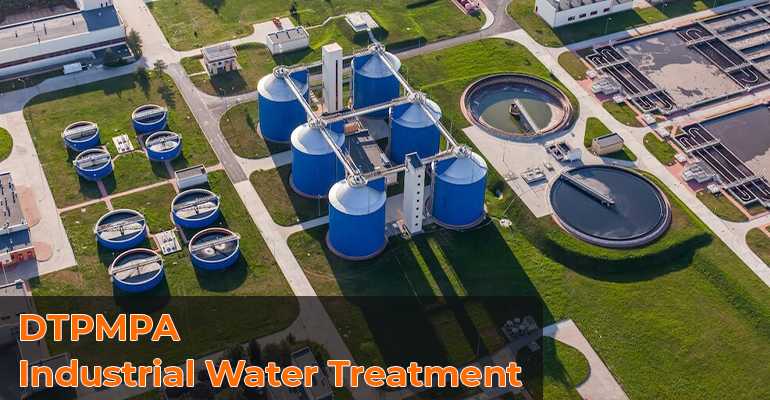
Diethylene Triamine Penta (Methylene Phosphonic) Acid, commonly known as DTPMPA, is one of the most effective phosphonate-based chemicals used in industrial water treatment applications. Its excellent chelating ability, thermal stability, and scale control properties make it suitable for demanding environments where water quality management is critical...
DIETHYLENE TRIAMINE PENTA (METHYLENEPHOSPHONIC) ACID
Diethylene Triamine Penta (Methylene Phosphonic) Acid, known as DTPMPA or DTPMP. It is a phosphonic acid compound sold under the brand name PHOSPHOMAN 235. This chemical is built to bind tightly with metal ions and stop mineral scale from forming,even at very low doses. It helps to remove scale.It also acts as a strong dispersant, meaning it can break up solid particles and keep them evenly spread in a liquid.
More About Diethylene Triamine Penta
DTPMPA belongs to a broader family of organic phosphonates that have largely been replaced with old inorganic phosphate treatments in advanced water systems. Unlike phosphates, which can increase algae growth and get regulated more strictly in wastewater discharge, phosphonates like DTPMPA provide the same performance without contributing as heavily to environmental phosphorus loading. That distinction has made it a preferred choice for plants that require to balance treatment effectiveness with environmental observance .
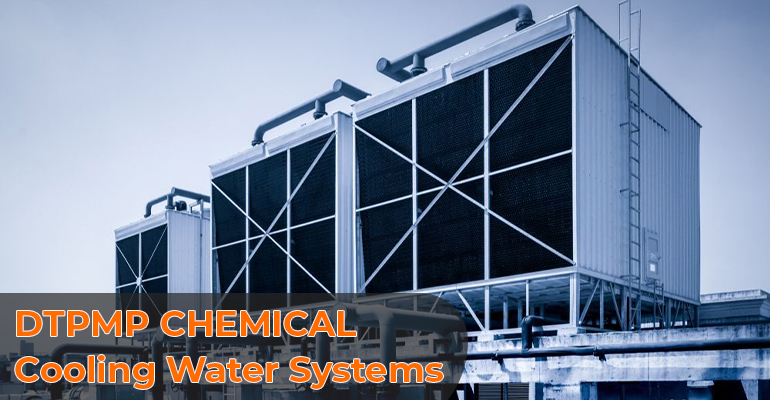
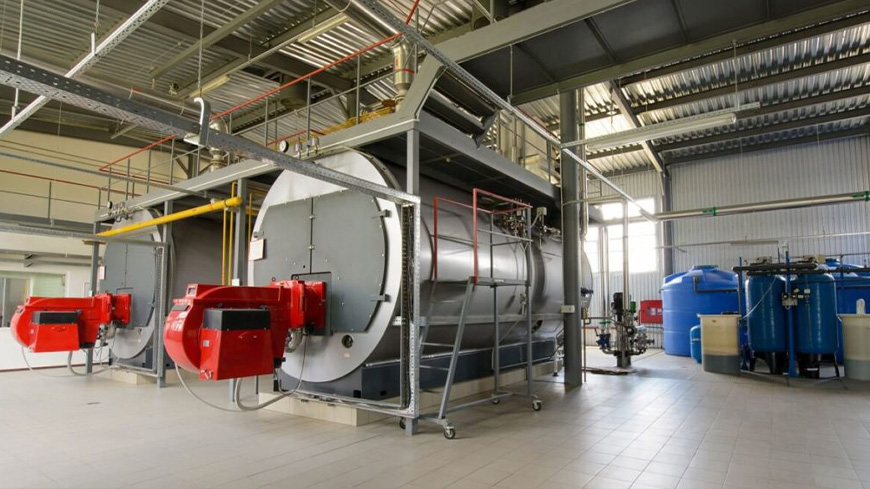
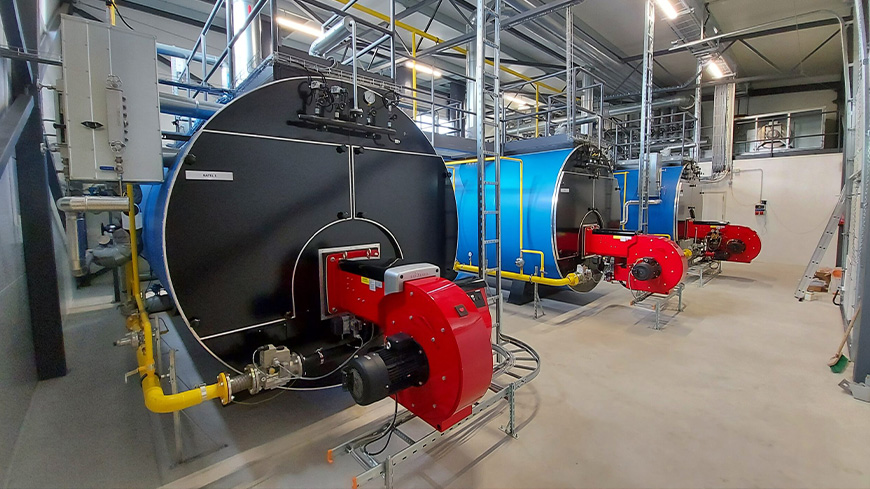
One of the major advantages of PHOSPHOMAN 235 is its dependable performance in demanding industrial conditions. It remains stable even at high temperatures . It does not easily degrade when used with other treatment chemicals. This makes it a practical operation for applications such as cooling towers, boilers, and other water treatment systems , where heat and metal are continuously involved.
How It Works
At its core, DTPMPA controls two common problems in water systems : scale buildup and corrosion. It catches onto metal ions like iron and copper, locking them in place so they cannot form hard deposits. This same grip also helps it fight off from scale types like barium sulfate and strontium, which are notoriously hard to dissolve once they form.
The mechanism behind this control contains a process known as sequestration, where the phophonic acid groups on the molecule surround metal ions and prevent them from reacting with other dissolved minerals. This keeps potential scale-forming compounds in a double, harmless state rather than allowing them to crystallize and stick to pipe walls or heat exchanger surfaces. Over time, this prevents the gradual buildup that would otherwise reduce flow rates and heat transfer efficiency.
Key Chemical Details
| Property | Value |
|---|---|
| Chemical name | Diethylenetriamine penta (methylene phosphonic acid) |
| Common names | DTPMPA, DTPMP, DETPMP, DETPMPA |
| Molecular formula | C9H28O15N3P5 |
| CAS number | 15827-60-8 |
| Molecular weight | 573 |
| Appearance | Amber liquid with a mild acidic smell |
| Density at 25 degrees Celsius | 1.42 plus or minus 0.02 |
| pH (1% solution) | Below 2.0 |
| Solid content | 50.0 plus or minus 2.0 percent |
| Water solubility | Fully soluble |
Where It’s Used
DTPMPA shows up across a wide range of industries because of how well it handles heat, metal, and mineral buildup. Common uses include:
- Water treatment systems, especially for scale and corrosion control
- Soap, detergent, and personal care products
- Oil field operations
- Paint, pigment, and paper manufacturing
- Textile processing as a bleach stabilizer
- Leather treatment and industrial cleaning products
In water treatment specifically, DTPMPA plays a role in cooling towers, boiler feedwater systems, and reverse osmosis membrane protection, where scale buildup can quickly reduce efficiency and damage equipment. In the oil and gas sector, it helps prevent scale formation in downhole equipment and pipelines, a critical function given how much scale-related downtime can cost operators in lost production. Its role as a bleach stabilizer in textile processing also deserves attention, since it helps prevent metal ions from catalyzing unwanted bleach decomposition, which keeps bleaching processes more consistent and predictable.
Safety and Storage
PHOSPHOMAN 235 is an acidic material, so it needs careful handling. Workers should avoid swallowing it, and if it touches skin, the area should be rinsed with plenty of water right away. If it gets into the eyes, flushing with water and getting medical help quickly is important. Gloves and goggles are recommended whenever the product is being handled.
Proper ventilation is also worth considering in enclosed handling areas, since acidic vapors can build up over time in poorly ventilated spaces. Facilities that handle this compound regularly often establish standard operating procedures for transfer and mixing operations to minimize direct contact and reduce the risk of accidental spills.
For storage, the chemical is nonflammable and noncombustible, which makes it relatively safe to keep on site. Still, it should be stored in a shaded area, away from direct sunlight, to preserve its quality. Temperature-controlled storage rooms are ideal, since extreme heat over long periods can gradually affect the product’s stability, even though it holds up better than many comparable chemicals under short-term thermal stress.
Packaging Options
The product ships in a few different container sizes to match various order volumes:
- 65 kg carboys
- 270 kg polydrums
- 1250 kg IBC totes
Advantages of Diethylene Triamine Penta Methylene Phosphonic Acid
1. Excellent Scale Control for Industrial Water Systems
The major advantages of Diethylene Triamine Penta Methylene Phosphonic Acid are its ability to protect against scale caused by calcium, magnesium, and other hardness minerals. DTPMPA helps maintain efficient water circulation in cooling towers, boilers, heat exchangers , and reverse osmosis systems, reducing the impact of mineral deposits on industrial equipment.
2.Reliable Performance in Demanding Industrial Conditions
Industries need water treatment chemicals which can perform under varying temperatures and water quality. Diethylene triamine penta (methylene phosphonic ) Acid provides dependable stability in demanding process conditions. It makes it suitable for continuous industrial operations where consistent performance is necessary .
3.Supports Longer Equipment Life
By reducing scale build-up and helping protect metal surfaces, Diethylene Triamine Penta Methylene Phosphonic Acid DTPMPA contributes to improved equipment reliability. Choosing a trusted DTPMP Manufacturer or DTPMPA Manufacturer helps industries maintain process efficiency while reducing unnecessary maintenance and equipment wear.
4. Suitable for Multiple Industrial Applications
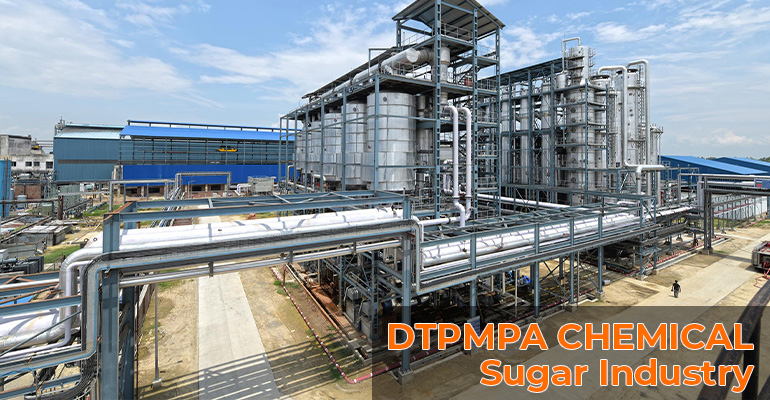
DTPMP Chemical is widely used across cooling water treatment, power plants, oil & gas, paper processing, textile manufacturing, sugar industries, and desalination systems. Businesses looking for a dependable Supplier of DTPMP Chemical or Supplier of DTPMPA Chemical prefer products that deliver consistent quality across different industrial applications.
5. Helps Improve Overall Operating Efficiency
Water cleaner systems lead to lower maintenance costs, better heat transfer, and improved process performance. Working with an experienced Diethylene Triamine
Penta Methylene Phosphonic Acid manufacturer and supplier in India ensures industries receive reliable products that support long-term operational efficiency.
Conclusion
Industrial water treatment requires chemicals that deliver consistent performance while helping protect valuable equipment. Diethylene Triamine Penta Methylene Phosphonic Acid DTPMP is usually used because of its strong scale inhibition, excellent metal ion control ability , and long-lasting stability i n demanding industrial environments.
As a trusted Diethylene Triamine Penta Methylene Phosphonic Acid Manufacturer and supplier in India, Maxwell Additives PVT. LTD. supplies high-quality DTPMPA Chemical for industries seeking dependable water treatment solutions. Whether customers are searching for a DTPMPA Manufacturer and supplier, Manufacturer of DTPMP in India, Supplier of DTPMPA Chemical Vadodara India, or an experienced DTPMP Supplier, Maxwell Additives PVT. LTD. focuses on delivering quality products, reliable supply, and dedicated customer support.
FAQs
1.What is Diethylene Triamine Penta Methylene Phosphonic Acid used for?
Diethylene Triamine Penta Methylene Phosphonic Acid is usually used to control the scale, stabilize the metal ions, and increase the performance of industrial water management systems like cooling towers, boilers, heat exchangers, and reverse osmosis plants.
2.Why should I choose a Diethylene Triamine Penta Methylene Phosphonic Acid Manufacturer and supplier in India?
When we choose an experienced Diethylene Triamine Penta Methylene Phosphonic Acid manufacturer and supplier in india, we should make sure that the supplier or manufacturer deliver the good product quality, dependable supply, technical guidance, and timely delivery for industrial applications.
3.What industries commonly use DTPMPA Chemical?
DTPMPA chemical is commonly used in water treatment, oil & gas, power generation, paper manufacturing, textile processing, sugar plants, chemical processing, and desalination industries where scale control and equipment are necessary.
4. Is DTPMPA suitable for high-hardness water applications?
Yes, diethylene triamine pentamethylene phosphonic acid performs effectively in systems. It contains high concentrations of calcium and magnesium, helping to reduce scale formation and maintain efficient equipment operation.
5.How do I select the right DTPMP Manufacturer?
When we select a DTMP manufacturer, we should consider manufacturing expertise, quality standards, packaging of product, technical support, product consistency and delivery capability working with an experienced manufacturer. It also helps ensure reliable industrial performance.
6.Is there any difference between DTPMP and DTPMPA?
DTPMP and DTPMPA are usually used to transfer to diethylene triamine penta methylene phosphonic acid. It is commonly used in industrial applications. The label may differ based on the technical documentation, manufacturers, or industry usage, but they normally forward to the same phosphonate chemical.
7.Where can I find a reliable Supplier of DTPMP Chemical in India?
If you are searching for a trusted Supplier of DTPMP Chemical or DTPMP Manufacturer and supplier in India, Maxwell Additives PVT. LTD. supplies industrial-grade phosphonate chemicals with a strong focus on quality, consistent manufacturing, customer satisfaction and timely delivery.
8.Why do industries prefer DTPMPA Chemical for water treatment applications?
DTPMPA provides reliable scale inhibition, supports cleaner water systems, and performs well under demanding operating conditions; that’s why industries prefer DTPMPA chemicals for their requirements . It also helps to improve the efficiency and service life of industrial equipment.
Related Posts