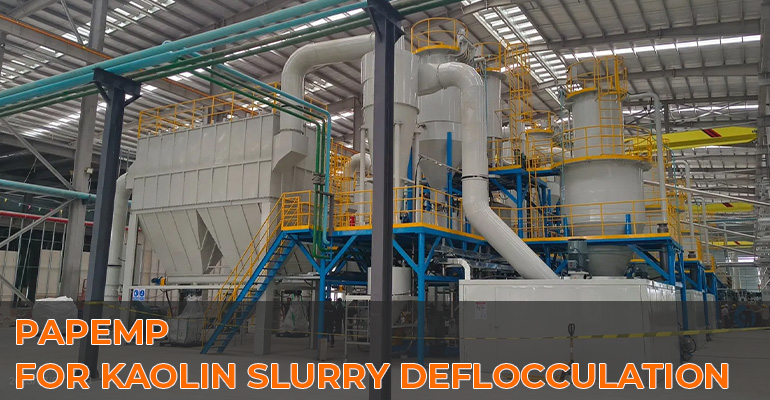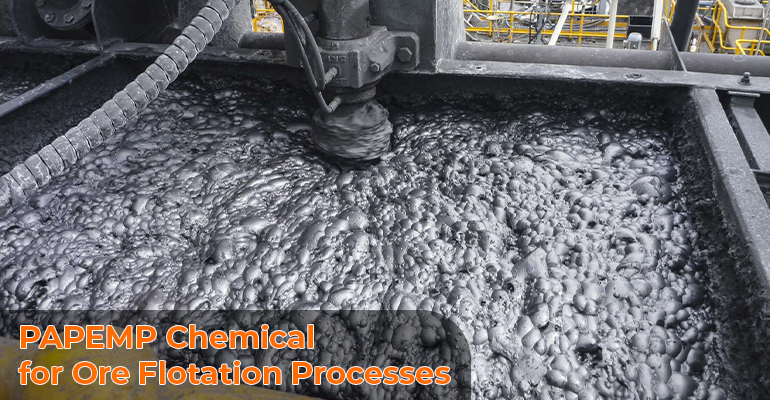
Maxwell Additives is PAPEMPA phosphonate chemicals Supplier. This PAPEMP Chemical known for its remarkable ability to control scale formation and prevent corrosion, is employed in various industries including cooling water systems, boiler water treatment, oilfield water treatment, and industrial water treatment systems. In the textile industry, PAPEMP Chemical is used to prevent scale formation in water used in dyeing and washing processes, where clean water is essential to maintaining the quality of fabrics.
PAPEMP as a Key Ingredient in Industrial and Institutional Cleaning Solutions
A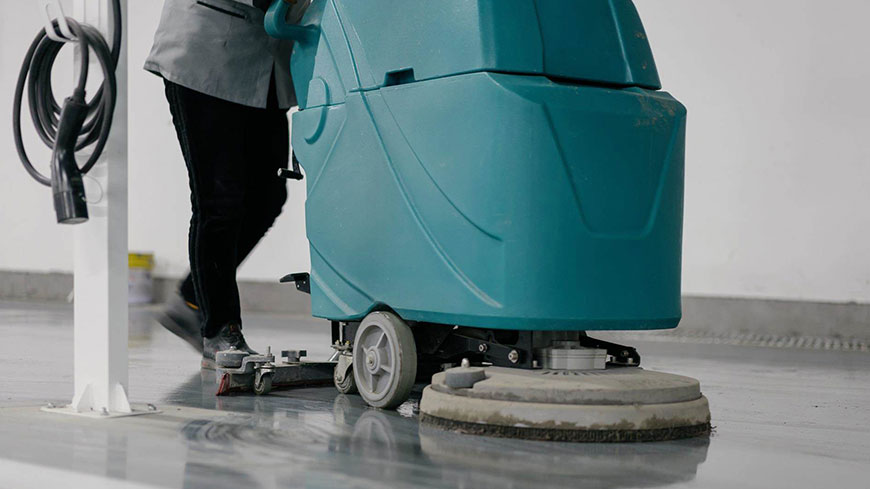 Polyamino Polyether Methylene Phosphonic Acid / PAPEMP is a specialty phosphonic acid derivative widely employed in industrial and institutional cleaning applications. At Maxwell Additives PVT. LTD., we focus on delivering high-purity PAPEMP chemical grade products tailored for demanding cleaning and scale-control environments.
In heavy-duty cleaning systems-such as boiler cleaning, heat exchanger cleaning, acidic descaling, and industrial surface hygiene-PAPEMP functions as a stabilizer, chelating agent, and scale inhibitor. Its molecular structure enables strong binding with metal ions, preventing precipitation and maintaining clarity and effectiveness in complex cleaning formulations.
Maxwell Additives PVT. LTD. brings years of experience serving institutional clients (hospitals, hotels, food processing units, large kitchens) and industrial facilities (chemical plants, refineries, power plants) with tailor-made formulations that leverage PAPEMP’s performance. Our PAPEMP / PAPEMPA chemical formulations are rigorously tested for consistency, stability, and effectiveness.
In essence, PAPEMP is a core enabler in modern industrial and institutional cleaning chemistry—and Maxwell Additives PVT. LTD. remains committed to delivering excellence in this domain.
Manufacturing Process of PAPEMP
The manufacturing process of PAPEMP (Polyamino Polyether Methylene Phosphonic Acid) is a multi-step synthetic pathway requiring precise control over reaction conditions, purification, and quality assurance.
Initially, a polyamino precursor containing amine and ether linkages reacts with formaldehyde or another methylene source under acidic conditions to form methylene bridges. Simultaneously, phosphorous acid or phosphonic acid reagents are introduced to generate methylene phosphonic acid groups.
The reaction is carefully controlled for temperature and pH to avoid side reactions or over-polymerization. After completion, the crude reaction mixture is cooled and neutralized. The purification stage involves filtration, followed by ion exchange, solvent extraction, crystallization, vacuum distillation, or membrane separation, depending on the desired product grade.
The final PAPEMP concentrate is stabilized by controlling water content and adding suitable stabilizers, then adjusted to a precise industrial concentration. Strict quality controls—including phosphonic acid assay, metal impurity analysis, pH stability testing, and chelation performance—ensure compliance with demanding application requirements.
What is PAPEMPA Chemical?
PAPEMPA chemical is essentially an alternative name or designation for Polyamino Polyether Methylene Phosphonic Acid (PAPEMP). The difference in naming reflects marketing nomenclature or formulation labeling, while the core chemistry and function remain identical.
PAPEMPA retains the same phosphonic acid backbone with polyamino and polyether linkages, delivering strong chelation, scale inhibition, and stabilization properties. It is used interchangeably with PAPEMP in industrial formulations requiring high-performance phosphonate additives.
 Benefits of PAPEMP
Benefit 1: Strong Chelation of Metal Ions
One of the most significant benefits of Polyamino Polyether Methylene Phosphonic Acid (PAPEMP) is its exceptional ability to chelate metal ions. In industrial and institutional systems, metal ions such as calcium, magnesium, iron, copper, and manganese are commonly present due to hard water, corrosion, or process contamination. PAPEMP binds these metal ions very strongly through its phosphonic acid groups and polyamino backbone, forming stable, soluble complexes. This prevents metals from reacting with other chemicals or forming insoluble precipitates. As a result, cleaning solutions remain clear, stable, and effective over extended periods. Strong chelation also minimizes fouling, clogging, and deposit formation inside equipment such as pipes, boilers, heat exchangers, and cleaning circuits, leading to improved operational reliability and reduced maintenance frequency.
Benefit 2: Effective Scale Inhibition
Scale formation is a major challenge in systems exposed to heat, pressure, and mineral-rich water. PAPEMP acts as a highly effective scale inhibitor by disrupting the nucleation and growth of mineral crystals such as calcium carbonate, calcium sulfate, and magnesium salts. Instead of allowing these minerals to form hard, adherent scale on metal surfaces, PAPEMP keeps them dispersed or dissolved in the cleaning or process fluid. This property is especially critical in boilers, cooling towers, heat exchangers, and industrial pipelines, where scale buildup can severely reduce heat transfer efficiency and increase energy consumption. By preventing scale formation at the molecular level, PAPEMP helps extend equipment life, improve process efficiency, and reduce costly shutdowns for mechanical or chemical cleaning.
Benefit 3: Stabilization of Metal Complexes in Harsh Conditions
Industrial and institutional cleaning systems often operate under fluctuating pH levels, high temperatures, and varying ionic strengths. Under such conditions, metal ions can easily destabilize cleaning solutions by forming insoluble hydroxides or reacting with active ingredients. PAPEMP plays a vital role in stabilizing metal complexes across a wide range of operating conditions. Its molecular structure allows it to hold metal ions firmly in solution, preventing hydrolysis and precipitation even in aggressive acidic or mildly alkaline environments. This stabilization ensures that cleaning agents maintain consistent performance throughout the entire cleaning cycle. As a result, cleaning efficiency remains uniform, chemical wastage is reduced, and system reliability is significantly improved.
Benefit 4: Support for Corrosion Control
Although PAPEMP is primarily known for chelation and scale inhibition, it also contributes indirectly to corrosion control. Free metal ions and mineral deposits can accelerate corrosion processes by creating localized electrochemical cells on metal surfaces. By binding metal ions and preventing scale deposition, PAPEMP reduces these corrosion-driving factors. In many industrial formulations, PAPEMP works synergistically with dedicated corrosion inhibitors to create a more stable and protective environment for metal surfaces. This is particularly important during acidic cleaning or descaling operations, where metals are vulnerable to attack. Proper use of PAPEMP helps reduce pitting, under-deposit corrosion, and surface degradation, thereby extending equipment life and maintaining structural integrity.
Benefit 5: Improved Cleaning Efficiency and Broad Compatibility
PAPEMP significantly enhances the overall efficiency of industrial and institutional cleaning formulations. By neutralizing interfering metal ions and preventing scale re-deposition, it allows acids, surfactants, detergents, and dispersants to perform at their full potential. This leads to faster deposit removal, improved surface wetting, and more uniform cleaning results. Another major advantage is PAPEMP’s broad compatibility with a wide range of formulation components, including strong acids, nonionic and anionic surfactants, biocides, and corrosion inhibitors. This compatibility provides formulators with greater flexibility and enables the development of robust, high-performance cleaning systems that work effectively even under challenging water and process conditions.
Role of PAPEMP in Industrial & Institutional Cleaning
PAPEMP plays a foundational role in modern industrial and institutional cleaning systems, acting as an enabler of reliable and high-performance cleaning processes. In industrial environments such as power plants, refineries, chemical manufacturing units, and food processing facilities, cleaning challenges include heavy mineral scale, metal oxides, process residues, and variable water quality. PAPEMP ensures that dissolved metal and hardness ions remain in solution during acid cleaning and descaling operations, preventing secondary fouling and re-deposition.
In institutional environments like hospitals, hotels, commercial kitchens, and large residential complexes, cleaning systems must operate safely, efficiently, and consistently. PAPEMP enhances the effectiveness of cleaning agents used in boilers, hot water systems, sterilization equipment, and HVAC circuits. Its ability to maintain chemical stability across intermittent cleaning cycles and temperature fluctuations makes it particularly valuable in such settings. Overall, PAPEMP allows cleaning systems to operate longer with fewer interruptions, improved hygiene outcomes, and reduced chemical consumption.
Explore Other Applications of PAPEMP
Application 1: Water Treatment and Scale Control Systems
PAPEMP is extensively used in water treatment applications, including cooling towers, boilers, reverse osmosis plants, and closed-loop water systems. In these systems, mineral scale and metal ion instability can lead to fouling, corrosion, and reduced efficiency. PAPEMP effectively chelates hardness ions and inhibits scale formation, keeping system surfaces clean and free-flowing. By preventing deposits on heat transfer surfaces and membranes, it improves energy efficiency and water throughput. Its chemical stability allows continuous dosing in both high-temperature and high-concentration environments, making PAPEMP a reliable solution for long-term water system protection and performance optimization.
Application 2: Detergent and Specialty Cleaning Formulations
In detergent and specialty cleaning formulations, PAPEMP functions as a powerful builder and performance enhancer. Hard water minerals often reduce the effectiveness of surfactants by forming insoluble salts. PAPEMP neutralizes these interfering ions, allowing surfactants to perform efficiently even in hard water conditions. This is particularly beneficial in industrial dishwashing, commercial laundry, and process-cleaning applications where consistent cleaning performance is essential. By improving detergent efficiency, PAPEMP helps reduce chemical dosage, water consumption, and cleaning time, making formulations more economical and environmentally responsible.
Application 3: Oil and Gas Scale Prevention
Scale deposition is a critical issue in oil and gas production, transportation, and processing systems. PAPEMP is used as part of scale inhibition and corrosion control packages to prevent the formation of carbonate and sulfate scales inside pipelines, downhole equipment, and surface facilities. Its strong chelation properties and stability under high pressure and temperature conditions make it suitable for challenging oilfield environments. PAPEMP helps maintain flow assurance, reduces unplanned shutdowns, and protects expensive equipment from scale-related damage, thereby improving operational efficiency and asset longevity in oil and gas operations.
Application 4: Cooling Systems and Heat Exchangers
Cooling systems and heat exchangers rely on clean surfaces for efficient heat transfer. PAPEMP is used in these systems to control mineral deposition, stabilize metal ions, and prevent fouling. Continuous or intermittent dosing of PAPEMP helps maintain optimal heat exchange efficiency, reduces energy losses, and minimizes maintenance requirements. Its resistance to thermal degradation ensures reliable performance even in high-temperature cooling circuits. By keeping heat transfer surfaces clean, PAPEMP contributes directly to lower operating costs and improved system reliability in industrial and commercial cooling applications.
Application 5: Metalworking Fluids and Electroplating Processes
In metalworking fluids, electroplating baths, and metal finishing operations, maintaining chemical stability is essential for product quality. PAPEMP helps stabilize metal ions in these systems, preventing unwanted precipitation and bath contamination. This results in clearer solutions, more uniform coatings, and fewer defects in finished metal products. In electroplating, PAPEMP supports consistent metal deposition by maintaining proper ion balance, while in metalworking fluids it helps protect equipment and tooling from scale and residue buildup. Its use leads to improved process control, better surface finishes, and reduced operational disruptions.
Why Choose Maxwell Additives PVT. LTD.
Maxwell Additives PVT. LTD. is a trusted name in advanced phosphonate chemistry, recognized for its expertise in manufacturing and supplying high-quality PAPEMP. As a PAPEMP manufacturer, we use carefully controlled synthesis and purification processes to ensure consistent molecular composition, high purity, and reliable performance. Each batch is subjected to stringent quality testing, including chelation efficiency, phosphonic acid content, impurity profiling, and stability analysis.
Beyond manufacturing, Maxwell Additives is a reliable long-term partner. We offer flexible packaging options, dependable supply schedules, and strong technical support to help customers integrate PAPEMP into their formulations effectively. Our experienced technical team assists with dosage optimization, formulation development, and troubleshooting. This customer-centric approach, combined with deep technical knowledge, makes Maxwell Additives PVT. LTD. a preferred choice for industries seeking dependable, high-performance PAPEMP solutions.
Conclusion
Polyamino Polyether Methylene Phosphonic Acid (PAPEMP) is a versatile and powerful phosphonic acid derivative essential for modern cleaning, water treatment, and scale-control systems. The PAPEMPA chemical naming variant represents the same molecular family and application profile.
With its superior metal-binding ability, scale inhibition, stabilization, and formulation compatibility, PAPEMP is indispensable in demanding industrial and institutional environments. Maxwell Additives PVT. LTD. stands out as both a top PAPEMP manufacturer and a reliable PAPEMP supplier—delivering performance backed by integrity, expertise, and technical excellence.
FAQs
Q1: What is the chemical formula of PAPEMP?
The exact empirical formula varies by grade, but PAPEMP is a methylene phosphonic acid derivative with multiple phosphonic acid groups attached to a polyamino-polyether backbone.
Q2: How does PAPEMP differ from traditional phosphonates?
PAPEMP features a complex polyamino-polyether structure that provides stronger chelation, improved stability, and broader compatibility than simpler phosphonates.
Q3: Is PAPEMP water soluble?
Yes, PAPEMP is typically water-soluble or dispersible at concentrations required for industrial cleaning and scale inhibition.
Q4: What pH range is PAPEMP stable in?
PAPEMP is stable across acidic to mildly alkaline conditions, typically from pH 1 to around pH 10, depending on formulation and grade.
Q5: Can PAPEMPA be used with surfactants and acids?
Yes, PAPEMP is highly compatible with surfactants, acids, dispersants, and corrosion inhibitors.
Q6: What is the typical dosage of PAPEMPA?
Dosage depends on application, water hardness, and scale load—ranging from a few ppm to several hundred ppm.
Q7: How should PAPEMPA be stored and handled?
Store in a cool, dry place away from strong oxidizers. Use appropriate safety gear such as gloves and eye protection when handling concentrated material.
Related Posts