Polyamino Polyether Methylene Phosphonic Acid (PAPEMPA) is a highly effective and advanced chemical used…
PAPEMPA Chemical Explained: Full Guide for 2026
 PAPEMPA Chemical, also known as Polyamino Polyether Methylene Phosphonic Acid (PAPEMP), is a highly versatile compound widely used in various industries. At Maxwell Additives Pvt. Ltd., we specialize in producing high-quality PAPEMPA that meets international standards. Our chemical formulations are carefully designed to ensure consistency, safety, and efficiency, making them a preferred choice for manufacturers worldwide.
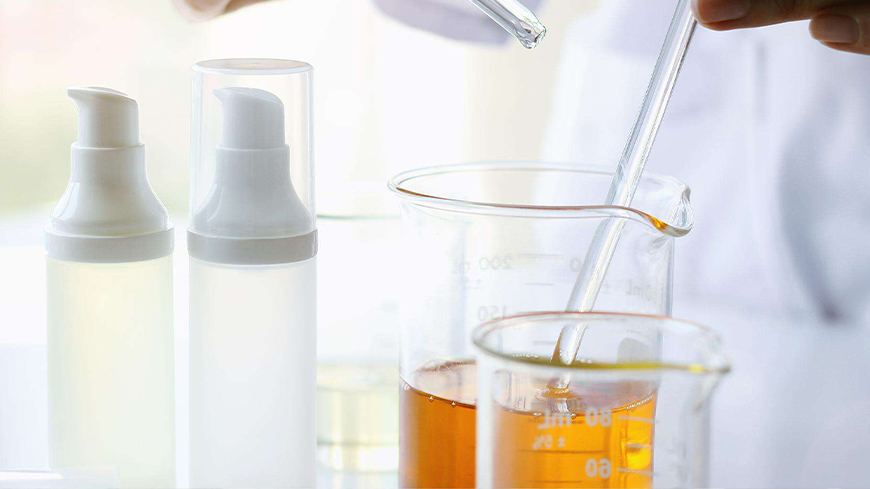
In the cosmetic industry, PAPEMPA plays a crucial role in enhancing product stability and performance. It is commonly incorporated into skincare, haircare, and personal care formulations to improve shelf life, prevent degradation of active ingredients, and maintain the desired texture and appearance. Cosmetics rely on PAPEMPA for its ability to stabilize formulations and protect against impurities that could affect the product’s quality.
By choosing Maxwell Additives, brands can trust in a reliable source of PAPEMPA Chemical that supports innovation in cosmetics manufacturing. From creams and lotions to serums and shampoos, PAPEMPA ensures that products are safe, effective, and consistent, making it an indispensable ingredient for modern cosmetic production.
What is PAPEMPA
PAPEMPA, scientifically known as Polyamino Polyether Methylene Phosphonic Acid (PAPEMP), is a multifunctional chemical widely used in industrial and cosmetic applications. It is a water-soluble compound with excellent chelating and stabilizing properties. The unique molecular structure of Polyamino Polyether Methylene Phosphonic allows it to bind with metal ions, preventing unwanted reactions and maintaining the stability of formulations.
In simpler terms, PAPEMPA Chemical acts as a protective agent that enhances product quality by preventing the breakdown of active ingredients. This makes it highly valuable in cosmetics, where product safety, consistency, and effectiveness are critical. Whether in creams, lotions, or hair care products, PAPEMPA ensures that the formulation remains stable and delivers the intended benefits to users.
Its versatility and effectiveness make PAPEMPA a preferred choice for manufacturers who aim for high-performance and long-lasting cosmetic products.
Why PAPEMPA is Essential in Making Cosmetics
In cosmetic manufacturing, maintaining product stability and safety is extremely important. PAPEMPA Chemical, also known as Polyamino Polyether Methylene Phosphonic Acid (PAPEMP), plays a vital role in achieving this goal. Cosmetics often contain water, natural extracts, vitamins, and active ingredients that can react with metal ions or external impurities. PAPEMPA works as a strong chelating agent, binding unwanted metal particles and preventing chemical reactions that could damage the formulation.
The structure of Polyamino Polyether Methylene Phosphonic helps maintain the consistency, color, and texture of beauty products. Without proper stabilization, creams may separate, serums may lose effectiveness, and shampoos may degrade over time. By adding Polyamino Polyether Methylene Phosphonic Acid (PAPEMP), manufacturers ensure longer shelf life and better product performance.
Another important reason why PAPEMPA is essential in cosmetics is its compatibility with different ingredients. It works well in various formulations without affecting skin safety. This makes PAPEMPA Chemical a reliable and effective solution for modern cosmetic production.
 Other Uses of PAPEMPA
1. Water Treatment Industry
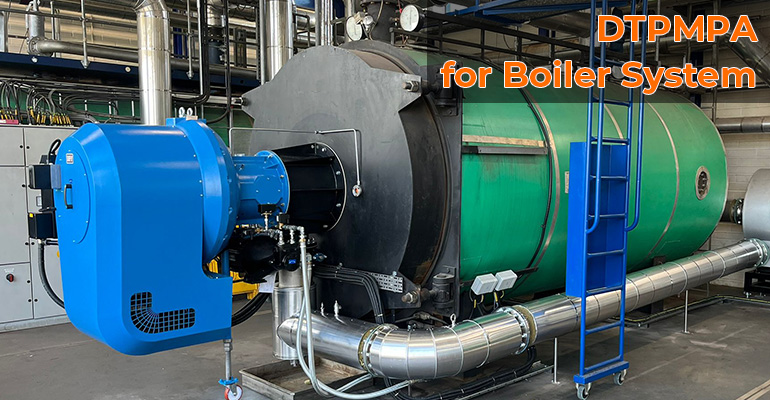
PAPEMPA Chemical is widely used in the water treatment industry because of its excellent chelating and scale inhibition properties. Polyamino Polyether Methylene Phosphonic Acid (PAPEMP) helps control scale formation caused by calcium, magnesium, and other metal ions present in water systems. In cooling towers, boilers, and industrial water pipelines, scaling can reduce efficiency and increase maintenance costs. PAPEMPA binds with these metal ions and prevents deposits from forming on surfaces.
The strong structure of Polyamino Polyether Methylene Phosphonic makes it stable even under high temperatures and harsh water conditions. This ensures long-term protection for equipment. By using PAPEMPA, industries can improve system performance, reduce downtime, and extend the lifespan of machinery.
2. Oil and Gas Industry
In the oil and gas sector, PAPEMPA plays an important role in preventing scale and corrosion inside pipelines and drilling systems. Harsh underground conditions often cause mineral deposits that block flow lines and reduce production efficiency. PAPEMPA Chemical works effectively by controlling these deposits and maintaining smooth operations.
Polyamino Polyether Methylene Phosphonic Acid (PAPEMP) is highly stable under extreme pressure and temperature conditions, which makes it suitable for oilfield applications. Its ability to control metal ions helps protect equipment from damage and corrosion. As a result, companies can reduce maintenance costs and improve operational safety.
3. Textile Industry
The textile industry also benefits from PAPEMPA Chemical during dyeing and processing operations. Water used in textile manufacturing often contains metal impurities that can affect fabric color and quality. Polyamino Polyether Methylene Phosphonic (PAPEMP) helps remove or neutralize these impurities, ensuring uniform dye absorption.
By stabilizing the water quality, PAPEMPA improves color brightness and consistency in fabrics. It also prevents unwanted chemical reactions during the processing stage. This leads to better-quality finished products and reduces material wastage. Textile manufacturers rely on PAPEMPA to maintain efficiency and high production standards.
4. Detergent and Cleaning Products
PAPEMPA is commonly used in detergent and industrial cleaning formulations. Hard water can reduce the effectiveness of cleaning products due to metal ions that interfere with surfactants. Polyamino Polyether Methylene Phosphonic Acid (PAPEMP) helps soften water by binding with these ions, improving cleaning performance.
Because of its strong chelating ability, PAPEMPA Chemical enhances stain removal and prevents residue formation. It also protects washing equipment from scale buildup. This makes it a valuable ingredient in household cleaners, industrial detergents, and surface treatment solutions.
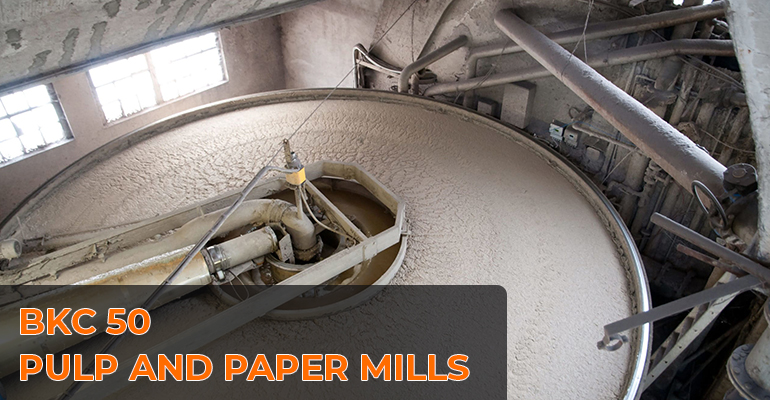
5. Paper and Pulp Industry
In the paper and pulp industry, PAPEMPA Chemical is used to control scaling and improve process stability. During paper manufacturing, mineral deposits can accumulate in machinery and reduce production efficiency. Polyamino Polyether Methylene Phosphonic Acid (PAPEMP) prevents these deposits by controlling metal ions in the system.
Its stability and strong binding capacity ensure smoother operations and better-quality paper output. By reducing scale formation, PAPEMPA lowers maintenance costs and improves equipment lifespan. This makes it an important additive for efficient and cost-effective paper production processes.
Advantages of PAPEMPA Chemical
1. Excellent Chelating Ability
One of the biggest advantages of PAPEMPA Chemical is its strong chelating ability. Polyamino Polyether Methylene Phosphonic Acid (PAPEMP) effectively binds with metal ions such as calcium, magnesium, and iron. These metal ions can cause scaling, instability, and reduced product performance in different formulations. By controlling these ions, PAPEMPA ensures smoother chemical reactions and improved stability.
The molecular structure of Polyamino Polyether Methylene Phosphonic allows it to remain active even in challenging conditions like high temperature or varying pH levels. This makes PAPEMPA a dependable solution for industries that require consistent performance. Its strong binding power directly improves efficiency, reduces unwanted deposits, and enhances overall product quality.
2. High Thermal and Chemical Stability
Another important advantage of PAPEMPA is its excellent thermal and chemical stability. Many industrial processes operate under high temperatures and pressure, where ordinary chemicals may break down. However, Polyamino Polyether Methylene Phosphonic Acid (PAPEMP) remains stable and effective even in harsh environments.
This stability ensures long-lasting performance in water treatment systems, oil fields, and cosmetic formulations. Because PAPEMPA Chemical does not easily degrade, it provides extended protection against scale formation and chemical reactions. Its durability reduces the need for frequent reapplication, saving both time and operational costs for manufacturers.
3. Improved Product Performance
PAPEMPA Chemical enhances the overall performance of products in which it is used. In cosmetics, it helps maintain consistency and shelf life. In detergents, it improves cleaning efficiency. In water treatment, it prevents scale buildup. The multifunctional nature of Polyamino Polyether Methylene Phosphonic (PAPEMP) makes it highly valuable across industries.
By stabilizing formulations and preventing unwanted reactions, PAPEMPA ensures that products deliver their intended results. This directly increases customer satisfaction and product reliability. Manufacturers prefer PAPEMPA because it supports high-performance standards without negatively affecting other ingredients.
4. Cost-Effective Solution
Using PAPEMPA is also cost-effective in the long term. Although it is a high-performance chemical, its efficiency reduces maintenance costs and equipment damage caused by scaling or corrosion. Polyamino Polyether Methylene Phosphonic Acid (PAPEMP) helps prevent system blockages and breakdowns, which can be expensive to repair.
Because PAPEMPA Chemical works efficiently at lower concentrations, manufacturers do not need to use excessive quantities. This improves operational efficiency and reduces overall chemical consumption. Over time, this leads to significant cost savings for industries that rely on stable and efficient systems.
5. Versatile Industrial Applications
One of the strongest advantages of Polyamino Polyether Methylene Phosphonic Acid (PAPEMP) is its versatility. PAPEMPA Chemical is not limited to one specific industry. It is widely used in cosmetics, water treatment, oil and gas, textile processing, detergents, and paper manufacturing.
The adaptable nature of Polyamino Polyether Methylene Phosphonic makes it compatible with various formulations and operating conditions. This flexibility allows industries to use a single reliable chemical solution for multiple applications. As a result, PAPEMPA becomes a valuable and multipurpose ingredient for modern industrial needs.
Why Choose Maxwell Additives PVT. LTD.
Premium Manufacturing Process
At Maxwell Additives PVT. LTD., quality is the top priority. The company follows a premium manufacturing process to produce high-grade PAPEMPA Chemical that meets international quality standards. Every batch of Polyamino Polyether Methylene Phosphonic Acid (PAPEMP) is manufactured using advanced technology and carefully controlled production methods. This ensures consistency, purity, and high performance in every supply.
The production team strictly monitors raw material selection, reaction processes, and final product testing. By maintaining strong quality control systems, Maxwell Additives ensures that Polyamino Polyether Methylene Phosphonic delivers reliable results in cosmetics, water treatment, and industrial applications. Modern equipment and experienced professionals further strengthen the company’s commitment to excellence.
Because of this premium manufacturing approach, customers receive PAPEMPA that is stable, effective, and suitable for demanding industrial requirements. This dedication to quality makes Maxwell Additives a trusted partner for long-term business relationships.
Leading PAPEMPA Manufacturer
Maxwell Additives PVT. LTD. has built a strong reputation as a leading PAPEMPA Manufacturer in the market. With years of expertise and technical knowledge, the company understands the specific requirements of different industries. This allows them to produce Polyamino Polyether Methylene Phosphonic Acid (PAPEMP) that meets diverse application needs.
The company continuously invests in research and development to improve product quality and performance. By focusing on innovation and customer satisfaction, Maxwell Additives ensures that its PAPEMPA remains competitive and reliable. Their production capacity, timely delivery system, and strict quality standards make them a preferred choice for manufacturers.
Being a trusted name in the industry, Maxwell Additives provides consistent supply and technical support, helping businesses achieve better results with Polyamino Polyether Methylene Phosphonic solutions.
Best PAPEMP Supplier
As a dependable supplier of Polyamino Polyether Methylene Phosphonic Acid (PAPEMP), Maxwell Additives PVT. LTD. focuses on customer satisfaction and long-term partnerships. The company ensures that every order of PAPEMPA Chemical is delivered on time and in perfect condition. Efficient logistics and supply chain management allow them to serve both domestic and international markets smoothly.
Maxwell Additives understands that industries require consistent quality and uninterrupted supply. That is why they maintain strong inventory systems and transparent communication with clients. Their commitment to reliability makes them one of the best PAPEMP suppliers in the industry.
With competitive pricing, technical assistance, and premium-grade Polyamino Polyether Methylene Phosphonic, customers can confidently choose Maxwell Additives as their trusted chemical partner.
Conclusion
PAPEMPA Chemical, also known as Polyamino Polyether Methylene Phosphonic Acid (PAPEMP), is a highly valuable and multifunctional compound used across multiple industries. From cosmetics manufacturing to water treatment and industrial processing, PAPEMPA provides excellent stability, chelation, and performance enhancement. Its strong molecular structure allows Polyamino Polyether Methylene Phosphonic to function effectively even in challenging conditions, making it a dependable solution for manufacturers.
In the cosmetics industry, PAPEMPA plays a critical role in maintaining product quality, consistency, and shelf life. Beyond cosmetics, its benefits extend to oil and gas, textiles, detergents, and paper industries. When sourced from a trusted manufacturer like Maxwell Additives PVT. LTD., businesses can ensure premium quality and reliable supply. Overall, Polyamino Polyether Methylene Phosphonic Acid (PAPEMP) remains an essential chemical for modern industrial and cosmetic applications.
FAQs
1. What is PAPEMPA Chemical used for?
PAPEMPA Chemical is mainly used as a chelating and stabilizing agent in cosmetics, water treatment, oil fields, detergents, and industrial processes to prevent scale formation and improve product performance.
2. What is the full form of PAPEMP?
The full form of PAPEMP is Polyamino Polyether Methylene Phosphonic Acid. It is a multifunctional chemical known for its strong metal ion binding and stabilizing properties.
3. Why is PAPEMPA important in cosmetics?
PAPEMPA helps maintain cosmetic product stability, prevents ingredient degradation, improves shelf life, and ensures consistent texture and performance in creams, lotions, and personal care products.
4. Is Polyamino Polyether Methylene Phosphonic Acid safe for industrial use?
Yes, Polyamino Polyether Methylene Phosphonic Acid (PAPEMP) is widely used in industries under recommended guidelines and is considered safe when handled and applied properly.
5. Can PAPEMPA prevent scaling in water systems?
Yes, PAPEMPA effectively binds with calcium and magnesium ions, preventing scale buildup in boilers, cooling towers, and pipelines, improving system efficiency and lifespan.
6. Why choose Maxwell Additives for PAPEMP supply?
Maxwell Additives provides high-quality PAPEMPA Chemical with consistent manufacturing standards, reliable delivery, competitive pricing, and strong technical support for various industrial applications.
7. In which industries is PAPEMPA commonly used?
PAPEMPA is commonly used in cosmetics, water treatment, oil and gas, textile processing, detergent manufacturing, and paper industries due to its stabilizing and chelating properties.
Related Posts