Maxwell Additives is PAPEMPA phosphonate chemicals Supplier. This PAPEMP Chemical known for its remarkable ability to control scale formation and prevent corrosion, is employed in various industries including cooling water systems, boiler water treatment, oilfield water treatment, and industrial water treatment systems. In the textile industry, PAPEMP Chemical is used to prevent scale formation in water used in dyeing and washing processes, where clean water is essential to maintaining the quality of fabrics.
Pbtc – 2-phosphonobutane-1,2,4-tricarboxylic Acid: The Ultimate Solution For Cooling Water Systems
 PBTC – 2‑Phosphonobutane‑1,2,4‑tricarboxylic acid, is a versatile chemical widely used in industrial water treatment applications. Known for its excellent scale inhibition, corrosion prevention, and chelating properties, PBTC chemical ensures that cooling systems, boilers, and other industrial equipment operate efficiently and last longer. Its ability to function under high temperatures and varying pH conditions makes it a reliable choice for industries that require consistent performance and safety.
At Maxwell Additives PVT. LTD., we specialize in producing and supplying high-quality PBTC Chemical for a wide range of industrial applications. Our advanced manufacturing processes, strict quality control, and dedication to customer satisfaction make us a trusted name in the chemical industry. We ensure that every batch of 2‑Phosphonobutane‑1,2,4‑tricarboxylic acid (PBTC) meets international standards for purity, stability, and effectiveness.
By combining expertise with sustainable production practices, Maxwell Additives provides PBTC chemical solutions that help industries improve operational efficiency, reduce maintenance costs, and achieve long-term reliability. Whether used in cooling water systems, detergents, or industrial formulations, PBTC from Maxwell Additives delivers consistent and high-performance results.
What is PBTC Chemical?
PBTC chemical, also known as 2‑Phosphonobutane‑1,2,4‑tricarboxylic acid (PBTC), is a highly effective phosphonate-based compound widely used in industrial water treatment. It is primarily valued for its excellent scale inhibition, metal ion chelation, and corrosion prevention properties. By binding with calcium, magnesium, and other metal ions, PBTC prevents the formation of scale deposits on pipes, cooling towers, and boilers, ensuring smooth and efficient operations.
This chemical is particularly stable under high temperatures and acidic conditions, making it suitable for continuous industrial processes. PBTC chemical is also compatible with a wide range of other treatment chemicals, which adds versatility in different water treatment formulations. Industries benefit from using PBTC because it enhances system efficiency, reduces maintenance costs, and prolongs the life of equipment.
With its reliability, stability, and efficiency, 2‑Phosphonobutane‑1,2,4‑tricarboxylic acid (PBTC) has become a preferred choice for industrial water treatment applications worldwide.
The Role of PBTC Chemical in Cooling Water Systems
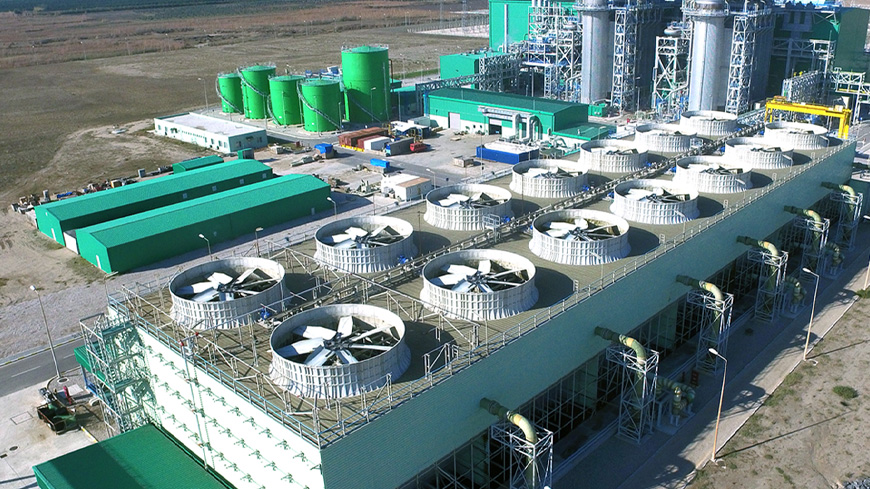
PBTC chemical, or 2‑Phosphonobutane‑1,2,4‑tricarboxylic acid, plays a crucial role in maintaining the efficiency and longevity of cooling water systems. One of the main challenges in such systems is the formation of scale, caused by calcium, magnesium, and other metal ions in water. Scale can reduce heat transfer efficiency, increase energy consumption, and cause frequent maintenance issues. PBTC acts as an effective scale inhibitor, binding these ions and preventing them from depositing on pipes, cooling towers, and heat exchangers.
In addition to scale prevention, PBTC provides corrosion control. Cooling water systems often operate under varying pH and temperature conditions, which can corrode metal surfaces over time. PBTC chemical forms a protective layer on these surfaces, reducing the risk of rust and extending the lifespan of equipment.
Another key advantage of PBTC is its compatibility with other water treatment chemicals. It can be used alongside biocides, dispersants, and other additives to create a comprehensive water treatment program. This versatility ensures that industrial cooling systems remain efficient, safe, and low-maintenance, saving both time and operational costs.
Finally, PBTC enhances system efficiency by maintaining optimal heat transfer and reducing downtime caused by scaling or corrosion. Its stability under high temperatures and acidic conditions ensures consistent performance, making 2‑Phosphonobutane‑1,2,4‑tricarboxylic acid (PBTC) an indispensable chemical for modern cooling water systems.
 Explore Other Applications of PBTC Chemical
Application 1: Boiler Water Treatment
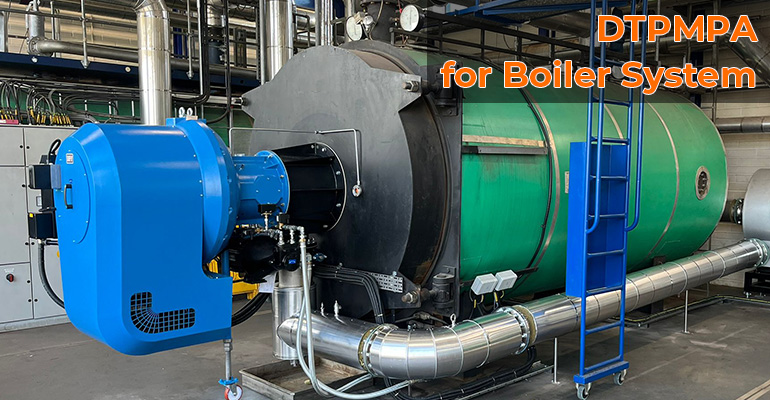
PBTC chemical (2‑Phosphonobutane‑1,2,4‑tricarboxylic acid) is widely used in boiler water treatment to prevent scale formation and corrosion. Boilers operate under high temperature and pressure, making them prone to mineral deposits that can reduce efficiency and damage equipment. PBTC binds with calcium and magnesium ions, keeping them in solution and preventing scale buildup. Additionally, it protects metal surfaces from corrosion caused by acidic or oxygen-rich water. By using PBTC chemical in boiler systems, industries achieve higher operational efficiency, reduced maintenance costs, and longer equipment life. Its stability and compatibility with other treatment chemicals make PBTC a reliable and essential additive for boiler water management.
Application 2: Detergents and Cleaning Agents
PBTC chemical (2‑Phosphonobutane‑1,2,4‑tricarboxylic acid) is commonly used in detergents and industrial cleaning formulations due to its excellent metal ion chelation and anti-scaling properties. In areas with hard water, minerals like calcium and magnesium can reduce cleaning efficiency and leave residues on surfaces. PBTC binds these ions, preventing deposits and improving the overall effectiveness of detergents.
It also helps protect washing equipment and pipes from corrosion and scaling, extending the life of machinery used in laundries, industrial cleaning, and household applications. Its stability under high temperatures and acidic conditions ensures consistent performance during washing cycles or chemical cleaning processes. By adding PBTC chemical, manufacturers enhance detergent performance, reduce water usage, and maintain cleaner, more efficient operations.
Application 3: Metal Surface Treatment
PBTC chemical (2‑Phosphonobutane‑1,2,4‑tricarboxylic acid) is widely used in metal surface treatment for industries like electroplating, metal cleaning, and corrosion protection. It acts as a chelating agent, binding metal ions and preventing unwanted deposits or scale formation on metal surfaces. This ensures clean, smooth, and corrosion-free finishes, improving both the appearance and durability of metal products.
PBTC chemical also helps protect equipment used in metal processing, such as tanks, pipes, and plating baths, from scale and corrosion. Its stability under high temperatures and acidic conditions allows it to perform reliably in various industrial processes. By using PBTC, industries achieve higher quality metal finishes, longer equipment life, and reduced maintenance costs.
Application 4: Textile Industry
PBTC chemical (2‑Phosphonobutane‑1,2,4‑tricarboxylic acid) is used in the textile industry to improve water quality during dyeing, bleaching, and finishing processes. Hard water containing calcium and magnesium can affect color uniformity and fabric quality. PBTC acts as a chelating agent, binding these metal ions and preventing uneven dyeing or fabric defects.
It also protects machinery, such as dyeing vats, pipes, and boilers, from scale formation and corrosion, ensuring longer equipment life and reduced downtime. Its stability under acidic and high-temperature conditions allows it to perform consistently throughout industrial textile processes. By using PBTC chemical, textile manufacturers achieve better product quality, efficient operations, and cost savings in their production cycles.
Advantages of 2‑Phosphonobutane‑1,2,4‑tricarboxylic acid (PBTC)
Advantage 1: Excellent Scale and Corrosion Control
One of the primary advantages of PBTC chemical (2‑Phosphonobutane‑1,2,4‑tricarboxylic acid) is its ability to prevent scale formation and corrosion in industrial systems. By chelating metal ions such as calcium and magnesium, PBTC keeps them in solution, preventing deposits on pipes, boilers, and cooling towers. This ensures efficient heat transfer, reduces energy consumption, and minimizes equipment downtime caused by scaling.
Additionally, PBTC forms a protective layer on metal surfaces, reducing corrosion from acidic or oxygen-rich water environments. Its effectiveness under high temperatures and varying pH conditions makes it a reliable choice for industries such as water treatment, cooling systems, and textiles. Using PBTC chemical not only improves operational efficiency but also prolongs equipment life and reduces maintenance costs, making it an indispensable industrial additive.
Advantage 2: High Thermal and Chemical Stability
A key advantage of PBTC chemical (2‑Phosphonobutane‑1,2,4‑tricarboxylic acid) is its excellent thermal and chemical stability. It remains effective under high temperatures and acidic conditions, which are common in industrial processes like cooling water systems, boilers, and metal treatment.
This stability ensures that PBTC continues to inhibit scale formation and prevent corrosion without breaking down, even in challenging operational environments. Additionally, it is compatible with a wide range of other chemicals, making it highly versatile for industrial formulations. Its consistent performance reduces the need for frequent chemical replenishment, saving time, labor, and operational costs. Industries benefit from PBTC’s reliable properties, ensuring long-term efficiency, safety, and cost-effective water and chemical management.
Advantage 3: Environmentally Friendly and Safe
PBTC chemical (2‑Phosphonobutane‑1,2,4‑tricarboxylic acid) is considered environmentally friendly and safe when used at recommended concentrations. It is biodegradable and non-toxic, making it suitable for water treatment and industrial applications without causing significant environmental harm.
This property is particularly important in industries like cooling towers, boilers, and textiles, where treated water may be discharged into the environment. PBTC ensures efficient scale and corrosion control while maintaining eco-safety standards. Its safe handling and low environmental impact make it an ideal choice for industries committed to sustainability and regulatory compliance. By using PBTC chemical, companies can achieve efficient industrial operations without compromising environmental responsibility.
Advantage 4: Versatile Industrial Applications
PBTC chemical (2‑Phosphonobutane‑1,2,4‑tricarboxylic acid) is highly versatile, making it suitable for a wide range of industries. It is widely used in water treatment, cooling towers, boilers, detergents, textiles, and metal surface treatments.
Its ability to prevent scale, control corrosion, and chelate metal ions allows industries to optimize their processes and improve operational efficiency. PBTC chemical can be easily integrated into various treatment formulations, reducing the need for multiple separate chemicals. This versatility simplifies inventory management, lowers procurement costs, and ensures consistent performance across different industrial applications. By using PBTC, companies can achieve reliable results, enhanced efficiency, and long-term equipment protection across multiple sectors.
Advantage 5: Cost Efficiency and Operational Savings
One of the key advantages of PBTC chemical (2‑Phosphonobutane‑1,2,4‑tricarboxylic acid) is its ability to provide significant cost savings for industries. By effectively preventing scale formation and corrosion, PBTC reduces the need for frequent maintenance, equipment repairs, or replacements.
Its stability under high temperatures and acidic conditions ensures long-lasting performance, minimizing chemical consumption and operational interruptions. Additionally, its versatility across multiple applications allows industries to streamline chemical inventory, reducing procurement costs. Using PBTC chemical enhances operational efficiency, improves equipment longevity, and ensures better return on investment, making it a cost-effective and reliable solution for water treatment, cooling systems, and other industrial processes.
Why Choose Us
Manufacturing Process of PBTC Chemical
At Maxwell Additives PVT. LTD., the manufacturing of PBTC chemical (2‑Phosphonobutane‑1,2,4‑tricarboxylic acid) follows advanced and controlled industrial processes to ensure high purity, stability, and effectiveness. The process begins with the careful selection of raw materials, which undergo precise chemical reactions under monitored temperature, pressure, and pH conditions.
The production involves a series of phosphonation and carboxylation reactions, converting raw compounds into high-quality PBTC. Each batch is subjected to filtration, purification, and drying processes, ensuring minimal impurities and consistent chemical performance. Rigorous quality control and testing are performed at multiple stages to meet international industrial standards.
Maxwell Additives emphasizes sustainable and eco-friendly practices during production, minimizing waste and energy consumption while maintaining top product quality. The result is a reliable and high-performance PBTC chemical that can be safely used across industries for water treatment, cooling systems, and industrial formulations.
Premium PBTC Manufacturer
Maxwell Additives PVT. LTD. is recognized as a premium manufacturer of PBTC chemical (2‑Phosphonobutane‑1,2,4‑tricarboxylic acid), providing industries with high-quality, reliable, and consistent products. The company combines advanced production technology, experienced chemists, and strict quality control measures to deliver PBTC that meets global industrial standards.
Every batch of PBTC chemical undergoes rigorous testing for purity, stability, and performance, ensuring it effectively prevents scale formation, corrosion, and metal ion deposits. Maxwell Additives also invests in research and development, continuously improving formulations to meet evolving industrial requirements and sustainability standards.
By maintaining consistent quality, offering customized solutions, and adhering to sustainable manufacturing practices, Maxwell Additives ensures that clients receive premium PBTC chemical that enhances operational efficiency, reduces maintenance costs, and supports long-term industrial growth. This commitment positions the company as a trusted and leading PBTC manufacturer in the chemical industry.
Leading PBTC Supplier
Maxwell Additives PVT. LTD. is a leading PBTC supplier, delivering high-quality 2‑Phosphonobutane‑1,2,4‑tricarboxylic acid (PBTC chemical) to industries worldwide. With a robust distribution network and efficient logistics, they ensure timely delivery to clients while maintaining product integrity.
As a trusted supplier, Maxwell Additives prioritizes customer satisfaction, offering technical guidance, usage recommendations, and customized solutions for specific industrial needs. Their PBTC chemical is packaged and transported under strict safety and quality standards, ensuring consistent performance upon arrival.
The company’s reputation as a reliable PBTC supplier is built on consistent product quality, competitive pricing, and exceptional service. By providing industries with superior PBTC chemical, Maxwell Additives helps clients enhance efficiency, reduce operational costs, and maintain equipment longevity, making them the preferred choice for businesses across multiple industrial sectors.
Conclusion
PBTC – 2‑Phosphonobutane‑1,2,4‑tricarboxylic acid is an essential additive in modern industrial processes, providing effective scale inhibition, corrosion control, and metal ion chelation. Its stability under high temperatures and acidic conditions makes it ideal for cooling water systems, boilers, detergents, metal surface treatment, and textiles. By using PBTC, industries can maintain efficient operations, extend equipment life, and reduce maintenance costs.
Maxwell Additives PVT. LTD. stands out as a premium manufacturer and leading supplier of high-quality PBTC chemical. With advanced manufacturing, strict quality control, and sustainable practices, they ensure industries receive reliable, consistent, and safe products. Choosing PBTC from Maxwell Additives allows businesses to achieve optimal operational efficiency, cost savings, and long-term industrial reliability.
In summary, 2‑Phosphonobutane‑1,2,4‑tricarboxylic acid (PBTC) is a versatile, high-performance chemical that supports industrial growth, sustainability, and efficiency across multiple sectors.
FAQs
Q1: What is PBTC chemical?
A: PBTC chemical, or 2‑Phosphonobutane‑1,2,4‑tricarboxylic acid, is a phosphonate compound used for scale inhibition, corrosion control, and metal ion chelation in industrial water and cooling systems.
Q2: What are the main uses of PBTC chemical?
A: PBTC chemical is used in water treatment, cooling towers, boilers, detergents, metal surface treatments, and textiles due to its anti-scaling, anti-corrosion, and chelating properties.
Q3: How does PBTC help in cooling water systems?
A: PBTC prevents scale formation, controls corrosion, and maintains efficient heat transfer in cooling water systems, ensuring longer equipment life and reduced maintenance costs.
Q4: Is PBTC chemical safe for industrial use?
A: Yes. PBTC is safe at recommended concentrations, environmentally friendly, and non-toxic, making it suitable for industrial water treatment and chemical applications.
Q5: Can PBTC withstand high temperatures?
A: Absolutely. PBTC chemical is highly stable under high temperatures and acidic conditions, maintaining its effectiveness in boilers, cooling systems, and other industrial processes.
Q6: What industries benefit most from PBTC?
A: Industries such as water treatment, cooling towers, boilers, detergents, textiles, and metal surface treatment benefit from PBTC’s scale inhibition, corrosion control, and chelation properties.
Q7: How does Maxwell Additives ensure PBTC quality?
A: Maxwell Additives uses advanced manufacturing processes, strict quality control, and rigorous testing to produce high-purity, stable, and reliable PBTC chemical for industrial applications.
Q8: Is PBTC compatible with other chemicals?
A: Yes. PBTC chemical is compatible with many industrial additives, allowing formulation of effective water treatment, detergent, and industrial chemical solutions.
Related Posts