In today’s industrial world, maintaining water quality is not just a routine task but…
PBTC Chemical – Uses, Advantages & Industrial Applications for Peak Productivity
 PBTC chemical is a reliable, multipurpose specialty phosphonate used across many industries. Known chemically as 2-Phosphonobutane-1,2,4-tricarboxylic Acid – PBTC, it acts as a strong scale and corrosion inhibitor, a dispersant, and a stabilizer. PBTC helps control mineral deposits, keeps surfaces clean, and improves performance in systems where metals and minerals interact with water or chemicals. Because it binds metal ions and prevents particle agglomeration, PBTC chemical is chosen when long-lasting protection and stable performance are needed.
Maxwell Additives PVT. LTD. manufactures and supplies PBTC with a practical, customer-first approach. As a focused PBTC Manufacturer and trusted PBTC Supplier, Maxwell Additives combines modern production practices with quality control and technical support. They understand end-user problems — whether in water treatment, metal finishing, detergents, or construction — and provide PBTC grades suited to each application. The team offers clear guidance on dosing, storage, and compatibility, helping customers get predictable results. Maxwell Additives positions itself not just as a seller, but as a partner who cares about performance, safety, and value over time.
Why is Maxwell Additives the Best Chemical Partner?
High Tech Manufacturing Processes
Maxwell Additives PVT. LTD. invests in high tech manufacturing processes to make sure every batch of PBTC chemical meets strict quality and safety standards. Modern plants use automated reactors, precise dosing systems, temperature control, and closed-loop handling to keep the chemistry consistent. This reduces human error and contamination risks. High-tech instrumentation such as inline pH and conductivity meters, and real-time monitoring of reaction parameters, ensures the product’s composition — for example, the active phosphonate content and acid balance — stays within tight tolerances.
Beyond equipment, high tech manufacturing means an emphasis on environmental controls and waste management. Maxwell Additives adopts best practices to neutralize or treat effluents, minimizing impact and ensuring compliance with regulations. Quality assurance labs use validated analytical techniques to test each batch for purity, free phosphoric acid, and performance metrics like calcium tolerance or scale inhibition efficiency. This level of control matters to customers because a consistent PBTC Manufacturer ensures repeatable results in the field: predictable scale control, stable dispersancy, and reliable compatibility with other chemicals.
Finally, high tech processes allow faster scale-up and customization. If a customer needs a specific concentration, viscosity, or stabilizer package, Maxwell Additives can adjust production parameters and deliver a tailored PBTC grade. This responsiveness, combined with technical documentation and safety data, makes them a dependable chemical partner for industries that cannot tolerate variability.
High Quality PBTC Manufacturer
As a PBTC Manufacturer, Maxwell Additives focuses on delivering high quality PBTC that performs reliably. Quality starts with raw materials — sourcing dependable intermediates and acids — and continues through controlled synthesis and purification steps. Each production run is tested using laboratory methods to verify active content, pH, density, and absence of harmful impurities. These quality checks ensure the 2-Phosphonobutane-1,2,4-tricarboxylic acid (PBTC) you receive is consistent and fit for purpose.
Quality also shows up in documentation: certificate of analysis (CoA), technical data sheets, and handling guidance come with each shipment. Maxwell Additives supports customers with application advice, recommended dosages, and troubleshooting help. When industries such as metalworking, water treatment, or detergents need predictable performance, sourcing PBTC from a reputable manufacturer reduces downtime and avoids poor chemical interactions. That reliability and the company’s commitment to continuous improvement explain why many customers prefer Maxwell Additives as their PBTC Manufacturer.
Best PBTC Supplier
Being the best PBTC Supplier means more than offering a chemical; it means dependable logistics, clear communication, and after-sales support. Maxwell Additives positions itself as a supplier who understands supply-chain realities: timely deliveries, proper packaging to prevent degradation, and flexible order quantities. For international or local clients, Maxwell Additives arranges secure transport, compliant documentation, and guidance on customs or regulatory paperwork when needed.
Customer service is a core part of being a great supplier. Maxwell Additives listens to client needs, advises on storage conditions, and provides compatibility warnings to prevent mixing issues. They can recommend economical dosing strategies, help with trials, and follow up to confirm results. For industries that depend on an uninterrupted chemical supply, having a PBTC Supplier that proactively manages inventory, offers reliable lead times, and supplies consistent quality makes operations smoother and more efficient.
 What is 2-Phosphonobutane-1,2,4-tricarboxylic Acid – PBTC?
2-Phosphonobutane-1,2,4-tricarboxylic Acid – PBTC is an organophosphorus compound with phosphonate and multiple carboxylic acid groups. This structure gives PBTC excellent ability to chelate metal ions (such as calcium, magnesium, iron) and to interfere with scale formation. PBTC functions as a scale and corrosion inhibitor, dispersant, and stabilizer in aqueous systems. It is water-soluble, effective over a wide pH range, and compatible with many other treatment chemicals. PBTC’s balance of chelation and dispersancy makes it particularly useful where both scale prevention and particle suspension are needed, such as cooling water systems, metal cleaning, and formulation of detergents.
Why PBTC is Best for Metal Processing and Surface Treatment
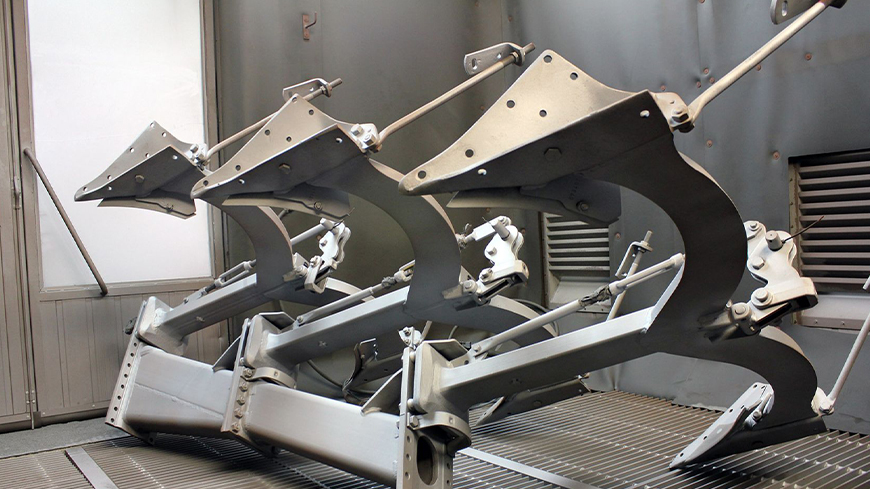
PBTC chemical is widely chosen for metal processing and surface treatment because it tackles two common problems at once: scale formation and metal ion interference. During processes like electroplating, pickling, or metal cleaning, metal ions and hardness ions can precipitate as scale, deposit onto parts, or interfere with uniform coatings. 2-Phosphonobutane-1,2,4-tricarboxylic acid (PBTC) chelates these metal ions strongly yet gently, keeping them in solution and preventing unwanted deposits on parts or equipment.
As a dispersant, PBTC helps keep fine particles and sludges suspended so they can be removed by filtration rather than redepositing on surfaces. This leads to cleaner finishes and more uniform electrochemical conditions in plating baths. PBTC’s stability under the typical pH and temperature ranges used in metalworking ensures it remains active throughout the process, giving reliable protection across long production runs.
Corrosion control is another reason PBTC excels: by binding free metal ions and modifying the chemistry of the solution, PBTC reduces localised corrosion tendencies and improves the longevity of both components and process equipment. It also tends to be compatible with common surfactants, inhibitors, and brighteners used in finishing baths, making it easier to formulate complex treatment systems. For shops and plants that require consistent surface quality, lower maintenance, and fewer rejects, PBTC chemical is a pragmatic and effective choice.
Other Applications of PBTC Chemical
Water Treatment
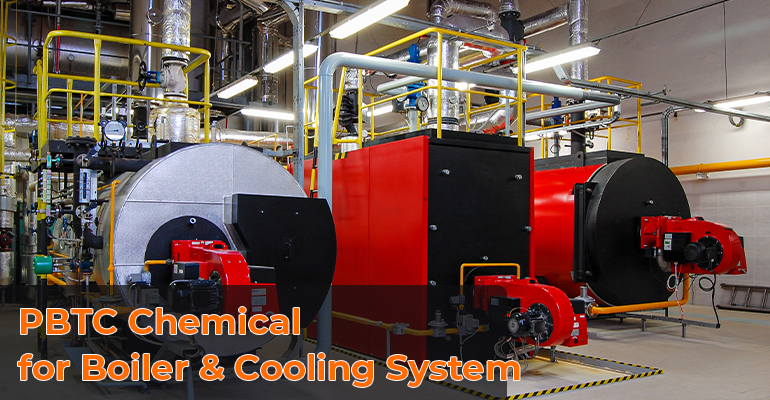
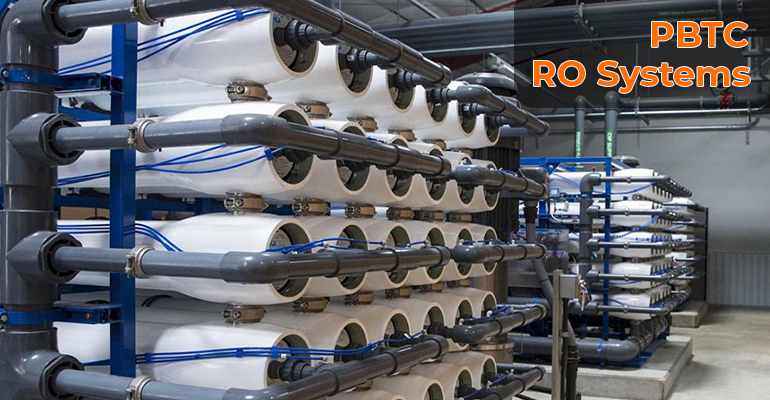
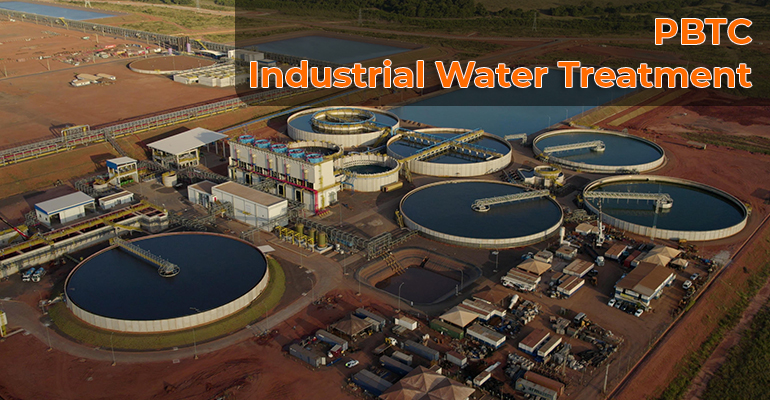
In water treatment, PBTC chemical is widely used as a scale inhibitor and metal sequestrant. It prevents calcium carbonate and other mineral scales from forming on heat exchangers, cooling towers, and boilers. By chelating hardness ions and interrupting crystal growth, PBTC helps systems run more efficiently, reducing energy loss and cleaning downtime. PBTC is effective at low dosages and remains stable in the presence of oxidants commonly used in water systems, making it a preferred choice when operators need consistent treatment with minimal side effects. Maxwell Additives supplies PBTC grades optimized for industrial and municipal water systems.
Detergents and Cleaners
In detergent and cleaner formulations, PBTC acts as a builder and metal chelator. It softens water by binding calcium and magnesium, allowing detergents to work more effectively. PBTC also helps prevent redeposition of soils onto surfaces, improving cleaning performance in laundry, industrial cleaners, and dishwashing detergents. Its stability across temperatures and pH levels makes it suitable for both household and heavy-duty cleaning applications. Formulators value PBTC because it enhances cleaning efficiency and can reduce the need for higher surfactant loads, supporting more economical and effective products.
Oil and Gas Industry
PBTC chemical finds use in certain oil and gas applications where scale and deposit control are important—such as water injection systems, produced water treatment, and scale control in pipelines and equipment. When water with hardness or high mineral content is present, PBTC helps prevent mineral scale that could restrict flow or impair heat transfer. Its ability to sequester metal ions also helps reduce corrosion-related problems. In many oilfield settings, using a robust phosphonate like PBTC can extend equipment life and reduce the frequency of mechanical cleaning operations, improving uptime and lowering operating costs.
Concrete Additive
PBTC is used as a retarding and dispersing admixture in concrete formulations. As a concrete additive, PBTC improves workability by dispersing cement particles, allowing a lower water-to-cement ratio while maintaining flow. This can lead to higher strength and better surface finish after curing. PBTC can also act as a setting retarder when extended working time is required, which benefits hot-weather concreting or long transport times. Because it reduces water demand and improves particle dispersion, PBTC contributes to stronger, more durable concrete and easier placement for contractors.
Advantages of PBTC Chemical
Advantage 1 — Excellent Scale Inhibition
One of PBTC chemical’s strongest advantages is its excellent scale inhibition. PBTC interferes with mineral crystal growth, particularly calcium carbonate and other common scale forms, preventing them from depositing on heat exchangers, boiler tubes, or process surfaces. This action keeps equipment clean and operating at designed efficiency, which saves energy and reduces maintenance. Compared with some alternatives, PBTC delivers effective protection at low dosage levels and remains active under varied pH and temperature conditions. For plants that depend on continuous heat exchange or precise fluid flow, PBTC’s scale inhibition translates directly into cost savings and fewer unplanned shutdowns.
Advantage 2 — Strong Metal Ion Sequestration
PBTC provides strong sequestration of metal ions such as calcium, magnesium, iron, and other polyvalent cations. By chelating these ions, PBTC prevents them from forming insoluble compounds that cloud solutions or deposit on surfaces. This sequestration stabilizes formulations, improves visual clarity of solutions, and keeps catalytic or plating baths performing uniformly. In treatment or formulation contexts, PBTC’s chelating strength reduces interference from trace metals, which otherwise can inactivate surfactants or catalysts. For manufacturers and process engineers, this makes PBTC a reliable tool to maintain chemical performance and extend the useful life of process baths.
Advantage 3 — Good Dispersant Properties
PBTC chemical acts as an effective dispersant for fine particles and precipitates. In systems where solids tend to agglomerate — such as cooling water, cleaning baths, or slurry processes — PBTC helps keep particles suspended so they can be filtered or removed rather than settling onto surfaces. This dispersancy reduces fouling and improves the efficiency of filtration systems. For surface finishing operations, dispersant action helps prevent particulate defects and improves the consistency of coatings. The dispersant behavior of PBTC also allows formulators to reduce the amount of other dispersing additives, simplifying formulations and often reducing cost.
Advantage 4 — Compatibility and Stability
PBTC is known for chemical stability and broad compatibility with many common treatment chemicals. It remains effective across a wide pH range and under moderate temperatures, and can tolerate oxidants often used in water treatment. Because PBTC integrates well with corrosion inhibitors, surfactants, and scale control blends, formulators can create robust treatment packages without unexpected reactions. This stability reduces the risk of sudden performance loss in the field and lowers the need for frequent re-dosing. For operations that need predictable chemical behavior over long cycles, PBTC’s stability and compatibility are valuable features.
Advantage 5 — Low Effective Dose and Cost Efficiency
PBTC provides strong performance at relatively low dosages, which improves cost efficiency. Because small quantities can deliver meaningful scale inhibition, dispersancy, and sequestration, operators can achieve desired outcomes without large chemical inventories or excessive spending. Lower dosing also reduces the amount of chemical discharged in effluent, which can make regulatory compliance easier. When paired with Maxwell Additives’ guidance on optimal dosing and monitoring, customers often find PBTC-based programs deliver better total cost of ownership compared to competing options. The combination of effectiveness, modest dosage needs, and operational savings explains why many industries prefer PBTC for ongoing maintenance.
Advantage 6 — Environmental and Handling Benefits
While PBTC is a potent chemical, many PBTC grades are easier to handle than older, more hazardous alternatives. Maxwell Additives provides clear safety and handling instructions, and modern formulations are designed to minimize corrosivity and handling risks. PBTC can reduce frequency of mechanical cleaning and chemical overuse, indirectly lowering environmental impact from heavy maintenance activities. Proper dosing and treatment can also limit sludge production. Always follow local regulations for discharge and disposal; a reputable PBTC Supplier like Maxwell Additives will supply SDS and guidance to support safe and compliant use.
Conclusion
PBTC chemical — 2-Phosphonobutane-1,2,4-tricarboxylic Acid – PBTC — is a versatile, effective solution for scale control, metal ion sequestration, dispersion, and performance stabilization across industries. Whether used in water treatment, detergents, metal finishing, oil and gas, or concrete admixtures, PBTC brings measurable benefits: reduced fouling, improved surface quality, stable formulations, and potential cost savings. Maxwell Additives PVT. LTD., acting both as a PBTC Manufacturer and a dependable PBTC Supplier, combines modern production practices, strong quality control, and helpful technical support to ensure customers receive consistent, performant products. For operations seeking predictable chemical behavior and a partner who understands application needs, Maxwell Additives is positioned to deliver both product and practical guidance.
FAQs
Q1: What is PBTC used for?
A: PBTC is used as a scale inhibitor, metal chelant, dispersant, and concrete admixture. It helps prevent mineral deposits and improves cleaning and surface treatment processes.
Q2: Is PBTC safe to handle?
A: PBTC should be handled with appropriate PPE — gloves and eye protection — and stored per the supplier’s SDS. Maxwell Additives provides safety data and handling instructions with deliveries.
Q3: How much PBTC should I use?
A: Dosage depends on application, water hardness, and operating conditions. Typical ranges vary widely; consult Maxwell Additives for trial recommendations and optimized dosing.
Q4: Can PBTC be used with oxidizing biocides?
A: Many PBTC grades are tolerant of common oxidants, but compatibility should always be tested. Maxwell Additives can advise on suitable combinations.
Q5: Does PBTC work in hard water?
A: Yes — PBTC chelates hardness ions and helps prevent their precipitation, making it effective in hard water conditions.
Q6: Is PBTC biodegradable?
A: PBTC is a phosphonate; biodegradability is limited compared with simple organic acids. Disposal and environmental impact should follow local regulations and supplier guidance.
Q7: Can PBTC improve concrete properties?
A: Yes — PBTC can act as a dispersant and retarder, improving workability and allowing lower water content for stronger cured concrete.
Q8: How does Maxwell Additives support customers?
A: They provide technical data sheets, CoAs, dosing guidance, storage instructions, and application support as part of their service as PBTC Manufacturer and PBTC Supplier.
Related Posts