Diethylene Triamine Penta Methylene Phosphonic Acid is one of the most trusted and widely…
What is DTPMPA? Uses, Advantages and Industrial Applications
Maxwell Additives Pvt. Ltd. is a well-known company in the chemical industry that specializes in manufacturing high-quality specialty chemicals used in different industrial processes. The company focuses on innovation, quality control, and reliable supply to ensure customers receive the best chemical solutions for their applications. With years of experience in chemical manufacturing, Maxwell Additives has built a strong reputation for producing effective water treatment chemicals that support industrial efficiency and equipment protection.
One of the important products offered by Maxwell Additives Pvt. Ltd. is DTPMPA chemical. This chemical plays a significant role in industrial water treatment systems, especially in boiler and cooling water systems. DTPMPA is widely used because of its excellent scale inhibition properties and strong stability under high temperatures.
Industries often face problems like scale formation, corrosion, and mineral deposits in boilers and pipelines. These issues can reduce system efficiency and increase maintenance costs. DTPMPA helps prevent these problems by controlling scale formation and maintaining water quality in industrial systems.
Because of its strong performance and reliability, DTPMPA chemical has become a preferred choice for many industries that depend on efficient boiler operations and water treatment solutions.
What is DTPMPA?
DTPMPA stands for Diethylene Triamine Penta (Methylene Phosphonic Acid). It is a highly effective chemical compound commonly used in water treatment processes. The main purpose of DTPMPA is to prevent scale formation and control metal ions in water systems.
This chemical belongs to the group of phosphonate compounds that are known for their excellent chelating properties. Chelation means the ability to bind with metal ions such as calcium, magnesium, and iron that are present in water. These metal ions often cause scaling problems in industrial equipment like boilers, pipelines, and cooling towers.
DTPMPA works effectively even under high temperature and alkaline conditions, making it suitable for challenging industrial environments. It is also known for its long-lasting stability, which ensures consistent performance in water treatment systems.
Because of these properties, DTPMPA is widely used in industries such as power plants, chemical manufacturing, textile processing, and oil refineries.
The Role of DTPMPA Chemical in Boiler System Process
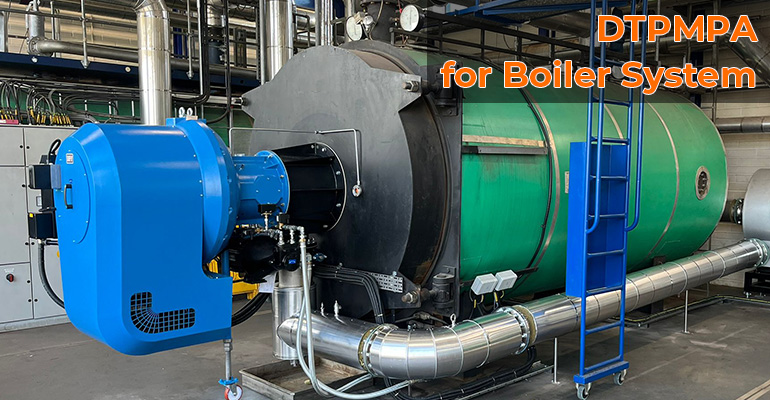
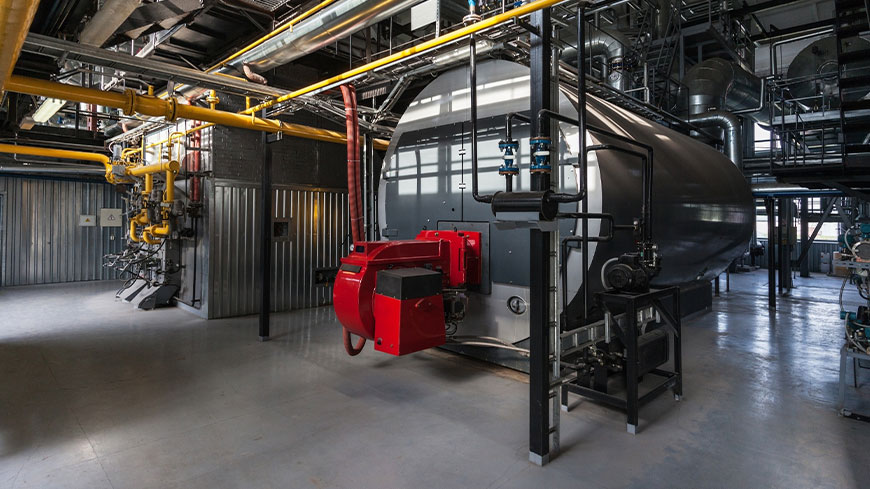
Boiler systems are essential in many industries for generating steam and heat. However, boilers often face problems caused by mineral deposits and scaling. When water containing dissolved minerals is heated inside a boiler, it can form hard scale deposits on the internal surfaces of the equipment.
These scale deposits reduce heat transfer efficiency and increase energy consumption. In severe cases, they can also cause equipment damage or system shutdowns. This is where DTPMPA chemical plays an important role in the boiler system process.
DTPMPA works as a strong scale inhibitor. It reacts with metal ions like calcium and magnesium present in the water and prevents them from forming solid scale deposits. Instead, these minerals remain suspended in the water and can be easily removed during the blowdown process.
Another important function of DTPMPA is stabilizing metal ions in high-temperature conditions. Boiler systems operate at very high temperatures, and many chemicals lose their effectiveness under such conditions. However, DTPMPA maintains its performance even in extreme environments.
By using DTPMPA in boiler systems, industries can maintain efficient heat transfer, reduce maintenance costs, and extend the lifespan of their equipment.
 Advantages of DTPMP for Boiler System Process
1. Excellent Scale Inhibition
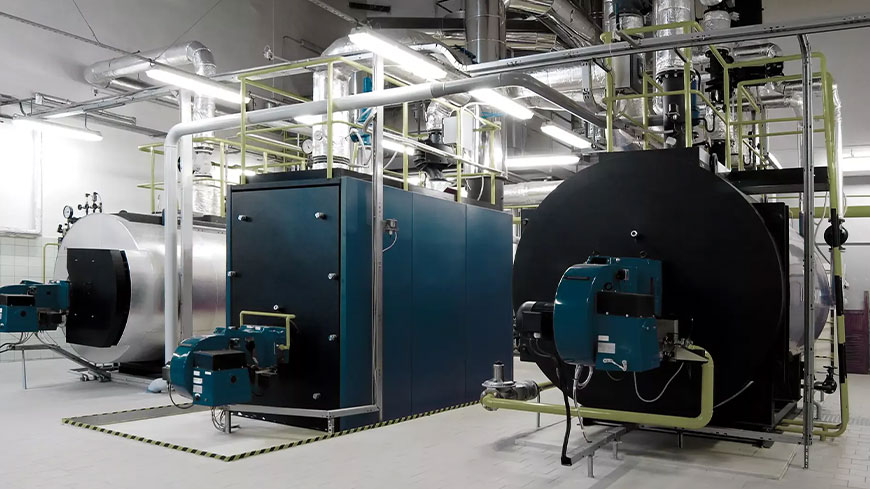
One of the major advantages of DTPMP in boiler systems is its excellent scale inhibition capability. Scale formation occurs when minerals like calcium and magnesium accumulate on the internal surfaces of boilers and heat exchangers. These deposits act as insulation layers that reduce heat transfer efficiency.
DTPMP prevents these minerals from forming hard scale deposits by binding with metal ions and keeping them dissolved in water. This process ensures that minerals remain suspended instead of settling on equipment surfaces.
As a result, boilers can operate more efficiently with better heat transfer performance. Reduced scaling also lowers energy consumption and helps industries maintain consistent production. This advantage makes DTPMP an essential component in modern boiler water treatment programs.
2. High Thermal Stability
Boiler systems operate under extreme temperature conditions. Many water treatment chemicals lose their effectiveness when exposed to high heat, but DTPMP performs exceptionally well even at elevated temperatures.
DTPMP has strong thermal stability, which means it can maintain its chemical structure and functionality even in harsh boiler environments. This allows it to continuously protect the system from scale formation without breaking down quickly.
Because of its stability, industries do not need to add excessive amounts of chemicals to maintain boiler performance. This improves operational efficiency and reduces chemical treatment costs over time.
3. Strong Metal Ion Chelation
Another key advantage of DTPMP is its strong chelating ability. Chelation is the process where a chemical binds with metal ions present in water. Industrial water often contains metal ions like iron, calcium, and magnesium.
If these ions are not controlled, they can lead to corrosion, scaling, and sludge formation in boilers. DTPMP binds with these metal ions and prevents them from reacting with other compounds that cause deposits.
This process helps maintain clean boiler surfaces and smooth water circulation throughout the system. As a result, equipment remains protected and operational efficiency improves significantly.
4. Improved Boiler Efficiency
Boiler efficiency is directly affected by the cleanliness of heat transfer surfaces. Even a small amount of scale can significantly reduce heat transfer efficiency and increase fuel consumption.
DTPMP helps maintain clean boiler surfaces by preventing mineral deposits. When the internal surfaces remain free from scaling, heat transfer becomes more efficient. This allows boilers to produce steam using less energy.
Improved efficiency not only reduces operational costs but also helps industries reduce their environmental impact by lowering fuel consumption and emissions.
5. Extended Equipment Life
Boiler systems are expensive industrial assets, and maintaining them properly is essential for long-term performance. DTPMP helps protect boiler equipment by preventing scale buildup and reducing corrosion risks.
When scale and mineral deposits accumulate inside boilers, they can cause overheating and mechanical stress. Over time, this may damage pipes, tubes, and other components.
By controlling these issues, DTPMP ensures that boiler components remain clean and protected. This leads to longer equipment life, fewer maintenance requirements, and reduced replacement costs for industries.
Applications of DTPMP Chemical
1. Industrial Water Treatment
One of the most common applications of Diethylene Triamine Penta Methylene Phosphonic Acid is in industrial water treatment systems. Many industries use large amounts of water for cooling, heating, and processing. However, untreated water often contains minerals that can cause scaling and corrosion.
DTPMP is added to water treatment systems to control these problems. It binds with metal ions and prevents them from forming harmful deposits in pipes, boilers, and cooling towers.
By maintaining water quality, DTPMP helps industries protect equipment and improve operational efficiency. It also reduces maintenance costs and ensures smooth industrial operations.
2. Cooling Water Systems
Cooling water systems are widely used in industries such as power plants, chemical factories, and manufacturing facilities. These systems help regulate temperature and maintain safe operating conditions for machinery.
However, cooling water often contains minerals and impurities that can form scale deposits inside pipelines and heat exchangers. DTPMP prevents these deposits by stabilizing metal ions in the water.
This helps maintain proper water flow and ensures efficient heat exchange. As a result, cooling systems operate more effectively and require less maintenance.
3. Oil and Gas Industry
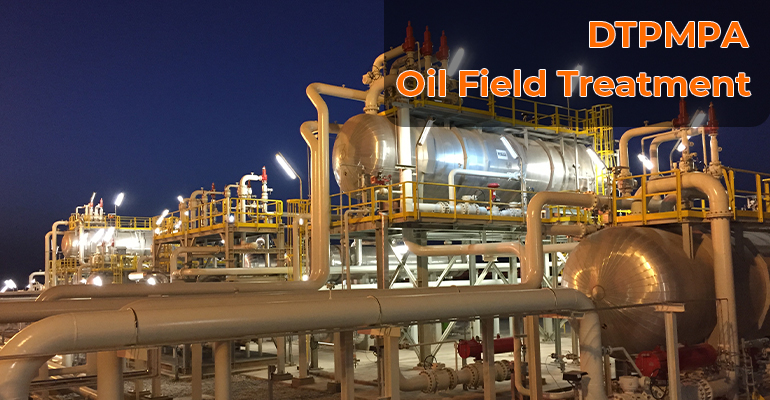
The oil and gas industry also uses DTPMP in various processes. During oil extraction and refining, water with high mineral content is often present in pipelines and equipment.
If scaling occurs, it can block pipelines and reduce operational efficiency. DTPMP helps control scale formation by binding with metal ions and preventing mineral deposits.
This improves flow efficiency and reduces the risk of equipment damage. Because of these benefits, DTPMP is widely used in oil field water treatment and pipeline maintenance.
4. Textile Industry
In the textile industry, water quality plays an important role in fabric processing and dyeing operations. Hard water containing minerals can affect dyeing results and reduce product quality.
DTPMP helps control metal ions present in water, which improves dye stability and ensures consistent textile processing results.
By preventing unwanted chemical reactions caused by metal ions, DTPMP supports better fabric quality and smoother manufacturing processes in textile plants.
5. Paper and Pulp Industry
The paper and pulp industry also relies on water treatment chemicals like DTPMP. Large volumes of water are used in pulp processing and paper manufacturing.
Mineral deposits in pipelines and machinery can cause operational problems and reduce production efficiency. DTPMP helps prevent scale formation and keeps industrial systems clean.
This ensures smooth water circulation and helps maintain consistent production quality in paper manufacturing plants.
Why Maxwell Additives is the Right Choice
Standard Manufacturing Process
Maxwell Additives Pvt. Ltd. follows a strict and standardized manufacturing process to ensure high product quality. The company uses advanced production technology and carefully selected raw materials to manufacture DTPMP chemical.
Every stage of the manufacturing process is monitored by experienced professionals to maintain consistency and purity. Quality control procedures are implemented to ensure that the final product meets industry standards and customer requirements.
The company also focuses on safety and environmental responsibility during production. By maintaining proper manufacturing practices, Maxwell Additives ensures that customers receive reliable and high-performance DTPMP chemicals.
Because of its commitment to quality and innovation, Maxwell Additives has earned the trust of many industries that depend on effective water treatment solutions.
Leading DTPMP Manufacturer
Maxwell Additives Pvt. Ltd. is recognized as a leading manufacturer of DTPMP chemical. The company has extensive experience in producing high-quality phosphonate chemicals used in industrial water treatment applications.
With modern manufacturing facilities and advanced production techniques, Maxwell Additives can deliver consistent product quality and large production capacity.
The company continuously invests in research and development to improve chemical formulations and meet evolving industrial requirements. This dedication to innovation helps Maxwell Additives stay competitive in the global chemical market.
By offering reliable products and technical expertise, Maxwell Additives supports industries in maintaining efficient water treatment systems and protecting valuable equipment.
Reliable DTPMP Supplier
In addition to manufacturing, Maxwell Additives Pvt. Ltd. is also known as a reliable supplier of DTPMP chemical. The company ensures timely delivery and consistent supply to customers across different industries.
Reliable supply is essential for industries that depend on continuous water treatment operations. Maxwell Additives maintains strong logistics and distribution networks to ensure that customers receive their chemical products without delays.
The company also provides technical support and product guidance to help customers use DTPMP effectively in their systems. This customer-focused approach has helped Maxwell Additives build long-term partnerships with many industrial clients.
Because of its reliability, product quality, and professional service, Maxwell Additives is considered a trusted partner for industries requiring high-performance water treatment chemicals.
Conclusion
DTPMPA chemical plays an important role in modern industrial water treatment systems. It helps prevent scale formation, control metal ions, and maintain the efficiency of boiler and cooling systems. Because of its strong chelating ability and high thermal stability, DTPMPA performs effectively even under challenging industrial conditions.
Industries such as power plants, oil refineries, textile factories, and paper mills rely on DTPMPA to protect equipment and improve operational efficiency. By preventing mineral deposits and maintaining clean system surfaces, this chemical helps reduce maintenance costs and extend equipment life.
Maxwell Additives Pvt. Ltd. has established itself as a trusted manufacturer and supplier of DTPMPA chemical by maintaining high production standards and delivering reliable products to industries worldwide.
FAQs
1. What is DTPMPA chemical used for?
DTPMPA is mainly used in industrial water treatment systems to prevent scale formation, control metal ions, and protect equipment like boilers, cooling towers, and pipelines from mineral deposits.
2. Why is DTPMPA important for boiler systems?
DTPMPA prevents scale buildup caused by minerals in water. This helps maintain efficient heat transfer, reduces energy consumption, and protects boiler components from damage.
3. Is DTPMPA suitable for high-temperature systems?
Yes, DTPMPA has excellent thermal stability. It remains effective even at high temperatures, making it suitable for demanding industrial environments such as boiler and cooling systems.
4. Which industries commonly use DTPMPA?
Industries such as power generation, oil and gas, textile manufacturing, paper processing, and chemical production commonly use DTPMPA for water treatment applications.
5. How does DTPMPA prevent scale formation?
DTPMPA binds with metal ions like calcium and magnesium present in water. This prevents them from forming hard mineral deposits on equipment surfaces.
6. Is DTPMPA environmentally safe?
When used properly in controlled industrial processes, DTPMPA is considered safe and effective for water treatment applications while supporting efficient system operation.
7. Why choose Maxwell Additives for DTPMPA chemical?
Maxwell Additives offers high-quality DTPMPA manufactured using advanced technology, strict quality control, and reliable supply, making it a trusted partner for industrial water treatment solutions.
Related Posts