Industrial water systems often face problems at once not just one. Mineral deposits can build up on heat-transfer surfaces. Dissolved metals can hurt how well treatment works.. When operating conditions change water chemistry becomes harder to control. 2-Phosphonobutane-1,2,4-tricarboxylic acid which is also known as PBTC is one of the specialty phosphonate-based chemicals used by industrial water treatment mixtures in order to help deal with these problems...
2-Phosphonobutane-1,2,4-Tricarboxylic Acid: Applications, Benefits and Manufacturer Guide
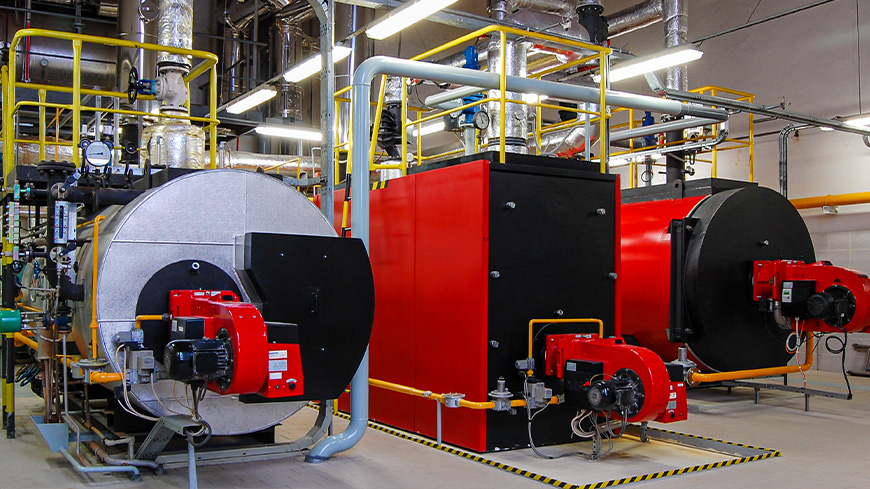
Industrial water treatment needs chemicals that work well when the water chemistry changes or when the temperature goes up or down or when the amount of minerals in the water changes or when other conditions, at the plant change. These chemicals must stay reliable no matter what the conditions are. These chemicals must adapt to shifting environments without losing effectiveness. That’s why stability and flexibility are key, in water treatment systems. 2-Phosphonobutane-1,2,4-Tricarboxylic Acid is a type of phosphonate chemical used in industrial mixtures to stop scaling and, for similar uses.
Also referred to as PBTC, or PBTC Acid this chemical features two carboxylic-acid groups within its molecular structure. This trait makes it very good for water treatment and similar purposes. It helps stop minerals from building up. It also deals with how metal parts mix with the chemicals being used. This is important, in these kinds of situations.
When buying 2-Phosphonobutane-1,2,4-Tricarboxylic Acid from a manufacturer or supplier in India the buyer should pay attention to a key things. First the quality of the product matters a lot. It should be pure and consistent. Second check if the substance works with other materials used in the process. Third good technical support, from the supplier can help solve problems. Importantly make sure the product meets the exact specifications needed for your application. This helps avoid delays and ensures the final result is right.
What Is 2-Phosphonobutane-1,2,4-Tricarboxylic Acid?
2-Phosphonobutane-1,2,4-Tricarboxylic Acid is an organophosphonic acid used as a component in specialty chemical formulations for water-treatment applications.
The molecular structure of the compound includes carboxylic acid groups, which allow for reactivity with metal ions in solution. This characteristic enables the chemical to perform in a number of water-treatment and industrial applications, where the control and prevention of mineral deposits and metal ion interactions are of concern.
PBTC is not a generic phosphonate chemical, but rather a specialty product that delivers performance benefits based on both its molecular structure and on the conditions of the formulation and environment where it is used.
The performance characteristics of the product are influenced by a number of factors, including:
- Water chemistry
- Mineral content
- Temperature
- pH
- Metal ion concentration
- Dosing levels
- Other components of the formulation
- Type of equipment where the formulation is used
The interaction between these factors determines the overall performance of the product in a given application.
How Does PBTC Work in Industrial Formulations?
The primary function of PBTC in a formulation is to prevent the formation of mineral deposits and to control the interaction between the metal ions in solution and the other components of the formulation.
Within water-treatment systems, the movement of water and the changes in its mineral content can result in the formation of mineral deposits on surfaces and within the system. This can lead to reduced efficiency of heat-transfer, flow restrictions, reduced membrane performance and other issues.
PBTC is used to inhibit scale formation and to assist with the control of mineral deposits and metal ion interactions. This enables it to be used effectively in a number of water-treatment and industrial applications.
The performance of PBTC can vary, depending on the overall formulation and environmental factors. Thus, its performance in a given application should be determined by experimentation and based on the properties of the formulation where it is used.
Why Is PBTC Used for Water Treatment?
When mineral deposits form within a water system, the operational efficiency of the equipment involved can be significantly reduced. This is of particular concern within industrial water systems, where the formation of calcium-based deposits can result in excessive energy consumption, restricted water flow and reduced efficiency of heat-transfer and other processes.
PBTC is used in water-treatment formulations, to provide scale-inhibition and related benefits to industrial water systems.
It can be considered for applications, which require the following:
- Scale-inhibition benefits within water systems
- Compatibility with other water-treatment components
- Performance in extreme environments
- Metal ion management benefits
- Corrosion-inhibition benefits
- Reliable performance within circulation systems
In addition to the general benefits of the PBTC molecule, its overall performance characteristics should always be evaluated on a case by case basis, according to the specific application.
Key Applications of 2-Phosphonobutane-1,2,4-Tricarboxylic Acid
1. Cooling Water Treatment
Cooling water systems continuously circulate water through equipment in order to remove heat from the process. As the water circulates within the system, the changes in temperature and concentration can result in the formation of mineral deposits.
PBTC can be used in cooling water treatment formulations to control scale formation and to assist in the prevention of mineral deposits within the system.
It can be used in combination with other components, such as phosphonates, polymers, corrosion inhibitors, dispersants and other agents for water-treatment applications. The specific application requirements will determine the most suitable product selection.
2. Boiler Water Treatment
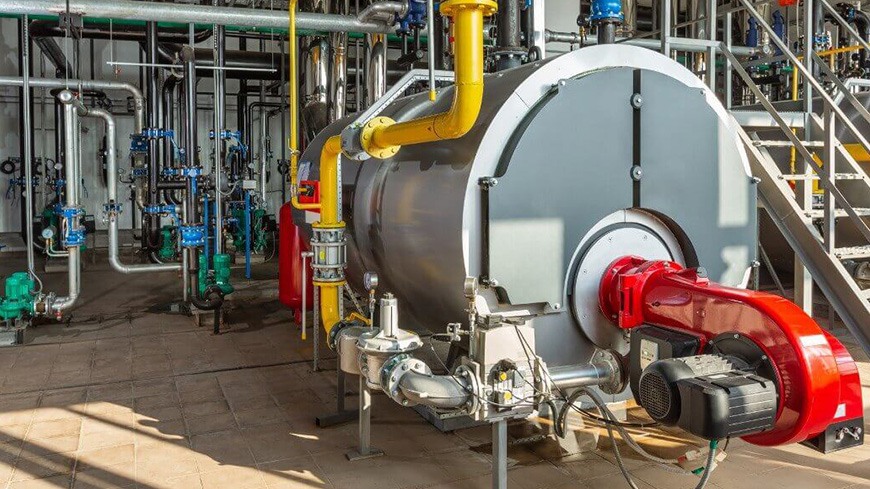
Boiler water systems operate at high temperatures and pressures, which makes mineral buildup on heat-transfer surfaces a serious concern. This results in reduced efficiency of the system, increased maintenance costs and reduced operational reliability.
PBTC can be used in boiler water treatment formulations for scale-inhibition and mineral deposit control benefits. The most suitable treatment option will depend on the design of the system, the quality of the feed-water and the overall formulation requirements.
3. Reverse Osmosis and Membrane Systems
Membrane filtration systems are particularly susceptible to mineral buildup on surfaces, which can significantly reduce the efficiency of the process. The deposits can form as a result of the high-pressure environment within the system, as well as the mineral content of the water.
PBTC can be used in membrane antiscalant formulations for water-treatment applications, which require the prevention of mineral deposits on surfaces. The selection of the chemical should be based on laboratory testing and on the overall formulation requirements for the system.
When considering RO system scale inhibition options, product selection should be based on a detailed analysis of the water chemistry, the type of membrane used, the operating recovery and other relevant factors.
4. Industrial Circulating Water Systems
A number of industrial facilities operate water-circulation systems, which require the control of mineral deposits within the system. Such systems can be prone to scale formation, which reduces the efficiency of the process.
PBTC can be used in industrial water-treatment formulations for the prevention of mineral deposits and scale formation within the system.
5. Industrial Cleaning Formulations
PBTC can also be used in a number of industrial cleaning formulations, where its reactivity with metal ions can provide benefits. This makes it a viable option for a number of cleaning applications, where the removal of mineral deposits and the reduction of undesirable interactions between metal ions and the formulation are of concern.
As with any cleaning formulation, the final selection should be based on the surface material, the cleaning environment, water quality and any other components that will be used in the formulation.
6. Metal Treatment and Corrosion-Control Formulations
A number of metal surfaces are exposed to water environments, where the chemical interactions can have a detrimental effect on the integrity of the material. PBTC can be used in a number of metal treatment and corrosion-control formulations, to provide protection benefits to the surface.
The effectiveness of the product will depend on the formulation, the type of metal surface, the environment and other relevant factors.
Benefits of Using PBTC
The benefits of using PBTC in industrial formulation applications derive from its overall performance characteristics.
Some of these benefits include the following:
- Scale control benefits within water systems
- Metal ion interaction control benefits
- Formulation compatibility
- Performance in extreme environments
- General versatility of the product
Depending on the formulation requirements, PBTC can provide a number of benefits within cooling water treatment, boiler water treatment, membrane applications, cleaning formulations and other specialty chemical systems.
What Should You Check Before Buying PBTC?
When considering the purchase of PBTC chemical, the selection should not be based on cost alone. Rather, the product should be evaluated based on its suitability for the application and formulation where it will be used. Some of the factors that should be taken into consideration prior to making the purchase include the following:
- Quality of the product
- Application requirements
- Consistency of the product
- Technical documentation
- Overall supply capabilities of the manufacturer
Depending on the product and the manufacturer, the PBTC product may need to be evaluated on a case by case basis, for its suitability within the application. Due to the complexity of the formulation requirements, the technical expertise of the manufacturer can be a determining factor in the product selection.
Choosing a PBTC Manufacturer and Supplier in India
The specialty chemical manufacturing industry in India has seen significant growth in recent years. However, product selection should not be based on cost alone, but rather on the technical and supply capabilities of the manufacturer.
A reliable manufacturer should demonstrate the following characteristics:
- Quality control procedures
- Manufacturing capabilities
- Supply chain management
- Proper documentation of the product
- Overall technical expertise
In addition to the above, a reliable manufacturer should be able to provide the necessary technical support and should have the capacity to fulfill large-volume orders, if required.
For industries that regularly purchase PBTC products, the relationship with the manufacturer is of particular importance. It determines the product quality, technical support, supply chain reliability and other key factors.
Why Choose Maxwell Additives for PBTC?
Maxwell Additives offers a range of specialty chemical products for a variety of industrial applications, including PBTC products for water-treatment and related uses.
As a PBTC Manufacturer and supplier in India, we specialize in the production and supply of high-quality specialty chemical products for a variety of industrial applications. Our company philosophy is centered around the technical and supply reliability that we provide to our customers.
Maxwell Additives offers PBTC products in our ® product range and we are dedicated to providing high-quality products for the needs of our customers in the industrial chemical sector.
When considering a PBTC manufacturer and supplier, it is important to engage directly with the manufacturer, in order to obtain the necessary product information and to clarify any questions or concerns.
Maxwell Additives prides itself on the following:
- Quality control procedures
- Specialty chemical manufacturing expertise
- Technical expertise in industrial applications
- Quality-focused production procedures
- Supply chain reliability
- Customer-focused technical support
For industries that are in need of a reliable PBTC Acid Manufacturer and supplier in India, engaging directly with a specialty chemical manufacturer can provide significant benefits.
How to Select the Right PBTC Grade
When it comes to the selection of the PBTC grade and formulation for an application, there is no one-size-fits-all solution. Due to the complexity of the application environment, the selection of the product should be based on a detailed evaluation of the application requirements.
Some of the key factors that should be taken into consideration prior to product selection include the following:
- Water analysis
- Operating conditions
- Type of equipment
- Compatibility with other formulation components
- Dosing requirements
- Supplier consistency
By taking these factors into account, the product selection can be optimized, according to the specific requirements of the application.
PBTC Versus Other Phosphonate Chemicals
As a phosphonate molecule, PBTC has certain advantages and disadvantages over other phosphonate molecules. ATMP, HEDP, PBTC and other similar molecules have different molecular structures and different performance characteristics, which makes the selection of the most suitable molecule for a given application a complex process.
Due to the differences in molecular structure, the compatibility of the molecules with other formulation components also varies. The differences in performance characteristics determine the most suitable application for each molecule.
The main factors that need to be taken into account when comparing the performance characteristics of PBTC and other phosphonate molecules include:
- Types of scale
- Water chemistry
- Temperature
- pH
- Metal ion content
- Chlorine/oxidizing conditions
- Compatibility with polymers
- Formulation performance
When considering the application requirements, a technical evaluation of the product can be performed in order to determine the most suitable option for the application.
Why Manufacturer Selection Matters
The performance of a chemical in an application is not only determined by its molecular structure, but also by the product consistency and supply reliability of the manufacturer. A manufacturer with reliable production procedures can ensure that the product will consistently deliver the required performance benefits.
For industries that regularly purchase PBTC products, the relationship with the manufacturer is of particular importance. This is due to the fact that the manufacturer will be able to provide reliable supply of the product. In addition, the relationship will enable the customer to obtain the necessary product and technical information.
This is particularly important, when the PBTC product is used as a component in a water-treatment or industrial formulation program.
Conclusion
2-Phosphonobutane-1,2,4-Tricarboxylic Acid is a versatile specialty phosphonate used in industrial formulations where scale control, mineral management, and system protection are important.
Its applications can extend across cooling-water treatment, boiler systems, RO and membrane applications, industrial cleaning, metal treatment, and other specialized formulations.
For businesses searching for a 2-Phosphonobutane-1,2,4-Tricarboxylic Acid Manufacturer and supplier in India, the selection process should go beyond price. Product consistency, manufacturing capability, technical support, documentation, application suitability, and reliable supply all play an important role.
By working with a capable specialty-chemical manufacturer such as Maxwell Additives, industrial customers can evaluate PBTC according to their specific formulation and operational requirements and develop a more reliable long-term supply relationship.
Frequently Asked Questions
1. What is 2-Phosphonobutane-1,2,4-Tricarboxylic Acid?
2-Phosphonobutane-1,2,4-Tricarboxylic Acid is an organophosphonic acid used in a variety of industrial formulation applications, particularly those involving scale inhibition, metal ion management and water treatment. It is commonly referred to as PBTC.
2. What is PBTC used for?
PBTC is commonly used in industrial formulation applications, such as water treatment, cooling water treatment, boiler water treatment, RO and membrane treatment, industrial cleaning, metal treatment and other similar applications. It is a scale-inhibiting molecule, which can be used in a variety of chemical formulations, depending on the application requirements.
3. Is PBTC a scale inhibitor?
PBTC is commonly used as a scale-inhibiting molecule in a number of water treatment applications. Its performance depends on the formulation and on the operating environment where it is used.
4. How do I choose a PBTC supplier in India?
When choosing a PBTC supplier in India, the selection should be based on the product quality, technical documentation, supply capabilities and general technical expertise of the manufacturer.
5. Who is a 2-Phosphonobutane-1,2,4-Tricarboxylic Acid Manufacturer in India?
Maxwell Additives is a specialty chemical manufacturing company, which offers a range of specialty chemical products for a variety of industrial applications, including PBTC products for water treatment applications. Customers should carefully evaluate the technical and supply capabilities of the manufacturer prior to making a product selection.
6. Can PBTC be used in RO systems?
PBTC can be used in RO and membrane antiscalant formulations, for the prevention of mineral deposits on surfaces. The selection of the appropriate chemical formulation should be based on the chemistry of the water, the type of membrane and the operating conditions of the system.
7. What is the difference between PBTC and other phosphonates?
Different phosphonate molecules have different molecular structures and performance characteristics, which makes the selection of the most suitable molecule for a given application a complex process. Due to the differences in their molecular structure, the compatibility of the molecules with other components also varies. PBTC and other phosphonate molecules, such as ATMP and HEDP, should therefore not be considered as interchangeable. The most suitable molecule for a given application should therefore be selected, based on the application requirements.
Related Posts