2-Phosphonobutane-1,2,4-tricarboxylic acid (PBTC) is one specialty phosphonate used in industrial formulations. Its combination of carboxylate functionality gives it a different chemical profile from many conventional phosphonates. Maxwell Additives identifies its commercial PBTC product as PHOSPHOMAN-333-C. Lists it under the specialty phosphonate range...
2-Phosphonobutane‑1,2,4‑tricarboxylic Acid (PBTC): How PBTC Helps Clean Water, in Factories
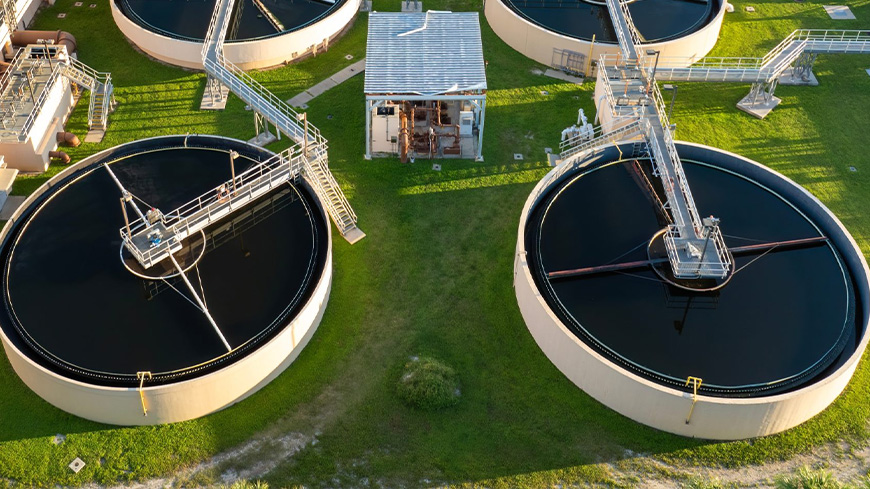
Industrial water systems often face problems at once not just one. Mineral deposits can build up on heat-transfer surfaces. Dissolved metals can hurt how well treatment works.. When operating conditions change water chemistry becomes harder to control. 2-Phosphonobutane-1,2,4-tricarboxylic acid which is also known as PBTC is one of the specialty phosphonate-based chemicals used by industrial water treatment mixtures in order to help deal with these problems.
Also known as PBTC – 2-Phosphonobutane-1,2,4-tricarboxylic acid – the chemical is prized for its ability to help control scale and manage metal ions in water-treatment situations. PBTC chemical structure consists of carboxylic acid groups, making PBTC a valuable chemical to be employed in case of the need for increased treatment chemistry.
What Is 2-Phosphonobutane-1,2,4-tricarboxylic Acid (PBTC)?
2-Phosphonobutane-1,2,4-tricarboxylic Acid, abbreviated PBTC is an organophosphorus compound that is mainly used in industrial water‑treatment mixes.
PBTC belongs to a family of phosphonate‑based chemicals. These chemicals are made to bind dissolved metal ions and stop mineral deposits from forming and growing.
In use PBTC is rarely used alone. Instead PBTC is added to a water-treatment program. The role of PBTC depends on water chemistry, operating conditions, dosage and the other chemicals in the mix.
Why Is PBTC Used in Industrial Water Treatment?
Water that moves through systems can hold calcium, magnesium, iron and other dissolved parts. When temperature, concentration or pH change some of these parts can form deposits or upset system performance.
PBTC can help in mixes because PBTC offers several functions that are useful for industrial water treatment.
1. Scale Control Support
One key role of PBTC is to help stop mineral scale from forming and growing.
Of just scraping off a deposit a well-designed program aims to reduce the conditions that let deposits form and become hard to manage.
2. Metal-Ion Management
PBTC can also bind to metal ions in water. This ability is useful when dissolved metals change how stable or effective a treatment mix is.
Metal-ion management is especially important when water quality changes while the system runs.
3. Support Under Challenging Conditions
Industrial water systems rarely run under the conditions all the time. Temperature, concentration cycles, pH and dissolved mineral levels can shift over time.
Choosing a phosphonate like PBTC therefore means looking at the operating environment, not just the chemical name or one performance point.
How Does PBTC Work in a Treatment Formulation?
PBTC’s usefulness comes from its chemical features. How it talks to dissolved species in water.
In a treatment mix PBTC can stop mineral deposits by blocking the steps that build crystals. PBTC can also help manage some metal ions.
PBTC is not a fix for every scale or corrosion issue. PBTC’s performance relies on factors such as:
- Water composition
- Levels of calcium and minerals
- pH level
- Temperature
- Operating pressure and concentration cycles
- Dose of PBTC
- Other chemicals in the mix
- Kind of equipment used
- Needed water-quality conditions
For this reason PBTC must be chosen as part of a full treatment plan.
Key Characteristics of PBTC
PBTC’s properties make PBTC for many industrial mixes.
1. Scale-Control Function
PBTC can be used in mixes that aim to stop mineral deposits and cut the chance of scale building up on equipment.
2. Phosphonate-Based Chemistry
Because PBTC is a phosphonate-based compound PBTC gives chemical features that help control dissolved minerals and metal ions.
3. Compatibility With Formulations
PBTC can be added to treatment programs with other chemicals depending on the goal and the mix needed.
4. Useful, for Industrial Water Conditions
PBTC can be used when water chemistry and operating conditions call for extra scale control or metal-management help.
5. Application-Specific Performance
PBTC’s effectiveness depends on how PBTC’s mixed how much PBTC is used and how PBTC is used in the program. The same PBTC may act differently when water chemistry or operating conditions shift.
Where Is PBTC Used?
PBTC is mainly linked to water-treatment chemistry but where PBTC is used depends on the mix and the goal.
1. Cooling Water Treatment
Cooling-water systems can build up minerals as water moves. Evaporates. This can raise the chance that scale will form.
PBTC can be added to cooling-water treatment formulas to help control scale and keep the system running
2. Industrial Water Treatment
Industrial plants often use water that contains amounts of dissolved minerals and metals. PBTC can be part of a treatment plan that is made to manage these conditions.
3. Boiler and Heat-Transfer Applications
Heat-transfer equipment can suffer from mineral deposits. These deposits can block heat transfer and raise maintenance needs.
Where suitable PBTC can join a chemical program that aims to stop deposit buildup.
4. Water Treatment Formulations
PBTC can also be mixed with phosphonates, polymers, dispersants and matching treatment chemicals depending on what the formulation wants. The final mix should be built around the water chemistry and the process needs.
PBTC Compared With Other Phosphonate-Based Chemicals
Not every phosphonate works the same. Picking a treatment chemical should not rely just on the fact that two products belong to the same chemical family.
PBTC has a structure that includes both carboxylic acid parts. This mix gives PBTC a chemical character than many other common phosphonates.
When selecting between PBTC and another treatment chemical formulators may consider:
- Scale type
- Water chemistry
- Operating temperature
- pH range
- Metal-ion concentration
- Compatibility with polymers and other additives
- Dosage requirements
- Overall treatment objectives
The correct choice therefore relies on the application not on a universal ranking of one chemical over another.
What Should You Consider Before Selecting PBTC?
Picking a PBTC chemical for a mix involves more than just checking if it is available.
1. Water Chemistry
Start with the features of the water being treated. Calcium, magnesium, iron and other dissolved parts can affect how the treatment must be done.
2. Operating Conditions
Temperature, pH, concentration cycles and equipment conditions can all influence how a treatment program works.
3. Formulation Compatibility
If PBTC is being added to an existing mix its compatibility with ingredients should be checked before it is used.
4. Dosage Requirements
The needed dose depends on the application and the water chemistry. It should be set based on the treatment goal and the operating conditions not on a fixed amount for every system.
5. Product Quality and Consistency
For use steady product quality is important. Buyers should look at product specifications how to handle it and how consistent the supplier is when evaluating a source.
Handling and Storage Considerations
Like industrial chemicals PBTC should be handled following the suppliers technical and safety documents.
Good chemical-handling practices generally include:
- Store PBTC according to the recommended storage conditions.
- Keep containers properly closed when not in use.
- Avoid exposure during handling.
- Use personal protective equipment.
- Follow the Safety Data Sheet (SDS).
- Keep PBTC away from materials where applicable.
- Ensure personnel handling PBTC understand the safety procedures.
The exact handling and storage rules should always be checked from the product documents that come with the grade.
Choosing a PBTC Chemical Supplier
The supplier you pick can affect more than buying convenience. For mixes steady supply and clear technical communication are key parts of getting chemicals.
When evaluating a supplier consider:
- Product consistency
- documentation
- Packaging options
- Batch-to-batch quality
- Application support
- Supply capability
- Communication and response time
- Understanding of water-treatment needs
A supplier that can clearly explain product specifications and how to use it can make it easier for formulators and treatment experts to evaluate chemicals.
Why Choose Maxwell Additives for PBTC?
Maxwell Additives focuses on specialty chemicals for water-treatment work. For clients looking at PBTC the focus should be on knowing the intended use and matching PBTC to the mix needs.
As a PBTC manufacturer and supplier Maxwell Additives can support customers who need specialty chemical solutions for work.
The real value of working with a chemical supplier is not having the product. Steady product quality, clear technical data and application-focused communication are also important when PBTC becomes part of a long-term industrial treatment program.
A Practical Approach to Evaluating PBTC
Before putting PBTC into a mix it helps to follow a clear evaluation process.
Step 1: Understand the Water
Look at the features of the water including mineral levels, metal concentration and pH.
Step 2: Define the Treatment Objective
Decide if the main need is scale control, metal-ion management or support, inside a larger treatment mix.
Step 3: Review Operating Conditions
Consider temperature, concentration cycles, circulation conditions and other factors that may affect performance.
Step 4: Check Formulation Compatibility
If PBTC will be combined with chemicals evaluate compatibility and formulation stability.
Step 5: Evaluate Product Quality
Review product specifications and technical documentation from the supplier.
Step 6: Monitor Performance
After implementation monitor the treatment program. Adjust the formulation or dosage when operating conditions change.
Conclusion
2-Phosphonobutane-1,2,4-tricarboxylic acid (PBTC) is a specialty phosphonate-based chemical with applications in water-treatment formulations. Its combination of carboxylic acid functionality makes PBTC relevant for scale-control and metal-management applications where water chemistry can vary.
The performance of PBTC depends on more than the chemical itself. Water composition, operating conditions, formulation compatibility and dosage all influence the treatment result.
For businesses sourcing PBTC evaluating product consistency, technical information and supplier support can be just as important as the chemicals properties. A well-matched treatment formulation can help address the challenges of an industrial water system more effectively.
Frequently Asked Questions About PBTC
1. What is PBTC?
PBTC stands for 2-Phosphonobutane-1,2,4-tricarboxylic acid. PBTC is a phosphonate-based specialty chemical commonly used in water-treatment formulations.
2. What is 2-Phosphonobutane-1,2,4-tricarboxylic acid used for?
It can be used in formulations for scale-control and metal-ion management particularly as part of water-treatment programs.
3. What is PBTC chemical?
PBTC chemical refers to 2-Phosphonobutane-1,2,4-tricarboxylic acid, a specialty phosphonate used in water-treatment chemistry.
4. Is PBTC used for treatment?
Yes. PBTC can be incorporated into treatment formulations where scale control and mineral management are required.
5. Can PBTC be combined with water-treatment chemicals?
Depending on the formulation PBTC can be used alongside treatment chemicals. Compatibility should be evaluated for the formulation.
6. What factors affect PBTC performance?
Water chemistry, pH, temperature, mineral concentration, metal-ion levels, dosage and the presence of treatment chemicals can influence PBTC performance.
7. How should PBTC be stored?
PBTC should be stored according to the product suppliers safety documentation. The specific storage conditions depend on the supplied product grade and form.
8. How do I choose a PBTC supplier?
Consider product consistency, technical documentation, supply capability, packaging, communication and the suppliers understanding of applications.
9. Can PBTC be used in water-treatment formulations?
Yes. PBTC is used as part of water-treatment formulations where PBTCs scale-control and metal-management properties are relevant to the treatment objective.
10. Why is supplier quality important, for PBTC?
Consistent product quality is important when PBTC is used repeatedly in a formulation. Reliable specifications and technical documentation can help support treatment performance.
Related Posts