skip to Main Content
PBTC

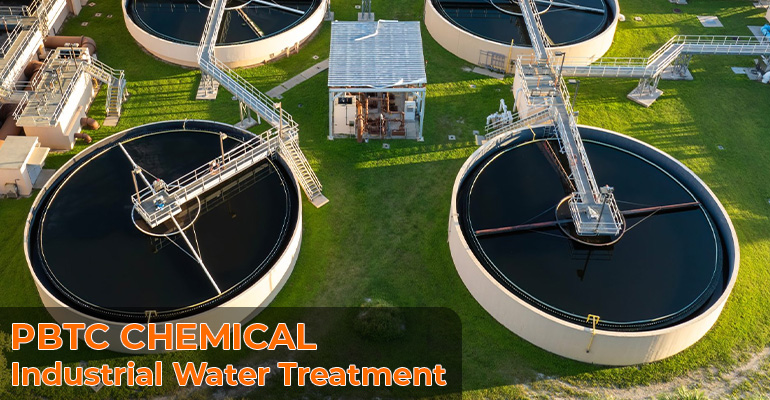
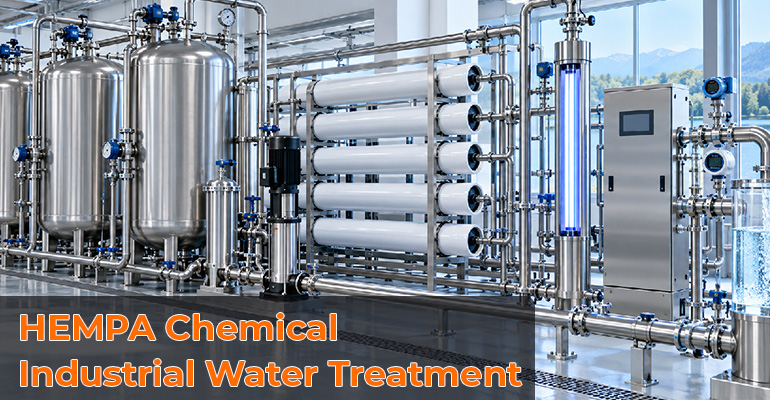
Industrial Water Systems and PBTC Chemical

Industrial water systems need chemical management to work properly. Changes in minerals can mess with how the system runs. Shifts in water chemistry can slow down heat transfer. Corrosion can make the equipment wear out faster. These are all factors that lead to the need for increased maintenance. Maintaining constant water chemistry makes the process easier. Increased maintenance decreases the chances of malfunctions. Good chemical management means downtime. It keeps the system lasting. This is why it’s important to watch the water...
Read More→

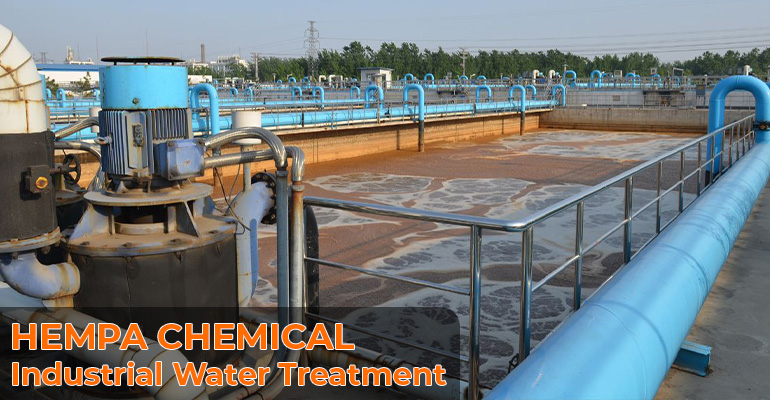
HEMPA Chemical Manufacturer and Supplier: Industrial Applications, Benefits and Selection Guide

HEMPA, which stands for Hydroxyethylamino‑Bis Methylene Phosphonic Acid, represents an organophosphonate that can be applied in formulations that entail metal‑ion management and mineral deposit control. The product’s qualities can be beneficial in various industrial applications, such as water treatment cleaning formulations, metal treatment and other specialty chemical treatments. I find the treatment qualities of HEMPA to be of value...
Read More→
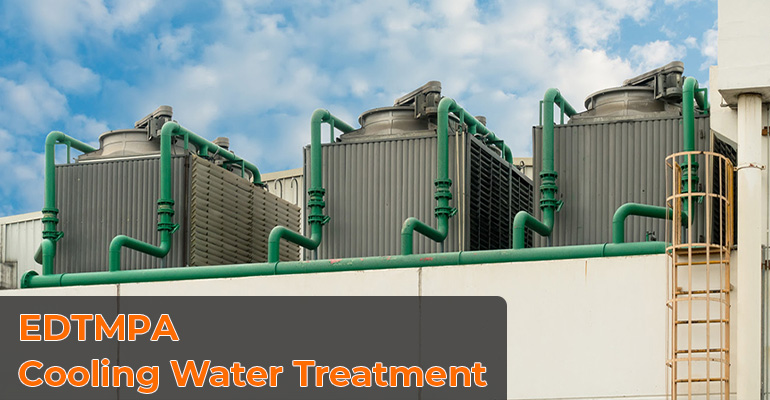
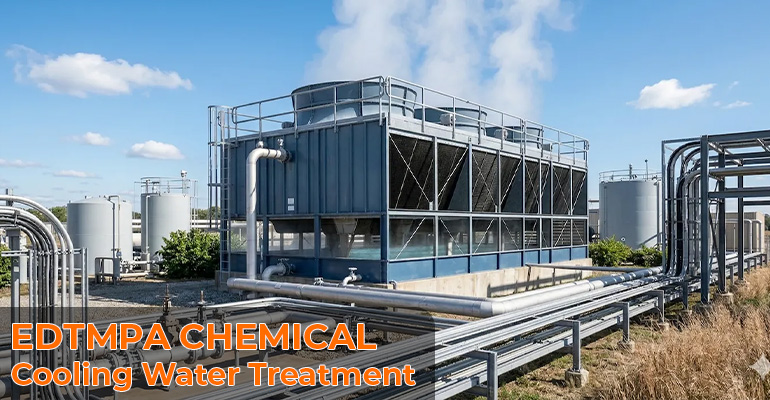
Edtmpa

EDTMPA. Supplier: Industrial Applications, Benefits and Product Selection

I have found that EDTMPA, which stands for ethylenediamine tetra(methylene phosphonic) acid, is an active chemical used in industrial formulations for scale inhibition and metal ion control. In this case, the operating conditions, product grade, and additional ingredients are of extreme importance. Thus, an EDTMPA supplier, manufacturer, or chemical supplier can help buyers by providing information on product properties and technical specifications...
Read More→
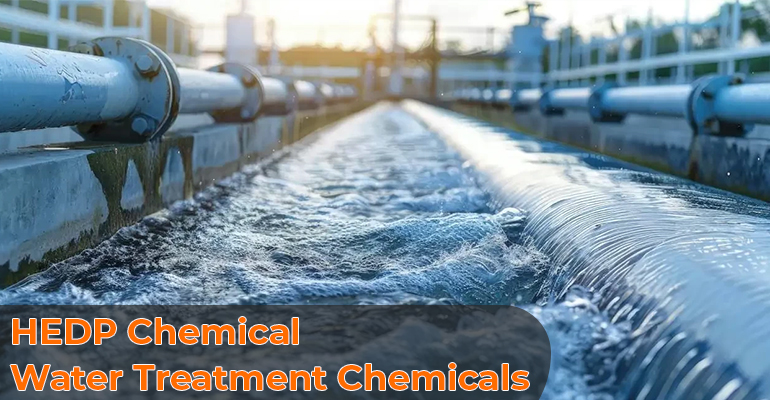
HEDP

HEDP Supplier in India: Applications, Benefits and Choosing the Right Manufacturer

Issues associated with the industrial water system are deposition of minerals, scaling, and metallic ions. These issues lower heat exchange efficiency and damage equipment performance. Industrial water systems often have problems, such, as scale build-up, mineral deposits and metallic ions. These issues lower heat exchange efficiency and damage equipment performance. The use of water‑treatment chemicals is an effective solution to tackle these problems. HEDP (1‑Hydroxy Ethylidene‑1,1‑Diphosphonic Acid) is a chemical that helps in controlling scale and metal ions in specific applications...
Read More→
HEMPA

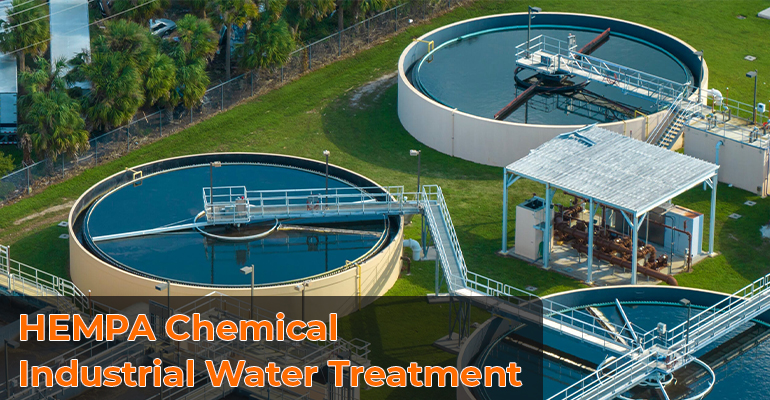
Hydroxyethylamino-Bis Methylene Phosphonic Acid – HEMPA

Hydroxyethylamino-Bis Methylene Phosphonic Acid or HEMPA is a chemical used in formulations to prevent scaling manage metal ions and prevent deposits in processes. The acid works by chelating dissolved cations such as calcium and magnesium. This means it binds to these metal ions and keeps them from forming buildup in systems. HEMPA is especially useful in water treatment and cooling systems where scaling can cause serious problems. It improves the efficiency of equipment. Reduces maintenance needs. Its ability to hold onto metal ions makes it a reliable choice, in chemical applications. Its mode of action makes it appropriate for use in systems, to deposits that may affect performance or equipment integrity...
Read More→
PBTC Chemical

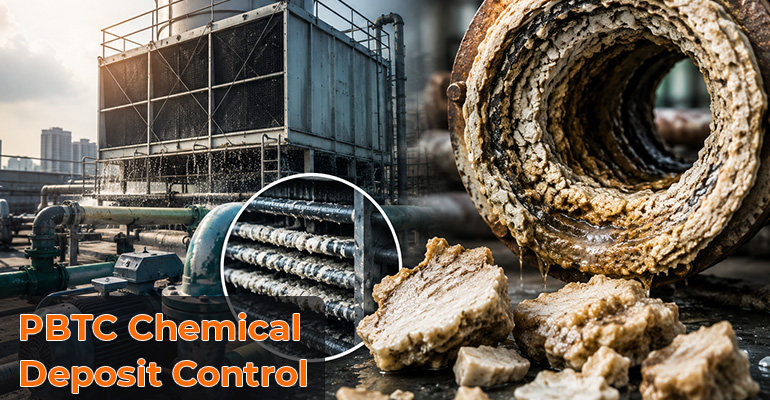
2-Phosphonobutane‑1,2,4‑tricarboxylic Acid (PBTC): How PBTC Helps Clean Water, in Factories

Industrial water systems often face problems at once not just one. Mineral deposits can build up on heat-transfer surfaces. Dissolved metals can hurt how well treatment works.. When operating conditions change water chemistry becomes harder to control. 2-Phosphonobutane-1,2,4-tricarboxylic acid which is also known as PBTC is one of the specialty phosphonate-based chemicals used by industrial water treatment mixtures in order to help deal with these problems...
Read More→
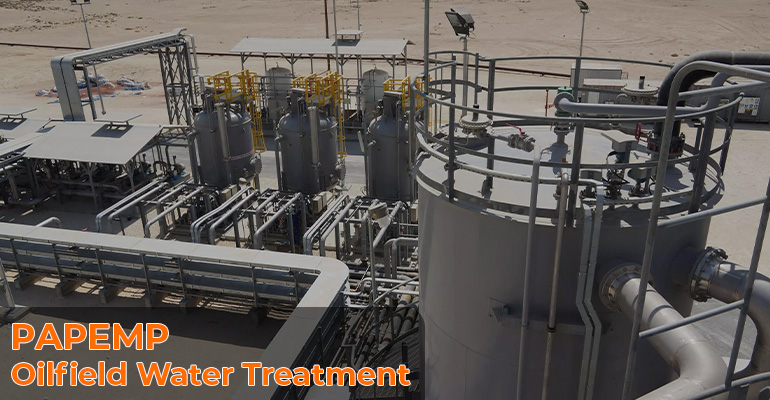
PAPEMP

The Role of Polyamino Polyether Methylene Phosphonic Acid in High-Performance Scale Management

PAPEMP is known as Polyamino Polyether Methylene Phosphonic Acid, is an organic phosphonic acid sold under the brand name PHOSPHOMAN-230. It offers a wide range of useful properties, including metal sequestration, particle dispersion, and long-lasting corrosion protection. This makes it a strong choice for keeping calcium, magnesium, strontium, barium, and silicates from forming solid deposits in demanding plant conditions...
Read More→
Back To Top