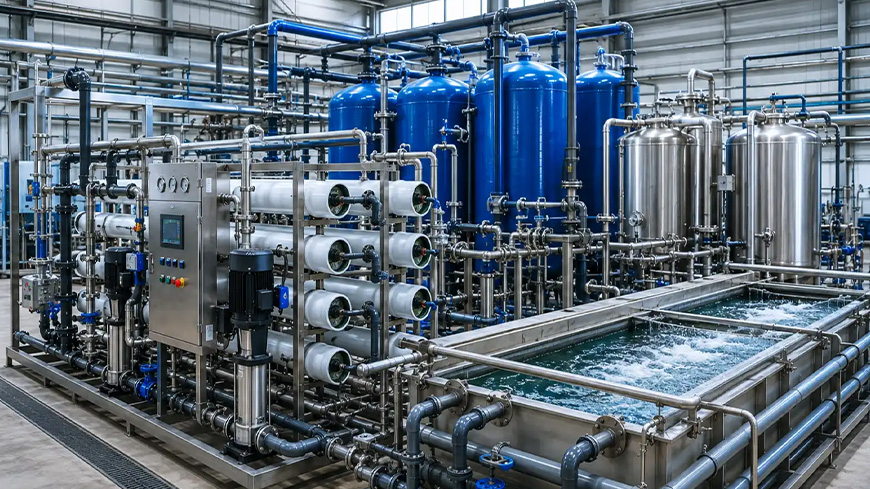
DETA Phosphonate can help control metal ion issues. This is a scale inhibitor. Can help industries maintain good equipment and improve processes...
Antiscalant & Corrosion Inhibitor for Industrial Water Systems
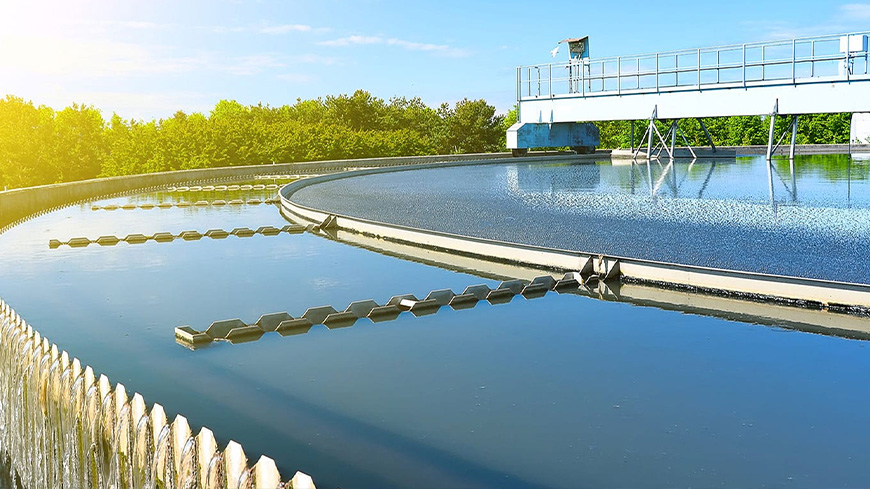
Corrosion inhibitors or antiscalants or both can be used to solve this problem. Right chemicals can help to improve performance.
What Is an Antiscalant & Corrosion Inhibitor?
The main purpose of the anti-scalant is to reduce the scaling and corrosion of a water system.
For reducing the scaling anti-scalant is used. For reducing the reactions that lead to corrosion corrosion inhibitor is used.
Anti-scalant and corrosion inhibitor are used in the process water, boiler water and cooling water.
Each water treatment chemicals will have some -scalant and corrosion inhibitors based on the water chemistry, temperature, pH level, material type and chemical concentration.
How do corrosion inhibitors work?
Scaling can be a problem and corrosion can be a problem in water systems.
Scale can be caused by minerals and metals can cause corrosion.
Corrosion inhibitors are used to stop metal surfaces from rusting. They will slow down the rate of corrosion.
These can be used in combinations. They help to protect water chemistry.
Key features of corrosion inhibitors:
- Stop metals from reacting with elements.
- Reduce corrosion.
- Others will make a layer of protection on a piece of metal.
- Help with maintenance.
The best mix depends on the type of metal, working environment and water quality.
Why are anti-scalant and corrosion inhibitors important in water treatment?
Because water systems usually work in extreme conditions, which are hot and under high pressure the service water can be very corrosive and scale forming.
Using the type of anti-scalant and corrosion inhibitors will benefit the industry.
Better control of scaling.
Scalings may also cause issues in water systems. It is a reason for equipment failure.
The mineral deposits can be in the form of calcium carbonate and calcium phosphate.
Anti-scalants will help with the scale build up and lead to operation.
Corrosion control.
May happen in pipe work pumps and heat exchangers, etc.
Corrosion Inhibitors are chemicals that will stop or slow down a corrosion by chemical reaction.
This helps to stop damage to the equipment and reduce cleaning, repairs and replacements.
Increased heat transfer.
Scaling forms on heat exchange surfaces. These may be very small. They can still cause problems.
Anti-scalants will help to reduce scaling.
Corrosion inhibitors will protect metal surfaces stopping waste and increasing heat transfer.
Reduced maintenance.
Cleaning, repairs and replacements happen because of scaling and corrosion.
The chemicals will stop it.
Testing and maintenance of the system is needed.
Enhanced water re-use.
Industries can reuse the water.
To reuse the water, anti-scalants and corrosion inhibitors can be used.
The right product should be used.
Improved reliability.
Your old equipment will be cleaner.
The presence of scale and corrosion can be kept low.
Types of Antiscalants chemicals
Which type is best will depend on the application, water chemistry and the scale of the problem.
Some of the common include:
Phosphonate anti-scalant
No matter what you do most water treatments will contain phosphonates.
These will stop the formation of crystals and the build up in your system.
Such as:
- HEDP
- ATMP
- DTPMPA
- HMDTMPA.
Polymer based anti-scalants
There are polymers that will help in reducing mineral build up.
Typical polymers include acrylic, maleic and some copolymers.
These are effective to degrees in scale inhibition, crystal modification and dispersion depending on the product.
Specialist anti-scalant blends
In some processes you will need to make up a blend in order to control the type of scale.
Blends are made up of phosphonates, polymers and other chemicals.
The blend will depend on the water and conditions.
Different Kinds of corrosion inhibitors
The inhibitor you need will be based on the water needs and chemical makeup and metal.
Here are some common ones.
Phosphate based corrosion inhibitors
These can be added to water to reduce corrosion.
They may also be capable of forming a film.
The effectiveness depends on water chemistry and amount.
Molybdate based corrosion inhibitors
Can be added to a water treatment.
If they will help in controlling corrosion.
This is influenced by the treatment needs and costs.
Corrosion Inhibitors based on azole
If they are used with copper and copper alloys are often used.
Benzotriazole and tolyltriazole are the terms for this.
They are found in cooling water and mixtures.
Specialist corrosion inhibitor mixes
These are mixes that are made to match the water conditions or protect metals.
Compatibility should be checked.
Applications of antiscalant and corrosion inhibitor chemicals
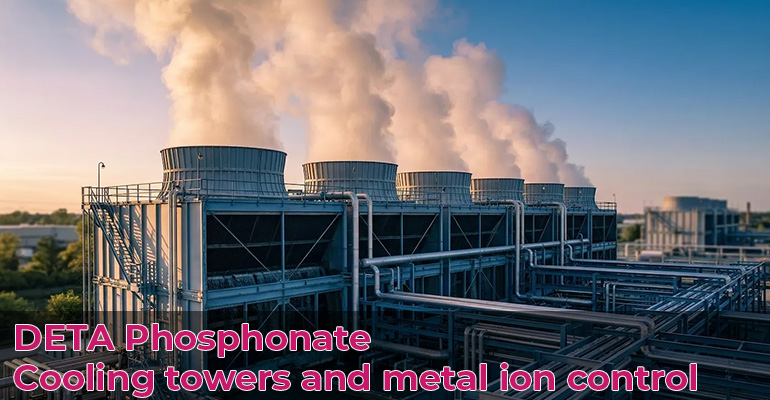
Cooling tower water treatment
Cooling towers are used in manufacturing factories, chemical and power stations.
As water is cooled and loses its composition minerals will remain dissolved.
This can lead to corrosion.
A mix of corrosion and anti-scaling chemicals can be used with dispersant polymers and biocides to stop biofilm.
Boiler water treatment
Controlling water chemistry is very important in boilers.
Scale, deposits and sludge can lower heat transfer efficiency.
Corrosion can damage boiler and related equipment.
Scale and corrosion control can help to lower the risk of boiler damage.
The best mix of chemicals will depend on boiler pressure, temperature, water quality and use.
Heat exchanger systems
Heat exchangers move heat between fluids.
Build up can happen which affects efficiency.
Corrosion can cause pits on the surface.
The use of treatment chemicals can reduce the build up.
Chemical manufacturing industry
For cooling, heating, cleaning and production.
Water may have scales and corrosive minerals.
If so it is usually added -scalants and corrosion inhibitors.
Power generation plants
Scaling and corrosion can damage the cooling water.
Suitable chemicals can help to keep the plant working.
Oil and gas sector
Specialist corrosion inhibitors are used.
The choice of dosing chemical will be based on the water characteristics, environment and materials.
Osmosis water treatment
This is the use of membranes to stop solids from water.
Minerals may have the potential to cause scaling.
This may also affect the operation of the membrane.
Will be added to control scale formation.
The feed water may not need to include corrosion inhibitors check the compatibility with the membrane system.
What is the difference between Antiscalant and corrosion inhibitors?
Anti-scalant, from minerals.
Corrosion. Rust, used on a metal surface.
In the water treatment.
Conclusion
Chemical pretreatments, including antiscalant and corrosion inhibitors can be used to reduce the build up of rust and scale in heating and cooling systems, boilers, manufacturing processes and other industrial waters.
They can help to protect your equipment such as cooling towers, heat exchangers and boilers.
Proper treatment will depend on factors like water chemistry, material used temperature of operation and amount of chemicals.
The need for dilution.
Check water quality for results.
Working with a chemical business can help companies choose the best items for their water treatment.
Are you familiar, with these water treatment chemicals antiscalant and corrosion inhibitor?
Look at our water treatment chemicals! Contact us. We will find the most suitable water treatment chemical to fit your needs.
FAQs
1. In which applications can you find -scalants and corrosion inhibitors?
You will often find water used in power plant cooling towers, manufacturing chemicals, certain boiler systems, oil and gas and other industrial uses.
2. Is it possible to combine them?
Yes many water treatment products will have both.
They do need to be compatible.
The conditions must be right.
3. What chemicals are anti-scalants?
The majority of the anti-scalants will be phosphate based and phosphonic acid or phosphorus based.
This would include HEDP, ATMP, DTPMPA some acrylics and specialist polymers.
4. How do anti-scalants and corrosion inhibitors function?
Other things to consider are water hardness, PH, temperature, dissolved minerals, oxygen, chemicals usage and incompatibility.
5. Who are at risk from manufacturers of anti-scalant and corrosion inhibitor?
Power, chemical, oil & gas and manufacturing will need these.
Ask for water treatment details.
See product datasheets, assumptions, chemical blends and support from providers.
Try out testing to see if this blend will be right for you.
Related Posts