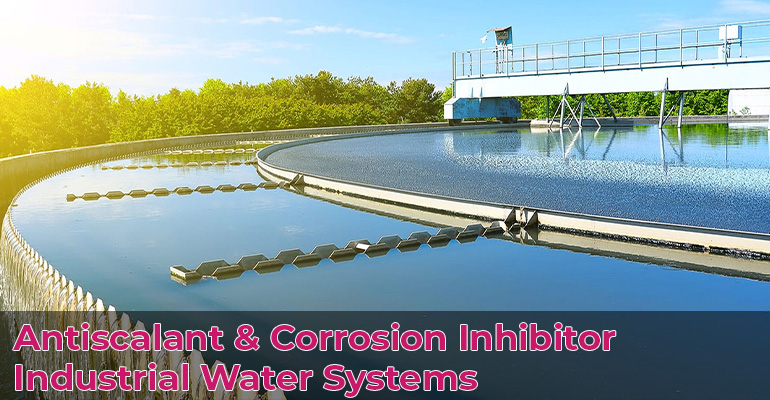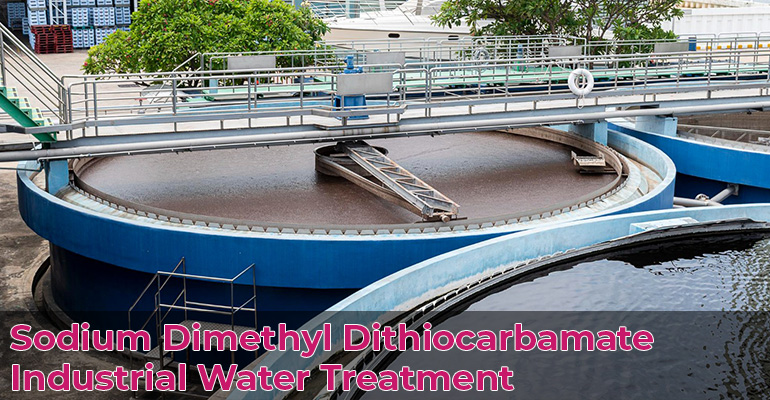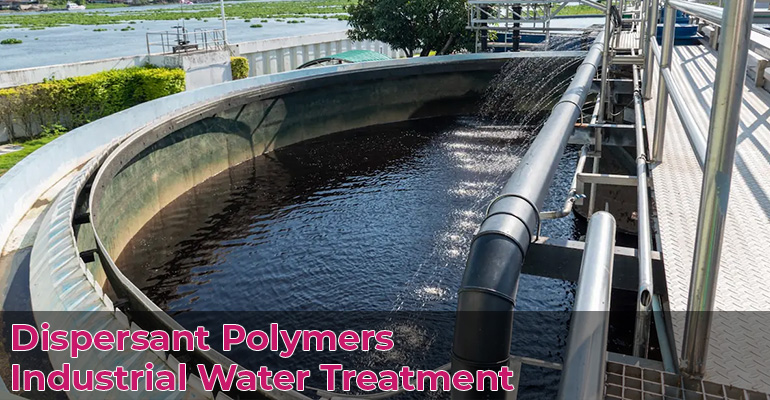
Corrosion inhibitors or antiscalants or both can be used to solve this problem. Right chemicals can help to improve performance...
DETA Phosphonate: Benefits and Uses in Industrial Water Treatment

DETA Phosphonate can help control metal ion issues. This is a scale inhibitor. Can help industries maintain good equipment and improve processes.
What is DETA Phosphonate?
DETA Phosphonate is a chemical produced using Diethylenetriamine (DETA). There are several variations in this family including Diethylenetriamine Penta(Methylene Phosphonic Acid) (DTPMPA). They contain chelating agents to prevent build up.
Can be used in cooling water cleaning and many other industrial applications. The outcome will depend on the water chemistry, temperature, pH, concentration and treatment.
How does it work?
DETA Phosphonate chelates dirt, metals and minerals. In water there is usually calcium, magnesium and metal ions. DETA Phosphonate can help control build up.
Key Features:
- Scale Inhibitor – Prevents scaling.
- Metal Chelating – Chelates metal ions.
- Crystal Inhibitor – Prevents crystal formation.
- Mineral Deposition Control – Limits deposition of certain minerals.
- Compatible with polymers and other water treatment chemicals.
Why is DETA Phosphonate Important?
Sometimes water can cause issues due to build up of minerals. This can cause issues with equipment and increase costs. DETA Phosphonate can be used in water treatments to combat this issue.
Improved Scale Control
Scale can be an issue in water systems. Calcium carbonate and other minerals can build up in piping, heat exchangers etc. DETA Phosphonate can help control this. Limit mineral build up.
Improved Heat Transfer
Scale forming on the tube wall effect the heat transfer surface. DETA Phosphonate can help limit scale forming on the heat transfer surface.
Less Maintenance
Chemicals may need to be used to remove scale. DETA Phosphonate can help but will require constant monitoring.
Improved Water Recycling
Industries will recycle water after treatment. Minerals can build up so Deta Phosphonate helps keep this in check. If the treatment is targeted towards this then it will be very effective.
Improved Reliability
Helps maintain good scale control. DETA Phosphonate can be used alongside dispersant polymers, corrosion inhibitors and other chemicals.
Key Industrial Applications
DETA Phosphonate can be used in products to help provide scale and metal ion control.
Cooling Tower Water Treatment
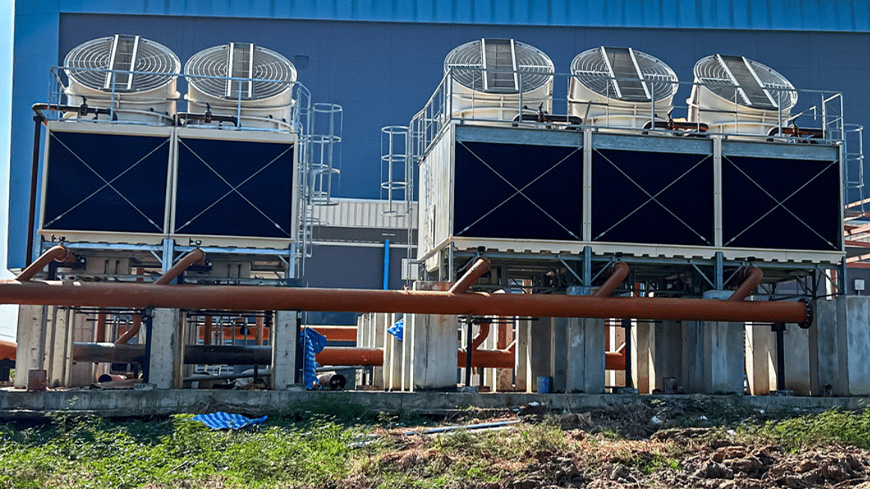
Used in cooling tower water treatment. This is a common application in plants, power plants and factories. Water evaporates leaving high mineral content. DETA Phosphonate can be added to some cooling water treatments. This will help control scale along with dispersant polymers and corrosion inhibitors.
Industrial Boiler Water Treatment
Industrial boiler water treatments require high water chemistry. Scaling can be an issue. If using boiler treatments DETA Phosphonate can be added. Not suitable for all boilers. This depends on pressure, temperature and water chemistry.
Heat Exchanger Systems
Scaling can occur on the heat transfer surface of heat exchangers. DETA Phosphonate can be added to the water.
Chemical Manufacturing Sector
Chemical plants will use water in processes and cooling. May contain minerals and metal ions. DETA Phosphonate can be added to some products to prevent build up and metal ion build up.
Oil & Gas Industry
Scaling can occur in water systems. Some oilfield applications use phosphonate scale inhibitors. This may be an option depending on the chemistry. Would need to test.
Industrial Cleaning Products
Some products and chemicals can help control metal ions. DETA Phosphonate can be used in cleaning products. Don’t overuse.
Key Features
It is useful to know the key features.
Metal Ion Control
Contains ions. Chelating groups are selective. Used when dealing with dissolved metals.
Scale Inhibition
Can be effective at preventing crystal forming. May be effective depending on type of scale and conditions.
Phosphonate Groups
Helps chemicals form chelates with minerals and metal ions.
Compatibility
May be compatible with some water treatment polymers and chemicals. Ensure compatibility.
Efficacy
Depends on pH, temperature, water hardness and other chemical factors. Testing is required to see what type of DETA Phosphonate can be used.
DETA Phosphonate and Other Phosphonates
Water treatments use chemicals known as phosphonates. DETA Phosphonate and other phosphonates have different characteristics and their efficacies depend on the chemistry.
DETA Phosphonate
DETA based phosphonates (DTPMPA) are favoured for applications requiring scale, corrosion and metal ion control.
HEDP
HEDP is a phosphonate used in water treatment. Can be used to control scaling. May help to reduce corrosion.
ATMP
ATMP is another phosphonate used for scale control. Application can be affected by water chemistry.
HMDTMPA
Used in some types of water treatment. Take a look at the composition and potency of HMDTMPA. Can be used in some water remedies such as DETA based phosphonates.
Depending on the type of scales, conditions and formula this will vary. DETA Phosphonate may not be guaranteed to be effective.
Selecting the correct DETA Phosphonate
It is important to know what application and water treatment requirements are required. These will vary between industries. Different concentrations and types.
Water Quality
First take a look at the water quality.
- Hardness
- pH Level
- Calcium and Magnesium
- Alkalinity
- TDS
- Temperature
- Type of Scale
This will determine what chemical to use.
Concentration
Products come in a variety of concentrations. Refer to product specifications.
Correct Concentration
It is important to use the correct concentration of DETA Phosphonate. If not enough is used scaling will occur. If too much is used then operating costs will increase and issues may become worse. The correct concentration:
Chemical Compatibility
Water treatments may contain chemicals. Know how they will affect dispersant polymers, corrosion inhibitors, biocides and other agents.
Good Supplier
Does the supplier manufacture the product? Do they provide technical data? Take a look at the quality of the product. Can they provide control and advice?
Benefits
If the correct product is selected then using DETA Phosphonate can be beneficial. Main benefits:
- Helps control build up.
- Helps surfaces for heat transfer.
- Reduces maintenance due to scaling.
- Helps control specific dissolved metals.
- Helps with cooling water treatment.
- May be used during treatments.
- Helps manage the deposit.
- Helps ensure consistency in water treatment.
Benefits will depend on formula, concentration, grade and water conditions.
Factors Affecting Efficacy
There are some factors that may affect DETA Phosphonate.
Water Hardness
Calcium and magnesium ions in the water can cause scaling. Depending on the level of hardness different treatments will be required.
Temperature
Affects solubility of minerals.
More deposits will occur at higher temperatures.
The pH of the water will affect how the minerals behave. Consider how DETA Phosphonate will behave in your range.
Concentration
Use the correct concentration.
Consider the water chemistry and type of scale.
Other Chemicals
Other chemicals such as polymers and corrosion inhibitors can affect efficacy. Carry out compatibility testing to avoid any issues.
Why is DETA Phosphonate Important in water treatment today?
Industries want to save water and reduce maintenance on equipment. Chemicals can help equipment self manage.
May be added as a supplement in applications. DETA Phosphonate can help with -scale and metal ion control.
Can help control mineral build up in treatments. Can be used in blends, polymers and chemicals.
As long as the correct chemical is selected and correct treatment conditions are used then DETA Phosphonate will be successful.
Know the differences and benefits of DETA Phosphonate will allow water treatment formulators and customers to use where it will benefit the most.
Conclusion
Due to the chelating of metal ions and combating scale formation DETA Phosphonate may be used in cooling water heat exchangers and other industrial applications. The formulation of the DETA Phosphonate will be key to maximising the efficacy of the water treatment programmes.
Examples include water chemistry, environmental factors, grade and concentration.
Work with the manufacturer/supplier to find the DETA Phosphonate product.
Need DETA Phosphonate for water treatment? Take a look at our product line by clicking here. Get in touch with our experts to find the right DETA Phosphonate product for your application.
FAQs
1. What is DETA Phosphonate used for?
DETA Phosphonate is used as a scale inhibitor. Helps manage metal ions in water treatments. Should be added to a set chemical blend in cooling water treatments.
2. What does DETA Phosphonate mean?
DETA DTPMPA DETA means Diethylenetriamine. DTPMPA means phosphate diethylenetriamine penta(methen acid).
3. How does DETA Phosphonate work?
Chelates metal ions. Prevents crystal growth. Helps control scale under conditions.
4. Is DETA Phosphonate a scale inhibitor?
Yes. DETA based phosphonates e.g DTPMPA are scale inhibitors.
5. What Industries use DETA Phosphonate?
Can be used in all cooling water treatments, chemical production, certain oil and gas applications, industrial cleaners and more.
6. What factors would affect DETA Phosphonate?
Consider environmental factors. Water hardness, pH, temperature, mineral concentration, DETA Phosphonate concentration and chemical compatibility.
7. How can industries select a DETA Phosphonate manufacturer?
Consider the product specifications, quality, technical data, compatibility and support. Testing can be done to find out if the DETA Phosphonate product requires treatment.
Related Posts