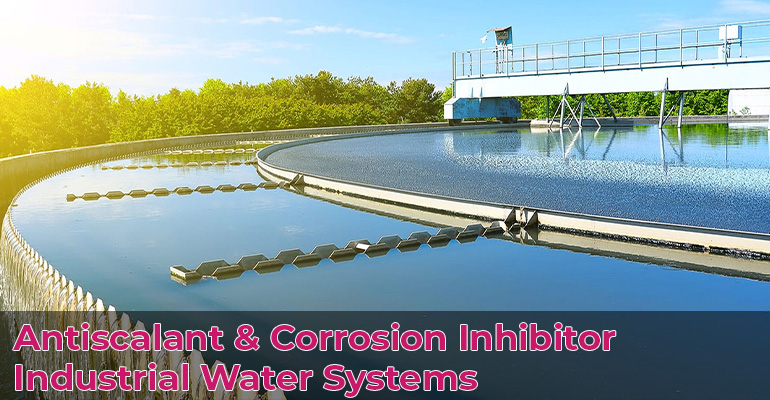
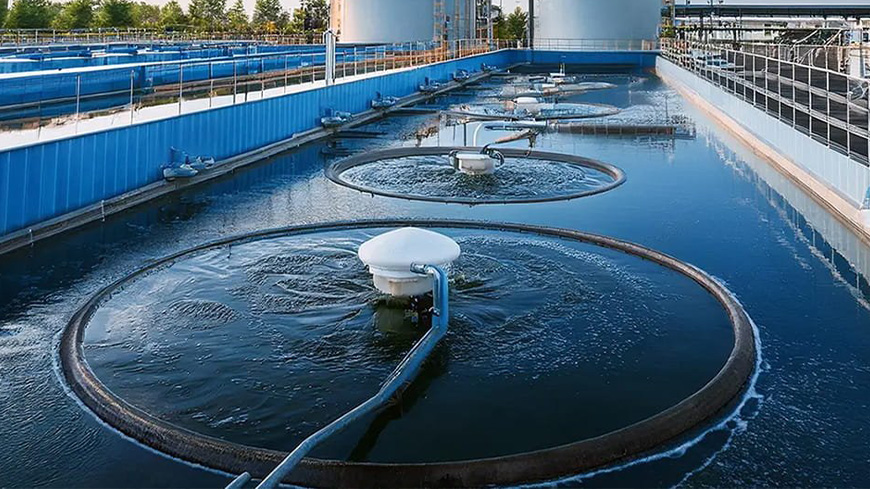
Corrosion inhibitors or antiscalants or both can be used to solve this problem. Right chemicals can help to improve performance...
Dispersant Polymers for Efficient Industrial Water Treatment
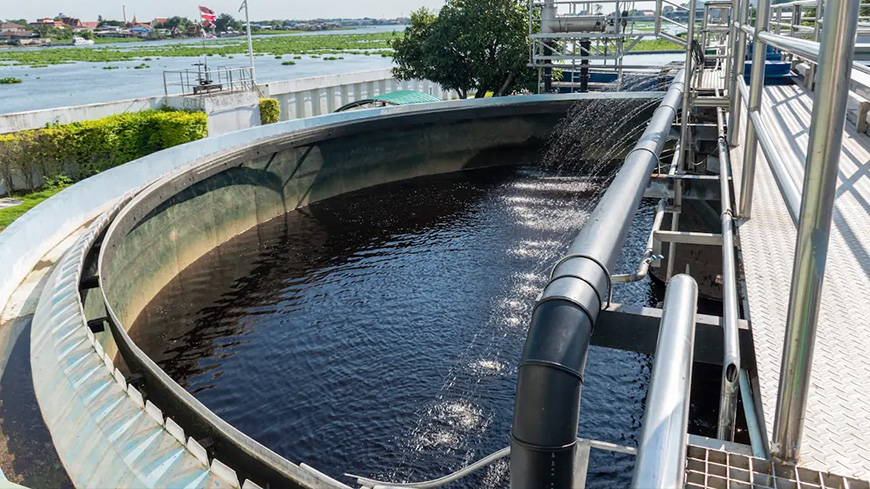
Dispersant polymers are used in water treatment packages to prevent build-up of particles and some minerals. This helps to keep the system working well and ensures the equipment is kept clean.
It is important to choose the correct dispersant polymers for the industry to help protect their plants and improve the system.
What Are Dispersant Polymers?
Dispersants are chemicals designed to keep particles and scale forming agents in suspension.
They help to deal with the dirt, minerals and other issues.
Dispersants are used in water treatment packages as dispersant polymers to help control the scale. Performance of dispersant polymers: This will depend on the type of polymer, size of molecules, type of water, temperature and quantity of polymer used.
How Dispersant Polymers Work
They will attach themselves to the particle surfaces to change the behaviour of the materials depending on their shape.
This will stop the particles from attaching.
Other dispersant polymers will also stop the crystals from growing to prevent any crystal formation.
Overall they help by:
- Keeping the particles in suspension.
- Controlling crystal growth. Some polymers will stop the crystals from growing and change the behaviour of the minerals.
- The charged sections of the polymer will repel the particles.
- A good blend of polymers will help prevent build-up.
This means dispersant polymers can be used as part of the water treatment additives.
Why Are Dispersant Polymers Important In Industrial Water Treatment?
There can be dirt in the water caused by minerals, rust and other issues.
If there is build-up this can cause issues with the equipment and increase costs.
Dispersant polymers can help.
Improved Scale Control
Scale can be an issue with minerals. Those using hard water will have a lot of water and high temperatures.
Some dispersant polymers can help with scale issues like calcium carbonate and calcium phosphate by choosing the correct water chemistry.
This can help improve the systems.
Improved Heat Transfer
Build-up in heat exchangers can cause a layer that prevents heat transfer.
Dispersant polymers will help to remove some dirt and scale.
This is most important in cooling water loops where the water is always moving and build-up can occur.
Reduced Repairs
If there is build-up chemicals may need to be used to remove the scale. Good dispersant methods can help prevent build-up and reduce some issues.
However, you will still need to maintain the system and may need repairs.
Improved Water Reuse
Many industries will want to reuse the water by treating it and using it more times in their cooling systems.
The water will have some substances in it.
Dispersant polymers can help to control scale if the overall method is correct for the water and system.
Improved Efficiency
Having some scale control will mean everything will run smoothly.
Dispersant polymers help to spread out the germ killing treatments and improve water usage.
Common Types Of Dispersant Polymers
The exact polymers will depend on the application and scale control.
Acrylic Based
Polyacrylic acid and some acrylic blends are very commonly used in water treatment.
They can help to reduce dirt and scale depending on the size of the molecules and blend.
Cooling water and other industrial applications.
Maleic Based
Some water treatment applications will use maleic acid or maleic anhydride polymers.
The blend can help reduce scale and dirt depending on the scale and conditions.
Sulfonated Copolymers
Sulfonated polymers have more flexible sections in water.
They are used to control dirt and scale in cooling water systems.
Depending on the blend and water.
Specialty Dispersant Polymers
Special blends may have sections to help with water issues.
They can be designed for specific conditions including temperature, amount of minerals in the water, types of scale and compatibility with other chemicals.
Ensure you choose the correct polymers.
What Are The Main Industrial Applications Of Dispersant Polymers
Dispersant polymers have been used in industries where water quality and scale control is needed.
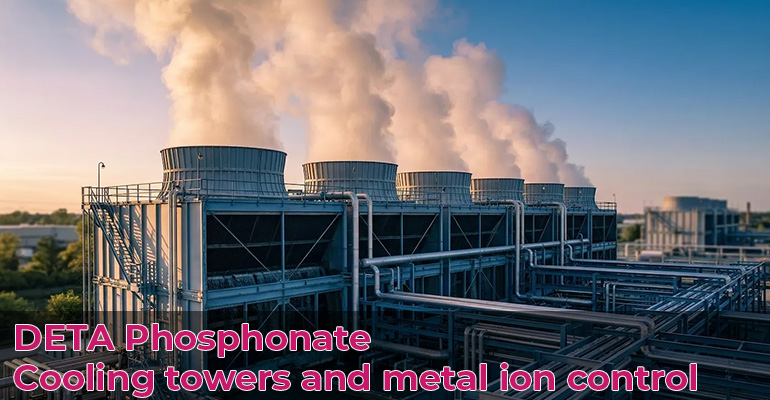
Cooling Tower Water Treatment
Cooling towers cause lots of evaporation meaning the minerals in the water become more concentrated.
Using polymers can help control the minerals and reduce scale.
Used in scale, anti-rust and germ killing.
Boiler Water Treatment
Some dispersant polymers are used in boiler water treatments to clean sludge and grime.
The correct polymer will be chosen depending on pressure, how the boiler is working and overall plan.
Dispersant polymers should be checked for the boiler applications as not all will work on high pressure machines.
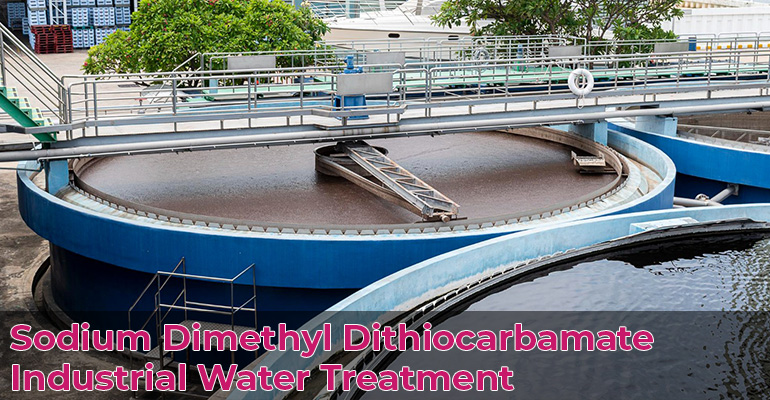
Industrial Process Water Treatment
Factories will use water for cleaning, cooling and creating products.
Dispersant polymers can be a good option to reduce dirt and scale in some process water applications.
They could be used as an aid if dirt may cause issues with the equipment.
Power Generation Plants
Electricity plants will use water for cooling and other applications.
Correct dispersant polymers can be used in the cooling water treatment system to reduce deposit build-up and keep the heat exchangers working.
Chemical And Oil Industries
Chemical and Oil Plants.
Some polymers will be used in certain treatments to control dirt and scale. Another thing to consider is how they will work with the chemicals.
Dispersant Polymers Vs Antiscalants
Although similar they have different functions.
Dispersant polymers will repel each other to prevent the particles from attaching and keep them in suspension.
Mainly prevent crystal growth. This is also mainly preventing crystal formation as an anti-scaling agent.
Some polymers will do both.
Most treatments will have dispersant and anti-scaling properties to prevent scale types.
The best treatment will depend on the water, scale types and conditions.
Choosing The Correct Dispersant Polymers
When choosing dispersant polymers don’t just look at the name or numbers. The following can help:
Water Chemistry
How hard is the water? How alkaline? What is the pH? How much material is in the water? What are the characteristics of the material?
This will affect what polymer is chosen and how effective it is.
Polymer Blend
There are polymers that can prevent dirt, scale and keep things stable.
Use the polymer for the application.
Operation
How the polymer is used, flow, pressure, temperature and how the water is used will all affect how effective the treatment is.
Chemical Compatibility
If required ensure the dispersant polymers are compatible with other chemicals like anti-rust or germ killing.
Product Quality And Information
Consider the quality of the product and how clear the information is. Can the seller help?
A good supplier can offer advice. Choose the correct product for you.
Benefits Of Using The Correct Dispersant Polymers
Using dispersant polymers can help reduce:
- Dirt and some scale.
- Reduce the risk of dirt causing blockages.
- Improved heat transfer.
- Less cleaning and repairs.
- Regular water treatment.
- Improved water usage.
- Reliable operation if used correctly.
The results will depend on the water, system operation, quantity and how it is used.
More Importance Of Dispersant Polymers In Water Treatment
Manufacturers will want to use water to save money and keep their machines running well. This means paying attention to chemical methods that can prevent scaling and reuse the water.
Dispersant polymers may be important to reduce dirt and scale issues. New technology has also helped with treating for other applications.
They can provide results if the correct products are chosen. You are creating the conditions.
Dispersant polymers should be known to those creating water solutions.
Conclusion
They are also used in water treatment programmes. Using polymers can help treat the particles to prevent too much scale and keep the machines running well.
Whether it is cooling towers, heat exchangers, boilers or process waters these specialised polymers will help control scale.
Water chemistry, system operation, type of polymer and overall aim of treatment should all be considered.
A company with knowledge of chemicals can help you find the correct polymer products for your company and ensure you get the correct treatment.
Are you looking for polymers for your water treatment? Browse our range of polymers. Contact a chemical supplier to see if they have any products that suit your water treatment requirements.
FAQs
1. What are dispersant polymers used for?
Dispersant polymers help remove dirt, scale and blockages. They are used in some boiler, process water and some cooling water treatments.
They will interact with the particles and scale forming agents in the process to prevent them from attaching and building up. Some will prevent mineral formation to control scale.
2. Are polymers the same as antiscalants?
No they are not. Dispersants will mainly prevent particles from attaching. They will keep them in suspension. Antiscalants will prevent mineral scale growth. Some polymers will do both.
3. What industries use polymers?
Dispersant polymers are widely used in cooling water treatments, power plants, chemical plants and oil fields.
4. What affects how effective dispersant polymers are?
Some important factors are: Type of polymer, size of molecules, pH of water, hardness of water, temperature of water, total solids in water, quantity of polymer and compatibility of polymers with other chemicals.
5. How can companies find a dispersant polymer supplier?
Companies can look at product information, quality of product, reports and support. Does the product suit the application? Lab testing and experiments can show how effective they are.
Related Posts