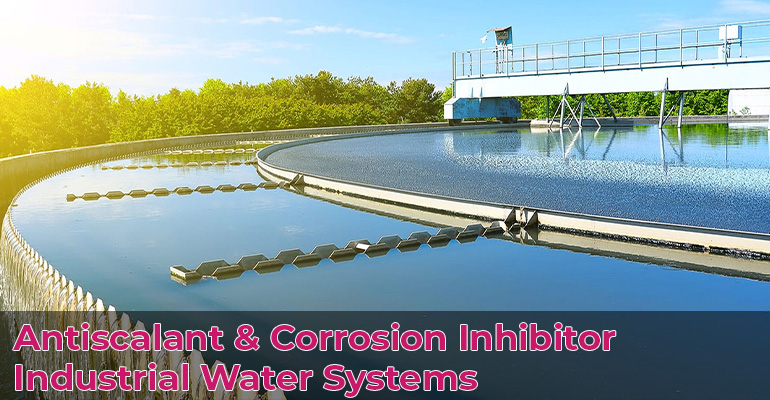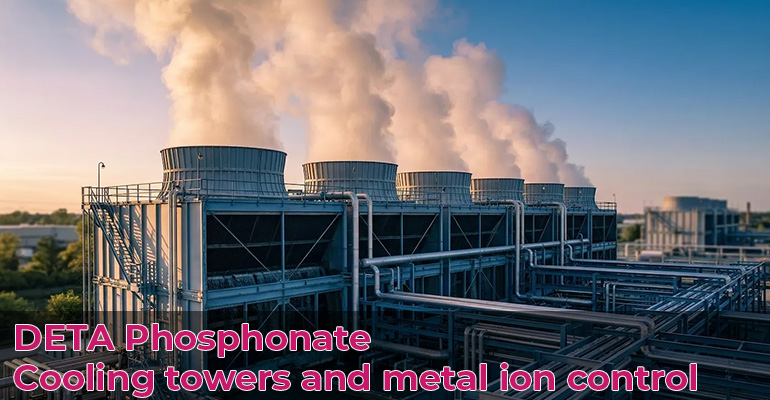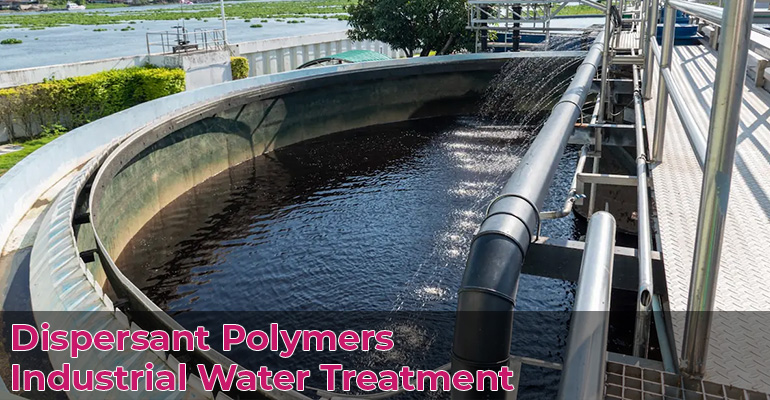
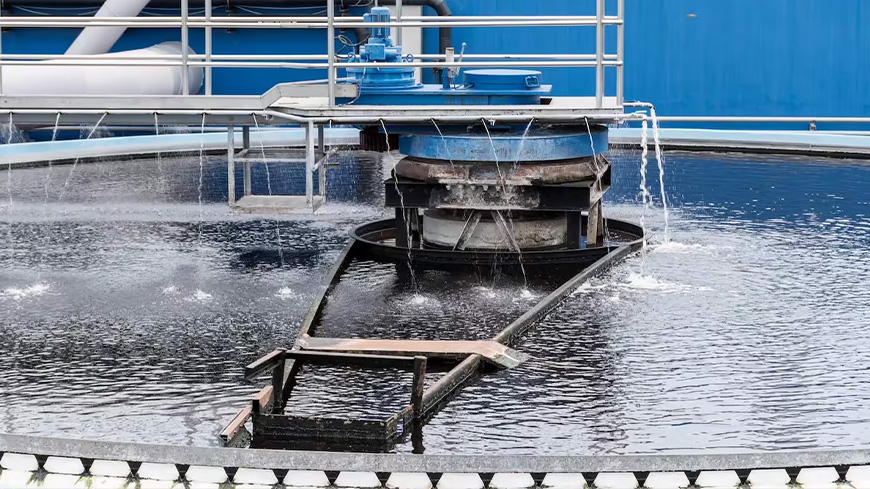
Corrosion inhibitors or antiscalants or both can be used to solve this problem. Right chemicals can help to improve performance...
Sodium Dimethyl Dithiocarbamate in Industrial Water Treatment
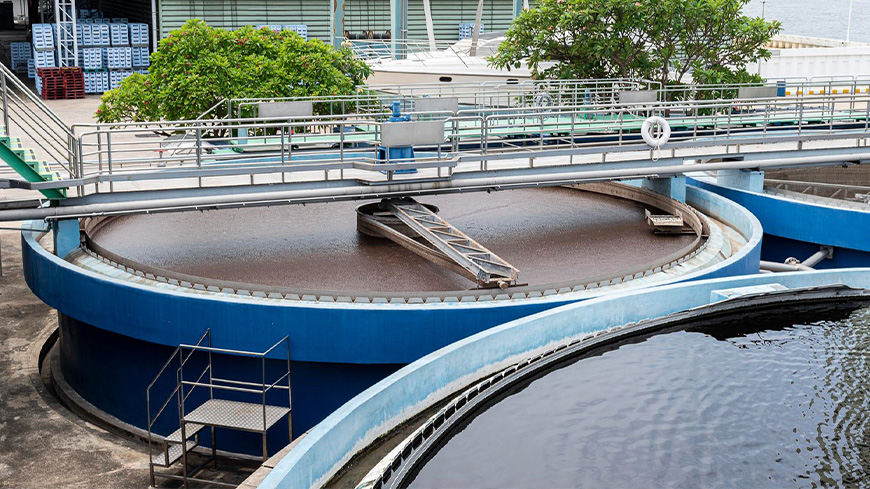
Sodium Dimethyl Dithiocarbamate to the water. It is a metal precipitation / chelating agent. This will react with the metals in your water to make a product. You can see it happening!
If we know how this chemical functions we will know what it can be used for. These key factors could help factories to determine what chemical they are going to use.
It is a sulphur based chemical. It is part of a group of chemicals that are known to bind to certain metal ions.
Most of the time the make up is used as a metal precipitant in water treatment. This means it will interact with the metals in the water and create metal particles that will be removed in clarifiers, settling or a filter. The metal will settle quickly.
The success of this chemical depends on the metal types, the amount of this chemical used, as well as water chemistry/conditions. Very small adjustments can make a difference.
How Does Sodium Dimethyl Dithiocarbamate Work?
Mainly used to remove metal ions.
When it is added to water with metal ions in it it will form compounds. This will result in the formation of a precipitate which can then be removed. The precipitate will be formed quickly.
Process
- Test the water to identify what kinds and how much of metals are present. Some plants have already done this.
- Add the finishing touches. Must be thorough.
- It will combine with the metal ions to make a compound.
- From time to time additional chemicals will be thrown in to help the particles self to a quick fall. Chemically called as Clumping agent.
- Filter to eliminate the particles. Clarification, settling or filtering. Have been proven to work.
- Test the water to see if any metals remain. Should be done as often as possible.
Results can be different on each water or each plant.
Industrial Uses:
There are factories which manufacture water which is very contaminated with metal. If the metal precipitation properties are right they can use Sodium Dimethyl Dithiocarbamate. It has been tested in a few factories.
Electro-Plating Water Treatment:
Used water electrifying metal to finish a surface. When the metal is cleaned and washed these metals are present in the water. This has been observed in electro-plating factories.
When this treatment is applied then the metals will become to granules. Has been observed.
Metal Finishing Industries:
And also during the washing, polishing, coating, and cleaning of metals. This has already been observed in some localities.
This is the space you can take away the metals in the precipitation way. This has been seen in some cases.
Chemical Manufacturing:
Metals in manufacturing or process water: Raw materials in manufacturing processes can contribute metals to process water or process chemicals can be added that introduce metals into water. This occurs for example in regions.
NaDMDC can be applied. This has been investigated in projects.
Industrial Process Water:
Water containing substance has been evident in some plants. This has been observed in many industrial processes.
SDDC can be used as a chemical wash. The SDDC will have to be tested to see if it will remove metals. That has been done.
Metal Complexes in Water:
Water may be contaminated with complexed metals. This may complicate the removal of some of these metals. This has been observed.
These chemicals can be effective for some things. It really depends what other elements are attached to the metal, quantity and how they are used to determine how well it will work. It is mixed.
Benefits:
Certain advantages have been observed in utilizing the Sodium Dimethyl Dithiocarbamate project.
- Heavy Metal Precipitation: The metal will react with the water to make a compound. We have observed this.
This will work if the correct mix is used and it will bond to the metals based on water chemistry I have used this with metals. - Can be added to assist with settling of particles that are then removed. I have seen this.
- Assist with Complexed Metals: Might help with complexed metals within the water. I’ve seen this tested.
- Separate Solid/Liquid:
Particles will have been generated that can be removed by settling, filtering.
The outcome will be from the combination, water and quantity of metals and different variables.
Considerations:
Know Your Water:
Get to know the metal before you choose a chemical to remove it. When adding Sodium Dimethyl Dithiocarbamate, keep the following factors in mind.
Are There Metals?
All water will contain varying concentrations of metals. For example copper, Nickel, Zinc, Cadmium etc. Sodium Dimethyl Dithiocarbamate will react differently with all of the elements.
Can test to determine what metals are present and whether the chemical will work.
Water pH:
The pH of the water will affect how the effect of the Sodium Dimethyl Dithiocarbamate and how the particles will form. It is also useful to know what pH it is effective at and if pH needs to be altered.
Amount:
The quantity you will need is determined by the quantity of metals in solution and their types. Small test sections will be required to determine the amount to start with.
Materials:
Water from factories will contain some compounds that may bind with metal ions. Understanding these compounds will help us understand how effective Sodium Dimethyl Dithiocarbamate is.
Solid:
Sodium Dimethyl Dithiocarbamate creates metal particles. It has to be.
When working with Sodium Dimethyl Dithiocarbamate solid material will be formed. This will need to be taken into consideration when disposing of and can be re-used for future reactions.
The waste regulations should be followed.
Chemical Compatibility:
Sodium dimethyl Dithiocarbamate should be kept separate from pH adjustment agents, clumping agents and flocculants.
Lab Testing:
Chemicals can effect you if you try to add any chemicals without testing you will be get different results.
The company can perform lab testing to determine the effect of the chemical, pH, and other variables.
Before you use Sodium Dimethyl Dithiocarbamate in your water treatment plant or factory you should know:
- Test dissolved metals.
- Test amounts.
- See how pH affects.
- Test how particles settle.
- Test left over metals.
- -G / – Will be what sort of strong things will be shaped and how to care it.
- Set up monitoring.
Safety:
Use Sodium Dimethyl Dithiocarbamate responsibly and take necessary precautions. Read safety instructions and follow the manufacturing guidelines and instructions.
Factories should consider:
- Wearing clothing.
- Storing correctly.
- Avoid skin and eye contact.
- Ensure air flow.
- Use correct amount.
- Follow disposal requirements for metallic and chemical waste.
Different safety rules may apply to Sodium Dimethyl Dithiocarbamate depending on the compound and concentration.
Correct Chemical:
You will also need to test that this method will actually work with the water mix you are trying to remove metals from. The chemical used in one factory will not necessarily work in another.
Sodium Dimethyl Dithiocarbamate– To see if it will pull metals from the water at factory. Used this chemical after a lab test and research of the results of it. Have some kind of result or results in mind.
Maxwell Additives, Chemical Industry, Water Treatment Chemicals. Chemicals our are used in your business. Find out what we can do for you! Need any assistance, just call us!
View:
- Maxwell Additives Specialty Chemicals
- Maxwell Additives Water Treatment Chemicals
- Contact Maxwell Additives
Conclusion
Sodium Dimethyl Dithiocarbamate can be used in some water treatment situations. It will give off a particle when it attaches itself to metals. If you understand the water mix, the correct doses and procedure you can make a treatment. Lab testing, operating the treatment and supervision can make it happen.
FAQs:
What is Sodium Dimethyl Dithiocarbamate used for?
I’ve researched Sodium Dimethyl Dithiocarbamate in a chemical and business context. It cleans out metals from water by using particles.
How Sodium Dimethyl Dithiocarbamate removes metals?
Yes It will react with the metals in the water and form compounds. These can be removed from the water by settling, clarification and filtering.
Which industries use Sodium Dimethyl Dithiocarbamate for water treatment?
It’s ideal for use in plating, metal finishing, chemical manufacturing, and industrial water treatment. Whenever you need metals to be precipitated.
Will sodium dimethyl dithiocarbamate remove metals?
It can react with metal ions. The mix will depend on water chemistry, and should be tested in the lab to understand the potential reaction.
Does pH affect Sodium Dimethyl Dithiocarbamate?
Yes. The pH of the water will determine what effect the Sodium Dimethyl Dithiocarbamate will have and how the particles will form. Test it out for accuracy.
Is Sodium Dimethyl Dithiocarbamate suitable for all waters?
No. It depends on the type and quantities of metals and other factors.
Why is lab testing crucial for SDDC?
Analysis at lab testing will demonstrate how much to use, how it functions and just how efficient a mixture it is. It will demonstrate just how much metal remains. It can help factories ascertain the Sodium Dimethyl Dithiocarbamate and if it really is a good product.
Related Posts