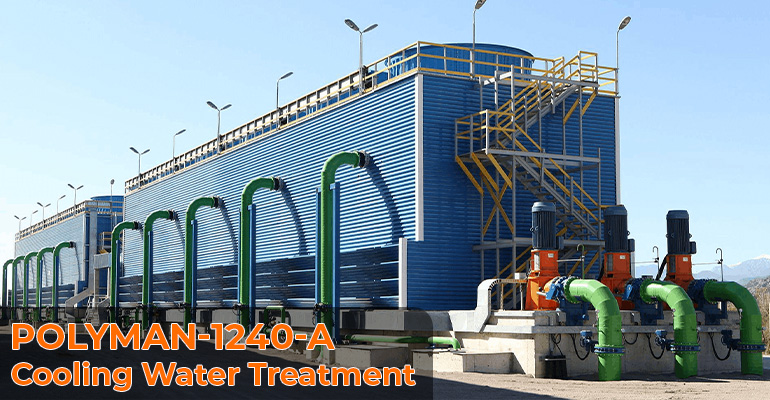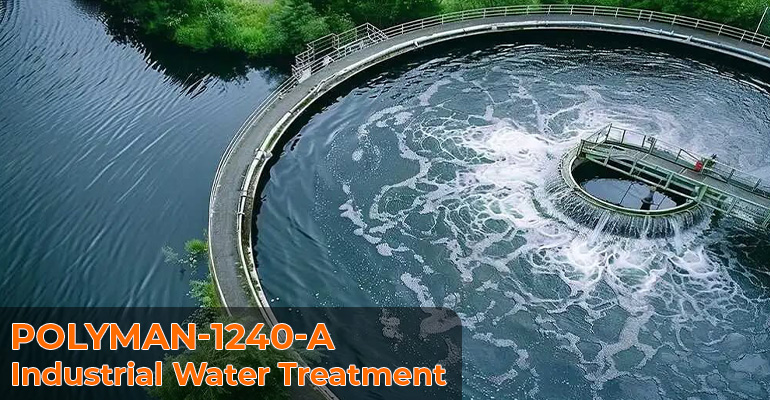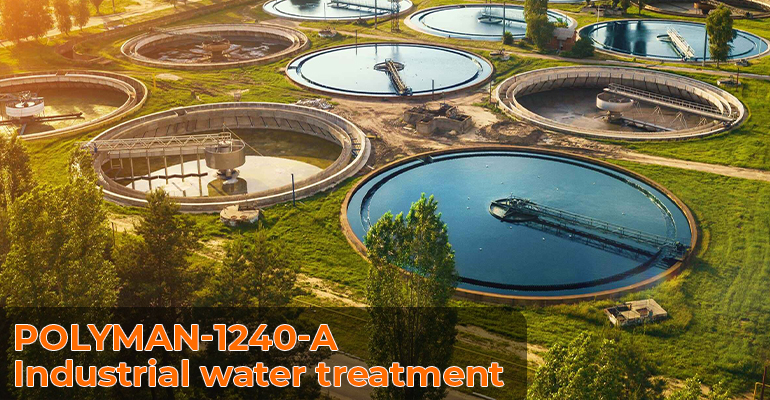
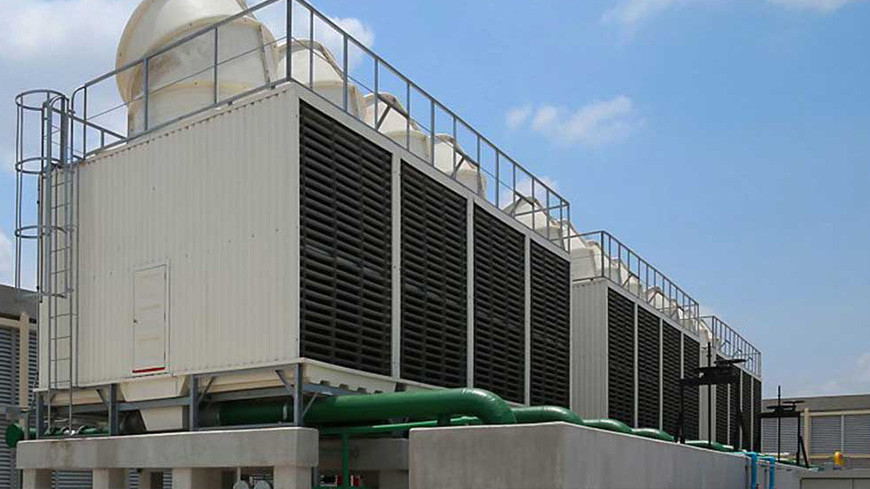
Industrial water treatment formulations are designed to deal with a range of issues such, as minerals, hardness ions and suspended particles. These problems can affect how equipment performs and how smoothly the entire process operates. If left unchecked these problems can lead to deposits of minerals or hardness materials. Such buildup often happens on heat‑transfer surfaces, pipes and other components and such buildup can reduce efficiency and cause problems...
POLYMAN-1240-A: How to Choose an Anionic Ter Polymer Supplier in India
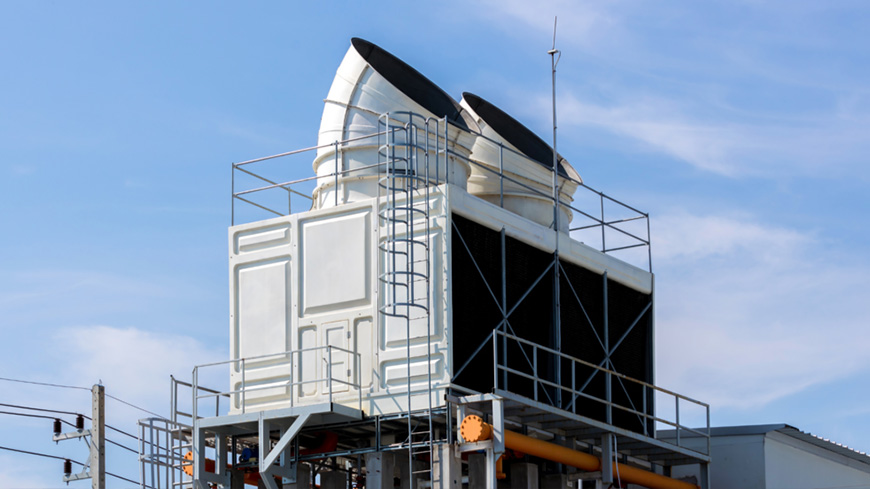
Selecting the right polymer for industrial water treatment involves more than comparing prices or checking product availability. Businesses need to understand their water chemistry, treatment objectives, operating conditions, and product requirements before choosing a suitable material. Working with a reliable Anionic Ter Polymer Supplier in India can help buyers obtain relevant product information and make more informed purchasing decisions.
Anionic ter polymers are used in certain industrial formulations where mineral deposit control and particle dispersion are important. Their suitability depends on the product’s chemical characteristics and the conditions in which they are used. Buyers should therefore evaluate the polymer, its technical documentation, and the supplier’s ability to address their requirements.
Maxwell Additives offers POLYMAN-1240-A, a carboxylic-sulfonate ter-polymer associated with industrial water-treatment applications. Businesses considering this product can review its specifications and discuss their application requirements with the company before making a purchasing decision.
What Is an Anionic Ter Polymer?
An anionic ter polymer is a polymer containing negatively charged functional groups and formed from three different monomer components. Depending on its chemical structure, a ter polymer may offer characteristics relevant to managing mineral deposits and dispersing particles in industrial formulations.
In water treatment, dissolved minerals and suspended particles can contribute to deposits and operational challenges. The choice of treatment chemical depends on the type of water, the materials present, and the conditions under which the system operates.
Anionic ter polymers are not interchangeable with every other polymer category. Their suitability should be assessed according to the intended application, product specifications, and compatibility with the existing treatment programme.
For industrial buyers, understanding these differences is a useful first step before contacting an Anionic Ter Polymer manufacturer in India.
Understanding POLYMAN-1240-A from Maxwell Additives
POLYMAN-1240-A is part of the POLYMAN range from Maxwell Additives. The product is described as a carboxylic-sulfonate ter-polymer and is associated with industrial water treatment, cooling water treatment, and water-based formulations.
Its product category makes it relevant for buyers evaluating polymer options for mineral deposit management and particle dispersion. However, the suitability of any grade should be determined using current product documentation and the requirements of the specific process.
Before selecting POLYMAN-1240-A, buyers should clarify:
- The water-treatment challenge they need to address
- The water chemistry and operating conditions
- The product specifications relevant to their application
- Compatibility with other treatment chemicals
- The technical documents available for review
- The purchasing quantity and delivery requirements
This information helps businesses evaluate whether the product is appropriate for further testing or consideration within their treatment programme.
Why Choosing the Right Anionic Ter Polymer Supplier in India Matters
A supplier plays an important role in industrial chemical procurement. Beyond providing the product, a suitable supplier should help buyers identify the correct grade, understand available documentation, and clarify commercial requirements.
When comparing suppliers, businesses should consider several factors rather than making decisions based on price alone.
1. Clear Product Identification
The first step is to confirm the exact product name and chemical category. Similar descriptions do not necessarily indicate that two products have identical properties.
When enquiring about POLYMAN-1240-A, buyers should confirm the grade and review the current product information provided by Maxwell Additives. This helps prevent confusion between different polymer types and makes the selection process more accurate.
2. Access to Technical Documentation
Product documentation helps buyers evaluate whether a material meets their technical and purchasing requirements.
Depending on the product and application, relevant documents may include:
- Technical Data Sheet (TDS)
- Safety Data Sheet (SDS)
- Product specifications
- Batch quality documentation, where applicable
- Storage and handling instructions
Buyers should review the available information carefully and ask the supplier to clarify any specifications that are unclear. The latest applicable documents should be used when evaluating a product.
3. Application-Related Support
Industrial water systems can differ significantly in their operating conditions. Water hardness, mineral concentration, pH, temperature, and the presence of other treatment chemicals may affect polymer selection.
A supplier should be able to discuss the product’s documented characteristics and help buyers identify the information needed for their evaluation. Where suitability is uncertain, laboratory testing or a controlled application trial may be necessary.
The objective is to select a product based on actual requirements rather than relying only on a general product description.
4. Consistency and Quality Requirements
For businesses that purchase polymers regularly, consistency is an important procurement consideration. Buyers should understand the product specifications against which incoming material will be checked.
Ask the supplier what quality documentation is available and how the supplied grade is identified. These details can help businesses establish suitable internal checks and purchasing procedures.
Quality expectations should be defined according to the intended application and agreed requirements.
5. Supply and Delivery Planning
Industrial operations may depend on regular chemical deliveries. Delays or unclear ordering arrangements can make purchasing more difficult, particularly when a product is required for ongoing treatment operations.
Before placing an order, discuss:
- Available packaging options
- Minimum order requirements, where applicable
- Expected order quantities
- Dispatch and delivery arrangements
- Reordering schedules
- Communication about future requirements
Clear commercial discussions help buyers plan purchases and compare suppliers on more than the initial quotation.
How to Evaluate POLYMAN-1240-A for Your Application
Choosing a polymer should follow a structured process. The following steps can help industrial buyers evaluate POLYMAN-1240-A and determine what information is needed before purchase.
Step 1: Identify the Treatment Objective
Begin by identifying the problem within the water-treatment system. This could involve mineral deposits, suspended particles, or another formulation-related concern.
A clearly defined objective makes it easier to identify the product characteristics that require evaluation.
Step 2: Understand the Operating Conditions
Review the relevant process conditions, including water composition, temperature, pH, mineral concentration, and other chemicals already in use.
These details provide context for evaluating the product. They also help the technical team determine whether additional testing is needed.
Step 3: Review the Product Specifications
Request the latest product documentation for POLYMAN-1240-A. Compare the information against your technical requirements and internal quality criteria.
Do not assume that a polymer will suit your application solely because it belongs to the anionic ter-polymer category.
Step 4: Assess Chemical Compatibility
If the polymer will be used with other treatment chemicals, evaluate the compatibility of the proposed formulation. The appropriate testing method will depend on the system and the treatment objective.
Where necessary, conduct controlled testing before introducing the product into regular operations.
Step 5: Compare Commercial Requirements
Once the technical requirements have been reviewed, compare price, packaging, availability, delivery arrangements, and ordering terms.
A consistent comparison helps procurement teams understand the complete offer from each supplier.
Step 6: Establish a Purchasing Process
For recurring requirements, define the expected consumption, reorder schedule, documentation checks, and delivery expectations.
A clear process can make future purchasing more organised and help businesses manage their chemical requirements effectively.
Industrial Water Treatment: The Role of Scale Control and Dispersion
Mineral deposits and suspended particles can create challenges in industrial water systems. Their formation and behaviour depend on factors such as water composition, operating conditions, and the materials present in the system.
Scale control and dispersion are related but different treatment objectives.
Scale control focuses on managing the formation or deposition of mineral scale under the conditions of a treatment programme.
Particle dispersion involves helping particles remain distributed within a liquid rather than accumulating in unwanted deposits, where the formulation is suitable for that purpose.
A polymer may be considered as part of a broader treatment formulation when these objectives are relevant. However, the correct product and treatment approach depend on the specific system.
For this reason, buyers evaluating POLYMAN-1240-A should review its documented properties and establish its suitability for the intended use instead of assuming that one polymer will address every water-treatment problem.
Why Consider Maxwell Additives for POLYMAN-1240-A?
Maxwell Additives provides POLYMAN-1240-A as part of its POLYMAN polymer range. For businesses evaluating this product, the company is a point of contact for product enquiries and requests for relevant technical information.
Before proceeding with a purchase, buyers can focus on the following considerations:
- Product information: Confirm the exact grade and obtain the latest available specifications.
- Application requirements: Explain the intended use and relevant operating conditions.
- Documentation: Review the technical and safety information needed for the purchasing process.
- Compatibility: Determine whether further testing is required before use.
- Order planning: Clarify packaging, quantity, availability, and delivery arrangements.
This approach allows buyers to evaluate the product against their own requirements and make a more informed decision.
Businesses searching for an Anionic Ter Polymer manufacturer in India should use these criteria to compare available options and identify the supplier that meets their technical and commercial needs.
Common Mistakes to Avoid When Selecting an Anionic Ter Polymer
Even when a product appears suitable, overlooking important details can complicate the purchasing process. Industrial buyers should avoid the following mistakes.
1. Selecting Only by Price
A low quotation does not establish technical suitability. Compare the product specifications, documentation, packaging, and purchasing terms alongside the price.
2. Assuming All Ter Polymers Are the Same
Polymer categories can contain products with different chemical characteristics. Confirm the exact grade and review the relevant technical information before making a selection.
3. Ignoring Water Chemistry
The operating conditions of a water-treatment system influence product selection. Evaluate the actual water composition and treatment objective rather than relying on general descriptions.
4. Skipping Compatibility Checks
A product that appears suitable on paper may still require testing under representative conditions. Evaluate its compatibility with other chemicals and process requirements where necessary.
5. Overlooking Documentation
Missing or unclear product information can make it difficult to evaluate a material properly. Request the applicable documents before finalising the purchase.
6. Leaving Orders Until the Last Minute
Businesses with recurring chemical requirements should discuss ordering schedules and delivery expectations in advance. This can help improve procurement planning.
Conclusion
Selecting an anionic ter polymer requires a clear understanding of the treatment objective, water chemistry, product specifications, and operating conditions. Businesses comparing an Anionic Ter Polymer Supplier in India should evaluate technical suitability and purchasing requirements alongside price and availability.
POLYMAN-1240-A from Maxwell Additives is a carboxylic-sulfonate ter-polymer associated with industrial water-treatment applications. Buyers considering this product should review its current specifications, discuss their requirements with the supplier, and determine whether application testing is necessary before use.
A structured evaluation process helps businesses compare products more consistently, identify the information they need, and make informed chemical purchasing decisions. For companies seeking an Anionic Ter Polymer manufacturer in India, focusing on verified product details and clearly defined requirements provides a practical starting point for supplier evaluation.
Frequently Asked Questions
1. What is an anionic ter polymer used for?
Anionic ter polymers are used in certain industrial formulations, including water-treatment applications where mineral deposit control and particle dispersion are relevant. Their suitability depends on the polymer’s properties and the intended application.
2. What is POLYMAN-1240-A?
POLYMAN-1240-A is a carboxylic-sulfonate ter-polymer in the POLYMAN range from Maxwell Additives. It is associated with industrial water treatment and water-based formulations. Buyers should consult the current product documentation for its specifications.
3. How do I choose an Anionic Ter Polymer Supplier in India?
Compare suppliers based on product identification, technical documentation, application-related communication, quality requirements, pricing, availability, and delivery terms.
4. What should I ask an Anionic Ter Polymer manufacturer in India?
Ask for the exact product grade, current technical specifications, safety documentation, available quality records, packaging details, and information relevant to your intended application.
5. How can I determine whether POLYMAN-1240-A is suitable for my system?
Start by defining the treatment objective and reviewing the water chemistry and operating conditions. Then compare the product documentation against your requirements and conduct appropriate compatibility or application testing where needed.
6. Why are scale control and dispersion important in water treatment?
Mineral deposits and accumulated particles can create operational challenges in industrial water systems. Scale control and dispersion address different aspects of deposit management, and the appropriate treatment depends on the system conditions.
7. What documents should I review before purchasing POLYMAN-1240-A?
Depending on your requirements, review the Technical Data Sheet, Safety Data Sheet, product specifications, and applicable batch quality documents. Confirm any missing details with the supplier.
8. How can I enquire about POLYMAN-1240-A from Maxwell Additives?
Visit the official Maxwell Additives website to enquire about POLYMAN-1240-A, request available product documentation, and discuss your application and purchasing requirements.
Related Posts