ATMP Chemical stands for Amino Trimethylene Phosphonic Acid, a phosphonate-based chemical used in industrial formulations where controlling dissolved metals and unwanted mineral deposits is important. It is commonly supplied as an aqueous liquid, with ATMP 50% being a widely used commercial concentration. Its chemical structure allows it to interact with metal ions, making it useful in water-treatment and other process applications...
ATMP Liquid: Amino Trimethylene Phosphonic Acid Supplier India
ATMP liquid, also referred to as Amino Trimethylene Phosphonic Acid is a phosphonate chemical used in industrial water treatment formulations in order to prevent scale formation and metal ion coordination.
For companies seeking to purchase Amino Trimethylene Phosphonic Acid manufacturers and suppliers in India it is important to take the properties, intended applications and specification details of the chemical into account.
What Is ATMP Liquid?
ATMP is short for Amino Trimethylene Phosphonic Acid. It is an acid commonly used in industrial water treatment chemical mixtures.
ATMP can help prevent mineral scales by interfering with the crystallization processes that promote the formation of deposits on the surfaces of equipment. It can also participate in the coordination of metal ions which makes it a valuable ingredient in mixtures that require such properties.
ATMP is typically available in solution or solid form. The liquid formulation is preferable for many ready-mixed chemical applications but the active ingredient, specifications and handling requirements will depend on the grade of the solution.
It is advisable to review the product data sheet when making decisions regarding the application of ATMP rather than relying solely on the name of the product.
How Does Amino Trimethylene Phosphonic Acid Work?
The mechanism of action of Amino Trimethylene Phosphonic Acid is based upon the chemical activity of the acid interacting with metal ions and modifying the crystallization process of minerals.
In terms of water treatment applications, dissolved calcium and other minerals in the water can lead to the formation of deposits on the surfaces of heat exchangers, pipes, equipment and other surfaces. Such occurrences can result in restricted water flow impeded heat exchange processes and overall reduced performance of the equipment if left uncontrolled.
ATMP can aid in preventing the occurrence of scale by interfering with the formation and growth of mineral crystals in two primary ways:
1. Prevention of scale formation
By preventing the crystallization processes that contribute to the formation of scale, ATMP can reduce the likelihood of deposit formation on surfaces under the given application conditions.
2. Metal ion binding
By binding dissolved metal ions in solution, ATMP can participate in the control of metal ion content in water treatment and other similar applications.
The overall effectiveness will depend on the characteristics of the water, temperature, pH, mineral content, dosage and the interactions with other ingredients. As such, it should be employed as part of an optimized treatment program for a given set of application conditions and not as a universal solution for all water treatment applications.
Major Applications of ATMP Liquid
ATMP is commonly utilized in industrial applications that require the prevention of scale formation and the control of metal ion content.
1. Industrial Cooling Water Treatment
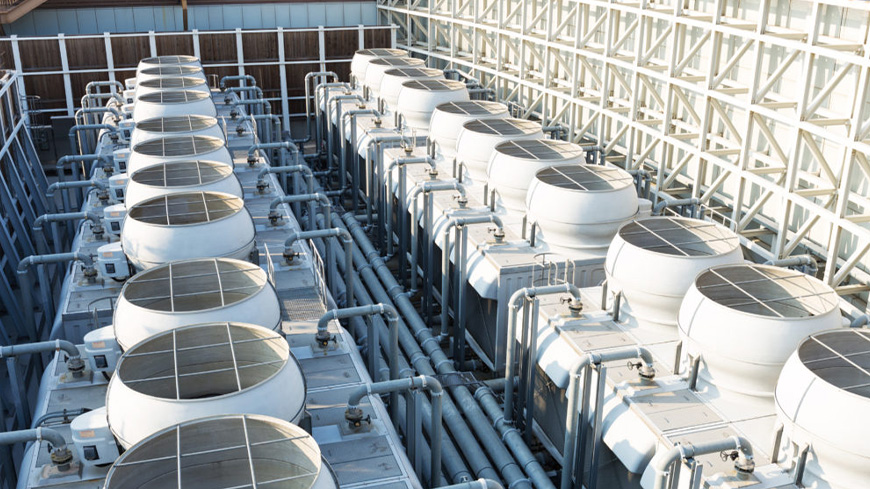
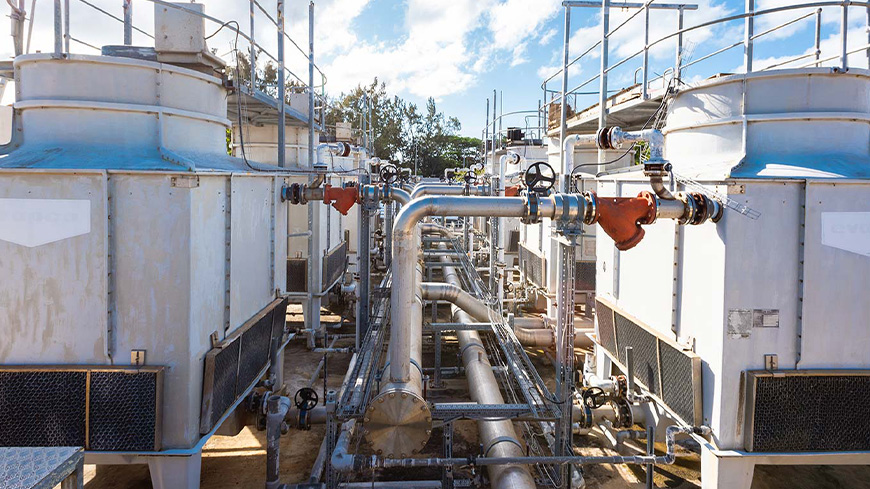
Cooling towers and recirculation systems can experience scale formation issues as a result of the recirculation of water.
ATMP can be utilized as part of a treatment program to prevent the formation of scale under the specified application conditions. Preventing the formation of deposits on heat exchange surfaces will help maintain operations. Attention should also be paid to aspects such, as corrosion prevention, biological fouling and other water quality considerations.
2. Boiler and Process Water Treatment
Boiler and process water treatment applications require the management of the content of dissolved minerals. The formation of deposits on the surfaces of equipment can reduce the performance of the heat exchange surfaces while also introducing maintenance challenges.
ATMP can be part of a treatment program for such applications depending on the specifications of the equipment and the intended use. Its applicability should be considered depending on the operating pressure, water quality and other treatment considerations relevant to the boiler in question. It should not be relied upon as a boiler water chemical in its own right.
3. Reverse Osmosis Water Treatment
Reverse osmosis systems and membrane filtration applications can experience scale formation issues in some cases as a result of salt content in the feed water.
Certain ATMP-based chemical products can be considered as an option for scale prevention treatments in such applications. However, their applicability should be reviewed in detail considering the specifications of the membrane, the characteristics of the feed water and the requirements of the overall treatment program.
When considering such a product, the compatibility with the membrane system should be a priority for osmosis applications.
4. Oilfield Water Treatment
Water treatment in the oilfield industry typically involves addressing the issues of mineral content and scale formation in water.
ATMP can be considered as part of a chemical program for such applications where prevention of deposit formation is required. The specifics of the water, temperature, pressure and operating environment should be reviewed in detail prior to the implementation of any treatment program. Applicability should be reviewed through compatibility testing prior to the integration into an existing system.
5. Industrial Cleaning and Metal Treatment
Amino Trimethylene Phosphonic Acid can be part of cleaning and metal treatment chemical formulations because it can coordinate metal ions.
Therefore the use of Amino Trimethylene Phosphonic Acid must be evaluated based on the ingredients, in the mixture the surfaces that must be treated and the needs of the process. It is important to examine the compatibility of Amino Trimethylene Phosphonic Acid to confirm that it works for the desired application.
Key Benefits of ATMP in Industrial Formulations
ATMP is a valuable ingredient in various industrial chemical formulations due to the following advantages.
- Scale prevention: Helps prevent the formation of mineral deposits under specific application conditions.
- Metal ion control: Can participate in the coordination of metal ions.
- Mix flexibility: Suitable for use in various formulations depending on the requirements.
- Industrial water treatment: Useful for certain cooling and process water treatment applications.
- Treatments compatibility: Can be used alongside other water treatment and chemical ingredients when applicable.
- Equipment maintenance support: Effective scale prevention can reduce the likelihood of equipment maintenance issues.
Such benefits are relative to the choice of grade, the choice of dosage and the characteristics of the system and process. As such, it is beneficial to review the specifications and conduct compatibility testing prior to the selection of a specific grade of ATMP for a given application.
ATMP Liquid vs. ATMP Powder: What Buyers Need to Know
Both liquid and powdered ATMP can be integrated into various chemical treatment programs but the differences in their physical nature will impact the choice of the product.
| Comparison factor | ATMP Liquid | ATMP Powder |
| Physical form | Liquid solution | Solid powder |
| Handling | Can be metered directly | May require mixing |
| Active content | Depending on the grade | Depending on the grade |
| Storage | Should be handled as per specific guidelines | Should be handled as per specific guidelines |
| Selection factors | Dosing equipment, concentration and application | Preparation equipment, concentration and application |
The selection of a product form should depend on the intricacies of the treatment program. Buyers should focus on the considerations of content, transport, storage and overall cost-effectiveness prior to the selection of a grade.
Individual factors such as the physical nature of the product do not determine the choice between ATMP liquid and ATMP powder.
Important Things to Check Before Buying ATMP Liquid
Purchasing ATMP products requires buyers to be more selective and informed about their choices. A number of considerations should be reviewed in order to ensure that the choice of chemical aligns with the requirements of the application.
1. Active Content and Product Grade
Review the content as indicated by the product specification. Different grades of ATMP can vary in terms of concentration and other characteristics so the choice of grade should align with the requirements of the application.
Not all ATMP liquid products are equal in terms of content or specifications.
2. Technical Data Sheet and Safety Data Sheet
Request the Technical Data Sheet and the Safety Data Sheet for the selected grade to ensure that the conditions of storage, transportation and application are well understood.
When available, a batch certificate of analysis can also provide insight into the characteristics of the product batch.
3. Compatibility with the Application Mix
While ATMP can be utilized with a variety of other ingredients, compatibility should never be assumed.
Review the intended application and the characteristics of the formulation that it will be a part of. Consideration should be given to pH, water chemistry, temperature and other relevant factors. Testing should be conducted prior to adjusting an existing treatment program.
4. Application Requirements
The requirements of a cooling tower water treatment program are considerably different from those of a boiler, an osmosis system or industrial cleaning application.
Inform the supplier about the intended use in order to ensure that the grade and details of the product align with the requirements of the application.
5. Packaging and Delivery Considerations
For the purposes of application, the packaging and delivery consistency should also be taken into account. Buyers should review the intricacies of dosing equipment, the packaging of the product, ordering intervals and the general ability of the supplier to sustain the demands of the buyer.
Straightforward technical communication and product details will facilitate the overall purchasing and inspection experience.
6. Technical Support
A competent supplier should be able to advise on the intricacies of the product, its specifications and applicability.
For the purposes of considering potential applications, it is advisable to consult with the technical service department of the supplier and conduct the necessary tests prior to making a final decision.
How to Choose an Amino Trimethylene Phosphonic Acid Manufacturer and Supplier in India
India is home to a number of chemical suppliers so it is important for buyers to narrow their options based on technical specifications and business-related considerations.
- Review the technical specifications of the product: Take the product details, TDS, SDS and general quality control measures into account.
- Confirm the grade offered: Make sure to select the grade that aligns with the requirements of your application.
- Consider the test procedures: Ask about the general quality control and batch-to-batch consistency of the product.
- Discuss the supply requirements: Ensure that the packaging, product quantity, delivery schedule and general supply sustainability align with the demands of your application.
- Compare the general value: Do not always focus on the price-point but also consider the support, documentation, quality and applicability of the product.
- Consider the communication and support: A competent supplier will be able to answer your questions in detail which will aid the decision-making process.
For companies looking to purchase Amino Trimethylene Phosphonic Acid manufacturers in India it is advisable to review the technical capabilities of the manufacturer and the technical documentation of the specific grade prior to making an order.
Why Choose Maxwell Additives for ATMP?
Maxwell Additives Pvt. Ltd. operates within the specialty chemicals and industrial water treatment chemical space. For buyers that are considering ATMP it is critical to understand the intended application, required grade and technical specifications.
When communicating with Maxwell Additives about ATMP needs, it is important to understand and explain the intended application, formulation requirements, active content and expected quantities. This information will enable the supplier to recommend the most appropriate specifications for the buyer.
Prior to the placement of an order, request the relevant technical and safety-related documentation and review the general business-related terms for the selected grade.
To learn more about the company’s ATMP offerings and related chemical products, visiting the Maxwell Additives website.
Conclusion
ATMP liquid is a phosphonate chemical for certain industrial applications that require the prevention of scale formation and metal ion coordination. Its applicability depends on the product grade, water chemistry, application conditions and formulation requirements. For companies that are considering the purchase of Amino Trimethylene Phosphonic Acid manufacturers and suppliers in India a detailed overview of technical specifications, documentation, supply considerations and application requirements will help them make the best choice. Maxwell Additives is a reliable starting point for buyers that are considering the purchase of ATMP and other specialty chemical products. The company can be contacted in order to learn more about the requirements and availability of the grade that suits the needs of the buyer.
Frequently Asked Questions About ATMP
1. What is ATMP liquid?
ATMP liquid is one of the forms of Amino Trimethylene Phosphonic Acid, an organophosphonic acid used in certain industrial water treatment and chemical formulations.
2. What is Amino Trimethylene Phosphonic Acid used for?
Amino Trimethylene Phosphonic Acid is used in cooling water treatment, industrial water treatment, oilfield water treatment and other compatible formulations.
3. How does ATMP help control scale?
Amino Trimethylene Phosphonic Acid can prevent the formation and growth of some mineral crystals. Its effectiveness depends on the characteristics of water, temperature, the application conditions, the product dosage and the formulation design.
4. How do I choose the ATMP liquid grade?
Consider the active content, product details, intended application, compatibility requirements, and handling instructions. Review the TDS and SDS for the grade prior to its utilization.
5. Where can I find an Amino Trimethylene Phosphonic Acid manufacturer and supplier in India?
Buyers can consult with specialty chemical companies such as Maxwell Additives by reviewing the product specifications, general information, supply capabilities and its applicability for the intended application. Direct communication with the company will help determine the suitability of a given grade and the general supply conditions.
6. Can ATMP be used in osmosis systems?
Some ATMP-based products may be utilized for reverse osmosis applications but always confirm the membrane compatibility and product applicability prior to its utilization.
7. What papers should I ask for when buying ATMP?
Ask for the Technical Data Sheet, the Safety Data Sheet and, when applicable, a batch certificate of analysis. These documents will help determine the product details, application requirements and the general product quality.
8. How should ATMP liquid be stored?
Follow the specific guidelines as indicated by the product SDS and the general instructions of the supplier. Store the product in appropriate, clearly marked containers and follow the recommended handling practices.
Related Posts