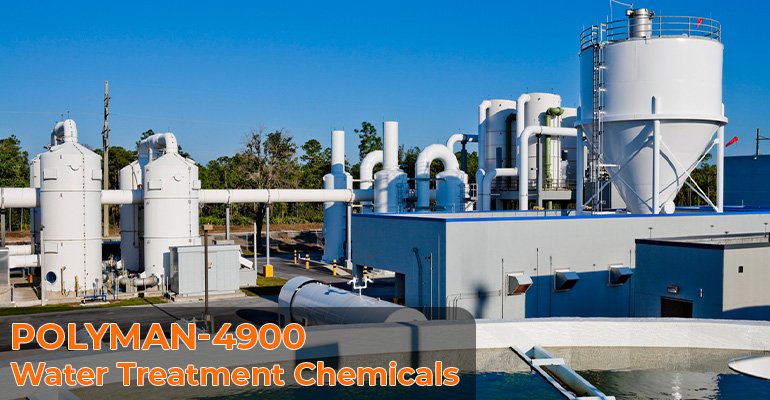
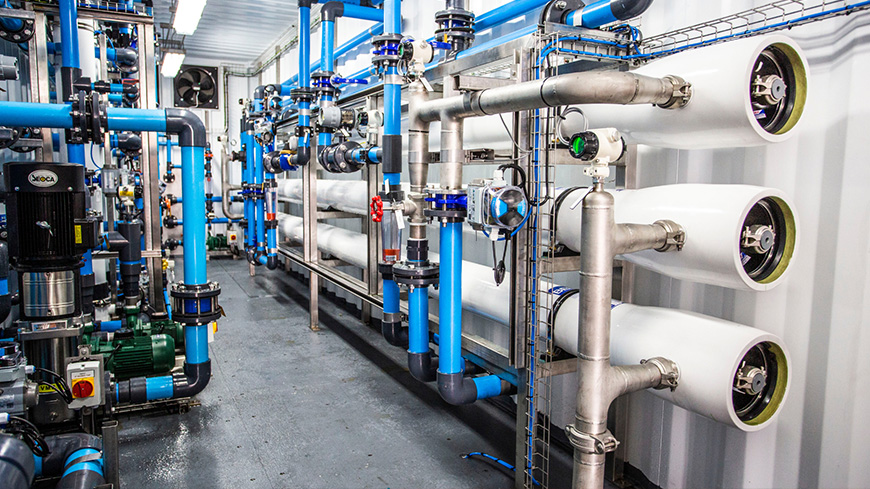
Industrial water treatment formulations are designed to deal with a range of issues such, as minerals, hardness ions and suspended particles. These problems can affect how equipment performs and how smoothly the entire process operates. If left unchecked these problems can lead to deposits of minerals or hardness materials. Such buildup often happens on heat‑transfer surfaces, pipes and other components and such buildup can reduce efficiency and cause problems...
Sulfonated Polymers: A Guide to POLYMAN-4900 for Industrial Water Treatment

Sulfonated polymers contain acid/sulfonate groups. Depending on the composition and type of polymer you could use this for mineral control, dispersion and water treatment. It will depend on what properties the polymer has.
Maxwell Additives supply POLYMAN-4900 as part of their POLYMAN polymer range. To make an informed decision about this polymer, find out what polymers can do, what the specification is and what capabilities the supplier has.
What are Sulfonated Polymers?
They are polymers containing acid/sulfonate groups.
The properties of a sulfonated polymer will vary depending on the composition, molecular structure and formulation.
When looking for a polymer for water treatment, there could be a few things to consider.
- Mineral Control – Can the polymer provide the scale control you need?
- Dispersion – Will the polymer blend well with dispersed particles?
- Chemical Compatibility – Will it be compatible with the chemicals in your process?
- Water Properties – What is the composition of the water? What is the temperature? What is the pH? What are the key values in your system?
- Product Information – What grade is the product? What is the specification? What are the storage requirements? What handling requirements are there?
This will help you to identify what properties you need in a product.
Understanding Quad Polymers and Carboxylic Sulfonate Multi Polymers
Polymers used in industry can be created using functional groups to give certain properties. Multi polymers are created using monomer units to provide a different chemical structure.
Carboxylic Sulfonate Multi Polymers contain sulfonate units within the polymer. I think that depending on the makeup this can be used in mixtures where working with water, managing minerals and spreading out evenly’re important.
Quad polymers usually mean polymers that have four monomers. Quad polymers are not always that so Quad polymers can vary. Therefore Quad polymers should always be checked for the blend and the properties they have. The best way to do that is, by looking at the documentation.
When comparing polymers, understanding what type of polymer you are looking at is key. Just because it has a certain name doesn’t mean you know what blend it is, what it can be used for and whether it will be suitable for your water treatment.
POLYMAN-4900
This product is supplied as part of the POLYMAN polymer range from Maxwell Additives. When considering this product, companies should look at the product information to understand what the actual chemical description is, the specification and what it can be used for.
Before looking at POLYMAN-4900 for your application, you should understand what you need from your water treatment.
Important considerations:
- What is the application in industry?
- What are the properties of the water?
- What is the aim of the treatment?
- Will it be compatible with the chemicals?
- What are the specifications provided?
- Any testing required?
This will allow you to make an informed decision based on the actual product information.
Why Carboxylic Sulfonate Multi Polymer is Important
When choosing a polymer, you’ll need to know how it fits into your process. Whilst it may be suitable for the group it is in, it may not be suitable for all of your applications.
When considering a Carboxylic Sulfonate Multi Polymer Supplier in India, consider:
1. Identifying the Product
Make sure you know what product you are looking at. Polymers can look similar. Polymers have very different chemical compositions and properties.
When looking at POLYMAN-4900, ask Maxwell Additives to provide the product information. Ensure that you know what category the product falls into and what composition information is available.
Having clear information about what product you are looking at will avoid confusion when comparing products.
2. Product Information
Having product information will help you to understand if the polymer will be suitable for your safety and purchasing needs.
Depending on the product and application you may need:
- Technical Data Sheet (TDS)
- Safety Data Sheet (SDS) – This should be the first thing to look at.
- Product specifications.
- Batch quality documents (if required).
- Storage and Handling guidelines.
Make sure you have read the information carefully. If any specifications are unclear ask the supplier to explain the information. Make sure you know whether you need information because of your internal quality requirements.
3. Suitable for Application
The type of polymer you choose will depend on what issue you are trying to overcome. The water properties, temperature, pH, mineral levels and other treatment chemicals will all impact on what product you choose.
If the formulation isn’t suitable for the water system, then it may not be suitable for the operating conditions of another system. Always make sure that you are clear, on the requirements. Make sure that the product fits the conditions.
You may need to carry out lab testing or a trial to see if this is suitable for your application.
4. Compatible with Chemicals
Chemicals may be used together within an industrial water treatment programme. This can impact the stability of the formulation and overall performance.
Before choosing a multi polymer, ensure that you know what compatibility it has with the chemicals. Don’t assume that products within a category will act the same.
Testing may be required for the application.
5. Quality and Ordering Requirements
Whilst ensuring that the product is technically suitable, you’ll also want to know what information the supplier will provide, what product they are supplying, what packaging they have, what availability they have and what delivery options.
If you require regular orders of chemicals, having clear ordering processes and agreed specifications will make it easier to purchase.
Having a consistent way of evaluating your suppliers will help the procurement team.
How to Choose a Carboxylic Sulfonate Multi Polymer Manufacturer in India
To choose a manufacturer, you’ll want to know what product they are supplying and what information they can provide.
Step 1: Understand your application.
I want to understand why I need the polymer.
I also want to know what situations the polymer will face. Know what water characteristics, working conditions and mixing needs you have.
This will make it easier to talk to the manufacturer about whether the product will work for your use. The product will also need to be checked for compatibility.
Step 2: Confirm the grade.
Ask for the name and grade of the product. When looking at POLYMAN-4900, ensure that you know what the product description is and what the current specifications are.
Don’t choose a product based on a general category.
Step 3: Request technical and safety information.
Ensure that you have the product information. This will help you to know if it will be suitable for your purchasing needs.
Ask for any missing information.
Step 4: Compatibility and testing.
Talk to the supplier about the conditions of your process. Make sure you know whether you need to do compatibility testing. Ensure that you know if you need to carry out compatibility testing. If required, set up a testing process.
Step 5: Cost.
Look at the cost of the product. What packaging is available? What order quantities? What availability? What delivery options?
Having everything compared will help you know what the overall offer is.
Step 6: Ordering requirements.
If you require regular orders, ensure that you know what the expected consumption, ordering frequency, lead times and documentation requirements will be.
Having this planned out can help you manage your procurement effectively.
How Sulfonated Polymers are Used in Industrial Water Treatment
Water treatment in industry can be a challenge. Some systems can have issues with mineral build up, suspended particles and varying water properties.
If the polymer has suitable properties for your application, it may be added to your formulation. Different applications will have different criteria to consider.
1. Mineral Control
Minerals can collect in your body because of how easily substances dissolve in water. The best way to handle this will be different based on the kind of minerals involved the features of the water the temperature and how the system is set up. Always think about the mineral control requirements of your project. When you choose a polymer follow them carefully.
2. Dispersion
Dispersion refers to how the particles disperse in a liquid. Dispersant polymers can be added to help manage the behaviour of the particles.
This will depend on the properties of the materials, particles and operating conditions. Ensure that you have looked at the technical information and whether testing is required.
3. Compatibility
If you are using a polymer in an industrial treatment programme, you’ll need to consider it with the rest of the formulation. The compatibility, concentration, water properties and operating conditions can all effect how suitable the treatment is.
Consider the product information and application requirements.
How to Choose a Carboxylic Acid Supplier in India
When looking for a Carboxylic acid Supplier in India, you’ll want to know what information they can provide, what technical support they can provide and what purchasing requirements they have. Ensuring that they can provide documentation will help you to know if the product will suit your needs.
Consider:
- Product clarity – Ensure that you know what actual chemical product and grade you are looking at.
- Technical information – Ask for specifications and safety information.
- Application – Tell them what you need it for and ask any questions about the product.
- Quality – What batch/quality information is available?
- Cost – What is the cost of the product? What packaging is available? What order quantities? What delivery options?
- Communication – I want you to remember that clear communication is essential when you talk about your ordering requirements and when you talk about the product information.
Carboxylic acid is a type of chemical. Make sure you understand what the real material is and what level of product you are considering.
If you are searching for POLYMAN-4900 make sure you understand the product description.
Why Choose Maxwell Additives for POLYMAN-4900?
Maxwell Additives provide a range of polymers as part of their POLYMAN range. When considering POLYMAN-4900, you’ll have a point of contact.
Before purchasing, you can ensure that:
- You know what the actual name and grade of the product is.
- You can request the technical and safety information.
- You can discuss what you need it for and the operating conditions.
- Check compatibility and if testing is required.
- Know what the packaging order quantities, availability and delivery options are.
This will help you to make an informed decision based on your technical and cost requirements.
When looking for a Carboxylic Sulfonate Multi Polymer Supplier in India, you can use these criteria to help you choose the best option for your purchasing needs.
Common Mistakes to Avoid
If you don’t take time to consider your purchase, you may miss out on key details.
1. Choosing a polymer based on the name.
Don’t choose a product based on the name or general chemical category. Ensure that you know what grade of polymer you are looking at and what the relevant specifications are.
2. Focussing on cost.
Whilst cost is an important factor, you’ll want to ensure that you have the product information, compatibility, packaging and delivery information.
3. Not considering application.
The composition of the water, temperature, pH and other chemicals may impact on what product you need. Ensure that you consider the conditions of your process.
4. No compatibility checks.
Don’t assume that the polymer will be compatible with all chemicals/formulations. Check the information and carry out the correct testing.
5. No technical documents.
If the product information is unclear, it can be difficult to compare products. Request the documents.
6. No planning for repeat orders.
If you require regular polymers, you’ll want to know the lead times, order quantities and delivery information. Having a planned process can help to avoid last minute issues.
Conclusion
Choosing a polymer will depend on understanding the chemical properties, application requirements, compatibility and product information. When considering polymers, don’t just look at general product descriptions but consider the technical and cost factors.
POLYMAN-4900 from Maxwell Additives will give you a starting point when researching the POLYMAN polymer range. Ensure that you know the specification of the products, discuss your requirements with the supplier and whether testing is required for your application.
When considering a Carboxylic Sulfonate Multi Polymer Supplier in India or a Carboxylic Sulfonate Multi Polymer manufacturer in India, having a clear process to evaluate your options will help you to understand what product you need. Using verified information and evaluating each product for your application will help you to make informed decisions when purchasing industrial chemicals.
FAQs
1. What are sulfonated polymers?
Sulfonated polymers are polymers containing sulfonic acid or sulfonate functional groups. Their properties depend on their chemical structure and formulation, and they may be considered for different industrial applications.
2. What is POLYMAN-4900?
POLYMAN-4900 is part of the POLYMAN polymer range from Maxwell Additives. Buyers should consult the current product documentation to confirm its exact classification, specifications, and intended applications.
3. How do I choose a Carboxylic Sulfonate Multi Polymer Supplier in India?
Compare suppliers based on product identification, available technical documentation, application-related communication, quality requirements, pricing, availability, and delivery terms.
4. What should I ask a Carboxylic Sulfonate Multi Polymer manufacturer in India?
Ask for the exact product grade, current specifications, relevant safety documents, available quality records, packaging details, and information needed to evaluate the intended application.
5. Are all sulfonated polymers suitable for water treatment?
No. Suitability depends on the polymer’s chemical structure, documented characteristics, water chemistry, and treatment objective. The intended application should guide product selection.
6. What is the difference between a ter-polymer and a quad-polymer?
A ter-polymer is generally formed from three different monomer components, while a quad-polymer generally involves four. The exact composition of a commercial product should be confirmed through its official documentation.
7. What documents should I ask for before purchasing POLYMAN-4900?
Depending on your requirements, ask for the Technical Data Sheet, Safety Data Sheet, product specification and any applicable batch quality documents. Ensure that you know if you need any extra documents from the supplier.
8. How can I ask about POLYMAN-4900 from Maxwell Additives?
Visit the Maxwell Additives website to ask about POLYMAN-4900. Request any available technical information and discuss your product and purchasing requirements.
Related Posts