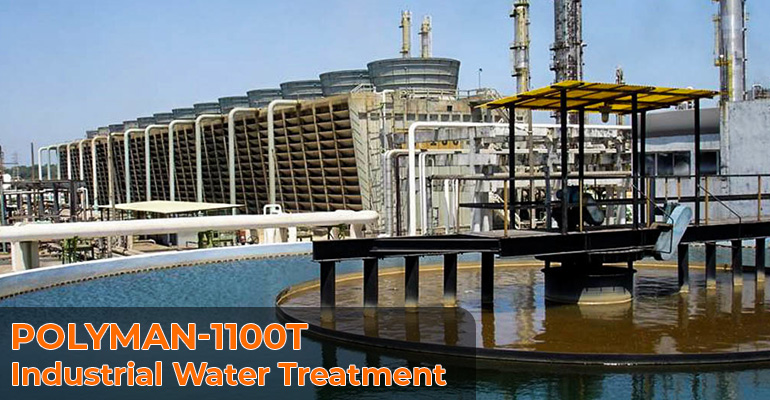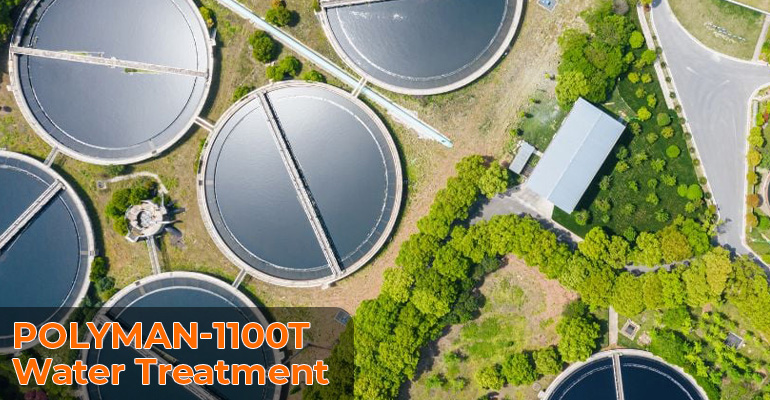
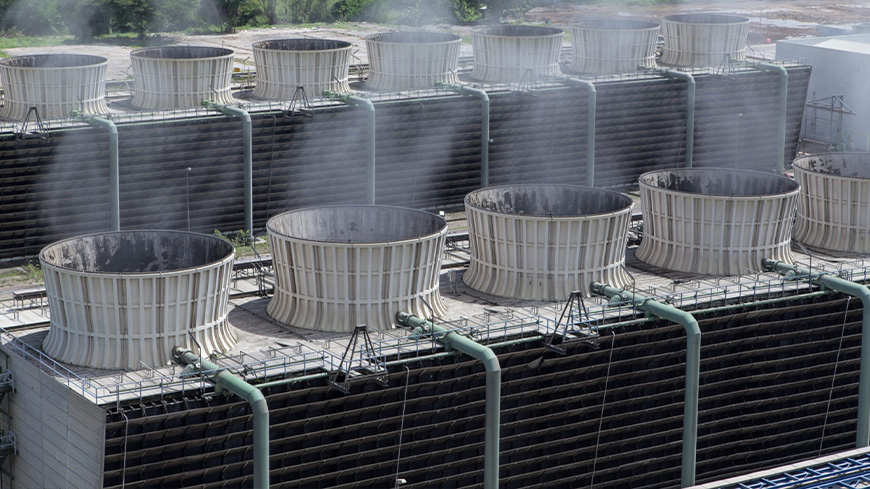
Industrial water treatment formulations are designed to deal with a range of issues such, as minerals, hardness ions and suspended particles. These problems can affect how equipment performs and how smoothly the entire process operates. If left unchecked these problems can lead to deposits of minerals or hardness materials. Such buildup often happens on heat‑transfer surfaces, pipes and other components and such buildup can reduce efficiency and cause problems...
Phosphono and Carboxylic Acid: POLYMAN-1100T
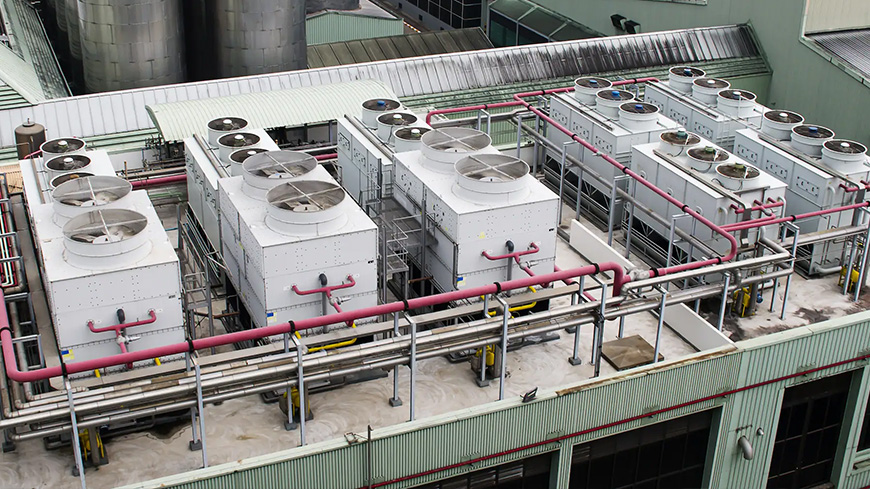
When looking at water treatment it is important to think about how you will deal with your mineral scale and particles using Phosphono and Carboxylic Acid chemistry. When choosing the right chemical you also need to think about its composition how it will be used, if it works well with other materials and the conditions it will be used in.
POLYMAN-1100T is a phosphino polymer supplied by Maxwell Additives. This polymer is a dispersant and scale inhibitor allowing it to be used within your water treatment regime to reduce the risk of mineral deposits.
This article will talk through how phosphino-carboxylic polymer chemistry works and how POLYMAN-1100T can be used. We will also look at some practical considerations when choosing.
What is Phosphono and Carboxylic Acid Chemistry?
Phosphono and Carboxylic Acid chemistry refers to the chemical groups that contain phosphorus and carboxylic acid or carboxylate groups. These are important to include in industrial formulations, especially those relating to water treatment and managing minerals.
Within water systems, there can be reactions between minerals that are dissolved. As the conditions vary (temperature, pH, concentration etc), mineral scale can occur.
Polymer based treatment chemicals can be added to treat this. Depending on the structure and application of the polymer, they can help manage the crystal growth of minerals and keep suspended particles in a dispersed form.
The exact functionality of the product will depend on the formulation and technical aspects of the product. It is important therefore to look at the product description and technical information provided by the manufacturer.
Understanding POLYMAN-1100T
POLYMAN-1100T is a phosphino polymer within the POLYMAN range supplied by Maxwell Additives. It can be used for industrial water treatment and cooling water applications.
This product can act as a dispersant and scale inhibitor which is important if you are facing issues with mineral deposits and particulate build up.
Rather than assuming POLYMAN-1100T will be a one stop solution to all your water quality issues, it is better to understand how it will work for your application.
Before choosing this product, technical teams should consider:
- Water hardness and scale forming minerals
- Operating temperature and pH
- Particles in suspension and build up
- Chemical compatibility
- Scale control and dispersion requirements
- Handling, storage and dosing requirements.
By considering these factors, you will be able to make a more informed choice and develop an effective water treatment regime.
Why is Scale Control Important in Industrial Water Treatment?
Scale can occur when dissolved substances form deposits. Calcium rich minerals and scale forming compounds can build up on heat transfer surfaces, pipework and equipment.
This can cause issues such as:
1. Build up on equipment surfaces
Minerals can build up on surfaces that come into contact with process/cooling water. The amount and type of scale will depend on the water composition and conditions.
2. Heat transfer efficiency
Deposits can reduce heat transfer efficiency within heat exchange equipment. This can depend on the type and thickness of the deposit, equipment design and conditions.
3. Increased maintenance
Scale build up can increase the need for inspections, cleaning and maintenance. With the correct water treatment regime, factors causing deposits can be managed.
4. Water system management
Within industrial water systems, there can be variation in the water hardness, temperature, concentration and quality. By regularly monitoring, treatment teams can understand how these are changing and adapt the treatment regime.
Scale inhibitors such as POLYMAN-1100T can be trialled as part of your water treatment strategy. However you need to prove they will work within your system.
What is the Role of a Polymer Dispersant?
Scale Inhibitor
Helps to control the scale forming or growing.
Dispersant
Helps to reduce the tendency of particles to come together.
Within a water system this can be beneficial. Minerals can be present within the water along with suspended particles.
POLYMAN-1100T is a dispersant and scale inhibitor polymer according to Maxwell Additives. It is important to consider the mineral composition, suspended matter and conditions along with other chemicals.
The aim is to choose the right polymer rather than just looking at the chemical name. POLYMAN-1100T should be identified as a polymer that can do the job within the full treatment regime.
How to Evaluate POLYMAN-1100T for Cooling Water Applications
Cooling water systems can have varying conditions with the mineral concentration. This can effect how much scale can occur.
By considering the following, you can determine if POLYMAN-1100T would be suitable for your application.
1. Water Analysis
Start by analysing the water. Consider factors such as hardness, alkalinity, pH, dissolved minerals and others. This will provide you with a base understanding of what scale control you need.
2. Operating Conditions
Consider what the operating conditions are. This includes the temperature, water circulation and concentration. POLYMAN-1100T may not perform the same if conditions vary.
3. Formula Compatibility
If you are using this alongside any treatment chemicals, consider if it will be compatible. This can effect how stable your formula is.
4. Trial Application
If possible, trial the application within the lab. This will help determine if it will provide the desired outcome. Try to use the water and conditions.
5. Determine Dosing Requirements
Decide how much dosing is required. This should be done by technical evaluation and using the manufacturers guidelines. Don’t assume from the general product description or copy from another industrial system.
6. Monitoring
Once implemented, monitor the water quality parameters, scale build up and system performance. This will help to determine if the treatment regime is still suitable as conditions change.
Considerations When Choosing a Phosphino Carboxylic Polymer
Choosing the right polymer isn’t as simple as comparing product names or prices. You should consider practical aspects and whether the supplier can provide the right information.
1. Chemical
Ensure you understand what type of product it is and what functionality it has. Look at the official technical information.
2. Application
Determine if POLYMAN-1100T is intended for cooling water, another industrial water system or for a specific water based formula.
3. Properties
Look at the properties such as appearance, pH, density, solids and water solubility if relevant.
4. Compatibility
Determine if it will be compatible with other chemicals.
5. Testing
Understand what testing is required to prove it will work within your water conditions.
6. Handling, Storage
Follow the manufacturers recommendations.
This will help procurement teams and technical professionals compare products based on the requirements.
Why Choose Maxwell Additives?
Maxwell Additives provide specialist chemicals for many applications. They provide a range of water treatment polymers within the POLYMAN range. POLYMAN-1100T can be used for industrial water treatment and cooling water applications. It can act as a dispersant and scale inhibitor.
When considering this as a supplier, you can look at the information available for the product. This includes:
- Current technical information
- Recommended applications and limitations
- Chemical compatibility
- Dosing recommendations and application testing
- Packaging, storage and handling
- Availability and supply requirements.
By discussing these points you can determine if POLYMAN-1100T will be suitable. However the final decision should be made based on product information and testing.
Common Errors
Not considering the full water system can lead to an ineffective treatment regime. Common errors to avoid are:
- Choosing the product based on the name
- Not considering water chemistry
- Assuming one dosage will work for all systems
- Not considering compatibility
I always recommend considering the compatibility of the polymer with the chemicals within your treatment regime. This can help to identify any issues with the formula or conditions.
- Not monitoring performance
The water conditions may change over time. I believe it is important to regularly monitor to determine if the polymer treatment regime is still achieving the objectives.
Avoiding these common errors will ensure you make an informed decision.
Conclusion
Phospheno and carboxylic Acid is something that many industries will look into when researching polymer based water treatment solutions. However, it is important to understand the polymer, what it is for and what conditions it will be used within.
POLYMAN-1100T from Maxwell Additives is a phosphino polymer that can be used as a dispersant and scale inhibitor within industrial and cooling water treatment. It can be considered if you require scale control and particulate dispersion.
Before choosing this product, consider the information, analyse the water, ensure compatibility and carry out application testing. By doing this, teams and buyers can make decisions based on the true requirements of the polymer treatment.
FAQs
1. What is Phosphono and Carboxylic Acid used for?
This phrase relates to phosphorus containing and acid/carboxylate chemistry. Within water treatment this may be used to control scale and disperse particulate within polymer chemistries. The application will depend on the polymer product composition and technical properties.
2. What is POLYMAN-1100T?
POLYMAN-1100T is a phosphino polymer supplied by Maxwell Additives. It can be used for industrial water treatment and cooling water applications. It acts as a dispersant and scale inhibitor.
3. How does a polymer dispersant help within water treatment?
A suitable polymer dispersant can help to reduce the likelihood of particulate coming together. The performance will depend on the particulate properties, water chemistry, dosing and conditions.
4. Why is scale inhibition important within cooling water systems?
Scale can build up within pipework, heat transfer surfaces and other equipment. By managing scale formation it can help reduce issues caused by deposits.
5. Can POLYMAN-1100T be used within all water systems?
No polymer should be assumed to work within all systems. It is important to consider the water quality, temperature, pH, mineral concentrations, treatment chemicals and application.
6. How should dosing be determined?
Dosing should be determined by testing and using the manufacturers technical information. The correct amount will depend on the water chemistry, conditions and objectives of the polymer treatment.
7. What should buyers consider before purchasing a phosphino polymer?
I would recommend considering the chemical, technical information, application, compatibility, handling, information provided by the supplier and availability. Testing should be carried out to ensure,
8. Where can I find POLYMAN-1100T for water treatment?
POLYMAN-1100T can be found within the POLYMAN range supplied by Maxwell Additives. Consider the information provided and contact the team to confirm the specifications and application.
Related Posts