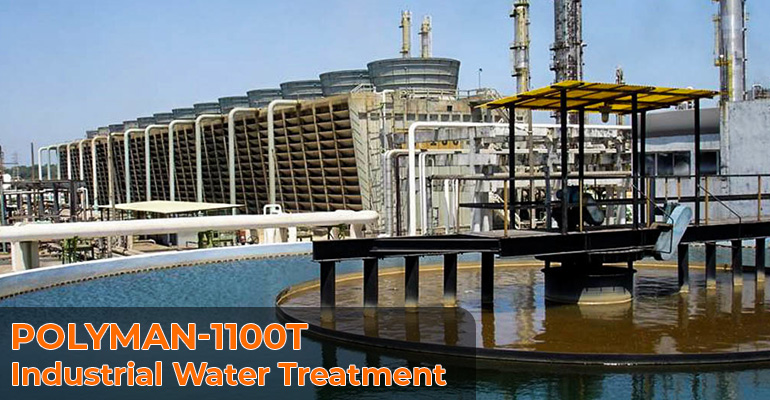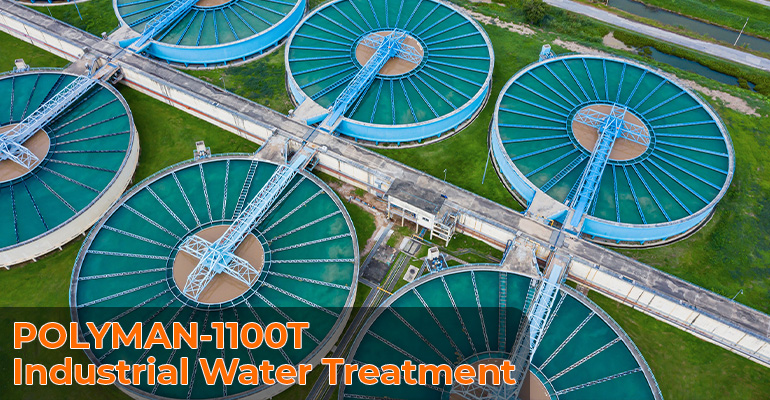
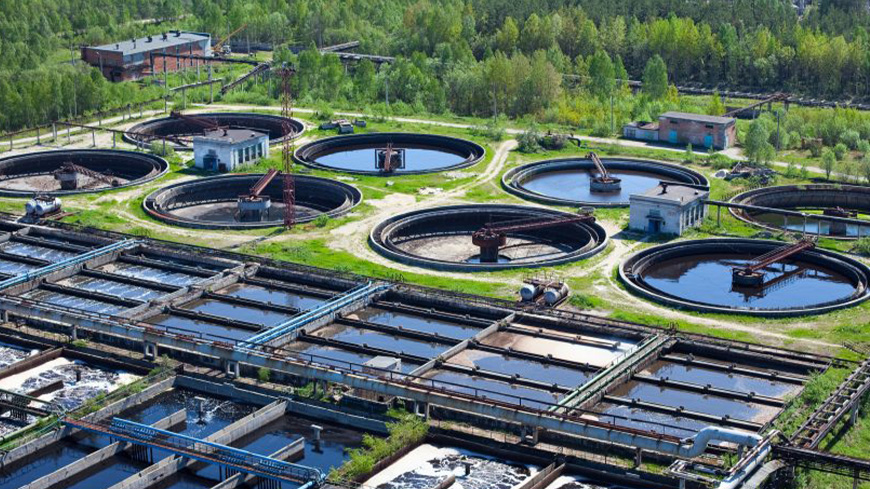
Industrial water treatment formulations are designed to deal with a range of issues such, as minerals, hardness ions and suspended particles. These problems can affect how equipment performs and how smoothly the entire process operates. If left unchecked these problems can lead to deposits of minerals or hardness materials. Such buildup often happens on heat‑transfer surfaces, pipes and other components and such buildup can reduce efficiency and cause problems...
Non Flammable Phosphono and Carboxylic Acid for Industrial Chemical Applications
Non Flammable Phosphono and Carboxylic Acid Description
Non Flammable Phosphono and Carboxylic Acid refers to a polymeric substance with relevance to industrial water-treatment chemicals that target mineral control and dispersion. Maxwell Additives’ POLYMAN-1100T falls under the category of phosphino polymers. Products that are Non-Flammable and Non-Combustible are available in a liquid form and are completely water-soluble.
The phosphino carboxylic acid composition provides dual functionality through the combination of phosphino and carboxylate groups in a single polymer. In water, metal ions, minerals, and suspended matter can interact with one another depending on temperature, concentration levels, and water quality. These factors should be taken into account when selecting a polymer that will fulfill dispersion and scale control requirements, while being suited to a particular chemical program.
The designation of Non-Flammable is a safety-related feature, which should be distinguished from the functional characteristics of a given polymer. Non-Flammability describes the interaction of a substance with an open flame and points to general safety handling guidelines. The phosphino-carboxylic chemistry, on the other hand, indicates the ability of the polymer to control minerals and dispersion in water. Safety-related and functional characteristics are both considered by industrial chemical buyers when selecting a polymer for a water-treatment program.
When searching for a Non-Flammable chemicals Supplier in India, considerations go beyond whether or not a chemical is Non-Flammable. Potential buyers should evaluate the functional characteristics, compatibility with existing treatment programs, physical form and technical specifications, packaging and storage requirements, and general supply chain reliability of a polymer before making a selection.
Likewise, a Non-Flammable chemicals manufacturer in India should be able to provide technical and safety information regarding their product, in addition to offering the substance in a quality-assured form that is suited to specific applications. From the perspective of treatment chemicals, both performance and supply chain reliability are key factors in determining the most suitable option.
Key Reasons Behind the Interest in Non-Flammable Chemicals
The selection of chemical products often depends on the general environment, where a substance is likely to be stored, transported, dosed, and applied. In a large manufacturing facility, there could be multiple chemical products that fall under different categories at any given time. The physical and safety characteristics of a chemical then become an important consideration for procurement and storage officials. A chemical that is Non-Flammable would be relevant to a storage and handling procedure that takes flammability into account.
However, the designation of Non-Flammability does not override other safety precautions, which should still be taken when handling, storing, and transporting a substance in accordance with applicable regulations. Protective equipment, storage conditions, spill management, labeling, documentation, and other aspects contribute to general chemical safety in any facility.
The functional requirements of a chemical program should also be taken into account when considering a Non-Flammable substance. In the case of a polymer that is used for water treatment applications, the compatibility with dosing equipment is an important point of evaluation. In comparison to a solid substance that would require additional preparation steps, a liquid water-soluble polymer can be used in a more straightforward manner. The choice of dosing equipment, however, will still depend on the requirements of the treatment program.
As a substance is introduced to a chemical program, additional considerations relate to whether or not it can be integrated into an existing treatment framework. In the case of a polymer, compatibility with phosphonates, corrosion-inhibiting additives, biocides, and other polymer-thickeners should be established prior to implementation. The selection of a water-treatment chemical is therefore a multifaceted process that goes beyond general observations and safety characteristics.
Important Features of Non-Flammable Phosphono and Carboxylic Acid
1. Characteristic of Being Non-Flammable
Maxwell Additives’ POLYMAN-1100T is Non-Flammable and Non-Combustible, which provides additional insight into the safety profile of the polymer. As such, it can be considered for chemical programs and facilities that take into account the safety attributes of a substance at the facility level.
2. Phosphino-Carboxylic Acid Composition
The phosphino-carboxylic acid composition of POLYMAN-1100T allows it to serve dual functions, which is beneficial to formulators that seek to evaluate mineral-control options. This characteristic is relevant to water treatment programs that seek to manage both scale and dispersion.
3. Liquid Form
POLYMAN-1100T is available in a liquid form, which facilitates the introduction of the polymer to a chemical program. While a liquid water-soluble substance is generally easier to dose, the choice of equipment and the concentration levels will still depend on the requirements of the water treatment program.
4. Water Solubility
According to the manufacturer, POLYMAN-1100T is completely water-soluble, which means that it can be used in water-based chemical formulations without additional preparation. This characteristic is relevant to the creation of chemical solutions that require a polymer component.
5. Dispersion-Oriented Chemistry
POLYMAN-1100T can be utilized in applications that seek to maintain suspended mineral particles in a dispersed form. This characteristic supports the development of chemical programs that target the management of deposits in water treatment systems.
6. Water-Treatment Application
POLYMAN-1100T is intended for water-treatment applications, where it addresses mineral-control concerns. This polymer should be evaluated in conjunction with mineral-analysis data for a given water source.
7. Non-Foaming Nature
Maxwell Additives classifies POLYMAN-1100T as a foaming dispersant, which indicates its relevance to water-treatment applications that experience unwanted foaming. Excessive foam in a water system can interfere with dosing, observation, and general operations.
How Phosphino-Carboxylic Chemistry Contributes to Water-Treatment Programs
The management of scale deposits in water treatment is not limited to the removal of visible deposits. A chemical program aims to ensure that minerals, suspended matter, metal ions, and other substances do not accumulate on surfaces throughout the course of operations. The interaction of these materials with one another, as well as with the characteristics of water, can change throughout the course of operations. A phosphino-carboxylic polymer can support the management of these variables.
The functional characteristics of a polymer are relevant to the type of water treatment program that it can be a part of. In the case of POLYMAN-1100T, the presence of both phosphino and carboxylic acid groups indicate that it can contribute to the modification of mineral behavior. In practice, this means that it can be a part of a chemical program that manages both scale and suspended matter.
A water treatment program that makes use of a polymer involves continuous adjustments, which are made in accordance with the observed changes in the characteristics of water. The modification of mineral-ion interactions is a part of this process, which informs the choice of a polymer. A polymer that influences the behavior of minerals in a targeted manner can provide greater stability to the chemical program, as its impact extends to the interactions of other substances within the water.
An illustrative example of the role of a polymer in a treatment program is a water circuit that involves the circulation of water through equipment. As this takes place, a portion of the water is removed in the form of condensate, while another portion is returned to the circuit following treatment. The overall volume of water that is subject to treatment is reduced, which means that the concentration of dissolved minerals is increased. A chemical program that does not account for this change will be less effective at managing deposit formation.
A phosphino-carboxylic polymer is not designed to remove all of the minerals from a water source, since doing so would interfere with the overall operations of the facility. Instead, it modifies mineral-ion interactions, influencing other aspects of a chemical program in turn. The presence of both phosphino and carboxylate groups in the polymer’s composition allows it to fulfill this role, which is further supported by its ability to aid in the dispersion of solids.
The functional characteristics of a polymer determine its relevance to a water treatment program, but the characteristics of the water itself are also taken into account when selecting a substance. The performance of POLYMAN-1100T is influenced by the mineral content, temperature, pH, and other variables, in addition to the compatibility with other additives. It is vital to consider these points when determining the suitability of a polymer to a water treatment program, in accordance with the requirements of a chemical formulation.
Making a Choice Between Alternate Non-Flammable Chemicals
The term ‘chemicals’ encompasses a wide range of materials that can serve drastically different purposes. A scale-control polymer that is Non-Flammable cannot be directly compared to another substance that has similar safety characteristics but serves a different purpose. The point of departure in the selection of a chemical is the purpose that it is intended to serve.
If mineral deposits are a concern, the type of scale that needs to be addressed should be identified, along with its mechanism of formation. If suspended matter is a concern, its nature and behavior should be taken into account. In the case of corrosion, a suitable corrosion-control chemical should be identified. A similar approach can be applied to other areas of water treatment, where the choice of a chemical depends on the characteristics of a water source and a chemical program.
This is particularly relevant for a Non-Flammable chemicals Supplier in India, who should be able to assess the requirements of a chemical program prior to making a recommendation. A detailed discussion of water characteristics, chemical formulation, and application conditions can facilitate the identification of the most suitable chemical.
For a Non-Flammable chemicals manufacturer in India, the reliability of supply is an additional consideration that should be taken into account. A chemical program is only as reliable as the supply chain that supports it, which is why a buyer’s considerations should extend to technical specifications, product consistency, documentation, and other factors.
Considerations for the Use of Phosphono and Carboxylic Acid
Water-treatment programs that make use of a polymer require extensive evaluation prior to implementation. The characteristics of a water source determine the requirements of a chemical program, which are then fulfilled by a combination of additives. The current state of chemical formulation should also be taken into account, as the introduction of a polymer may affect its performance. The nature of suspended matter, the level of mineral content, and other aspects should be analyzed to determine the suitability of a polymer for a specific application.
Dosing considerations are also relevant to the introduction of a polymer to a chemical program. Increasing the concentration of a substance does not always lead to improvements, which is why a comparative analysis should be conducted to identify the most effective range. The conditions of a water treatment facility should also be taken into account when examining the performance of a polymer, as laboratory settings are only indicative of general trends.
A treatment program that takes these aspects of polymer use into account can be more effective at fulfilling the requirements of a chemical formulation.
Benefits of Using Non Flammable Phosphono and Carboxylic Acid
1. Ensuring Mineral-Control Capabilities
The capabilities of a phosphino-carboxylic polymer are relevant to chemical programs that seek to manage the formation of deposits and scale. Its characteristics can be utilized to fulfill mineral-control requirements, which are applicable to a range of industrial settings.
2. Achieving Dual Functionality
The presence of two distinct functional groups contributes to the effectiveness of POLYMAN-1100T as a polymer with scale-control capabilities. This characteristic is relevant to formulators and program designers that seek to fulfill multiple requirements with a single substance.
3. Considering Safety Characteristics
As a Non-Flammable and Non-Combustible substance, POLYMAN-1100T can be considered for use in settings where this characteristic is an important factor in chemical selection. It should be noted that standard safety precautions still apply to the use of any chemical substance.
4. Supporting Water-Based Formulations
The use of a water-soluble polymer facilitates the creation of chemical solutions that feature this substance as a component. This characteristic is relevant to the selection of a polymer for a water treatment program.
5. Facilitating Continuous Programs
Water treatment programs typically operate on a continuous basis, which informs the choice of chemical formulation and additives. A polymer that actively influences the characteristics of water can contribute to the stability of a chemical program, even when the mineral content changes.
6. Providing Formula Flexibility
The characteristics of a polymer can be relevant to the choice of a chemical formulation and the compatibility with other additives. This information facilitates the development of a formulation that takes the unique requirements of a program into account.
7. Supporting Technical Procurement Decisions
The characteristics of a chemical product, beyond its safety and cost, support the decision-making process of buyers and managers. These considerations can be relevant to the selection of a polymer for a water treatment program.
Maxwell Additives as a Speciality Chemicals Manufacturer
Maxwell Additives Pvt. Ltd. is involved in the production of a wide range of specialty chemicals and water-treatment additives, including phosphonates and polymers. As a leading specialty chemicals manufacturer, the company provides a varied selection of products that span across different domains. The extensive branch of phosphonates, alongside the range of polymer products, allows customers to select from a wide range of treatment chemicals. With over three and a half decades of experience in the specialty chemicals industry, Maxwell Additives Pvt. Ltd. is headquartered in Vadodara, Gujarat.
For buyers that are looking to procure either a Phosphono and carboxylic Acid Supplier in India or a Phosphono and carboxylic Acid manufacturer in India , Maxwell Additives’ POLYMAN-1100T can be a reliable option. As a phosphino-polymer, it is suited to addressing mineral-control requirements in a water-treatment program. The specification sheet highlights its Non-Flammable characteristics as well as its liquid form and other pertinent information.
Conclusion
Non-flammable Phosphono and carboxylic Acid combines the functional characteristics of a polymer with an important safety designation. The phosphino-carboxylic chemistry facilitates the modification of mineral-ion interactions, contributing to the management of scale and suspended matter in a water treatment program, whereas the Non-Flammable and Non-Combustible designation points to its suitability for industrial facilities with specific safety considerations.
The most pertinent aspect of a chemical product is its intended use, which has a direct influence on its effectiveness. Water-treatment programs benefit from a polymer that has been selected in accordance with the characteristics of the water source, such as its mineral content and pH. Temperature, along with the general conditions of a water treatment facility, are additional points of consideration.
Buyers that are looking to identify a Non-flammable chemicals Supplier in India cannot rely solely on price comparisons when selecting a chemical. Technical specifications, compatibility with a chemical program, general supply chain reliability, and other considerations should be taken into account by buyers in order to identify the most suitable chemical for their needs.
FAQs About Non-flammable Phosphono and carboxylic Acid
1. What is Non-flammable Phosphono and carboxylic Acid used for?
Non-flammable Phosphono and carboxylic Acid can be used in water-treatment formulations, where deposits and dispersion are a concern. POLYMAN-1100T is a phosphino-polymer that can be utilized in industrial water-treatment settings that involve the management of scale and the dispersion of suspended matter.
2. Is POLYMAN-1100T non-flammable?
Yes, POLYMAN-1100T is Non-Flammable and Non-Combustible, as specified by its manufacturer Maxwell Additives. Non-Flammable characteristic of POLYMAN-1100T can be relevant to industrial facilities that take into account the safety characteristics of a chemical prior to its adoption. However, standard chemical safety precautions still apply to the use of this polymer, as it remains a chemical substance.
3. What should I check when selecting a Non-flammable chemicals Supplier in India?
When selecting a Non-flammable chemicals Supplier in India, it is important to consider the following:
- Product quality and technical specifications
- Product supply and packaging
- Documentation and technical support
- Application requirements and general compatibility
By engaging in a detailed discussion about a chemical and its intended use, buyers can identify the most suitable supplier for their needs.
4. Can Phosphono and carboxylic Acid be used with water-treatment chemicals?
It can be used as a component of a chemical formulation, where its compatibility should be established prior to the implementation of a program. Phosphonates, additives, other polymers, corrosion-inhibiting chemicals, biocides, and a range of other substances can be relevant to the selection of a polymer.
5. Why is non-flammability important, for buyers?
As a safety-related designation, non-flammability can point to the general reliability of a chemical in a specific setting. When comparing the characteristics of different chemicals, however, other factors should be taken into account by buyers in order to determine the most suitable chemical for a given application.
6. How can I choose a Phosphono and carboxylic Acid manufacturer in India?
When I choose a Phosphono and carboxylic Acid manufacturer in India, the following considerations assist me in my selection:
- Manufacturer experience and quality assurance
- Consistency of raw materials and product quality
- Technical knowledge and support
- Product documentation and supply terms
- Customer support and communication
- Application-specific considerations
Prior to adopting a product, I conduct a series of tests to identify the extent of its applicability to a given need.
7. Is POLYMAN-1100T suitable for every water-treatment system?
I do not believe that POLYMAN-1100T is suitable for every water-treatment system, as its performance is dictated by a variety of variables. The characteristics of a polymer, water, and a chemical formulation can influence the extent to which a chemical will perform in a given setting. As such, it is important to conduct a set of laboratory-based tests, or site-based trials, in order to determine the suitability of POLYMAN-1100T to a given application.
Related Posts