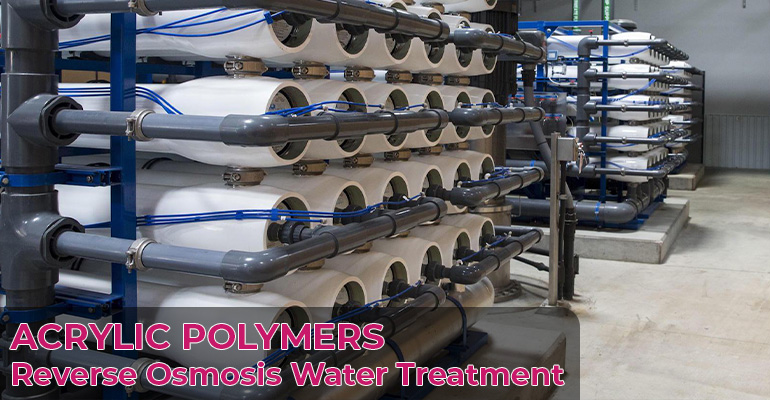
Acrylic polymers are utilised in industrial water treatment. Water may be used for cooling, heating, in equipment, to produce products and more. During this, dissolved minerals, and suspended matter may be introduced into the water...
Carbamates: Chemistry, Drug Design, Toxicity and Industrial Uses
Carbamates can be utilised in various sectors including pharmaceuticals, agriculture and industry. Chemical composition can also be modified to alter a carbamate’s function.
Within a carbamate, the functionality can also influence a compound.
Organic carbamates have been, and continue to be, investigated within the pharmaceutical sector. They can exist in a number of forms.
Within agriculture, some carbamates have been formulated as insecticides. Alongside assessing function, when using a carbamate insecticide consideration must also be given to issues around toxicity and environmental impact. Relevant legislation must also be considered.
Alongside carbamates, other sulphur-containing compounds (for instance, Nabam) also have a range of applications. Although Nabam is not an organic carbamate, it is still categorised alongside them. Therefore, it is important to distinguish between the two carbamate types and consider them in the context of specialty chemicals.
This article will explore the chemical composition and structure of carbamates and related chemicals. Information will also be provided regarding function and safety.
What Are Carbamates?
Carbamates can be synthesised from acid.
Carbamic acid comprises nitrogen and oxygen. Derivatives can then display a variety of functions.
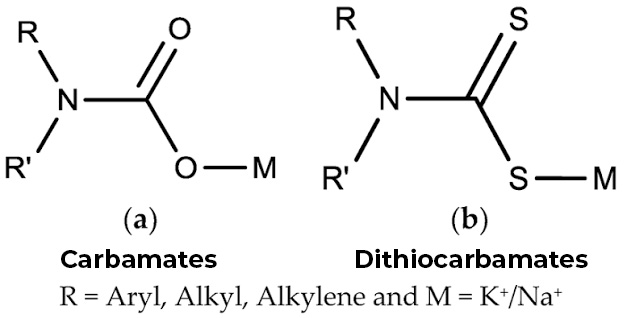
Organic carbamates possess a carbonyl group as well as an oxygen and a nitrogen. This produces a functional group, known as a carbamate.
Depending on which additional groups are present, carbamates can be more or less stable and will also exhibit differing chemical and biological properties.
Consequently, compounds can be designed which incorporate carbamates.
There are various carbamate types, and each possesses distinct chemistry, function and safety characteristics.
Key Features Of Carbamates
- Contain a nitrogen and oxygen functionality.
- Have a molecular structure.
- Demonstrate chemical and physical properties.
- Can engage in molecular interaction.
- May form part of a compound.
- Are utilised within some chemicals.
- Can be incorporated within polymers and are used within chemical synthesis.
- Undergo safety assessment as part of compounds.
As well as functionality, the molecular structure of a carbamate also determines its function.
Chemical Structure Of Carbamates
Structure can influence the properties of a carbamate and its function.
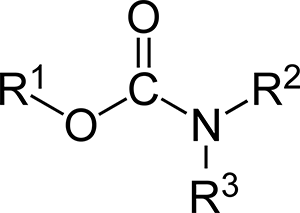
Generally, organic carbamates can be represented as:
R–O–C(=O)–NR’R”
Where:
- R corresponds to organic groups linked to oxygen.
- C represents a carbonyl carbon.
- O denotes oxygen.
- N signifies nitrogen.
- R’ and R” correspond to hydrogen or organic groups bound to nitrogen.
This functionality resembles that of esters and amides. Once more, although there are similarities, carbamates should not be wholly equated to these functionality types as their chemistry differs.
Function Of Carbonyl Group
As part of a carbamate’s molecular structure, a carbonyl group can influence a molecule’s polarity. Furthermore, it can also affect chemical properties and molecular interaction.
Function Of Nitrogen
Nitrogen is involved in defining the characteristics of a carbamate functionality.
Additional groups which may be linked to nitrogen can affect a carbamates’ stability and also its chemical behaviour.
Function Of Organic Groups
Organic groups can be linked to a functionality. Such groups can then influence a compound’s properties.
Different organic groups can modify:
- Mass.
- Water solubility.
- Lipophilicity.
- Stability.
- Function.
- Chemical compatibility.
- Environmental impact.
This is a key attribute of carbamates and is of great value within research and chemical development.
What Are Organic Carbamates?
Organic carbamates are acid derivatives which contain a functionality and carbon.
They fall into a chemical category.
Organic carbamates are present in molecules, agrochemicals, polymers and other chemicals.
As mentioned previously, the characteristics of organic carbamates will depend upon the type and arrangement of groups which are bound to the functionality.
Chemical Properties Of Organic Carbamates
1. Stability
Both a carbamate’s structure and the chemical environment it is within will determine its stability.
Whilst some carbamates are stable, other carbamates can undergo chemical or even biological degradation.
2. Hydrogen Bonding
Carbamate functionality is able to engage in hydrogen bonding.
Such behaviour is significant in areas such as chemical science and polymer development.
3. Solubility
Molecular structure can impact on solubility. Certain organic carbamates are not particularly water soluble. However, organic carbamates may to a degree be water soluble due to the nature of their groups.
4. Chemical Reactivity
Depending upon the circumstances, organic carbamates can become chemically reactive. As with other entities, a carbamates’ reactivity is influenced by the molecule itself together with temperature and pH amongst other factors.
5. Lipophilicity
Lipophilicity relates to how well a molecule fits within a particular environment. Organic groups which are bound to a carbamate can influence the lipophilicity of a compound. This is of significant importance in research and in examining molecular interaction with biology.
6. Stability
Water can cause degradation of some organic carbamates. The extent and rate of such degradation will again depend on a compound’s structure and surrounding environment.
7. Molecular Interactions
Some organic carbamates can engage in molecular interaction with enzymes, proteins and other molecules. This is important for research and safety evaluation.
8. Thermal Stability
Depending on the specific case, organic carbamates can display differing thermal stability. Appropriate storage and processing conditions for each organic carbamate type must be determined, drawing on expert knowledge.
Different Types Of Carbamates And Related Chemicals
Carbamates and associated chemical types can be categorised according to their composition and function.
Organic Carbamates
These contain the oxygen functionality found within carbamates. Organic carbamates are utilised within research and in pharmaceutical and industrial settings.
N-Substituted Carbamates
N-substituted carbamates are carbamates where additional groups are bound to the nitrogen functionality. Chemical behaviour will differ depending on the nature of such groups.
Pharmaceutical Carbamate Compounds
Some pharmaceutical molecules contain functionality. This can aid molecular recognition, stability and interaction with biological targets.
Carbamate Insecticides
Carbamate insecticides are agrochemicals which are used to manage insect populations. Many carbamates inhibit an enzyme known as acetylcholinesterase, which is involved in nerve function. As with other carbamates, both safety and relevant legislation should be considered when utilising carbamate insecticides.
Polymeric Carbamate Structures
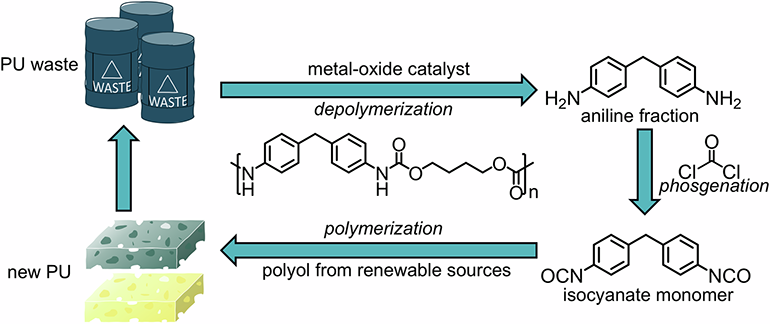
Polymeric materials incorporate urethane linkages. Polymers are employed across a number of industrial sectors, for example for coatings, adhesives, foams and elastomers.
Thiocarbamates
Thiocarbamates are sulphur-containing analogues of carbamates. Similar to carbamates, the characteristics and application of a thiocarbamate will be influenced by the location of sulphur, alongside oxygen and nitrogen.
Dithiocarbamates
Dithiocarbamates are sulphur-containing acid derivatives. Along with carbamates, dithiocarbamates are also used within agricultural, industrial and specialty sectors. An example of a dithiocarbamate is Nabam. Despite the similar appearance of these two chemical families, individual dithiocarbamates should be analysed in order to establish their properties and safety profile.
Organic Carbamates Within Medicinal Chemistry
Within the chemical sciences, carbamates are widely researched as functionality can influence a vast array of molecular properties. Medicinal chemistry encompasses the design, synthesis and evaluation of chemicals and their interaction with biology.
Introducing functionality to a pharmaceutical molecule can modify various of its properties, for example, stability, function and interaction with biological targets. However, simply incorporating carbamate functionality into a drug does not automatically ensure that a drug will be effective. Consequently, drugs must be fully evaluated.
Why Are Organic Carbamates Important in Medicinal Chemistry?
Molecular Recognition
Carbamate functionality can engage in molecular recognition. Molecular structure can also contribute to recognition.
Hydrogen Bonding
Carbamate functionality has the capacity for hydrogen bond acceptance. Moreover, if a carbamate also contains N-H groups then it can also donate hydrogen bonds. Such hydrogen bonding can impact on molecular interaction with a target.
Molecular Stability
Introducing carbamate functionality can influence a molecule’s chemical and physiological stability. As previously highlighted, this will depend on the structure of the carbamate.
Structural Diversity
A broad selection of groups can be attached to carbamate functionality. This therefore permits investigation into carbamates, and carbamates with diverse properties in particular.
Molecular Interactions
Certain carbamate compounds can interact with enzymes and proteins. Such molecular interaction is of relevance within pharmaceutical research.
Physicochemical Property Modification
Carbamate functionality can modify a molecule’s polarity, solubility and lipophilicity. All of these parameters are important within pharmaceutical development.
Organic Carbamates Within Medicinal Chemistry
A number of research and development fields investigate carbamate-containing molecular structures. For example:
- Enzyme inhibition.
- Research.
- Pharmaceutical development.
- Molecular recognition.
- Pro-drug development.
- Structure-activity relationship analysis.
- Chemical biology.
- Drug metabolism investigation.
Within each of these disciplines, compound efficacy, selectivity and safety are evaluated.
Organic Carbamates Within Drug Design
Organic carbamates are investigated within drug design as functionality provides scope for molecular modification.
Design of molecules is concerned with producing structures that can effectively interact with nominated biological targets. Drugs must also be stable, efficacious and safe.
Carbamate-containing molecular structures can be utilised within pharmaceutical development for several reasons.
1. Property Modification
Introducing functionality can modify a molecule’s polarity, hydrogen bonding and solubility.
Scientific investigation is then performed to determine whether this is beneficial for a drug.
2. Molecular Recognition Improvement
Carbamate functionality can facilitate molecular recognition of a target.
Such recognition will depend on both molecular structure and the characteristics of the target molecule.
3. Metabolic Stability Investigation
Drug metabolic stability is highly important.
Compared to other functionality-containing compounds, some carbamate compounds can demonstrate different metabolic behaviour within the body.
Whilst not always, carbamates can also be metabolically active within the body.
4. Pro-drug Development
Pro-drugs are substances which are designed to transform within the body, either to generate or to liberate another substance.
Some organic carbamate molecular structures are investigated for pro-drug development. Factors including a carbamate’s amenability to transformation, stability and safety, will all affect its suitability for this area of pharmaceutical development.
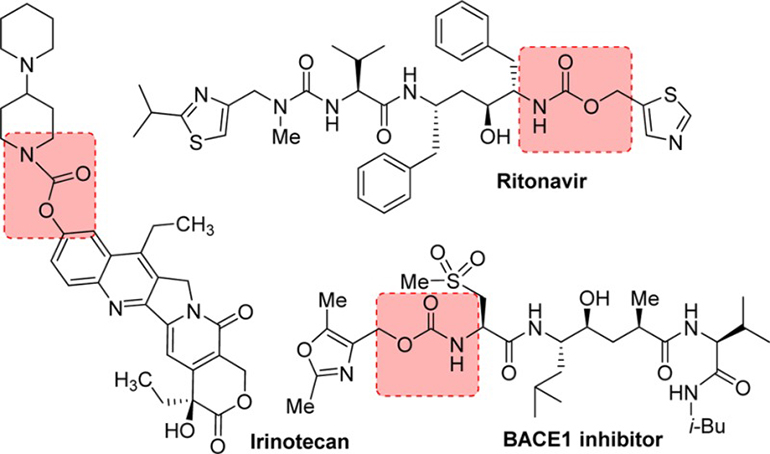 5. Molecular-enzyme Interaction
Some carbamate compounds can interact with enzymes.
Depending on the molecular structure, such interaction can be reversed. Further still, enzymes can themselves be affected at a molecular level.
Thorough examination of these properties is required within pharmaceutical development.
6. Structure-activity Analysis
Structure-activity relationship studies seek to ascertain how a molecule’s structure affects its function.
Carbamate functionality provides scientists with an opportunity to explore this in relation to carbamates.
7. Pharmaceutical Compound Optimisation
Pharmaceutical development includes examination of a range of properties such as:
- Bioactivity.
- Selectivity.
- Chemical stability.
- Metabolism.
- Solubility.
- Absorption.
- Toxicological aspects.
Scientific interest is generated by carbamate functionality within this discipline.
Carbamate Groups Within Medicines
Groups can be included within medicines.
This highlights the application of carbamate chemistry within the pharmaceutical industry.
| Medicine | General Application |
| Rivastigmine | for some dementia types. |
| Pyridostigmine | for the treatment of myasthenia gravis. |
| Neostigmine | in some instances. |
| Felbamate | for some epilepsy-related disorders. |
| Methocarbamol | a muscle relaxing agent. |
| Carisoprodol | for temporary muscle relaxation. |
These pharmaceuticals operate in different ways and are used for a variety of medical conditions. Each also possesses specific safety and cautionary information.
Whilst a drug may comprise a carbamate functionality, this does not necessarily mean that it will function in the same manner as other drugs containing such functionality.
Pharmaceuticals containing carbamates are not equivalent to carbamates or agrochemicals used for insect control.
What Are Carbamate Insecticides?
Carbamate insecticides are agrochemicals which are designed to kill insects.
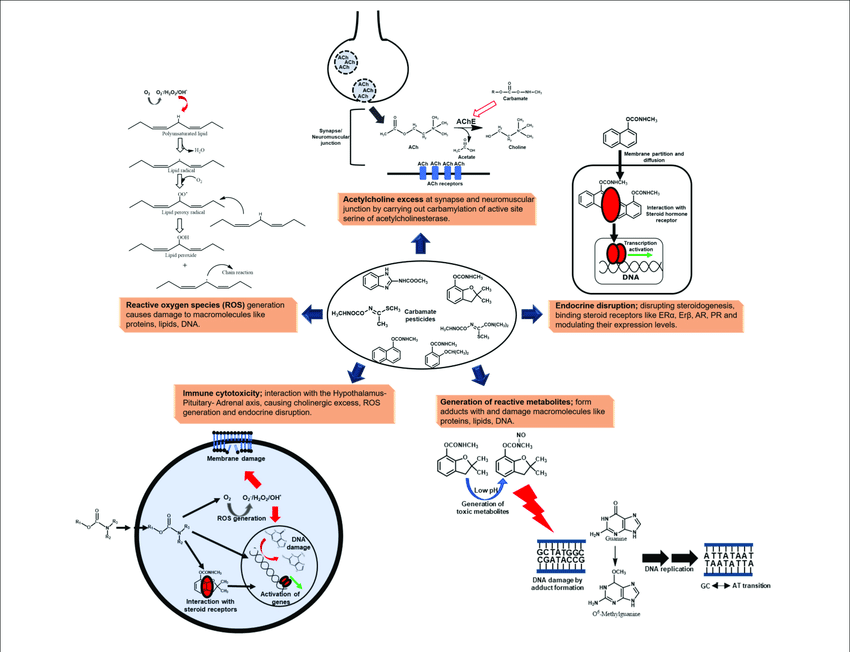
Many carbamates are structurally capable of inhibiting the enzyme acetylcholinesterase. This enzyme is involved in nerve function.
A carbamate insecticide’s potency will be dependent on both its structure and its interaction with living organisms.
Carbamate insecticides display varying degrees of toxicity and have differing environmental behaviour.
Furthermore, permitted application can differ from country to country, in accordance with relevant legislation.
Examples Of Carbamate Insecticides
Examples of this chemical group include:
- Carbaryl
- Carbofuran
- Methomyl
- Propoxur
- Aldicarb
- Oxamyl
- Bendiocarb
In certain locations, some of these chemicals are restricted, prohibited or heavily regulated.
Please note that inclusion of a chemical within this list does not imply that it can be used globally.
General Features Of Carbamate Insecticides
- Carbamate insecticides share commonalities with carbamates.
- Many can inhibit acetylcholinesterase.
- They differ in terms of their level of activity.
- Each has its own toxicological profile.
- Carbamate insecticides can pose risks to humans, animals and beneficial insects.
- Such insecticides must conform to agricultural and environmental legislation.
Carbamate insecticides should only be handled and used in accordance with applicable regulations and authorised product instructions.
Understanding Carbamate Toxicity
Carbamate Toxicity refers to the adverse biological effects associated with exposure to particular carbamate compounds.
The term should be interpreted carefully because carbamates represent a broad chemical family.
Not every carbamate compound has the same toxicological properties, and not every organic carbamate inhibits acetylcholinesterase.
The toxicity of a specific compound depends on its chemical identity, biological activity, concentration, exposure route and other factors.
Factors Influencing Carbamate Toxicity
Chemical Structure
Different carbamate compounds have different molecular structures.
These structural differences influence biological activity and toxicological behaviour.
Exposure Level
The extent of exposure can influence the severity of adverse effects.
Concentrated chemical products may present different risks from appropriately formulated products.
Route of Exposure
Exposure to chemicals may occur through:
- Skin contact.
- Eye contact.
- Inhalation.
- Accidental ingestion.
The consequences depend on the specific chemical and exposure circumstances.
Duration of Exposure
Short-term and repeated exposure may have different toxicological consequences.
Both acute and long-term risks should be evaluated where relevant.
Product Formulation
Other ingredients present in a chemical formulation may influence its overall hazard profile.
Individual Susceptibility
Individual health characteristics and other factors may influence responses to chemical exposure.
Potential Symptoms Associated With Carbamate Insecticide Poisoning
Exposure to certain acetylcholinesterase-inhibiting carbamate insecticides can cause symptoms such as:
- Excessive sweating.
- Increased salivation.
- Nausea and vomiting.
- Abdominal discomfort.
- Headache.
- Muscle weakness or twitching.
- Visual disturbances.
- Breathing difficulties.
- Confusion.
Severe poisoning may be life-threatening.
Suspected carbamate insecticide poisoning requires immediate medical assessment. Breathing difficulties, loss of consciousness or severe symptoms require emergency medical assistance.
Product-specific safety information should be made available to healthcare professionals where possible.
Acute and Chronic Toxicity Considerations
Acute toxicity concerns adverse effects associated with short-term exposure.
Chronic toxicity concerns potential effects associated with repeated or prolonged exposure.
The available evidence and relevant hazards differ considerably between individual carbamate compounds.
Toxicological assessments should therefore be based on the specific substance rather than general assumptions about the entire carbamate family.
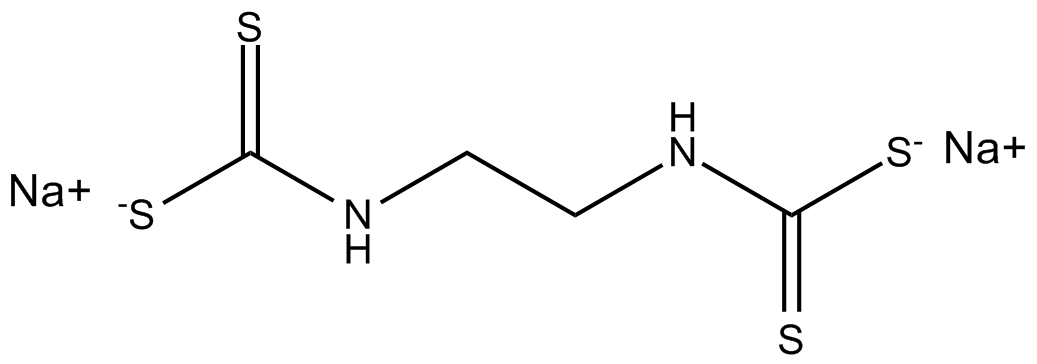
What Is Nabam?
Nabam is a sulfur-containing chemical belonging to the dithiocarbamate family.
It is commonly identified as disodium ethylenebisdithiocarbamate.
Unlike conventional organic carbamates, Nabam contains dithiocarbamate functional groups in which sulfur atoms are important structural components.
This difference influences its chemical behaviour, interactions and applications.
Nabam has historically been used in selected fungicidal and industrial antimicrobial applications.
Its current suitability for a particular application depends on product specifications, regulatory approvals and environmental requirements.
Chemical Information About Nabam
| Property | Chemical Information |
| Common Name | Nabam |
| Chemical Name | Disodium ethylenebisdithiocarbamate |
| Chemical Family | Dithiocarbamates |
| CAS Number | 142-59-6 |
| Molecular Formula | C4H6N2Na2S4 |
| Molecular Weight | Approximately 256.34 g/mol |
| Structural Characteristics | Sulfur-containing dithiocarbamate groups |
| Chemical Form | Sodium salt |
| Water Solubility | Water-soluble |
| Applications | Selected fungicidal and industrial antimicrobial applications, subject to approval |
Commercial Nabam products may be supplied in different formulations and concentrations.
Product-specific characteristics should be confirmed using the relevant Technical Data Sheet and Safety Data Sheet.
Important Characteristics of Nabam
Belongs to the dithiocarbamate chemical family.
Contains sulfur-based functional groups.
Exists as a sodium salt.
Exhibits water solubility.
Has historically been used in selected antimicrobial applications.
Requires appropriate chemical handling.
Has compound-specific environmental and toxicological considerations.
Difference Between Carbamates and Dithiocarbamates
Carbamates and dithiocarbamates are structurally related but chemically distinct families.
Understanding their differences is important when selecting specialty chemical products.
| Feature | Carbamates | Dithiocarbamates |
| Parent Chemical Family | Carbamic acid derivatives | Dithiocarbamic acid derivatives |
| Characteristic Atoms | Nitrogen and oxygen | Nitrogen and sulfur |
| General Structural Unit | R–O–C(=O)–NR′R″ | R′R″N–C(=S)–S– |
| Examples | Selected pharmaceutical carbamates and carbamate insecticides | Nabam, sodium dimethyl dithiocarbamate and related compounds |
| Pharmaceutical Applications | Present in selected medicines | Compound-specific research and specialised applications |
| Agricultural Applications | Selected insecticides | Selected fungicides |
| Industrial Applications | Polymers and chemical intermediates | Specialty formulations and selected industrial chemical applications |
| Safety Characteristics | Compound-specific | Compound-specific |
The presence of sulfur in dithiocarbamates contributes to chemical properties that differ from those of conventional organic carbamates.
Role of Carbamates in Polymer and Material Science
Carbamate chemistry is not limited to pharmaceutical and agricultural applications.
It also plays an important role in the development of polymeric materials.
Polyurethanes contain characteristic urethane linkages, which are chemically associated with carbamate functionality.
The properties of polyurethane materials depend on their molecular composition, polymer architecture and formulation.
Applications of Carbamate-Containing Polymeric Materials
- Protective coatings.
- Industrial adhesives.
- Flexible foams.
- Rigid insulation materials.
- Elastomers.
- Automotive components.
- Construction materials.
- Furniture manufacturing.
- Selected textile applications.
Different polyurethane formulations can exhibit different levels of flexibility, hardness, thermal performance and chemical resistance.
The toxicological properties of a finished polymeric material should not be assumed to be identical to those of small-molecule carbamate insecticides.
The safety of polymer manufacturing also depends on the raw materials and processes involved.
Conclusion
Carbamates are a diverse group of chemical compounds with important applications in pharmaceutical research, agricultural chemistry, polymer manufacturing and specialty chemical development.
Organic carbamates provide useful molecular characteristics that make them relevant to medicinal chemistry and drug design.
The study of Organic Carbamates in Medicinal Chemistry and Organic Carbamates in Drug Design continues to support research into molecular recognition, chemical stability and biological interactions.
At the same time, carbamate insecticides demonstrate the importance of understanding the relationship between chemical structure, biological activity and Carbamate Toxicity.
Understanding the differences between carbamates, thiocarbamates and dithiocarbamates is essential for appropriate chemical selection.
Industrial customers should carefully evaluate chemical identity, technical specifications, environmental characteristics, safety documentation and regulatory suitability before selecting a product.
Working with an experienced specialty chemical manufacturer can help businesses identify appropriate chemical products for their technical and operational requirements.
Contact Maxwell Additives to discuss your chemical requirements, product specifications and suitable specialty chemical solutions for your business.
Frequently Asked Questions About Carbamates
1. What are carbamates?
Carbamates are chemical compounds derived from carbamic acid. Organic carbamates contain a characteristic functional group involving carbon, oxygen and nitrogen.
2. What are organic carbamates?
Organic carbamates are carbon-containing compounds with a carbamate functional group. They are relevant to pharmaceutical research, chemical synthesis, agricultural chemistry and material science.
3. What are Organic Carbamates in Medicinal Chemistry?
Organic carbamates in medicinal chemistry are carbamate-containing structures studied for their molecular properties, biological interactions and potential pharmaceutical applications.
4. Why are Organic Carbamates in Drug Design important?
Carbamate groups can influence hydrogen bonding, molecular recognition, stability and physicochemical properties. Researchers evaluate these characteristics when developing pharmaceutical compounds.
5. What is Carbamate Toxicity?
Carbamate toxicity refers to adverse effects associated with exposure to particular carbamate compounds. Toxicity depends on the chemical identity, exposure circumstances and biological properties of the substance.
6. Are all carbamates toxic?
Carbamates have different toxicological characteristics. The presence of a carbamate functional group alone does not determine the toxicity of a compound.
7. What is Nabam?
Nabam is disodium ethylenebisdithiocarbamate, a sulfur-containing compound belonging to the dithiocarbamate family. It has historically been used in selected fungicidal and industrial antimicrobial applications.
8. What is the CAS number of Nabam?
The CAS number of Nabam is 142-59-6.
9. What is the difference between carbamates and dithiocarbamates?
Conventional carbamates contain an oxygen-based functional group, whereas dithiocarbamates contain sulfur-based functional groups. Their chemical properties and applications differ.
10. Can carbamates be used in pharmaceutical manufacturing?
Certain organic carbamates are present in pharmaceutical compounds and chemical intermediates. Their suitability depends on the specific molecule and pharmaceutical requirements.
Related Posts