

DTPMPA Chemical stands for Diethylene Triamine Penta Methylene Phosphonic Acid. It is an organophosphonic compound used in industrial formulations where control of dissolved metal ions, mineral deposits, and water-system stability is important. It is also commonly known as DTPMP or DTPMPA, so buyers may see any of these names while sourcing the same chemical...
DTPMP Chemical Applications in Industrial Water Systems
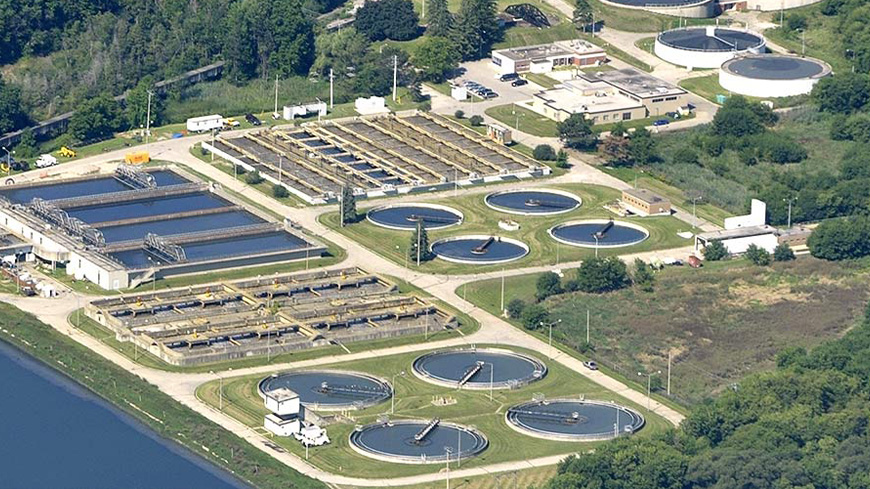 Diethylene Triamine Penta Methylene Phosphonic Acid DTPMPA, commonly called DTPMP or DTPMP Chemical, is an organophosphonate used in industrial formulations where metal-ion control, mineral-deposit management, and dispersion are important. Its molecular structure contains multiple phosphonic acid groups that contribute to its interaction with metal ions. Maxwell Additives identifies DTPMPA as PHOSPHOMAN-235 and lists applications including water treatment, detergents, oil-field chemicals, paints, pigments, paper, textiles, and industrial cleaning.
What is a DTPMP Chemical?
DTPMP Chemical is the commonly used industrial name for Diethylene Triamine Penta Methylene Phosphonic Acid, also written as DTPMPA. It belongs to the organophosphonate family and is designed for situations where controlling the behavior of dissolved metal ions and mineral-forming components is important.
The chemical has multiple phosphonic acid groups connected to a nitrogen-containing molecular structure. This gives it strong interaction with certain metal ions and makes it useful in formulations where unwanted precipitation, mineral deposition, or particle instability can interfere with an industrial process. DTPMPA is also recognized for its ability to disperse solid particles and for its stability under demanding conditions.
The usefulness of DTPMP is not limited to one type of industrial system. It can be incorporated into treatment formulations according to the chemistry of the water or process in which it is being used. This makes understanding the surrounding formulation just as important as understanding the chemical itself.
How DTPMP Chemical Responds to Changing Water Chemistry
One of the practical challenges in industrial treatment is that water chemistry can change throughout operation. Fresh water may contain a different mineral balance than recycled process water. Concentration can also increase when water is repeatedly circulated, while changes in temperature or pH can alter the way dissolved substances behave.
DTPMP Chemical is valuable in such environments because its phosphonate functionality allows it to interact with metal ions rather than simply acting as a conventional physical additive. This interaction can influence the availability of ions that would otherwise participate in unwanted mineral reactions. Maxwell’s technical information specifically notes its metal-ion sequestration, threshold inhibition, dispersion capability, and stability characteristics.
This becomes particularly relevant when a treatment formulation encounters calcium, iron, barium, or other mineral-forming species. Instead of looking only at the initial water condition, formulators can consider how the chemical system may behave after concentration, heating, dilution, or changes in feed-water composition.
Another useful aspect is its role in formulation flexibility. DTPMP can be used as one component within a larger chemical program rather than being viewed as a complete treatment by itself. The final formulation can therefore be designed around the actual water chemistry, operating conditions, and performance objective.
This approach is especially useful for industrial facilities where water quality changes between production cycles. A treatment chemical that performs adequately under one fixed condition may behave differently when the concentration of dissolved minerals changes. Understanding DTPMP’s chemical function helps formulators evaluate those changes more logically.
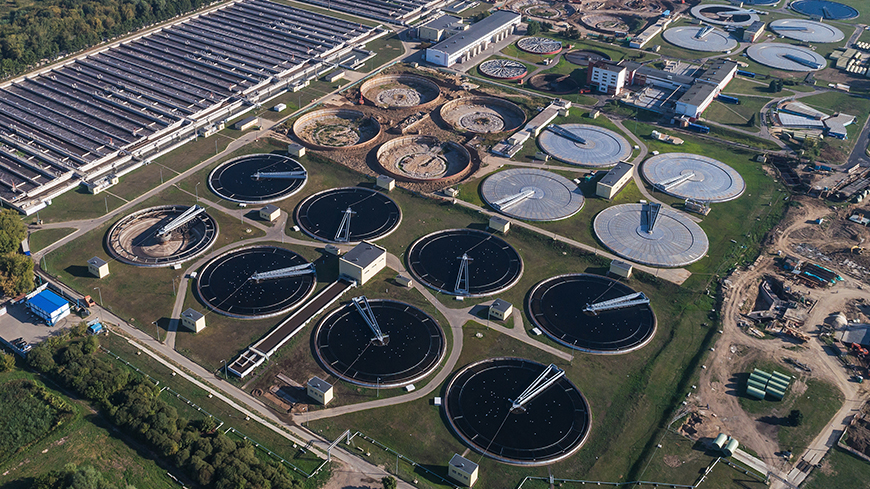 Features of DTPMP Chemical
1. Strong Metal-Ion Interaction
DTPMP has several phosphonic acid groups that contribute to its ability to interact with metal ions. This property makes it useful where dissolved metals can influence precipitation or interfere with industrial formulations.
2. Threshold Inhibition
Rather than requiring a stoichiometric quantity for every mineral component, DTPMP can influence precipitation at relatively low treatment levels. This threshold-inhibition behavior is one reason phosphonates are widely considered in deposit-control formulations.
3. Particle Dispersion
DTPMP can help deflocculate or disperse solid particles. This feature is useful when keeping suspended material from forming larger aggregates is important to the performance of a liquid formulation.
4. Thermal Stability
Industrial processes can expose chemicals to elevated temperatures. DTPMPA is recognized for its temperature stability, allowing it to be considered for applications where ordinary organic additives may face more demanding operating conditions.
5. Hydrolytic Stability
DTPMP also demonstrates hydrolytic stability, which can be important when a formulation remains in an aqueous environment for extended periods. This characteristic supports its use in applications where chemical consistency needs to be maintained during operation.
6. Broad Formulation Utility
DTPMP is not restricted to one industry. It is used in water treatment formulations and is also associated with detergent, oil-field, paint, pigment, paper, textile, leather, and industrial-cleaning applications.
7. High-Aqueous-System Compatibility
The technical information for the PHOSPHOMAN range highlights good solubility in aqueous systems and compatibility with other formulation components. These characteristics can be useful when DTPMP is incorporated into multi-component liquid treatment products.
DTPMP Chemical in Formulation Development: Why Water Conditions Matter
A useful way to understand DTPMP Chemical is to look at the formulation environment rather than considering the chemical in isolation. The same active ingredient can encounter very different conditions depending on the process. A formulation used with relatively clean water may face a different mineral load from one used with recycled or concentrated process water.
For this reason, formulation development can involve observing how DTPMP behaves as individual variables change. pH is one variable. Temperature is another. Dissolved metal concentration, hardness, mineral composition, and the presence of other additives can also influence the overall treatment system.
DTPMP’s role in this environment is connected to its ability to interact with metal ions and influence precipitation behavior. When the water chemistry changes, the treatment requirement may change as well. Instead of assuming that one fixed dosage or formulation will work under every condition, technical teams can evaluate performance under representative operating conditions.
This approach can be particularly useful for industries dealing with variable water sources. For example, a plant may alternate between fresh water and partially recycled water. The chemical load entering the system can therefore change over time. A DTPMP-based formulation can be assessed against those variations to understand where it performs effectively and where formulation adjustments may be necessary.
Another important consideration is interaction with other ingredients. Industrial treatment products often contain multiple functional components. DTPMP may be combined with polymers, corrosion-control ingredients, dispersants, or other phosphonate-based materials depending on the intended formulation. Compatibility testing helps determine whether the components work together without creating unwanted precipitation, instability, or loss of performance.
This makes DTPMP more than a simple “scale-control chemical.” Its multiple functional characteristics can contribute to the design of a broader treatment system, particularly where metal-ion behavior and mineral stability are connected.
The practical lesson is that performance should be evaluated under realistic conditions rather than based only on a single property. Temperature, pH, mineral concentration, contact time, and other formulation components can all influence the final result.
DTPMP Applications Across Different Industrial Formulations
DTPMP can play different roles depending on the purpose of the formulation. In water treatment, attention may be directed toward controlling mineral precipitation and managing dissolved metals. In detergent formulations, its interaction with metal ions can support the chemical environment required for cleaning performance. In oil-field applications, the demanding chemistry of the process creates a need for additives capable of functioning under challenging conditions.
Its use in paints and pigments presents another perspective. Here, the focus can shift toward particle behavior and formulation stability rather than simply water-system protection. Maxwell Additives has also published material describing DTPMPA’s use for pigment stabilization in aqueous paint formulations.
Textile and leather processing provide additional examples where chemical stability and interaction with unwanted metal species can influence processing results. Similarly, industrial cleaning formulations can use phosphonate chemistry where mineral residues or metal-ion interference are concerned.
These different applications show why DTPMP should be considered according to the job it performs inside a formulation. The same chemical may contribute differently depending on the surrounding ingredients and operating environment. A meaningful formulation assessment therefore begins with the process requirement instead of treating the chemical as a one-purpose additive.
Benefits of DTPMP Chemical
1. Supports Mineral-Deposit Control
DTPMP can interfere with the processes responsible for mineral precipitation, helping treatment formulations manage unwanted deposits. Its threshold-inhibition behavior allows it to contribute to deposit control without relying solely on large stoichiometric quantities of chemicals.
2. Helps Manage Dissolved Metal Ions
The multiple phosphonic groups in DTPMP provide strong interaction with metal ions. This can help reduce the influence of certain dissolved metals on precipitation and formulation stability, making it useful in systems where metal chemistry is an important operating consideration.
3. Performs Under Demanding Temperatures
DTPMP’s thermal stability makes it suitable for applications where elevated temperatures could affect less-stable treatment ingredients. This provides formulators with an option for processes that operate under relatively harsh thermal conditions.
4. Contributes to Particle Dispersion
DTPMP can help disperse or deflocculate solid particles, supporting more controlled particle behavior in suitable formulations. This characteristic can be useful where aggregation or uneven distribution could interfere with the intended performance of a liquid treatment system.
5. Offers Multi-Industry Use
DTPMP is relevant to several industrial sectors rather than one narrow application. Its use across water treatment, detergents, oil-field chemicals, paints, pigments, paper, textiles, and cleaning formulations demonstrates its flexibility as a specialty phosphonate.
6. Supports Formulation Flexibility
Because DTPMP can perform multiple chemical functions, formulators can consider it as one part of a broader treatment package. Its role can be adjusted according to water chemistry, process conditions, and the purpose of the finished formulation.
7. Provides Aqueous-System Utility
Its solubility characteristics make DTPMP suitable for many water-based formulations. When properly incorporated with compatible ingredients, it can become a practical component of liquid industrial treatment products.
Maxwell Additives Pvt. Ltd. is a manufacturer and supplier of specialty chemicals serving a range of industrial applications, including water treatment and process chemicals. Its phosphonate portfolio includes PHOSPHOMAN-235, based on Diethylene Triamine Penta Methylene Phosphonic Acid (DTPMPA), which is used in applications involving metal-ion control, scale inhibition and formulation stability. Maxwell Additives offers phosphonates, polymers and other specialty chemicals for industrial formulations, supporting applications across water treatment, oil-field chemicals, detergents, paints, pigments, textiles, paper and other process industries. For businesses looking for a DTPMP Chemical supplier or DTPMP Manufacturer in India, Maxwell Additives provides specialty chemical solutions that can be evaluated according to specific formulation and application requirements.
Conclusion
DTPMP Chemical is a versatile organophosphonate whose value comes from more than one chemical property. Diethylene Triamine Penta Methylene Phosphonic Acid DTPMPA combines metal-ion interaction, threshold inhibition, particle dispersion, and stability characteristics that can be useful across different industrial formulations.
Its performance is best understood in relation to the environment in which it is used. Changes in pH, temperature, mineral concentration, water source, and other formulation ingredients can alter treatment requirements. Looking at these factors together provides a more realistic way to evaluate DTPMP than focusing on a single benefit.
Industries looking for a Manufacturer of DTPMP in India or a Supplier of DTPMP Chemical can consider DTPMP when developing formulations that require controlled metal-ion behavior and mineral management. The key is to match the chemical’s functionality with the actual process conditions and formulation objective.
FAQs About DTPMP Chemical
1. What is DTPMP Chemical mainly used for?
DTPMP Chemical is mainly used in industrial formulations where metal-ion control, mineral precipitation management, and particle dispersion are required. It is commonly associated with water treatment, but its applications also extend to detergents, oil-field chemicals, paints, pigments, paper, textiles, leather processing, and industrial cleaning.
2. Is DTPMP and DTPMPA the same chemical?
Yes. DTPMP and DTPMPA are commonly used names for Diethylene Triamine Penta Methylene Phosphonic Acid. Different industries and technical documents may use DTPMP, DTPMPA, or related naming variations when referring to this phosphonate compound.
3. Can DTPMP be used in high-temperature applications?
DTPMPA is known for its thermal stability, which makes it suitable for consideration in demanding industrial environments. However, the actual performance depends on the complete formulation and operating conditions, so application-specific testing remains important before commercial use.
4. Does DTPMP only work as a scale inhibitor?
No. Although mineral-deposit control is an important application, DTPMP also interacts with metal ions and can provide dispersing or deflocculating effects. Its wider functionality is why it can be incorporated into different types of industrial formulations rather than being restricted to one treatment purpose.
5. Can DTPMP be used with other treatment chemicals?
DTPMP can be incorporated into multi-component formulations, but compatibility should be evaluated for the specific combination. Other ingredients, water chemistry, concentration, temperature, and pH can influence the behavior of the final formulation.
6. Is DTPMP suitable for applications outside water treatment?
Yes. DTPMP has applications beyond water treatment, including detergents, oil-field formulations, paints, pigments, paper, textiles, leather auxiliaries, and industrial cleaners. The exact role it performs depends on the formulation and the requirements of the particular process.
7. Where can industries source DTPMP Chemical in India?
Industries can source DTPMP Chemical from specialty chemical manufacturers and distributors that provide material suitable for the intended application. When searching for a Manufacturer of DTPMP in India or a Supplier of DTPMP Chemical, buyers should focus on the technical requirements of their formulation, including the required grade, concentration, handling conditions, and application needs.