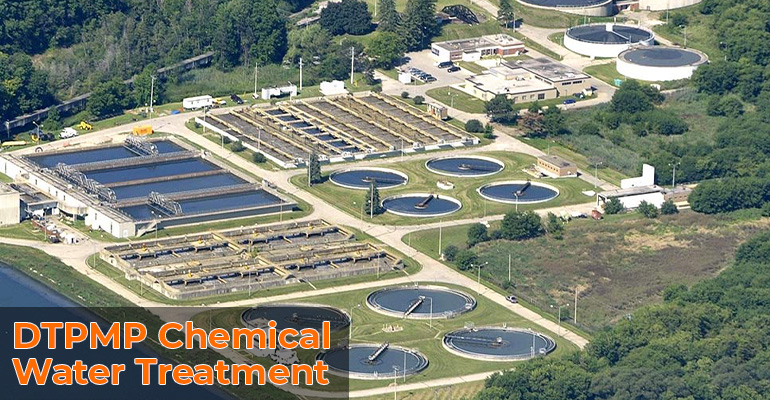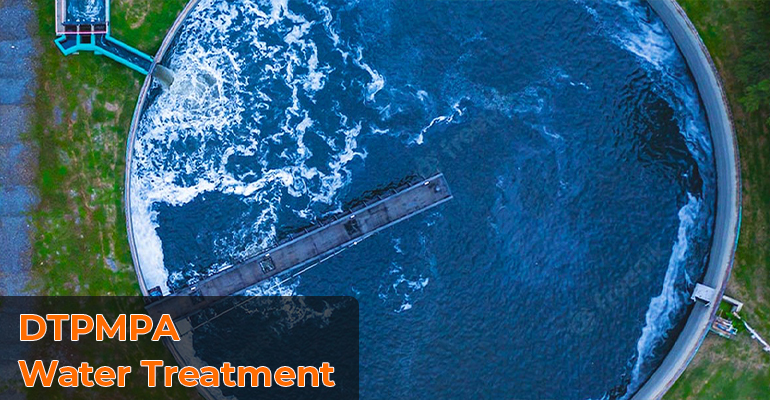
Diethylene Triamine Penta Methylene Phosphonic Acid DTPMPA, commonly called DTPMP or DTPMP Chemical, is an organophosphonate used in industrial formulations where metal-ion control, mineral-deposit management, and dispersion are important. Its molecular structure contains multiple phosphonic acid groups that contribute to its interaction with metal ions. Maxwell Additives identifies DTPMPA as PHOSPHOMAN-235 and lists applications including water treatment, detergents, oil-field chemicals, paints, pigments, paper, textiles, and industrial cleaning...
DTPMP: Diethylenetriaminepenta (Methylene Phosphonic Acid) Uses and Guide to Selection
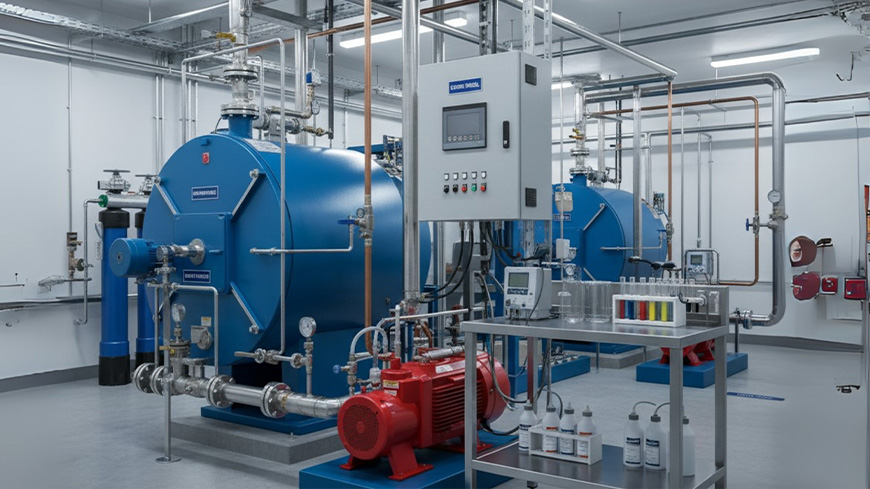
DTPMP is a chemical that is used in water treatment and in many chemical formulations. This chemical is used in water treatment and also in many chemical formulations. The chemical DTPMP is used in water treatment and in a variety of chemical formulations. People use DTPMP in industrial water treatment and in chemical formulations. The chemical DTPMP has a role in industrial water treatment and, in chemical formulations.
Industries that use boilers and cooling water systems, oilfield activities, detergent production and textile processing often need additives that work well with products. These industries rely on additives that mix properly with materials. They need additives that fit with products they use. The same is true for oilfield operations. Detergent makers also need additives that can be used with items. Textile processing companies need additives that go along with substances. Any of these industries might need additives that’re compatible, with other products they use.
For buyers the grade selection process for DTPMP is more than identifying product names. Recognizing DTPMP’s properties, compatibility, technical specifications and supplier support can help businesses make a better purchase.
What Is DTPMP?
DTPMP stands for diethylenetriaminepenta (methylene phosphonic acid). DTPMP is an organophosphonate compound that contains acid groups. These groups allow DTPMP to interact with dissolved metal ions and inhibit mineral deposit formation.
The chemical is used in formulations that require scale inhibition, metal‑ion management and possibly other functionalities depending on the application. In some cases DTPMP may also be involved in supporting a corrosion‑control programme or stabilizing chemical systems.
“Diethylenetriaminepentakis(methylenephosphonic acid)” is the name of a chemical substance. Consumers frequently encounter variations in spelling and abbreviation, as well as brand names, for the substance. As such it is advisable to confirm the identity and grade of DTPMP against the supplier’s documentation.
How Does DTPMP Work in Industrial Formulations?
DTPMP can exhibit differing functionalities depending on the application, concentration and formulation.
1. Scale Inhibition
Scale forms when dissolved minerals in water accumulate as deposits on surfaces. This results in water flow, reduced heat transfer and increased maintenance requirements.
DTPMP prevents scale formation and growth by interacting with scale‑forming ions and affecting crystal formation processes. The effectiveness of DTPMP in this application depends on factors such as water composition, temperature, pH and the presence of treatment chemicals.
2. Metal‑Ion Chelation
I notice that water and process solutions often hold calcium, magnesium, iron and other metal ions.
I also see that metal ions can create problems if they are not taken care of properly. Metal ions may take part in precipitation reactions. Precipitation can lead to scaling and clogging in pipes and equipment. I have seen how scaling can halt a machine when metal ions are not controlled. Monitoring metal ions and controlling them helps keep systems running smoothly. Preventing precipitation improves efficiency. Reduces maintenance costs.
DTPMP can form complexes with some metal ions helping to control their behaviour in systems. Suitability depends on the ions in the system and the operating conditions.
3. Corrosion‑Control Support
Corrosion of metal surfaces can occur in water systems leading to degradation of pipes, tanks, heat exchangers and other equipment.
DTPMP may be part of a water‑treatment programme to control both scale and corrosion. However performance in this application depends on formulation specifics, metal type, water chemistry and other factors. It should not be assumed that DTPMP provides corrosion control.
4. Chemical Stabilization
Some formulation processes require additives that can manage metal ion effects on ingredients. DTPMP can be a component of formulations depending on its chelating and stabilizing functionalities.
Compatibility testing is recommended before incorporating DTPMP into a formulation especially if multiple active ingredients are involved.
Major Industrial Applications of DTPMP
1. Industrial Water Treatment
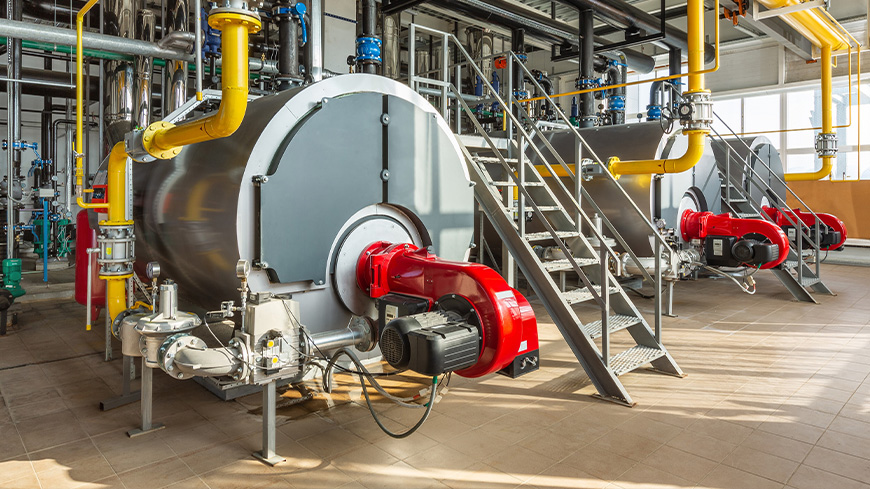
DTPMP is used in water treatment. Cooling towers, boilers, heat exchangers and circulating water systems can be prone to mineral deposits when dissolved minerals precipitate or accumulate on surfaces.
DTPMP can be part of a treatment programme to control scale formation and metal‑ion effects. The specific treatment strategy should be identified according to water analysis, system design, operating temperature and the nature of the scale being controlled.
2. Oilfield Chemical Formulations
Oilfield operations can encounter scale‑forming minerals in production water, injection water and processing systems limiting flow and increasing maintenance.
DTPMP can be a component of selected oilfield chemical formulations to control scale formation. Its suitability for this application depends on the minerals, pressure, temperature, composition and treatment method.
3. Detergents and Industrial Cleaners
Metal ions can affect the performance and stability of cleaning formulations and chelating agents are used in some detergent and industrial cleaner formulations to address this issue.
DTPMP may be used in this application. Only if it is compatible, with the intended product. Formulators need to check how well the ingredient works with components. They should also look at the product requirements. Make sure it follows all applicable regulations before using DTPMP.
4. Textile Processing
Textile manufacturing involves volumes of water in processes such, as preparation, bleaching, dyeing and finishing. Dissolved metal ions can interfere with some processing chemicals affecting stability of the process.
DTPMP can be included in textile chemical formulations to manage metal ions and stabilize the process. The specific application of DTPMP depends on the textile process and the compatibility of the treatment chemicals. I see that DTPMP must fit the process and the chemicals must work together.
5. Industrial Chemical Manufacturing
Chemical manufacturing processes usually need additives that stop metal‑ion interactions and keep the mix steady. The DTPMP can be a part of processes that need scale inhibition or chelation.
Before choosing a DTPMP a manufacturer should look at the chemical formulation the conditions in which the process runs the performance. How well the DTPMP fits with other chemicals.
Key Benefits of DTPMP
The value of the DTPMP depends on how its properties fit the intended use. It can give benefits for example:
- Scale control: stops the build‑up and growth of mineral deposits.
- Metal‑ion management: binds with dissolved metal ions in industrial chemical mixes.
- Process support: gives stability when it is part of a treatment programme.
- Application options: can be part of water‑treatment, oilfield, detergent and textile chemical formulations.
- Formulation flexibility: can be tested with compatible ingredients to meet specific process needs.
The real performance of the DTPMP will depend on its grade, the dose, the water chemistry, the formulation mix and the operating conditions. These factors should be checked before buying.
How to Select the Right DTPMP Grade
Choosing a DTPMP product needs a look at supply aspects.
1. Identify the Application
First decide if the DTPMP will be used in cooling water, boiler treatment, oilfield activity, detergent, textile processing or another industrial use. Each application has needs for the DTPMP.
2. Review the Technical Data Sheet
Look at the data sheet for the DTPMP’s identity, active content, physical form recommended uses and handling information. Do not assume that DTPMP products with names have the same specifications.
3. Understand the Operating Conditions
For water‑treatment use check the pH, temperature, water hardness, dissolved salts and scale type. For formulations that already have ingredients note those components and the expected conditions of the mix.
4. Confirm Compatibility
Make sure the DTPMP is compatible with treatment agents and system parts. Perform laboratory or field tests before changing the process.
5. Check Quality Documentation
Ask the supplier for the DTPMP documentation, including the product data sheet and safety data sheet. If needed get a certificate of analysis for the batch. Confirm that the specifications match the intended process.
6. Evaluate Supply Consistency
Industrial buyers should look at how steady the supply’s the packaging options, lead times, technical communication and the supplier’s ability to meet ongoing needs.
7. Compare Overall Value
The purchase price is one part of the decision for buying a DTPMP. The concentration, fit for the application handling needs supply steadiness and performance in the system are also important to compare.
How to Choose a DTPMP Manufacturer and Supplier in India
Choosing a supplier lets industrial buyers get a DTPMP that meets their operational needs. Before buying think about the following factors:
- Product identification: confirm the DTPMP’s chemical name, grade and product code.
- Technical documentation: ask for the product’s specifications and safety data.
- Quality consistency: ask about the quality control steps for DTPMP batches and the availability of batch records.
- Application guidance: choose a supplier that can give information about how the DTPMP fits the intended use and the needed documentation.
- Supply capability: talk about the expected volumes, packaging choices, delivery times and future needs.
- Communication: make sure the supplier can give answers to commercial questions.
Businesses looking for Acid‑diethylenetriaminepenta (methylene phosphonic acid) should also check the chemical identity of just using keywords or abbreviations. This helps a lot when comparing supplier quotes.
Why Choose Maxwell Additives, for DTPMP?
Maxwell Additives Pvt. Ltd. Is a specialty chemical company located in Vadodara, Gujarat that supplies products for water treatment and related uses. Buyers of the DTPMP can contact the company to talk about availability, technical data and how well the DTPMP fits their intended use.
When buying the DTPMP from Maxwell Additives industrial buyers should look at the grade, specifications, packaging and supply conditions before buying.
I believe that knowing the application needs helps both the buyer and the supplier decide if a product is right for an use. This leads to buying choices without picking a chemical just by its name.
To learn more, about the chemical products the company offers go to the Maxwell Additives website.
Conclusion
DTPMP is a chemical for certain industrial uses that include preventing scale build‑up, binding metal ions and controlling processes. Its use in water treatment, oilfield formulations, detergents and textile processing makes it useful, for industries that want to handle mineral deposits and dissolved metal ions.
Choosing the product depends on the application, the operating conditions, the technical specifications and how well it works with the formulation. By reviewing the product documentation and looking at the supplier’s capabilities industrial buyers can make a well‑informed decision.
For businesses that are thinking about DTPMP Maxwell Additives can be contacted to talk about product requirements and the necessary technical information before making a purchase.
Frequently Asked Questions About DTPMP
1. What is DTPMP?
DTPMP stands for diethylenetriaminepenta (methylene phosphonic acid). It is an organophosphonate compound used in water treatment scale inhibition and metal‑ion chelation.
2. What is Diethylenetriaminepentakis(methylenephosphonic acid)?
Diethylenetriaminepentakis(methylenephosphonic acid) is a chemical name linked to DTPMP. Buyers should double-check the chemical identity of DTPMP and the grade by looking at the supplier’s documentation.
3. What is DTPMP used for?
DTPMP is used in water‑treatment, oilfield, detergent, textile and other chemical formulations where preventing scale build‑up or managing metal‑ion levels is needed.
4. How does DTPMP help control scale?
DTPMP can stop the growth of mineral crystals and can bind with scale‑forming ions. The success of DTPMP relies on the water chemistry, the operating conditions, the dose and the overall treatment plan.
5. Is DTPMP used in oilfield applications?
Yes. DTPMP is used in oilfield chemical formulations to help stop scale build‑up. The fit of DTPMP depends on the composition the mineral deposits and the operating conditions.
6. What should buyers check before purchasing DTPMP?
Buyers should confirm the chemical identity of DTPMP, the grade, the technical specifications, the safety documentation, the application suitability, the packaging and the supply requirements.
7. Is DETMP another name for DTPMP?
DETMP is an abbreviation that may show up in searches and some supplier materials. Because chemical abbreviations can vary buyers should confirm the intended compound by looking at the product’s documentation than just the abbreviation.
8. Where can businesses enquire about DTPMP in India?
Businesses can contact specialty chemical suppliers for example Maxwell Additives Pvt. Ltd. to ask about product availability, the technical documentation and whether it fits their intended application.
Related Posts