
Ethylenediamine Tetra(Methylenephosphonic) Acid – EDTMPA is a type of phosphonic acid that has groups that can be used to bind metal ions and stop scale forming in industrial mixtures. Its success depends on the use, of water, mixture and details...
EDTMPA Chemical in Modern Industrial Processes
 Ethylenediamine Tetra(Methylenephosphonic) Acid, commonly called EDTMPA Chemical, is a phosphonate compound used in industrial formulations where control of metal ions, mineral deposits, and chemical stability is important. It is valued for its ability to interact with metal ions and support better control of unwanted precipitation in different processing environments.
For industries looking for consistent raw materials, choosing an experienced EDTMPA – Ethylenediamine Tetra(Methylenephosphonic) Acid Manufacturer and supplier in India can make a significant difference in product consistency and application performance. Maxwell Additives lists EDTMP as part of its phosphonate range, including PHOSPHOMAN-124 and its penta-sodium salt form.
What is EDTMPA Chemical?
EDTMPA Chemical stands for Ethylenediamine Tetra(Methylenephosphonic) Acid. It belongs to the organophosphonate family and contains multiple phosphonic acid groups that can interact strongly with metal ions. This property makes it useful in formulations where calcium, magnesium, iron, and other dissolved metals can interfere with processes or contribute to mineral deposits.
The chemical is generally considered when a formulation requires more than simple mineral control. Its molecular structure provides several sites for interaction with metal ions, allowing it to function as a sequestrant and scale-control ingredient. Depending on the formulation and operating conditions, EDTMPA can help manage deposits that would otherwise affect heat-transfer surfaces, pipelines, processing equipment, or finished products.
One important characteristic of EDTMPA is its ability to remain useful in demanding chemical environments. Industrial systems may experience changing temperatures, mineral concentrations, pH conditions, and metal-ion loads. A suitable phosphonate can help maintain control across these variations rather than depending on a narrow operating range.
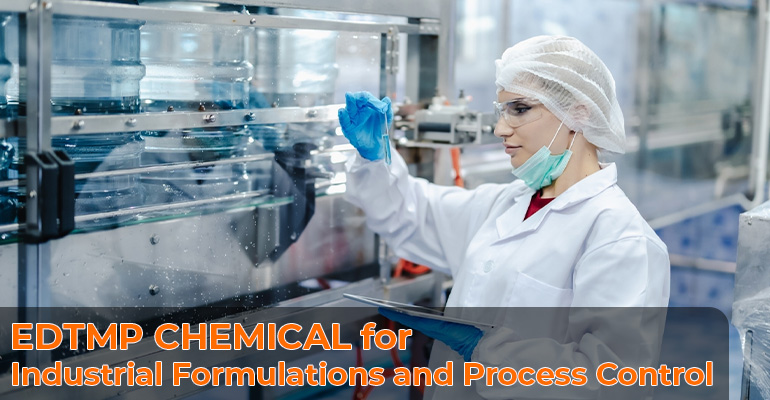
EDTMPA is also associated with applications beyond conventional water treatment. It can be considered for detergent formulations, industrial cleaning, textile processing, cement-related applications, and other processes where metal-ion management is required. The exact suitability depends on dosage, formulation chemistry, water quality, temperature, and the desired treatment objective.
For companies sourcing this material, product grade is an important consideration. An EDTMPA – Ethylenediamine Tetra(Methylenephosphonic) Acid Manufacturer in India may offer different commercial forms or concentrations according to industrial requirements. Maxwell Additives’ speciality-chemical portfolio identifies EDTMP as Ethylenediamine tetra(Methylenephosphonic) Acid under its phosphonate products.
Rather than treating EDTMPA as a single-purpose chemical, it is more useful to view it as a versatile formulation component. Its value comes from how its phosphonate groups interact with dissolved metals and influence mineral behavior. This makes it particularly relevant for industries that need dependable chemical control without adding complicated treatment steps.
Understanding the Role of EDTMPA in Industrial Formulations
EDTMPA can play an important supporting role in chemical treatment programs. In water-based systems, dissolved minerals can become troublesome when operating conditions change. Calcium and other ions may combine with available components and form deposits. EDTMPA can interact with these ions and help keep them under control.
This mechanism is particularly useful when equipment operates continuously. Even a relatively thin mineral deposit can influence heat transfer, circulation, cleaning requirements, and maintenance schedules. By incorporating a suitable phosphonate into a treatment program, formulators can address mineral-related problems before they become difficult to manage.
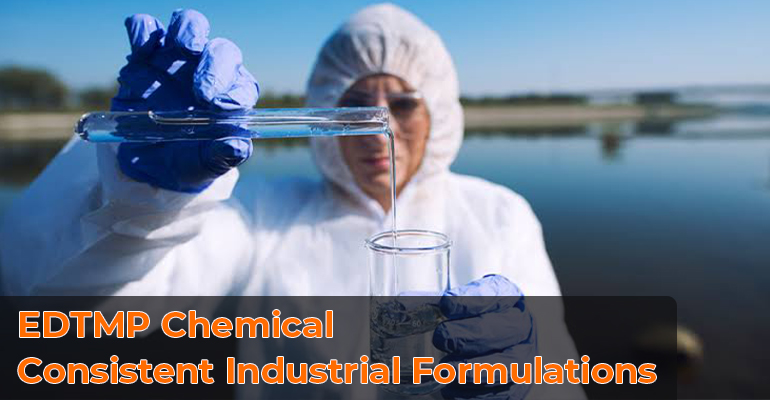
The chemical can also contribute to formulation stability. Metal ions sometimes participate in unwanted reactions that alter the appearance, performance, or storage behavior of a product. EDTMPA can bind with certain metal ions and reduce their availability for such reactions.
For industrial buyers, the choice of an EDTMPA – Ethylenediamine Tetra(Methylenephosphonic) Acid supplier in India should therefore be based on more than price. Consistent quality, technical documentation, batch uniformity, packaging, storage guidance, and dependable delivery can all affect the success of an industrial formulation.
Features of EDTMPA Chemical
1. Strong Metal-Ion Interaction
EDTMPA contains several phosphonate groups that provide multiple sites for interaction with dissolved metal ions. This characteristic makes it useful when calcium, magnesium, iron, or similar ions need to be controlled. Its chelating behavior can support formulations designed to reduce unwanted mineral reactions and improve overall process consistency.
2. Scale-Control Support
The chemical can assist treatment programs where mineral precipitation is a concern. By influencing the availability and behavior of scale-forming ions, EDTMPA helps formulators manage deposits more effectively. This makes it relevant for industrial systems where mineral buildup can interfere with equipment operation, circulation, or routine maintenance.
3. Useful Chemical Stability
EDTMPA is valued for its stability within demanding industrial formulations. Its phosphonate structure allows it to remain functional under a range of operating conditions. This characteristic is helpful for applications where treatment chemicals must continue performing while exposed to changing temperature, mineral concentration, or process chemistry.
4. Versatile Formulation Compatibility
EDTMPA can be incorporated into different chemical treatment programs when its metal-control properties match the formulation requirement. Its versatility allows it to support applications across water treatment, cleaning, textiles, and other industrial areas. Final compatibility should always be assessed against the complete formulation and operating conditions.
5. Effective at Controlled Dosages
EDTMPA can provide useful treatment effects without necessarily requiring large quantities. Its effectiveness depends on the target ions, water chemistry, temperature, pH, and application method. Proper dosage selection allows formulators to balance chemical consumption with the level of scale or metal-ion control required.
6. Suitable for Industrial Water Systems
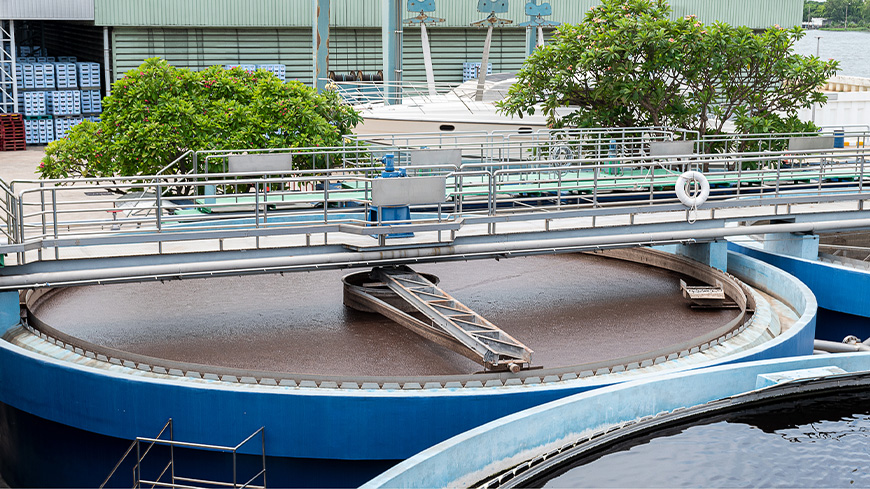
Industrial water circuits often contain several dissolved minerals that can create operational challenges. EDTMPA can be used as part of a broader treatment strategy to manage these conditions. Its ability to interact with metal ions makes it relevant for systems where deposit prevention and water chemistry control are important.
7. Multiple Application Possibilities
The usefulness of EDTMPA extends beyond one particular industry. Depending on grade and formulation requirements, it can be considered for industrial cleaning, textile processing, detergent systems, cement-related formulations, and water treatment. This broad applicability makes it a practical phosphonate option for chemical formulators serving different markets.
Where Can EDTMPA Chemical Be Used?
EDTMPA has potential value in several industrial environments because metal ions appear in many raw materials and process waters. The most suitable application depends on the chemical composition of the system and the specific performance expected from the product.
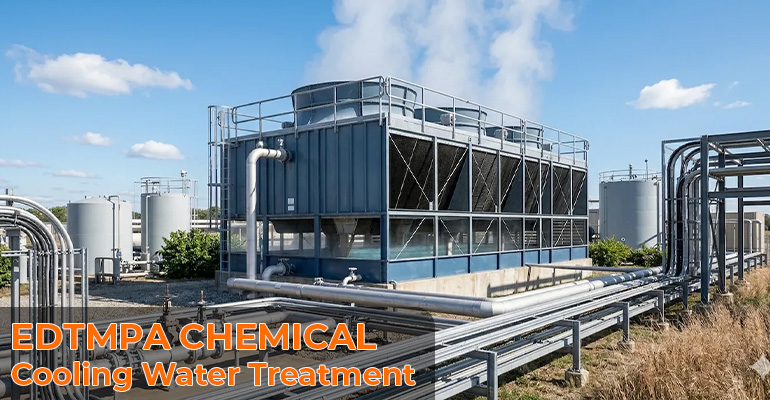
In industrial water treatment, EDTMPA can support programs designed to manage mineral deposits and dissolved metal ions. Cooling systems, process-water circuits, and other water-based operations can benefit from controlled chemistry when hardness and metal contamination create operational difficulties.
In detergent and cleaning formulations, metal ions can reduce the efficiency of certain ingredients or contribute to unwanted residue. EDTMPA can act as a metal-control component, helping formulators maintain more consistent cleaning chemistry.
The textile industry can also use phosphonate-based chemicals where water hardness and metal ions interfere with processing. Proper metal-ion control can help maintain predictable chemical conditions during different treatment stages.
In cement-related applications, phosphonate chemistry may be considered when controlled interaction with mineral components is required. The precise effect depends strongly on formulation design, dosage, cement composition, and processing conditions.
EDTMPA may also have relevance in other industrial formulations where sequestration or mineral-control properties are required. Before selecting a product, technical teams should evaluate the specific chemistry rather than assuming that one grade will perform identically across every application.
Why EDTMPA Can Be Valuable for Modern Industrial Processes
Modern manufacturing processes increasingly depend on controlled water chemistry and stable formulations. Small variations in mineral content can create problems that become expensive when they affect equipment or production quality.
EDTMPA chemical provides formulators with another tool for managing these challenges. Its phosphonate groups allow it to interact with metal ions, while its broader chemical characteristics make it suitable for different industrial treatment strategies.
The key advantage is flexibility. Instead of relying on a single mechanism for every application, formulators can evaluate EDTMPA alongside other treatment chemicals and select the combination that best matches their process. This approach can be especially useful when water hardness, temperature, metal concentration, and operating conditions vary between facilities.
Benefits of EDTMPA Chemical
1. Helps Manage Mineral Deposits
EDTMPA can support industrial treatment programs by controlling the behavior of scale-forming metal ions. This helps reduce the possibility of unwanted mineral deposits developing on equipment surfaces, particularly where hard water and continuous circulation create persistent scaling challenges during routine industrial operations.
2. Supports Better Water-Chemistry Control
By interacting with selected dissolved metal ions, EDTMPA can contribute to more controlled water chemistry. This is useful for industrial operators who need consistent treatment conditions and want to reduce the impact that fluctuating mineral concentrations may have on equipment and process performance.
3. Helps Protect Process Efficiency
Mineral deposits can interfere with heat transfer, circulation, and equipment performance. Using EDTMPA within an appropriate treatment program can help manage deposit-related problems before they become severe. This supports smoother operation and may reduce the frequency of corrective cleaning or maintenance activities.
4. Useful Across Different Industries
EDTMPA is not restricted to a single industrial application. Its metal-ion control properties make it relevant to water treatment, detergents, textile processing, cleaning formulations, and other chemical processes. This versatility allows manufacturers to consider one phosphonate chemistry for several suitable formulation requirements.
5. Supports Formulation Stability
Uncontrolled metal ions can sometimes trigger undesirable reactions inside chemical formulations. EDTMPA can bind with certain metal species and reduce their availability for unwanted interactions. This may help formulators maintain more predictable product behavior during processing, storage, and practical use.
6. Works as Part of Treatment Programs
EDTMPA does not have to operate alone. It can be evaluated alongside polymers, other phosphonates, dispersants, or complementary treatment chemicals. This makes it useful for customized industrial programs where several performance requirements must be addressed together rather than relying on one ingredient.
7. Can Support Long-Term Equipment Care
Consistent control of scale-forming ions can contribute to better equipment condition over time. When deposits are managed before they become excessive, industrial systems may require fewer disruptive cleaning interventions. EDTMPA can therefore become one component of a broader strategy focused on reliable and continuous operation.
Conclusion
Ethylenediamine Tetra(Methylenephosphonic) Acid is a versatile phosphonate with useful metal-ion interaction and mineral-control properties. Its role can extend across water treatment, cleaning, detergents, textiles, cement-related processes, and other industrial formulations where controlled chemistry is important.
For businesses evaluating an EDTMPA – Ethylenediamine Tetra(Methylenephosphonic) Acid Manufacturer and supplier in India, product consistency and technical suitability should remain key priorities. Maxwell Additives lists EDTMP among its speciality phosphonates, providing an established reference point for industrial buyers evaluating this chemical.
The right grade, concentration, dosage, and application method should always be selected according to the actual process conditions. With proper formulation and quality control, EDTMPA can provide practical support for managing metal ions and mineral-related challenges.
Frequently Asked Questions About EDTMPA Chemical
1. What is EDTMPA Chemical mainly used for?
EDTMPA Chemical is mainly considered for applications requiring metal-ion control, scale management, and sequestration. It can be evaluated for industrial water treatment, cleaning products, detergents, textile processing, and other formulations where dissolved metals may affect performance.
2. Is EDTMPA the same as EDTMP?
Yes, EDTMP is commonly used as the abbreviated name for Ethylenediamine Tetra(Methylenephosphonic) Acid. Commercial products may also be supplied in different forms, such as acid or salt forms, so buyers should check the exact product specification before ordering.
3. How does EDTMPA help control scale?
EDTMPA interacts with metal ions involved in mineral formation. This can influence their availability and reduce the tendency of certain minerals to precipitate under suitable treatment conditions. Actual performance depends on dosage, water chemistry, temperature, pH, and the types of minerals present.
4. Can EDTMPA be used in industrial water treatment?
Yes, EDTMPA can be considered as part of industrial water-treatment programs where scale-forming minerals and metal ions need to be managed. The appropriate dosage and treatment combination should be established according to the individual water analysis and operating conditions.
5. What should I check before purchasing EDTMPA?
Buyers should review concentration, physical form, quality specifications, packaging, storage requirements, documentation, and batch consistency. It is also useful to confirm whether the material is suitable for the intended formulation. A technical discussion with the supplier can help prevent grade-selection issues.
6. Where can I source EDTMPA in India?
Businesses can evaluate established speciality-chemical manufacturers and suppliers in India based on product quality, supply reliability, technical support, and documentation. Maxwell Additives PVT LTD includes EDTMP within its phosphonate product range and identifies PHOSPHOMAN-124 as Ethylenediamine tetra(Methylenephosphonic) Acid.
7. Can EDTMPA be combined with other treatment chemicals?
EDTMPA can be evaluated alongside other phosphonates, polymers, dispersants, and formulation ingredients when their chemistries are compatible. The correct combination depends on the application, water composition, operating conditions, and desired performance, so compatibility testing is recommended before large-scale use.
Related Posts