Industrial chemical formulations are rarely made from one ingredient. Industrial chemical formulations may contain active chemicals, water, stabilizing agents, dispersants or other functional additives. HEDP Chemical can be one of the functional chemicals used in such formulations, depending on the intended application and formulation requirements. Industrial chemical formulations can be influenced by the interaction between these ingredients. I believe this interaction can decide whether the final formulation stays stable and performs consistently when actually used. The interaction matters a lot. The final formulation will only shine if the interaction is right...
1-Hydroxy Ethylidene-1, 1-Diphosphonic Acid – HEDP: Chemistry, Applications and Industrial Selection

Let’s talk about 1-Hydroxyethane-1,1-diphosphonic acid, or HEDP for short (some folks call it etidronic acid, too). It’s a chemical with a few handy uses—people rely on it to control scaling, stop metal deposits from building up, and fight off corrosion. You’ll also hear it called 1-ethylidene-1,1-diphosphonic acid.
HEDP’s real strength is its versatility. It grabs onto metal ions, keeping them from forming annoying mineral deposits on pipes and equipment. That means less cleaning and fewer breakdowns.
When manufacturers choose HEDP, they usually don’t sweat the long names. What matters more is its concentration, how it’s formulated, whether it plays well with other chemicals in the water, and whether it fits the operating conditions and demands they have.
What Is 1-Hydroxyethane-1,1-Diphosphonic Acid?
Basically, HEDP is a chemical workhorse. Its molecules have groups that latch onto metal ions, which is exactly what you want if you’re trying to keep things running smoothly in an industrial setting. This characteristic is extremely advantageous, on systems, which contain calcium, magnesium, iron and other metallic elements.
When applied to the management of mineral deposits, HEDP stabilises the chemistry, and is consequently a popular option for the water treatment and other applications, which require mineral deposition control.
Maxwell Additives refers to their HEDP as Maxophos-111-C or PHOSPHOMAN-111-C with HEDP being the chemical name. This product is applied in a number of applications.
How HEDP Helps Industrial Mixtures
The effectiveness of HEDP depends on its ability to connect with metal ions.
In a water system minerals may build up if a change in temperature, concentration, pH or other conditions causes them to stick. This buildup will happen on heat-transfer surfaces, pipes, equipment or other materials that’re in the water.
HEDP can be added to the treatment solution to connect with the metal ions and prevent the conditions needed for deposits to form.
HEDPs role can be to:
- Control scale
- Manage metal ions
- Reduce deposits
- Support corrosion control plans
- Improve the stability of treatment formulations
- Help in cleaning process surfaces, including heat-transfer
The actual effect will depend on factors, including the water chemistry, concentration, temperature, pH, other parts in the formulation and the overall use.
HEDP for Controlling Scale
Scale formation is a problem in water systems.
Calcium as well as other mineral ions can combine with other ions in a solution to form deposits in a surface when the right conditions exist. This can lead to reduced heat transfer and reduced flow thus making cleaning necessary.
HEDP is used to stop scale from forming because the phosphonate part attaches to metal ions and changes how mineral deposits are created.
This is helpful in 1-Hydroxy Ethylidene-1, 1-Diphosphonic Acid in applications where the control of mineral depositss important.
HEDP should not just be chosen for scale control. The total mineral content, water chemistry and operating conditions must be checked to ensure the treatment.
HEDP and Managing Metal Ions
Changes in metal ion levels can have an effect on chemical formulations.
Calcium and magnesium contribute to deposit formation. Iron results in color formation or deposits. There could be involvement of other metals in a reaction which affects the performance or stability of the formula.
HEDP offers an avenue for dealing with metal ions as it interacts with the metals due to the groups found in it. This is crucial to the manufacturer since the objective of the manufacturer is to regulate the effect of the elements in a formulation that should be stable both in storage and use.
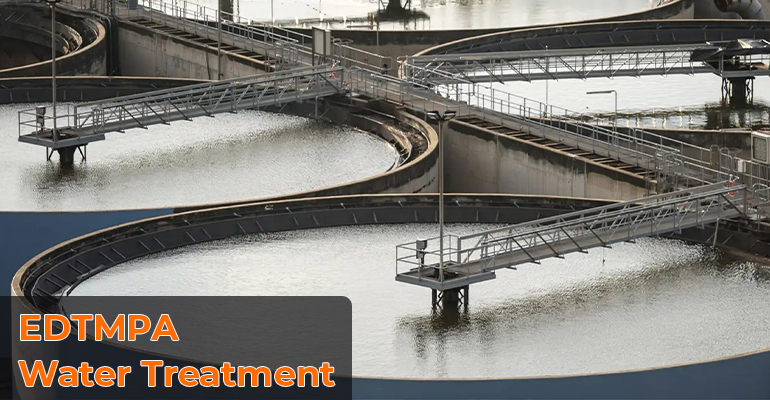
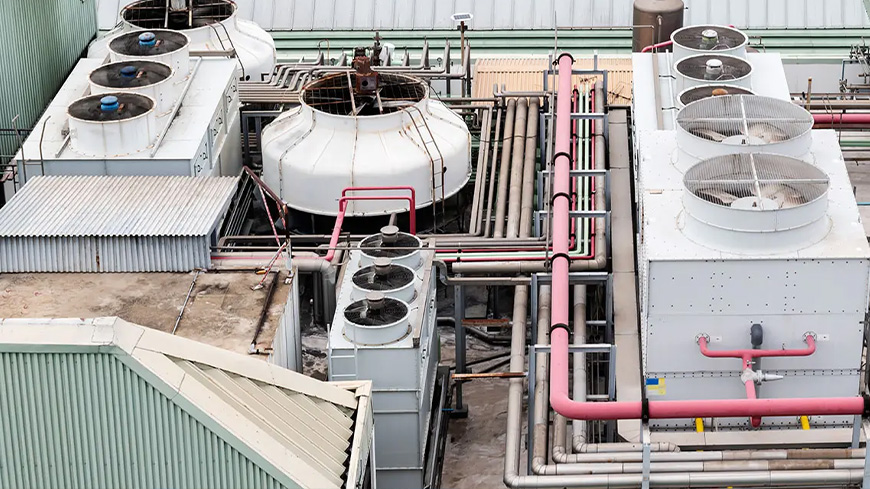
HEDP in Cooling-Water Treatments
During cooling water flows through heat-transfer parts. The movement allows dissolved minerals to build up forming scale deposits.
HEDP can be used in a treatment plan to control:
- Scale formation
- Managing minerals
- Metal ion control
- Corrosion control
- Cleaning of heat-transfer surfaces
Depending on factors like water hardness, alkalinity, pH, temperature, the level of water concentration and the materials used.
In this case 1-Hydroxy Ethylidene-1 1-Diphosphonic Acid should be included in the treatment plan. Not used alone.
HEDP in Industrial Cleaning Mixtures
HEDP is a part of cleaning formulas when mineral deposits and metal ions are limiting efficiency.
In these cases it can be used to manage minerals and control metal ions.
Whether it is right depends on the formula, including:
- Cleaning parts
- pH
- Temperature
- Water hardness
- Other cleaning agents or stabilizing ingredients
- Surfactants
- Compatibility with materials
A formula should be tested, under the conditions it will be used before using it on a scale.
HEDP in Textile Making
During production water may have minerals and metal ions that can cause changes in the process. This can lead to scale deposits and lower performance.
HEDP can be used where managing metal ions and minerals is needed in the process.
Its use should be based on the type of production and the quality of water being used not a level.
HEDP in Sugar Making
In production heat transfer and evaporation can lead to minerals depositing and causing issues. It can be added to a formula to control scale and keep process parts clean.
Selection for this process should consider the formula mix, temperature, materials used and treatment needs.
HEDP in Soaps and Detergents
In the making of soaps and detergents dissolved metal ions can cause performance or the formation of deposits.
HEDP can be added to detergents where the control of metal ions and product performance is necessary.
The HEDP needs to be evaluated in the formula since there could be interactions with the surfactant, cleaning agents, salts, preservatives and many other components.
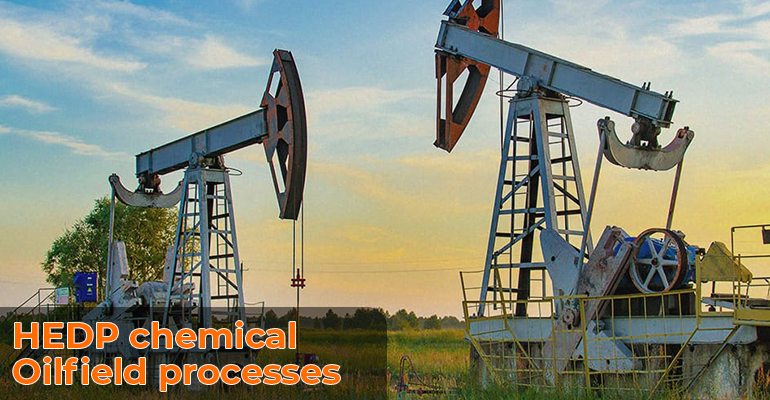
HEDP in Oilfield Use
As water is used in applications, mineral deposits and high temperatures can happen, requiring scale and metal-ion control. HEDP can be added to a treatment solution to manage the elements depending on water type, minerals, temperature, pressure, materials used and treatment needs.
Lab-scale and field tests can find out if the right HEDP is being used for the application.
Why the Quality of the Product Matters When Choosing HEDP
Two products with the chemical name should not be considered the same, when it comes to the formula.
For manufacturers making sure the product works is as important as the name.
Things to think about include:
- Active content
- Feel
- Inorganic mix
- PH and chemical mix
- Working with chemicals
How to Choose the Right HEDP for a Use
Before choosing industrial users should think about what they need.
These include, among others:
- Water Quality: Check for hardness, alkalinity, metals and other constituents of water.
- Temperature: Different temperatures may affect the mineralization process and the reaction of chemical equations.
- PH: Consider when checking if the product will work.
- Minerals: Find out what types of minerals are present.
- Materials used: Steel, copper mixtures and other elements may need strategies.
- Other chemicals used: Make sure they work together in the formula.
- How much to use: Find out the amount through testing not guessing.
- What is needed: The chemical should fit the application.
Following these steps choosing HEDP becomes more than buying a product it is a choice based on what is needed for the use.
Working with Mixes
HEDP is a chemical used in industrial processes. It is usually mixed with chemicals and formulas not used alone. A full formula can include polymers, dispersers, corrosion inhibitors, surfactants or other good parts. How these parts work together affects how the formula performs.
Testing helps find out things like:
- Does the formula stay clear and stable?
- Are there any parts forming?
- Does the product stay stable when stored?
- Does the treatment do what it is supposed to?
- Are there issues with parts?
Testing in the environment can give more info than checking each part on its own.
HEDP and Other Phosphonates
HEDP is part of a group of chemicals used for water treatment, known as organophosphonates. Other phosphonates can be used for stopping scale, managing metal ions and controlling corrosion. However they are not the same just because they are in the group the choice depends on:
- Water chemistry
- Type of scale
- Operating temperature
- PH
- Metal-ion level
- Treatment chemicals
- Needed formula stability
- Performance needed for the use
Because of this HEDP should be compared with other phosphonates based on what the use needs.
What Makes HEDP Useful in Industrial Water Treatment?
The many uses of HEDP depend on a mix of features.
It can help a system, where the use needs:
- Connecting with metal ions
- Controlling mineral scale
- Supporting corrosion control
- Working with water-based formulas
- Staying under tough process conditions
- Working with treatment chemicals
Maxwell’s product details show the wider PHOSPHOMAN organophosphonate range for uses that need stability, metal chelation, solubility and working with other formula parts.
Choosing an HEDP Manufacturer and Supplier
Choosing an HEDP manufacturer is more than looking at price per kilogram.
Industrial buyers should think about:
- Product consistency
- Control of active content
- Quality from batch to batch
- Technical info
- Packaging options
- Production ability
- Help with application
- supply
- Communication and tech support
A good supplier must give product details and help customers find if the grade is right for their planned use.
Why Choose Maxwell Additives, for HEDP
Maxwell Additives offers HEDP as part of its selection. Its product details say HEDP is Maxophos-111-C / PHOSPHOMAN-111-C. It gives info covering chemical name, physical traits, specs, packaging and industrial uses.
For users working with a special-chemical maker it can make choosing and planning supply easier. Maxwell’s organophosphonate range also has products that let customers try HEDP with chemical choices when creating a treatment or formula plan.
The main thing is to choose the product based on what it does how it works and if it goes well with things instead of picking a chemical just because of its name.
Conclusion
1-Hydroxyethane-1,1-Diphosphonic Acid is a type of organophosphonate that is used in processes where there is a need to stop scale from forming manage metal ions and help prevent corrosion. It is also called 1-Hydroxy Ethylidene-1, 1-Diphosphonic Acid, HEDP, Etidronic Acid and HEDP Acid. 1-Hydroxyethane-1,1-Diphosphonic Acid can be put into water-treatment programs and different mixes.
The way 1-Hydroxyethane-1,1-Diphosphonic Acid works depends on the chemistry of the place where it is used – the water quality, the pH, the temperature, the minerals in the water the materials of the equipment and if it works with the chemicals used must all be looked at before choosing a product.
For makers and people who use chemicals getting a type of HEDP from a company that makes specialty chemicals can help make sure the mix and the treatment work the way they should.
Frequently Asked Questions
1. What is 1-Hydroxyethane-1,1-Diphosphonic Acid?
1-Hydroxyethane-1,1-Diphosphonic Acid is a type of organophosphonate that is often called HEDP. It is also called Etidronic Acid and 1-Hydroxy Ethylidene-1, 1-Diphosphonic Acid.
2. What is HEDP used for?
HEDP is used in situations that need to stop scale from forming manage metal ions and help stop corrosion. Uses include cooling water treatment, textiles, sugar processing, detergents, oilfields and other industrial mixes.
3. Is HEDP a chemical that stops scale from forming?
Yes. HEDP is often used as a chemical that stops scale from forming because it can connect with metal ions and stop minerals from building up.
4. What is the difference between HEDP and Etidronic Acid?
HEDP and Etidronic Acid are names for the chemical. HEDP is the name and Etidronic Acid is another name for it.
5. Can HEDP be used in cooling water treatment?
Yes. HEDP is used in cooling water treatment programs when scale and minerals need to be controlled. The right amount to use depends on the water chemistry. How the system is working.
6. How should HEDP be picked for use?
Picking HEDP should be based on the water chemistry, the pH, the temperature, the minerals, in the water the materials used in the equipment if it works with chemicals and what the job needs.
7. Why does the quality of HEDP matter?
Good quality HEDP helps makers keep their mixes and treatments working the way they should. The active part, the things that are not wanted the way it looks and if it works with chemicals are all things to think about when choosing a supplier.
8. Where can I get HEDP for my work?
People who need HEDP should pick a maker or supplier of HEDP that can give quality, technical details the right containers and regular supplies. Maxwell Additives has HEDP as part of its group of specialty chemicals that include organophosphonates.
Related Posts