To ensure you get reliable chemical performance and consistent quality, choosing the right Specialty chemical manufacturer is essential. Maxwell Additives are a Specialty chemical manufacturer based in India. They offer a range of phosphonates, polymers, water treatment chemicals and other industrial chemical products...
DCDA Polymers in Industrial Wastewater Treatment
Introduction
I have seen DCDA Polymers used in wastewater situations. They help by breaking down the stuff and the things that are floating around in the water.
The choice of DCDA Polymer will be different depending on what kind of wastewater there is, how strong the colour is, the way the water is treated and what the goal is. Knowing how DCDA Polymer works and how it can be used can help companies choose the chemicals for their water treatment.
What are DCDA Polymers?
DCDA Polymers are chemicals made from dicyandiamide. DCDA products are often used as coagulants in industrial water treatment situations.
They have charges and can work with negative charges that are in the water. This can make some of the stuff in the water not want to stay apart and can help get rid of them during the process of coagulation and clearing the water.
DCDA Polymers can be used to help get rid of colour. Some kinds of water from factories have things that’re hard to separate from the water. Using the DCDA product can help make the colour less strong by making the bad stuff stick together.
The DCDA Polymers will be different depending on how they’re made the water, how much is used and the conditions.
How do DCDA Polymers work?
DCDA Polymers work by reacting with stuff in the water.
1. React with Colour
Water can have things that make it look coloured and are either dissolved or floating around. Some of these are hard to get rid of by letting them settle.
The DCDA Polymer that has a charge will react with the charged bad stuff to help make them not want to stay apart.
2. Charge Neutralisation
Many tiny particles and things floating around have charges that stop them from joining
The DCDA Polymer that has a charge can make these charges go away to help stop the particles from pushing each other away and can help them come together into bigger clumps.
3. Easy to Separate Clumps
Once the bad stuff has been made to not want to stay they can be made to come together into bigger pieces that can be taken out during the clearing process.
4. Remove Colour
In some water situations DCDA based coagulants can be used to get rid of things that make the water look coloured. The amount of colour removed will depend on what kind of dye’s there the type of polymer how much is used and the conditions.
Key Applications
DCDA Polymers can be tested for use in water treatment. The type of water and what is needed will decide if they are suitable.
1. Textile Industry
Making clothes and dyeing them can make water that has dyes, pigments, chemicals and things floating around.
Usually getting rid of the colour is needed when treating the water from this industry. DCDA Polymers may be used during treatment to help break down the things that make the water look coloured and help separate them.
The right product and amount will need to be found through testing. There are dyes and chemicals used.
2. Dyeing and Printing Industry
Dyeing and printing can make water of colours and chemicals.
Some things that make the water look coloured can be hard to get rid of because they are spread out. Using the DCDA Polymer can help during the process of making the things easier to separate.
3. Paper and Pulp Industry
Making paper and pulp can make water that has fibres, tiny pieces, chemicals and colour.
Depending on what’s in the water DCDA based polymers could be used as part of a chemical treatment to help with making the water clear and getting rid of colour.
The type of product will depend on the kind of water the things floating around and what is wanted.
4. Pigment Manufacturing
Making pigments can make water that has pieces and other bad stuff from the process.
Tiny pieces can be hard to get rid of. DCDA Polymers can be tested for their ability to break down the stuff and help separate them during the clearing process.
5. Chemical Manufacturing
Making chemicals can make water that has things that’re not good for the environment, both organic and inorganic. Some kinds of water can have colour.
Using the DCDA based coagulant can help treat some of the water by breaking down the bad stuff.
Testing in the lab is important to make sure the right polymer is chosen.
Benefits of Using DCDA Polymers
Choosing the DCDA Polymer can help with treating water.
- Get Rid of Colour – DCDA Polymers can help make the colour less strong.
- Help with Coagulation – Break down things that have charges.
- Help with Clearing – Make the bad stuff come together.
- Check if they can be used in situations like textiles, dyeing, pigments, printing and paper.
- Flexibility – Test types and how much is used depending on the water needs.
- Can be used as part of a chemical treatment plan.
The actual benefits will depend on how the product’s made the water, how much is used and the treatment system.
DCDA Polymers vs Other Water Treatment Chemicals
There are types of chemicals used in water treatment. Knowing what each does can help companies choose the products.
| Chemical Type | General Use |
| DCDA Polymers | Get rid of colour. Help with coagulation in special industrial water treatment situations. |
| Epi-DMA Polymers | Break down pieces. Help with clearing in situations where positive charge chemicals are used. |
| Polyamine Polymers | Help with coagulation and clearing in water treatment processes. |
| Dispersant Polymers | Help keep pieces spread out and stop buildups. |
| Flocculant Polymers | Join pieces that have been made to not want to stay into big clumps. |
| Acrylic Polymers | Used in mixtures to help with spreading, scale and other industrial uses. |
They can’t be used in the way. The right product will depend on the stuff, the water chemistry and the treatment.
Key Considerations When Choosing a DCDA Polymer
Understanding the water and what is needed can help choose the right DCDA Polymer. Think about the following:
1. Colour Strength
How much and what kind of colour is in the water can affect the choice of polymer. Different dyes, pigments and things that make colour may react differently to chemical treatment.
2. Water Composition
The water can have things that are floating, dissolved and other treatment chemicals. Understanding what is in the water can help figure out how to treat it.
3. PH Conditions
The PH of the water can change how the chemicals work. Testing under PH conditions can help find out if the right DCDA Polymer will be good.
4. Polymer Type
There are types of DCDA based products available. The type should be picked to match the treatment needs.
5. Amount Needed
The amount of DCDA Polymer used can affect how well the colour is removed, how things come together and the overall treatment.
If too little is used it may not do the job. If too much is used it can make the chemical use higher.
Testing can help find the amount to use.
6. Chemical Compatibility
In water treatment there can be chemicals being used like PAC, alum, other coagulants, flocculants and PH adjusters. It is important to check how the DCDA Polymer will work with the chemicals and if the order of adding them has to be different.
Importance of Jar Testing
Testing with a jar can help find out how well the DCDA Polymer will work.
Actual samples of water can be used in the lab to compare products, amounts and conditions.
During jar testing people can watch:
- Changes to the colour of the water.
- How clumps form.
- How the stuff that separates settles.
- Changes in how cloudy the water’s how much is floating.
- How the polymer works at amounts.
- How it reacts with the treatment chemicals.
This can help pick the product and amount for the water.
Role of DCDA Polymers in Water Treatment Plants
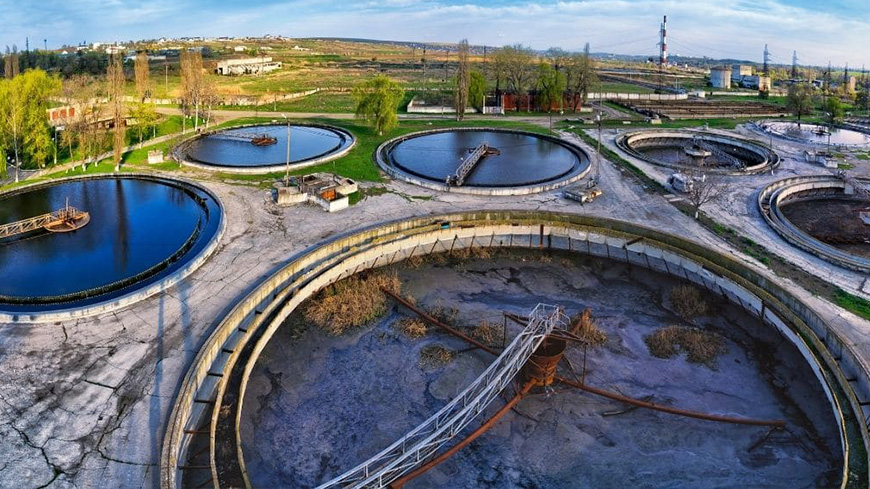
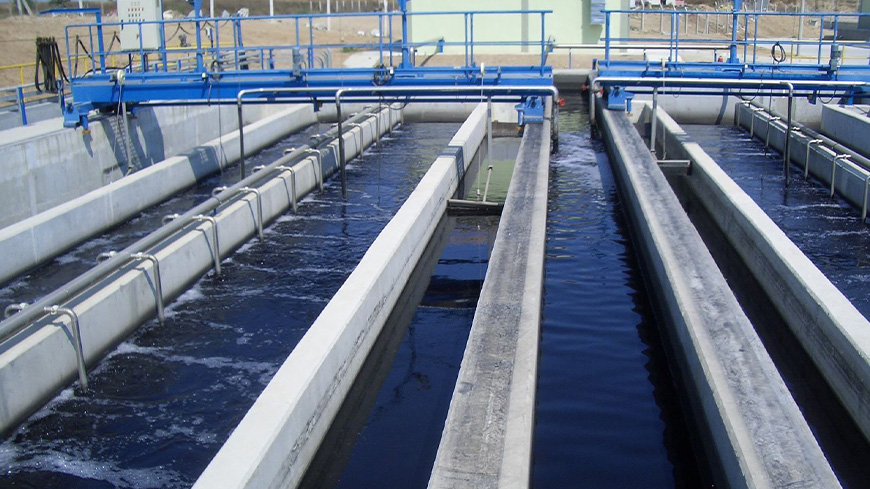
A Water Treatment Plant will use a mix of natural methods to treat industrial water.
Chemical treatment is often used to treat things that are floating tiny pieces and some things that are dissolved.
Depending on the water DCDA Polymers may be added during coagulation to help get rid of colour and separate the stuff.
A typical Water Treatment Plant may have:
- Screening – Taking out pieces from the water.
- Equalisation – Making the flow of water even.
- Adjust PH – Making the water have the conditions for treatment.
- Coagulation – Using chemicals to make the pieces not want to stay
- Flocculation – Helping the pieces that are not staying apart to form bigger clumps.
- Clarification – Taking out the parts that have formed.
- Further Treatment – May include filtering and/or natural treatment depending on the water needs.
The job of DCDA Polymer will depend on how the treatment’s set up and the water.
Common Problems with Getting Rid of Colour in Industry
Getting rid of colour can be hard because there can be different colouring things in industrial water.
1. Different Kinds of Dyes
Water from clothes and dyeing can have dyes.
The way the dyes are made and how they act in water can change how well they respond to treatment.
2. Changing Water Composition
As the production changes and different cleaning and materials are used the water can change. A chemical plan that works in one case may need to change in another.
3. Wrong Amount Used
Using the amount can change how the treatment works and make the chemical use higher. Regular checking and testing can help make sure the right amount is used.
4. Chemical Problems
If chemicals are used without checking if they work together it can change how the coagulation and separation work. Check what chemicals are used and the order they are added.
Safe Handling and Storing of DCDA Polymers
DCDA Polymers should be handled as the supplier says.
Before using any products people should read the Safety Data Sheet (SDS) and follow the instructions given.
Important things to remember include:
- Wear clothes.
- Store in the way.
- Avoid eyes and skin.
- Keep containers closed.
- Follow instructions for mixing and diluting.
- Train workers on how to handle chemicals.
- Follow the steps to deal with spills and getting rid of the chemicals.
The way to store and handle the chemicals can be different for each product. Always follow the instructions for each product.
Choosing a Good DCDA Polymer Supplier
Choosing a supplier is important for managing water treatment. Things to think about include:
1. Product Details
Clear product details can help people understand what the DCDA Polymer is like and what it can be used for.
2. Consistent Quality
Consistent quality can help make sure the chemicals work the way each time.
3. Technical Help
Help, from experts can help companies see if the product will work, how much is needed and the conditions it can be used in.
4. Reliable Supply
A reliable supply can help factories with water treatment.
5. Knowing What Industrial Water Needs
Knowing what the water needs can help find the chemicals.
Maxwell Additives works in the specialty chemicals and water treatment chemicals sector. If you want to know more about our chemicals you can look at our product categories. Get in touch with our team to talk about what you need.
Conclusion
DCDA Polymers can be used as choices in certain industrial wastewater treatments. The positive charges can help make contaminants unstable and help them separate during the clarification process. However the correct DCDA Polymers need to be chosen depending on the wastewater makeup the color strength, the PH level, how much is needed and if they work with chemicals. Testing in a lab can help find out if the DCDA Polymers will work.
Knowing how DCDA Polymers function can help companies choose the chemicals.
FAQs
1. What are DCDA Polymers used for?
DCDA Polymers can be used in wastewater situations. They can help make contaminants unstable. They are often used to remove color and for coagulation.
2. How do DCDA Polymers help with color removal?
The positive charges can connect with color causing substances to make them unstable. This can help them join together and separate.
3. Can DCDA Polymers be used in wastewater?
Yes DCDA based products can be tested for textile and dyeing wastewater. They can be used when color removal is needed. The correct type and amount will depend on the wastewater makeup.
4. Can DCDA Polymers be used in Effluent Treatment Plants?
DCDA Polymers can be thought about for use in chemical treatment programs in ETPs. The job of DCDA Polymers will depend on the treatment setup, the type of contaminants and what is needed.
5. What is the difference between DCDA Polymers and Epi-dma Polymers?
Both polymers are different in the way they are made and what they are used for. The right DCDA Polymer should be chosen based on the wastewater and the treatment process.
6. How can I choose the DCDA Polymer?
Think about the wastewater makeup the color strength, the PH level, the suspended solids, the treatment conditions and if they work with other chemicals. Jar testing can help find out the type and amount.
7. Why is jar testing important?
Jar testing can help people compare products and amounts using samples of wastewater. This can help find out how well color is removed, how things come together how they settle and if they work with chemicals.
8. Can DCDA Polymers be used with water treatment chemicals?
DCDA Polymers might be used as part of a planned chemical treatment program. However making sure they work well together and the order of adding them should be checked by testing in a lab or, in the place.
Related Posts