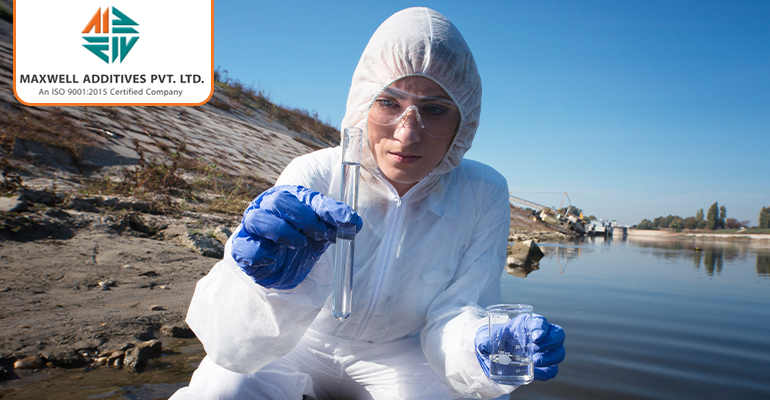
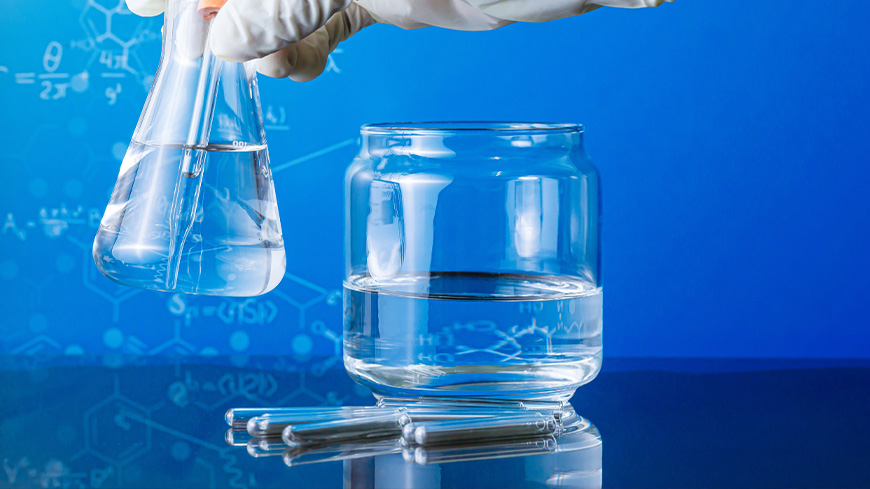
In addition to the water required for drinking and sanitary use by employees and for fire protection, most industrial establishments require larger amount of water for cooling, boiler feed and process use. Thus, 1) Cooling is the largest industrial use for water. 2) Process water is the second largest industrial use and 3) Boiler feed is the third largest industrial use of water. For these industrial uses, the quality of water required for specific application is as important as the availability of a sufficient quantity. The general quality criteria for waters are that they should neither permit the formation of deposits, which reduce heat transfer or increase resistance to the flow of water,...
Understanding Water Treatment Chemicals and Their Importance in Modern Industries
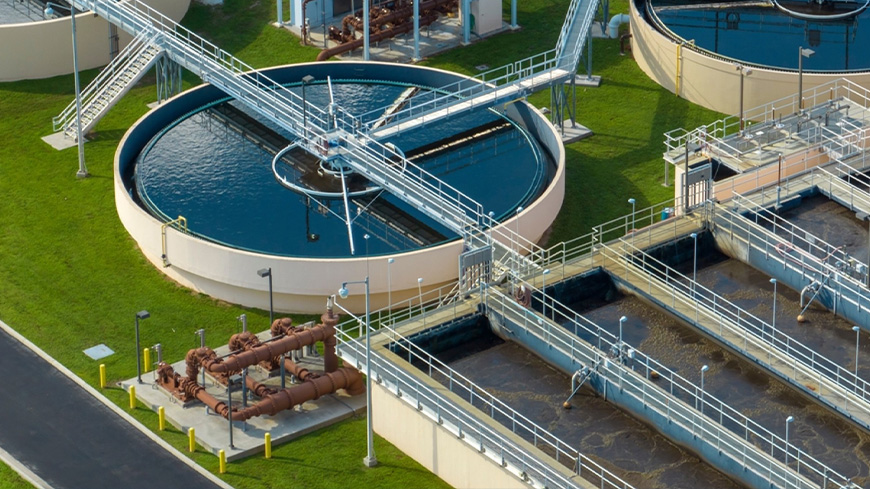
Industries need water for far more than drinking or fire safety. Cooling accounts for the largest share of industrial water use. Followed by process operations, while boiler feed is another major application. Because so much depends on water quality, industries require water that does not clog pipes, reduce heat transfer efficiency, or cause excessive wear and tear on equipment over time. Therefore, proper water treatment is essential to ensure efficient operations, protect equipment , and maintain reliable industrial processes.
Water quality varies a lot depending on where it comes from, and that variation causes real headaches on the production floor. Bad water can eat into profits fast. It can reduce heat transfer, cut down water flow, wear out equipment early, or lower product quality.
Two Ways to Treat Water
Plants tackle these problems with two main strategies: external treatment and internal treatment.
- External treatment: water passes through equipment that physically or chemically removes specific impurities, like suspended solids or dissolved gases, before it enters the system
- Internal treatment: chemicals get added directly into the water to control scale, corrosion, and biological growth once the water is already circulating
Internal treatment usually blends three types of chemicals working together: scale inhibitors, corrosion inhibitors, and biocides, all formulated to be compatible with each other.
Understanding Scale Buildup
Scale is commonly the buildup of minerals like calcium , magnesium , strontium, and silica inside pipes and machinery. It forms because minerals naturally want to settle into their most stable state, and that process shows up as deposits on surfaces exposed to heat.
There are two basic types worth knowing:
- Soft scale: caused by calcium and magnesium buildup, fairly common, and relatively easy to clean
- Hard scale: caused by silica and strontium combined with calcium and magnesium, much tougher to remove, and requires specialized treatment
Chemical additives like precipitants, chelating agents, and dispersants help keep scale from forming, while descaling agents handle removal once buildup has already occurred. Skipping proper treatment gets expensive fast, leading to metal loss, uneven cleaning, accidents, and repeated production losses.
Biological Growth in Water Systems
Algae, bacteria, and fungi can take hold in cooling towers and water systems, creating slippery surfaces, bad odors, and cloudy water. These organisms are always present in the air and water, and they multiply quickly once conditions favor their growth.
Three main types of algae tend to show up in these systems. Fast-growing green algae stays suspended in water and is fairly easy to control, while slow-growing blue-green algae and mustard-yellow algae cling stubbornly to surfaces and resist treatment. Plants typically fight these growths with biocides mixed with dispersants and surfactants that break up slime and algae clumps.
What Causes Corrosion
Corrosion happens because refined metals naturally want to return to a more stable, oxidized state when exposed to oxygen and water. This process forms metal ions and electrons, gradually breaking equipment down.
Several distinct types of corrosion can occur, and understanding which one is happening helps determine the fix.
- Uniform corrosion: spreads evenly across the entire metal surface at roughly the same rate
- Localized corrosion: attacks specific spots on a metal surface rather than the whole thing
- Dealloying: also called selective leaching, where certain metal components get stripped away
- Galvanic corrosion: occurs when different metals contact each other in a reactive environment
- Microbiologically influenced corrosion: results from microorganisms interacting directly with a metal surface
Plants can fight corrosion through several combined methods, including reducing dissolved oxygen, adjusting pH, applying protective coatings with corrosion inhibitors, and dispersing suspended solids. Oxygen scavengers play a special role here, since they react with dissolved oxygen in water and neutralize its corrosive effects before damage occurs.
Monitoring Water Quality Over Time
Treatment programs only work if plants keep a close eye on how water chemistry shifts over time. Regular testing of pH, hardness, conductivity, and dissolved oxygen helps operators to catch problems before they turn into equipment failures. Many plants track these numbers daily or even continuously through automated sensors, since small changes in water chemistry can signal bigger issues brewing beneath the surface. Without consistent analytics, treatment programs tend to drift out of balance. Chemical injections that worked well last month might fall short as seasonal temperature changes or shifts in source water composition alter the water’s mineral content. Plants that skip regular testing often explore problems only after scale or corrosion has already caused visible damage, which usually means costlier repairs and unplanned downtime.
Advanced facilities increasingly rely on real-time analytic systems paired with software that flags unusual readings automatically. This shift toward data-driven treatment has made it easier for operators to fine-tune chemical injections on the fly rather than relying on fixed schedules that may not match actual system conditions. Combining regular lab testing with automated sensors gives plants the clearest picture of how well their treatment programs are actually performing.
Building an Effective Treatment Program
There is not a single chemical that solves every water treatment challenge on its own. Effective programs blend scale inhibitors, corrosion inhibitors, and biocides into a coordinated strategy tailored to a plant’s specific water source, equipment, and operating conditions. Getting this balance right often requires input from water treatment specialists who understand how different chemicals interact with each other and with the system they are protecting.
Injecting levels also need regular adjustment as conditions change throughout the year. A treatment program calibrated for summer cooling loads might need tweaking once temperatures drop and water demand shifts. Plants that treat their programs as static, set once and left alone, tend to see performance slip over time as conditions evolve around them.
Cost considerations matter too, but cutting corners on water treatment rarely pays off in the long run. The expense of quality chemicals and perfect analytic is commonly far smaller than the cost of emergency repairs, sudden shutdowns, or replacing equipment damaged by unchecked scale and corrosion. Plants that invest in a well-designed and properly maintained treatment program tend to see fewer disruptions and get more reliable performance out of their equipment over its full working life.
Advantages of Water Treatment Chemistry
1. Improves Equipment Life
Proper treatment reduces wear and tear on boilers, pipelines, and heat exchangers, helping equipment last longer.
2. Reduces Maintenance Costs
Preventing scale and corrosion minimizes unexpected repairs and lowers operational expenses.
3. Enhances Energy Efficiency
Clean systems transfer heat more efficiently, reducing fuel and power consumption.
4. Supports Continuous Production
Industries experience fewer shutdowns when water systems are properly maintained.
5. Protects Critical Assets
Water treatment helps safeguard expensive industrial equipment from premature failure.
6. Improves Water Quality
Treatment programs maintain stable water chemistry for consistent industrial processes.
7. Increases System Reliability
Well-maintained systems perform better under varying operating conditions.
8. Supports Sustainable Operations
Optimized chemical usage helps industries improve water management practices and reduce waste.
Conclusion
Water treatment chemistry has become a main part of modern industrial operations. It also helps industries maintain equipment efficiency, reduce operational risks, and enhance overall system performance. From boiler water treatment and cooling water system management to the management of RO treatment chemicals and corrosion inhibitors, every solution plays an important role in protecting valuable assets.
By implementing the right water treatment chemicals and maintaining proper analytics practices. The companies can achieve lower maintenance costs, fewer production interruptions, and better energy efficiency. Investing in a reliable industrial water treatment program is not just about treating water– it’s about ensuring long-term productivity, sustainability, and business growth in an increasingly competitive industrial environment.
FAQs
1. What is water treatment chemistry?
Water treatment chemistry refers to the scientific process to manage chemicals and analytic techniques to improve water quality for industrial applications. It helps to control the scaling process, control corrosion, and microbial growth in industrial systems.
2. What is scale?
Scale is the hard deposit that forms inside pipes, boilers, heat exchangers and other equipment due to the presence of minerals like calcium, magnesium, and silica in water. Over time, scale also reduces heat transfer efficiency, restricts water flow, and increases energy consumption. Proper water treatment chemicals help prevent scale formation and maintain smooth system operation. Maxwell Additives PVT.LTD. provides specialized solutions to help industries effectively manage scaling issues.
3. What is corrosion?
Corrosion is the gradual deterioration of metal surfaces caused by chemical reactions between metal, water, and oxygen. It can weaken pipelines, tanks, and industrial equipment, leading to leaks and costly repairs. Corrosion inhibitors are commonly used in Industrial Water Treatment programs to protect metal surfaces and extend equipment life. Maxwell Additives PVT. LTD. provides advanced water treatment solutions designed to minimize corrosion and improve system reliability.
4. How does water treatment chemistry work?
Water treatment works by adding specialized water treatment chemicals that interact with impurities present in water. These chemicals help remove or control contaminants and maintain balanced water conditions for safe and efficient operations.
5. Which components are used in the water treatment process?
The water treatment includes components like corrosion, scale inhibitors, antiscalants, biocides, oxygen scavengers, dispersants, and pH control chemicals. The selection depends on the type of industrial water treatment system being used.
6. Why do companies use water treatment chemistry?
Companies use industrial water treatment to improve operational efficiency, protect equipment, reduce the cost of maintenance, and ensure uninterrupted production Maxwell Additives PVT.LTD. It supports industries with specialized chemical solutions designed for various water treatment applications.
8. What are the features of water treatment chemistry?
Key features include scale prevention, corrosion control, microbial management, enhanced water quality, energy savings and improved equipment protection. Maxwell Additives PVT.LTD. provides a broad range of treatment solutions suitable for diverse industrial requirements.
9. What are the benefits of using water treatment chemistry?
The important benefits are longer equipment life, improved productivity, lower operating costs, reduced downtime, and better process reliability. Maxwell Additives PVT.LTD. It provides industrial water treatment chemical solutions that help industries maintain efficient and sustainable operations.
Related Posts