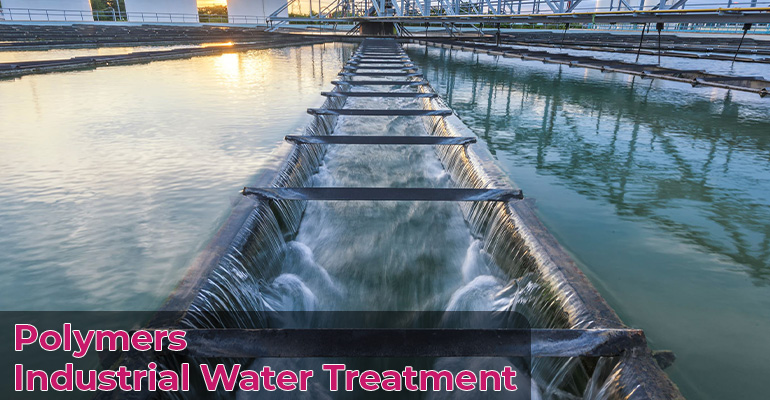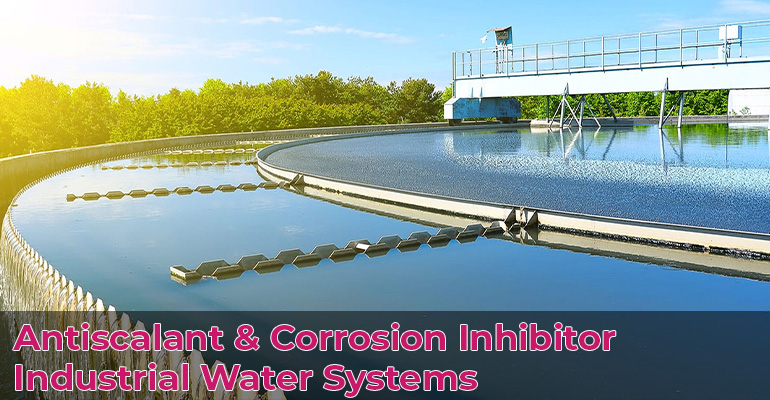

The polymers can be extremely efficient in water treatment. The problem with contamination of water during the industrial production process is common. These impurities can be present in the form of solids, solutes, oils and other impurities...
Organo phosphates in Industrial Water Treatment: Uses & Benefits

Water treatment in industrial applications is an important process. Water can be used for cooling, cleaning, manufacturing and processing. Throughout these processes, water can become contaminated with dissolved minerals, suspended solids and chemical compounds.
If not properly managed, these impurities can cause issues with performance of equipment, efficiency and quality of water.
Various organophosphate compounds are used within industrial applications. Some organophosphate compounds are important in the production of specialist chemicals. However, some phosphate-based and related phosphorus containing chemicals have uses in water treatment.
There are a variety of different chemicals within the group of organo phosphates.
Not all of these organophosphate compounds have use in water treatment. Properties of products within this group can vary greatly.
Understanding the chemical structure, uses, advantages and limitations of these products can help manufacturers select suitable products for their application.
What are organo phosphates?
Organophosphates contain phosphorus.
Chemically, they are esters and related derivatives of phosphoric acid.
The molecules contain phosphorus atoms bonded to other groups via oxygen atoms.
Depending on the groups attached to the phosphorus, the chemical properties of the compound will vary.
Depending on the compound, organophosphates can be used as intermediates, plasticisers, flame retardants or components of specialist industrial formulae.
Other phosphorus containing chemical groups, such as organophosphonates and organic phosphate esters, can be used in industrial water treatments.
Whilst these groups share similarities due to the presence of phosphorus, they should be considered as different.
For example, although organophosphates and organophosphonates both contain phosphorus, the bonds within each molecule are different.
This means that chemical properties and uses can differ. Therefore, it is important to understand the chemical identity of a product to make a decision on suitability for water treatment.
Chemical Properties
Understanding chemical properties of organophosphates is important in understanding their use in industrial applications.
Phosphorus can form a wide variety of compounds depending on the bonding and oxidation states.
Many commonly used organophosphate esters contain phosphorus in the +5 oxidation state.
Functional Groups
Phosphate esters contain phosphorus-oxygen bonds.
Phosphorus atoms are typically bonded to groups containing oxygen atoms.
Organic groups are bonded to the phosphate ester via oxygen atoms.
The functional groups within these molecules can affect solubility, reactivity and compatibility with other substances.
Organic Groups
Depending on the compound, a variety of organic groups can be attached to the phosphate.
These may include alkyl or aryl groups.
Depending on the group, properties including viscosity, volatility and solubility may be affected.
Bonding
The bonding in organophosphates can help distinguish them from other phosphorus containing chemicals.
Phosphate esters typically contain phosphorous-oxygen-carbon bonding.
However, organophosphonates contain phosphorous-carbon bonding.
This means that chemical properties and industrial uses may differ between these compounds.
Molecular Structure
The molecular structure of an organophosphate will affect the behaviour of the compound. Different molecular structures mean different chemical and physical properties. Therefore, it is important to consider each product individually.
Types of Organophosphates
Depending on the number and type of organic groups attached to the phosphate group in phosphates, different types can be formed.
1. Monophasphate Esters
Monophasphate Esters contain one organic group attached to the phosphate via oxygen.
These may be used in surfactants and specialist chemical formulae.
Depending on the group and formula, properties will vary.
Some products may be used in cleaning and surface treatment processes.
2. Diphosphates Esters
Diphosphates Esters contain two organic groups attached to the phosphate group.
Some compounds in this group may be used within chemical manufacture and specialist formulae.
Properties will vary depending on structure and intended use.
3. Triphosphates Esters
Triphosphates Esters contain 3 alkyl groups attached to the phosphate group via oxygen atoms.
Certain triphosphates can be used as solvents, plasticisers or components of specialist chemicals.
Depending on the chemical and conditions, they may be suitable.
4. Aryl Phosphates Esters
Aryl Phosphates Esters contain organic groups.
Certain compounds in this group can be used as flame retardants, plasticisers and in industrial materials.
Depending on the type of aryl phosphate ester, physical properties and safety requirements may vary.
5. Mixture of Phosphates Esters
Mixture of Phosphates Esters contain a mixture of organic groups.
Chemical properties depend on the groups and molecular structure. These compounds may be created for specific industrial formulae.
6. Specialist organophosphate formulae
Some organophosphate compounds may be used in specialist formulae within industrial applications. These may include surfactant systems, industrial fluids, chemical intermediates and specialist treatment formulae.
Depending on the formulation, the suitability of the formula may vary.
Not all organophosphate products are suitable for water treatment.
Why are organophosphates important in industrial applications?
Organic phosphates containing compounds can have many functions in industrial applications. The molecular structure can be altered to give materials specific physical and chemical properties. Some organophosphates can be used as chemical intermediates. Other organophosphates can be used to alter the properties of industrial fluids, polymers and other materials. Certain phosphate esters can be used in industrial applications due to their surface active properties or other chemical properties. Depending on the compound, there can be a wide variety of uses for organophosphates. For example, a compound used as a flame retardant may not be suitable for water treatment applications. Similarly, a phosphate ester used in a surfactant formulation may behave very differently to a phosphorus containing scale inhibitor. Understanding these differences can allow industrial users to make informed decisions on which chemicals to use.
Main Uses in Industrial Applications
Phosphates and related phosphorus based specialist chemicals can be used within a variety of industrial applications. Whether suitable for an application depends on the compound, formulation and requirements of the process.
1. Industrial Water Treatment
Certain organic phosphate esters and related phosphorus containing chemicals can be used in industrial water treatment formulae. Depending on chemical structure and other components in the formula, different functions can be performed.
Some phosphate esters may give surface activity to formulae. However, other phosphorus containing chemical groups, organophosphonates, may be used within scale inhibition and metal ion control.
It is important to understand these differences as phosphate esters may not perform the same function as phosphonates. It is important that industrial users check specification of products to decide suitability for water treatment.
2. Cooling Water
Cooling water is used in a variety of industrial applications including factories, power stations and processing. Scaling of minerals, corrosion and build-up of suspended solids may occur within cooling water. Mixtures of scale inhibitors, corrosion inhibitors and dispersants are typically used in treatment programs. Certain phosphorus containing chemicals may be used within these.
Common organophosphonate scale inhibitors should not be confused with organophosphate esters. Suitability of any phosphorus containing chemical depends on the cooling water chemistry, conditions and desired treatment.
3. Industrial Cleaning Formulae
Certain phosphate esters may have surface active properties. As a result, they may be useful in some cleaning and specialist surfactant formulae. This may affect wetting properties, emulsification or interactions with surfaces. Whether suitable depends on the compound and formula.
4. Plastics and Polymers
Certain organophosphate esters may be used in polymer and plastics formulae. Some products may be used as plasticisers to alter flexibility or processing properties of the material. Other products may be used as flame retardants. Whether suitable depends on the polymer system, product requirements and relevant safety requirements.
5. Flame Retardants
Certain organophosphate compounds may be used in flame retardant applications. Phosphorus containing additives may alter the burning properties of materials. Whether suitable depends on the chemical structure of the product and material. Different organophosphate flame retardants may have different environmental and safety properties.
6. Specialist Chemical Production
Organo phosphates may be used as starting materials, intermediates or components in specialist chemical production. Due to their chemical structure, they can participate in production processes. Some compounds may be designed for specific industrial applications. Purity, chemical compatibility and conditions within the process should be considered to select suitable materials.
7. Industrial Fluids
Certain phosphate esters may be used in industrial fluids. Some formulae may be designed to give fire resistance or lubrication properties. Whether suitable depends on the system and chemical properties of the product.
8. Agricultural Chemical Production
In the past, some organophosphate compounds have been used in pesticide formulae for farms. This is a specific group of biologically active chemicals. These substances may be hazardous to health and the environment, and are therefore subject to specific regulatory controls. These should not be confused with organophosphate products used in industrial applications.
Functions of phosphorus containing chemicals in Water Treatment
Phosphorus containing chemicals can be used in water treatment. Depending on the chemical group, different functions can be achieved. It is useful to understand the difference between phosphate esters, phosphonates and other phosphorus containing chemicals.
1. Scale Inhibition
Scaling can occur in water due to crystals precipitating from solution. Commonly this is calcium carbonate or calcium phosphate deposits. Some organophosphonates can be used to reduce scaling. These may interfere with crystal growth, and alter precipitation. Not all organophosphate esters may have this function.
2. Corrosion Inhibition
Corrosion can occur to metal surfaces in water. Some phosphorus containing treatments can be used within corrosion inhibition programmes. Whether suitable depends on chemical composition, water chemistry and conditions. Products may have different functions.
3. Interaction with Metal Ions
Some phosphorus based compounds can interact with metal ions. For example, some organophosphonates can chelate metals. This may be an important consideration in industrial water treatment. However, different chemical groups may chelate different metals. Different individual compounds within these groups may also chelate different metals.
4. Surface Activity
Some organic phosphate esters can have activity on surfaces. This may alter wetting, or help mix oil and water. It may also alter surface interactions. This can be useful in industrial formulations.
5. Compatibility with other treatment chemicals
In industrial water treatment, chemical mixtures may be used. Phosphorus containing chemicals may be used alongside polymers, corrosion inhibitors and other suitable additives. However, it is important to consider compatibility of the chemicals. Whether the combination is effective depends on the treatment.
6. Important Chemical Properties of Organophosphates
Depending on the construction of the molecule, organophosphates can have varying chemical and physical properties. These properties should be considered.
7. Chemical Structure
The chemical structure determines what groups are in the molecule, and how atoms are bonded. This will determine reactivity, and industrial use.
8. Molecular Weight
Depending on the organophosphate, different molecular weights may be present. This can affect properties, and handling of the product.
9. Solubility
Depending on the groups and structure of the molecule, some organophosphates may be soluble in water, or slightly soluble.
10. Viscosity
Viscosity of a liquid will affect how it is pumped, mixed and handled. Different formulations may have different viscosities.
11. Chemical Stability
Chemical stability will depend on the compound, and how it is stored. Some phosphate esters may be unstable under certain conditions. Stability can be affected by heat, pH and chemical interactions.
12. Thermal Properties
Some organophosphates may be used in high temperature environments. However, stability of different products will vary. Consider what temperatures are in operation before selecting a product.
13. Reactivity
Depending on the structure, organophosphates may undergo chemical reactions. Considering reactivity of the compound is important to determine chemical compatibility.
14. Appearance
Commercial organophosphate products may be in liquid form or mixed. Appearance will depend on the contents and strength of the product.
15. Environmental Effects
Depending on the organophosphate compound, different effects may occur in the environment. Some may be unstable under certain conditions. Others may be persistent, or produce decomposition products of concern. Consider properties of individual products.
Advantages of Appropriate Organophosphates in Industrial Applications
Depending on structure and intended use, organophosphates may have different advantages.
Versatile Chemical Structures
Different organophosphates have varying molecular shapes. This allows products to be developed for a variety of industrial applications.
Useful in Specialist Formulae
Certain organophosphates may be included in chemical formulae. Properties may allow requirements in production/processing to be met.
Surface Activity
Some organic phosphate esters may have surface activity. This can be useful in cleaning and surfactant applications.
Use in Polymers
Organophosphate esters may be used as plasticisers or flame retardants. Whether suitable depends on the polymer formulation.
Relevant to Industrial Fluids
Certain esters may be included in specialist industrial fluid formulae. This may give suitable properties for the application.
Different Product Options
Organo phosphates are available in different chemical structures and formulations.
This provides industrial users with options for specific applications.
Support for Specialty Chemical Manufacturing
Organo phosphates can be used as chemical intermediates or formulation ingredients.
Their chemical versatility makes them relevant to selected manufacturing processes.
Conclusion
Organo phosphates are an important category of phosphorus-containing organic compounds used in several industrial applications.
Different organophosphate compounds may be used in specialty chemical manufacturing, industrial cleaning formulations, polymer materials, flame-retardant products and specialised industrial fluids.
Their chemical properties depend on molecular structure, functional groups, solubility, stability and reactivity.
In industrial water treatment, it is particularly important to distinguish organophosphate esters from organophosphonates and other phosphorus-containing chemicals.
Industrial buyers should evaluate chemical identity, product specifications, compatibility, safety and environmental requirements before selecting a product.
The correct choice depends on the intended application and operating conditions.
Working with an experienced specialty chemical manufacturer or supplier can help businesses identify appropriate phosphorus-containing chemicals for their industrial requirements.
Frequently Asked Questions About Organo phosphates
1. What are Organo phosphates?
Organo phosphates are organic phosphorus-containing compounds. In a narrower chemical definition, they include esters and related derivatives of phosphoric acid.
2. What are Organo phosphates used for?
Different organophosphate compounds are used in specialty chemical manufacturing, surfactant formulations, plasticisers, flame retardants and certain industrial fluids. Their applications depend on their chemical structures.
3. Are Organo phosphates used in industrial water treatment?
Certain organic phosphate esters may be used in specialised industrial formulations. However, organophosphonates are a distinct chemical family commonly used for scale inhibition in industrial water treatment.
4. What is the difference between Organo phosphates and organophosphonates?
Typical organophosphate esters contain phosphorus-oxygen-carbon linkages. Organophosphonates contain a direct phosphorus-carbon bond. This structural difference can influence their chemical properties and applications.
5. What are phosphate esters?
Phosphate esters are organic derivatives of phosphoric acid in which one or more acidic hydrogen atoms are replaced by organic groups through oxygen linkages.
6. Are Organo phosphates and inorganic phosphates the same?
No. Organophosphates contain organic groups associated with phosphorus-containing structures, while inorganic phosphates do not have the same organic phosphate ester structures.
7. What industries use Organo phosphates?
Applications include specialty chemical manufacturing, plastics, coatings, industrial cleaning, flame-retardant formulations and specialised industrial fluids.
8. What factors affect the performance of Organo phosphates?
Important factors include chemical structure, purity, concentration, temperature, pH, chemical compatibility and intended application.
9. How do I choose the right Organo phosphates product?
Confirm the chemical identity, review technical specifications, evaluate compatibility and conduct appropriate application testing before selection.
Related Posts