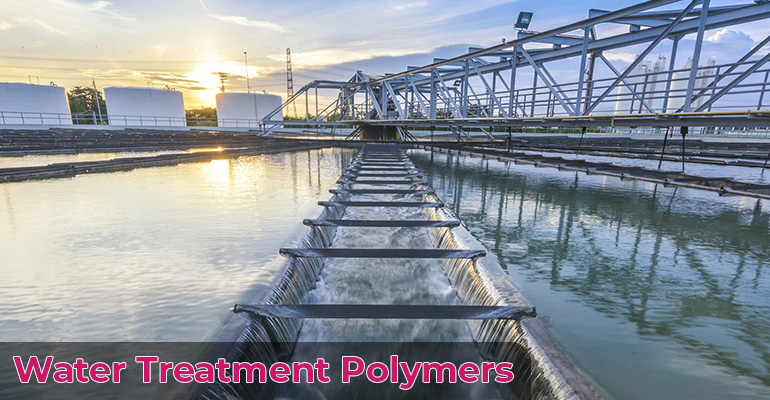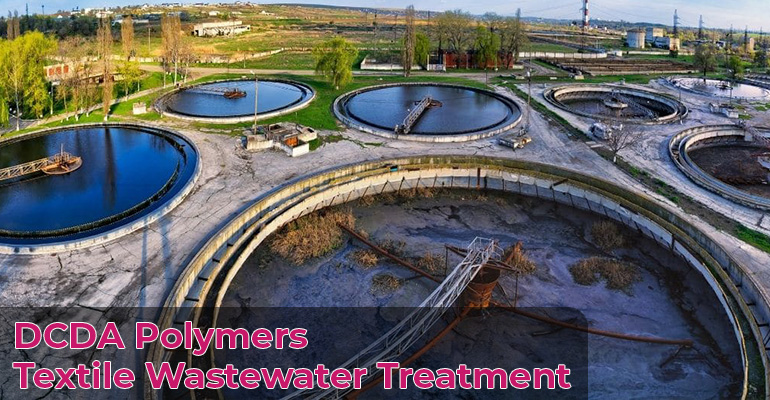
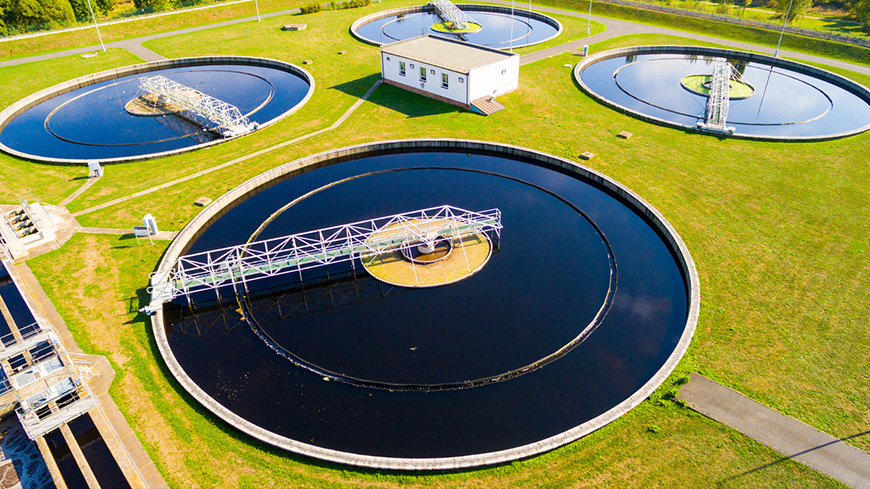
Water treatment systems often face problems such, as particulate matter, scale and water quality issues. Choosing water treatment chemicals can solve problems. Keep water treatment systems running smoothly. Water Treatment Polymers I notice, are used in applications because they can be tailored to fit specific treatments...
Specialty Chemicals Manufacturers – Phosphonates, Polymers and more
Introduction
To ensure you get reliable chemical performance and consistent quality, choosing the right Specialty chemical manufacturer is essential. Maxwell Additives are a Specialty chemical manufacturer based in India. They offer a range of phosphonates, polymers, water treatment chemicals and other industrial chemical products.
Maxwell Additives – Phosphonate Manufacture
Maxwell Additives offer Specialty chemical manufacturer products. The phosphonates can be used in water treatment.
Phosphonates are used in products to bind metal ions. This helps to stop minerals from building up. Depending on the shape of the phosphonate and the mix phosphonates can help with scale control spreading out particles and treatment. Phosphonates are used in products to bind metal ions. This helps to stop minerals from building up. Depending on the shape of the phosphonate and the mix phosphonates can help with scale control spreading out particles and treatment.
When choosing a manufacturer in India you want to ensure that the phosphonate product will meet the specification, be consistent, have technical data and meet your supply requirements.
Polymers & Dispersant Polymers
Polymers can be used in different applications. Polymers can be designed with chemical structures. In water treatment special polymers can be used to keep suspended particles in check and to stop mineral buildup. I find it fascinating that polymers are so versatile.
1. Dispersant Polymers
Dispersant polymers help to keep particles dispersed in liquid. The performance will depend on the water chemistry, temperature and concentration.
2. Acrylic Polymers
Acrylic polymers are used in industrial and water treatment. Depending on the polymer type and molecular structure, acrylic polymers can be used as dispersants, scale control and within formulations.
3. Water Treatment Polymers
Water treatment polymers are chosen to overcome issues during treatment. Depending on the polymer type and system, the polymer will help.
Maxwell Additives offer a range of polymers in the POLYMAN® range for water treatment.
Role of Specialty Chemicals in Industrial Water Treatment
Specialty chemicals are used in industrial water treatment to address different water quality and process requirements. The selection of a suitable chemical depends on the type of water, system design, operating conditions and treatment objectives.
Phosphonates, polymers, antiscalants and corrosion inhibitors can each serve different functions within a treatment programme. Some formulations help manage mineral deposits, while others support particle dispersion or help protect system materials.
Understanding the purpose of each chemical category helps industries select products that align with their treatment requirements.
Antiscalant & Corrosion Inhibitors
Antiscalants help to prevent mineral scale build up. Corrosion inhibitors help to reduce the corrosion of metal surfaces. Some treatments will use products to overcome scale and corrosion. Other treatments will use a combination of chemicals depending on the water quality and system. The product will depend on the water composition, temperature, material and what you are trying to achieve with treatment. A good treatment programme should use data from the system. If possible testing.
Quaternary Ammonium (Quats)
Quaternary ammonium compounds can be used in applications. The properties will depend on the compound, concentration and formulation. Benzalkonium chloride is an example of an ammonium compound used in some cleaning, hygiene and disinfection formulations. The product should be chosen based on the application, regulations and technical data.
How Phosphonates and Polymers Work Together
Phosphonates and polymers may be used together in certain water treatment formulations. Their functions can complement each other, depending on the chemical composition and system conditions.
Phosphonates can interact with metal ions and help manage mineral scale formation. Dispersant polymers can help keep particles distributed in water and reduce their tendency to aggregate.
The combination of chemicals should be selected carefully. Compatibility, concentration, water chemistry and operating conditions all influence treatment performance. Product selection should be based on system data and relevant technical information.
Other Specialty Chemicals
Triazines are a range of chemicals used in applications. Depending on the triazine derivative and formulation the triazine will have a function. Ensure the product is the correct chemical, meets the specification and suitable for your application.
1. Polyamines
Polyamines have functional groups and can be used in a wide range of industrial and water treatment applications. Some polyamines can be used as coagulants or to aid treatment.
2. Carbamates
Carbamates are a range of chemicals used in industrial sectors. The properties and applications vary greatly. The product should be chosen based on the compound and technical data.
3. Sodium Dimethyl Dithiocarbamate
Sodium dimethyl dithiocarbamate can be used in applications. Ensure the grade, handling, compatibility and application are suitable.
4. HMDTMPA – Phosphonate
Hexamethylenediamine tetra(methylenephosphonic) acid (HMDTMPA) is a compound used in formulations. HMDTMPA will interact with metal ions to help control mineral build up.
5. Epi-DMA & DCDA Polymers
Epi-DMA and DCDA polymers are types of polymers used in water treatment. The performance will depend on the polymer, molecular properties and formulation.
6. Organo Phosphates & DETA Phosphonate
Organo phosphates and DETA phosphonate are ranges of chemicals that can be used in industrial formulations. The application will depend on the chemical structure and process requirements.
Common Challenges in Industrial Water Treatment
Industrial water systems may experience several challenges that affect operation and maintenance.
1. Mineral Scale Formation
Dissolved minerals can form deposits on equipment surfaces and within pipes. Scale management may involve suitable antiscalants, phosphonates or other treatment chemicals, depending on the water composition.
2. Suspended Particles
Particles in water can accumulate or settle, affecting treatment and system operation. Dispersant polymers may help maintain particle distribution, depending on the type of particles and treatment conditions.
3. Corrosion of Metal Surfaces
Corrosion can affect equipment and system components. Corrosion inhibitors may be included in treatment programmes to help reduce corrosion under suitable conditions.
4. Changing Water Quality
Water composition can vary over time. Changes in mineral content, pH, temperature or suspended matter may influence chemical performance and require adjustments to the treatment programme.
Importance of Product Specifications and Technical Data
Product specifications help buyers understand the properties and intended use of a specialty chemical. Before selecting a product, review the available technical information and confirm that it matches the application requirements.
Useful information may include:
- Chemical identity and product grade
- Physical form and concentration
- Relevant performance characteristics
- Storage and handling requirements
- Compatibility with other treatment chemicals
- Safety Data Sheet (SDS) and technical data sheet (TDS)
Reviewing product documentation supports informed selection and helps ensure that the chemical is handled and used appropriately.
Choosing a Specialty Chemical Manufacturer in India
When choosing between Specialty chemical manufacturers and suppliers ensure:
- Range – Are the correct chemical families and grades available?
- Technical Data – Does the product have the specification, SDS and product information?
- Quality – What quality controls are in place and are the products
- Application – Is the product suitable for your process?
- Supply – Can Maxwell Additives supply the right amount of product? How long will it take to supply? Are the products packaged correctly? Can Maxwell Additives supply the product?
- Support – Can Maxwell Additives offer support to help choose the product?
Why Choose Maxwell Additives?
Maxwell Additives offer a range of specialty chemicals including phosphonates, polymers and water treatment. We offer PHOSPHOMAN® phosphonates and POLYMAN® polymers to help with your formulations.
The products can be chosen based on the product information. Contact us to discuss the specification and application.
Phosphonates, dispersant polymers, acrylic polymers, antiscalants, corrosion inhibitors and other specialty chemicals all have a role to play in processes. The product will depend on the chemical, specification, compatibility and conditions.
Maxwell Additives offer a range of specialty chemicals for water treatment. Contact us to discuss the products.
Frequently Asked Questions
1. What are phosphonates used for in water treatment?
Phosphonates can be used in some water treatment formulations to help with scale control and interaction with metal ions. The performance will depend on the compound and system.
2. What are dispersant polymers?
Dispersant polymers are materials used to keep particles dispersed in liquid. The product will depend on the formulation and conditions.
3. What is the difference between antiscalants and corrosion inhibitors?
Antiscalants help to control mineral scale whereas corrosion inhibitors help to reduce corrosion to metals. Some products can be used to help with both.
4. What are quaternary ammonium compounds?
Quaternary ammonium compounds are a family of chemicals used in applications. Some can be used in cleaning and disinfection formulations. The application will depend on the compound and product formulation.
5. How can I choose a specialty chemical supplier in India?
Ensure the supplier has the right range of products, specification, quality data, supply and technical support. Ensure the chemical is suitable for your process.
Related Posts