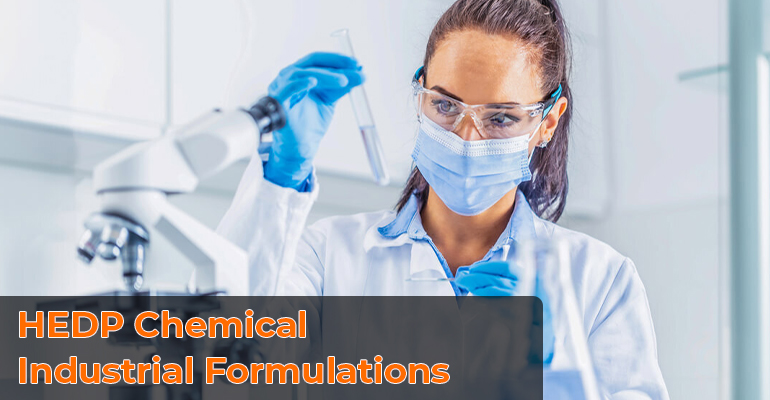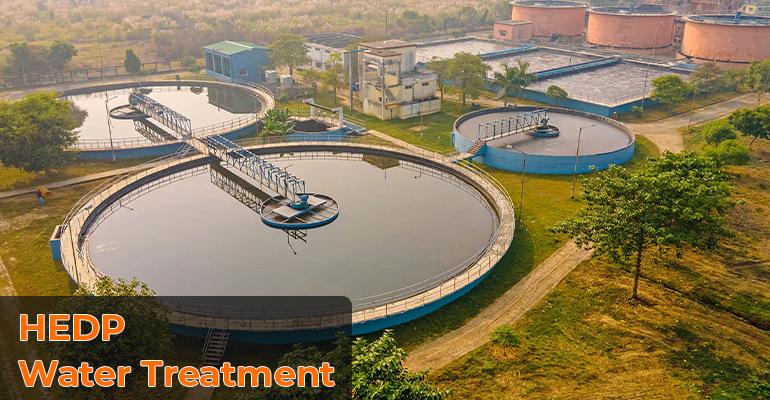
Industrial chemical formulations are rarely made from one ingredient. Industrial chemical formulations may contain active chemicals, water, stabilizing agents, dispersants or other functional additives. HEDP Chemical can be one of the functional chemicals used in such formulations, depending on the intended application and formulation requirements. Industrial chemical formulations can be influenced by the interaction between these ingredients. I believe this interaction can decide whether the final formulation stays stable and performs consistently when actually used. The interaction matters a lot. The final formulation will only shine if the interaction is right...
Ethylenediamine Tetra(Methylenephosphonic) Acid Uses
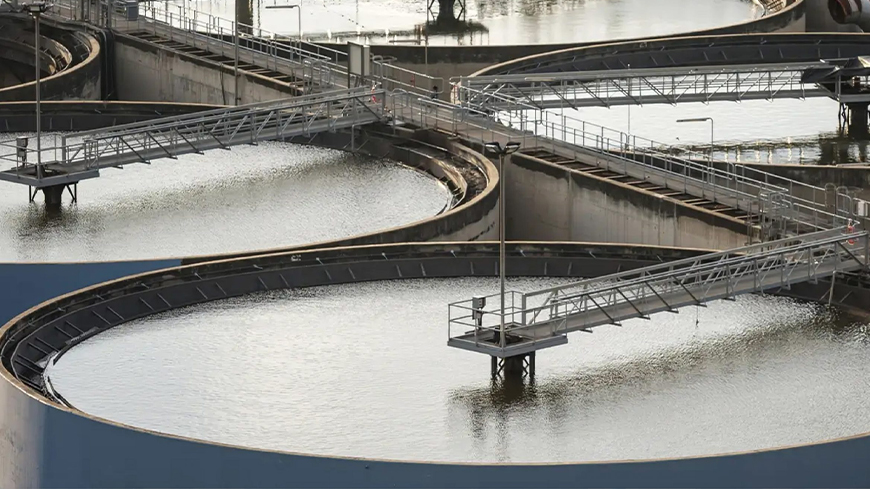 Ethylenediamine Tetra(Methylenephosphonic) Acid is a phosphonate-based specialty chemical used where controlling dissolved metal ions, mineral deposits, and formulation stability is important. It is commonly referred to as EDTMP or EDTMPA and can be considered when industrial processes need a chemical that performs consistently under demanding operating conditions.
This article explains EDTMPA from a practical industrial perspective, including its characteristics, formulation considerations, benefits, and common buyer questions. The content below is written independently rather than reproducing the product wording published by Maxwell Additives. Maxwell Additives lists EDTMPA as part of its phosphonate range, including both acid and penta-sodium salt forms.
What is Ethylenediamine Tetra(Methylenephosphonic) Acid?
Ethylenediamine Tetra(Methylenephosphonic) Acid, commonly abbreviated as EDTMP or EDTMPA, is an organophosphonic acid containing several phosphonic acid groups attached to an ethylenediamine-based structure. This molecular arrangement gives the chemical strong interaction with certain metal ions present in industrial water and process systems.
In practical applications, EDTMPA Chemical is valued when manufacturers need better control over unwanted mineral interactions. Rather than allowing dissolved metal ions to freely participate in precipitation reactions, the chemical can interact with them and help maintain a more manageable process environment. This makes EDTMPA relevant to water treatment, industrial formulations, cleaning products, textile processing, and other chemical applications.
The material can also be supplied in different forms depending on the intended formulation. For example, Maxwell Additives identifies PHOSPHOMAN-124 as an EDTMPA product and separately lists a penta-sodium salt version, showing that product form can be an important consideration when selecting a suitable grade.
How EDTMPA Works in Industrial Formulations
EDTMPA works mainly through its ability to interact with metal ions. In water and process formulations, dissolved minerals can sometimes become difficult to manage as operating conditions change. Calcium and other metal ions may participate in reactions that eventually contribute to deposits or reduce formulation stability.
The phosphonic acid groups in EDTMPA can bind with suitable metal ions and alter their availability within the system. This helps formulators manage precipitation-related problems at controlled concentrations. The effect is particularly useful in applications where mineral balance changes continuously during processing.
Another important point is that EDTMPA can be incorporated alongside other treatment chemicals. Depending on the formulation, it may be used with polymers, dispersants, corrosion-control chemicals, or other phosphonates. Compatibility testing is still important because every industrial system has a different chemical environment.
Features
1. Strong Metal-Ion Interaction
EDTMPA has multiple phosphonic acid groups that allow it to interact strongly with selected dissolved metal ions. This property makes the chemical useful in formulations where uncontrolled mineral reactions can affect process stability. Its molecular structure provides several interaction sites, giving formulators flexibility when managing water containing hardness-producing and transition-metal ions.
2. Suitable for Scale-Control Formulations
EDTMPA can support formulations designed to reduce unwanted mineral deposition. Instead of allowing certain dissolved components to readily form solid deposits, the chemical helps influence their behavior in solution. This makes it a useful ingredient for industrial programs where maintaining cleaner process surfaces is important for reliable operation.
3. Useful Under Demanding Conditions
Industrial processes may involve elevated temperatures, changing pressure, significant dissolved salts, and fluctuating chemical conditions. EDTMPA is considered for applications where the treatment chemical must continue functioning in challenging environments. Its phosphonate structure provides useful stability for formulations exposed to demanding operating conditions.
4. Multifunctional Formulation Ingredient
EDTMPA can contribute more than one useful function within a treatment program. Its ability to interact with metal ions and influence mineral precipitation makes it suitable for formulations that need both sequestration and deposit-control support. This multifunctional nature can help formulators simplify chemical programs when compatibility with other ingredients is properly evaluated.
5. Useful for Different Industrial Sectors
The chemical is not restricted to one type of manufacturing process. EDTMPA can be considered for water treatment, detergents, textile-related formulations, oilfield chemistry, and other industrial applications. The exact role changes according to the formulation, concentration, operating environment, and performance target established by the user.
6. Available in Different Product Forms
EDTMPA may be encountered as an acid form or as a salt form designed for particular formulation requirements. The physical form can affect handling, storage, dilution, and compatibility. Maxwell Additives, for example, lists both EDTMPA acid and a penta-sodium salt within its specialty chemical portfolio.
7. Supports Formulation Stability
When mineral ions interfere with a formulation, maintaining chemical balance becomes difficult. EDTMPA can help manage selected metal-ion interactions and therefore support more predictable formulation behavior. Its use can be particularly valuable when manufacturers need consistent performance across changing water quality or processing conditions.
Where EDTMPA Can Be Considered
The usefulness of EDTMPA becomes clearer when looking at the types of industrial challenges it can address. In water-treatment programs, it can form part of a broader approach to mineral-deposit management. In detergent formulations, its interaction with metal ions can help manage hardness-related effects.
Textile processing is another area where phosphonate chemistry can be useful. Maxwell Additives has described EDTMPA applications in textile processing, including its use in peroxide bleaching formulations.
The chemical can also be relevant to oilfield formulations, industrial cleaning, and selected construction-related applications. However, the correct grade and concentration should always be selected according to the actual process requirements rather than simply choosing a product based on its general application list.
Choosing the Right EDTMPA Chemical
Selecting EDTMPA should begin with the operating problem. A buyer should first identify the water hardness, major metal ions, temperature, pH, salinity, dosage limitations, and other treatment chemicals already present in the system.
The physical form is another important consideration. A powder or acid form may be suitable for one formulation, while a salt solution may provide easier handling in another. Maxwell Additives lists an EDTMPA acid grade with crystalline powder characteristics and separately identifies a water-soluble penta-sodium salt.
Before purchasing large quantities, manufacturers should also review technical documentation, active content, storage requirements, packaging, and compatibility information. Small-scale trials can help determine whether the selected material performs properly under actual process conditions.
 Benefits
1. Helps Manage Mineral Deposition
EDTMPA can help control the behavior of dissolved minerals that may otherwise contribute to unwanted deposits. By interacting with selected metal ions, it supports a more controlled chemical environment. This can be useful in industrial systems where deposits may interfere with heat transfer, flow, cleaning schedules, or routine equipment operation.
2. Supports Efficient Water Treatment
Water-treatment formulations often need to handle several dissolved minerals at the same time. EDTMPA can form part of a chemical treatment strategy designed around these conditions. Its ability to interact with metal ions provides formulators with another tool for maintaining water quality and reducing mineral-related operating difficulties.
3. Useful in High-Temperature Processes
Some industrial systems operate at temperatures where ordinary formulations may become less effective. EDTMPA is considered for demanding environments because its phosphonate chemistry can provide useful stability. This makes it relevant where temperature changes could otherwise influence mineral precipitation or reduce the reliability of a treatment program.
4. Improves Control of Metal-Ion Reactions
Uncontrolled metal-ion reactions can create several problems, from precipitation to changes in formulation behavior. EDTMPA helps manage these interactions by forming associations with suitable metal species. As a result, manufacturers can design treatment programs with greater control over hardness-related and metal-related reactions within their operating systems.
5. Supports Textile Formulations
EDTMPA can be incorporated into selected textile chemical formulations where control of metal ions is important. Its use in peroxide-based processing can help maintain formulation conditions during treatment. This makes the chemical useful for manufacturers looking for phosphonate chemistry that can work alongside other textile-processing ingredients.
6. Helps Reduce Treatment Complexity
A multifunctional ingredient can sometimes reduce the need for several separate chemical components. EDTMPA offers metal-ion management and deposit-control characteristics within one chemical structure. When compatibility testing confirms its suitability, it can contribute to a more streamlined treatment formulation and make chemical management easier for industrial users.
7. Offers Flexibility Across Applications
One of the practical advantages of EDTMPA is its ability to fit different industrial formulations. From water-treatment programs to detergent and process chemicals, the same basic chemistry can serve different purposes. This flexibility allows manufacturers to evaluate EDTMPA according to their specific process requirements rather than limiting it to one application.
EDTMPA in Modern Industrial Chemical Management
Modern chemical formulations increasingly focus on consistency, resource efficiency, and better process control. This has increased the importance of chemicals that can perform multiple functions without unnecessarily complicating a treatment program.
EDTMPA fits into this approach because its molecular structure allows it to interact with metal ions while supporting deposit-control strategies. Its usefulness is especially noticeable when industrial water or process fluids contain several competing chemical components.
However, good results depend on correct application. Increasing the dosage does not automatically mean better performance. Factors such as water composition, temperature, pH, residence time, and interaction with other chemicals must be considered. Proper laboratory testing followed by controlled plant trials is a practical way to establish the appropriate treatment level.
Selecting an EDTMPA Manufacturer and Supplier
When purchasing Ethylenediamine Tetra(Methylenephosphonic) Acid Manufacturer and supplier in India services, buyers should look beyond price. Consistent product quality, technical information, packaging, batch-to-batch uniformity, supply capacity, and application support can have a direct effect on production.
An EDTMPA Chemical Supplier should be able to provide relevant technical information so the buyer can confirm whether the material matches the intended process. For industries purchasing phosphonates regularly, dependable supply is equally important because interruptions can affect production schedules and treatment programs.
Maxwell Additives is one Indian specialty-chemical company that includes EDTMPA products in its phosphonate portfolio. Its published product information identifies EDTMPA as PHOSPHOMAN-124 and also lists the penta-sodium salt version.
Conclusion
Ethylenediamine Tetra(Methylenephosphonic) Acid is a versatile phosphonate chemical that can support industrial formulations requiring better control of metal ions and mineral-related reactions. Its structure gives it useful complexing characteristics, while its stability makes it relevant to demanding process environments.
From water treatment and detergent formulations to textile and other industrial applications, EDTMPA can play different roles depending on the formulation. The best results come from selecting the appropriate form, evaluating compatibility, and establishing dosage through practical testing.
For buyers comparing an EDTMPA Chemical Supplier, product consistency and technical support should be considered alongside commercial factors. A reliable supply program can help manufacturers maintain stable formulation quality and predictable industrial performance.
Related Posts