Industrial water systems often face problems at once not just one. Mineral deposits can build up on heat-transfer surfaces. Dissolved metals can hurt how well treatment works.. When operating conditions change water chemistry becomes harder to control. 2-Phosphonobutane-1,2,4-tricarboxylic acid which is also known as PBTC is one of the specialty phosphonate-based chemicals used by industrial water treatment mixtures in order to help deal with these problems...
Industrial Water Treatment Chemicals and PBTC Role in Modern Industry 2026
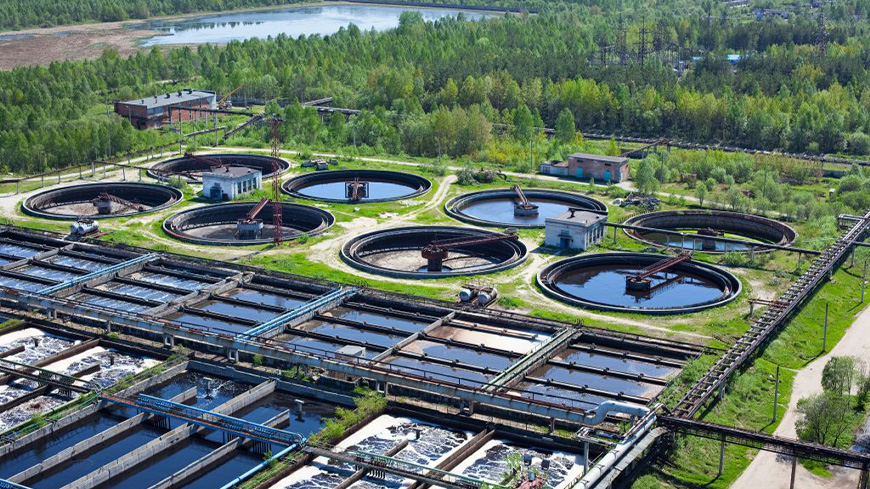
Modern industrial systems in 2026 are facing increasing pressure due to continuous operation demands and tighter efficiency targets. One of the major concerns is scaling inside pipelines and heat exchange units, which gradually reduces flow efficiency and heat transfer performance. Along with this, corrosion continues to damage metallic structures, leading to unexpected maintenance shutdowns and higher repair costs. Energy loss in large-scale water circulation systems has also become a serious issue, especially where untreated or poorly treated water is used.
Because of these challenges, industries are shifting toward advanced chemical treatment solutions to maintain system stability. The use of 2-Phosphonobutane-1,2,4-tricarboxylic acid (PBTC) and similar compounds is becoming more important in controlling internal system problems. PBTC – 2-Phosphonobutane-1,2,4-tricarboxylic acid and PBTC chemical solutions help industries reduce operational risks while improving long-term performance and cost control efficiency.
Role of Phosphonate-Based Chemicals in Modern Industries
Phosphonate-based chemicals have become an essential part of industrial water management due to their strong performance in controlling mineral-related problems. These compounds are widely used because they remain stable under different water conditions and provide consistent results in complex systems. Among them, PBTC, HEDP, and ATMP are commonly selected for industrial applications.
PBTC chemical, along with 2-Phosphonobutane-1,2,4-tricarboxylic Acid and other phosphonates, plays a key role in maintaining system balance and reducing unwanted deposits. PBTC – 2-Phosphonobutane-1,2,4-tricarboxylic acid is especially valued for its reliability in water treatment processes where consistent performance is required. These chemicals help industries improve system stability, reduce interruptions, and support smoother long-term operations.
Scale Control Technologies in Cooling Water Systems
Cooling water systems in industries often face scaling problems due to continuous water circulation and mineral concentration buildup. These deposits form layers inside equipment, which restrict water flow and reduce heat exchange efficiency. To manage this issue, industries use a combination of treatment methods that focus on preventing scale formation before it starts.
Chemical treatment is the most widely used method, where PBTC chemical and other additives help control mineral behavior in water. 2-Phosphonobutane-1,2,4-tricarboxylic acid works by reducing the tendency of minerals to form hard deposits. Along with chemical solutions, mechanical and physical methods such as filtration, blowdown control, and system cleaning are also used. PBTC – 2-Phosphonobutane-1,2,4-tricarboxylic acid supports these systems by improving overall water stability and reducing scaling impact.
Corrosion Prevention Methods in Industrial Water Networks
Corrosion is one of the most damaging problems in industrial water systems, as it slowly weakens pipelines, heat exchangers, and storage units. Over time, this leads to leakage, equipment failure, and increased maintenance costs. To avoid these issues, industries use specialized protection methods that help preserve metal surfaces and extend equipment life.
PBTC chemical is often used as part of corrosion control programs because it supports stable water chemistry and reduces aggressive reactions inside systems. 2-Phosphonobutane-1,2,4-tricarboxylic Acid contributes to forming a protective environment that slows down metal degradation. PBTC – 2-Phosphonobutane-1,2,4-tricarboxylic acid also works effectively in combination with other treatment chemicals, helping industries maintain long-term operational reliability and reduce system damage risks.
Efficiency Improvement in Industrial Process Water Systems
Industrial process water systems require continuous optimization to maintain productivity and reduce operational expenses. Inefficient water treatment can lead to energy loss, higher chemical consumption, and frequent maintenance interruptions. Therefore, industries focus on improving system efficiency through better water management practices.
PBTC chemical plays an important role in supporting smooth system performance by minimizing internal disruptions caused by scaling and impurities. 2-Phosphonobutane-1,2,4-tricarboxylic acid helps maintain consistent water flow, which improves heat transfer efficiency and reduces energy usage. PBTC – 2-Phosphonobutane-1,2,4-tricarboxylic acid also supports cost savings by reducing equipment downtime and extending system lifespan, making operations more stable and economically efficient.
Industrial Applications of Water Treatment Chemicals
Oil & Gas Industry
The oil and gas sector operates under highly demanding conditions where water quality directly influences overall system performance. During extraction, refining, and transportation processes, water is exposed to high mineral content, fluctuating temperatures, and continuous circulation. In such environments, even minor instability can affect equipment efficiency and increase operational risks.
PBTC chemical plays a significant role in maintaining stable water conditions across these complex systems. 2-Phosphonobutane-1,2,4-tricarboxylic acid (PBTC) helps control unwanted mineral interactions that may disturb internal flow or create operational imbalance. By supporting smoother water behavior, it ensures that pipelines, heat exchangers, and processing units operate with better consistency.
PBTC – 2-Phosphonobutane-1,2,4-tricarboxylic acid is especially valuable in offshore and onshore operations where continuous performance is required without interruption. 2-Phosphonobutane-1,2,4-tricarboxylic Acid contributes to reducing system stress by maintaining cleaner internal conditions, which helps improve operational reliability and long-term efficiency in oilfield systems.
Other Industrial Applications
1.Textile Industry
In textile manufacturing, water quality plays a key role in dye absorption and fabric finishing. PBTC chemical helps maintain consistent water conditions, allowing better color uniformity and smoother production results during dyeing processes.
2.Paper Industry
Paper production systems require stable water environments to maintain sheet quality and machine performance. 2-Phosphonobutane-1,2,4-tricarboxylic acid supports controlled process conditions by minimizing mineral disturbances in circulation systems.
3.Power Generation Industry
In thermal and cooling systems of power plants, PBTC – 2-Phosphonobutane-1,2,4-tricarboxylic acid helps maintain steady heat transfer efficiency. It supports continuous operation by improving water stability in high-load environments.
4.Industrial Cleaning Applications
In cleaning systems, PBTC chemicals enhance formulation effectiveness by reducing the impact of hard water. This improves surface cleaning performance across industrial equipment and commercial cleaning processes.
Future of Water Treatment Chemicals in Smart Industries
The future of industrial water treatment is moving toward automation, intelligent monitoring, and environmentally responsible chemical usage. In 2026 and beyond, industries are focusing more on sustainable solutions that reduce environmental impact while maintaining performance efficiency. Smart monitoring systems are being integrated into water treatment operations to ensure real-time control and optimization.
PBTC chemical and similar compounds will continue to play an important role in this transformation. 2-Phosphonobutane-1,2,4-tricarboxylic acid is expected to remain relevant due to its stable performance and adaptability in advanced systems. PBTC – 2-Phosphonobutane-1,2,4-tricarboxylic acid supports the shift toward greener and more efficient industrial processes, making it a valuable part of future water treatment technologies.
Comparison Blog: PBTC vs HEDP vs ATMP
PBTC chemical, HEDP, and ATMP are all widely used phosphonate-based compounds, but each one has different performance characteristics. PBTC – 2-Phosphonobutane-1,2,4-tricarboxylic acid is known for its strong balance between scale control and corrosion resistance, making it suitable for a wide range of industrial applications.
2-Phosphonobutane-1,2,4-tricarboxylic Acid performs well in systems where both stability and compatibility are required. HEDP is often preferred for general scale inhibition, while ATMP is commonly used in high-demand water conditions. PBTC chemical stands out because of its stability under heat and varying water conditions, making it a preferred option for industries seeking balanced performance and long-term system reliability.
Manufacturer Insight: Quality Control in Water Treatment Chemicals
The role of manufacturers in water treatment chemicals is critical because product quality directly affects industrial performance. Strict production standards, controlled processes, and consistent testing methods are necessary to ensure reliable chemical output. Every stage, from raw material selection to final packaging, must follow strict quality control measures.
Maxwell Additives PVT. LTD. plays an important role in this sector by delivering high-quality PBTC chemical solutions to industrial users. The company ensures that 2-Phosphonobutane-1,2,4-tricarboxylic acid meets performance expectations through proper manufacturing and testing systems. PBTC – 2-Phosphonobutane-1,2,4-tricarboxylic acid supplied by reliable manufacturers supports industries with stable supply, consistent quality, and dependable performance, which is essential for large-scale industrial operations.
Key Features of PBTC Chemical
2-Phosphonobutane-1,2,4-tricarboxylic acid (PBTC) is recognized for its dependable characteristics in industrial water treatment environments. One of its important features is its ability to remain effective under a wide range of operating conditions. PBTC chemical maintains its performance even when systems are exposed to temperature variation and fluctuating water quality, making it suitable for continuous industrial processes.
Another important aspect of PBTC – 2-Phosphonobutane-1,2,4-tricarboxylic acid is its strong compatibility with other treatment formulations. It can be integrated into different chemical programs without disturbing system balance. 2-Phosphonobutane-1,2,4-tricarboxylic Acid also offers controlled interaction with dissolved minerals, helping industries maintain cleaner internal surfaces and more stable working conditions. These features make PBTC a practical and adaptable choice for modern industrial applications.
Manufacturing Process of PBTC
The production of PBTC chemical involves a carefully controlled process to ensure consistent quality and performance. It begins with the selection of high-grade raw materials, which are processed under specific reaction conditions to achieve the required chemical composition. Temperature, pressure, and reaction timing are closely monitored during manufacturing to maintain uniformity.
2-Phosphonobutane-1,2,4-tricarboxylic acid (PBTC) is then refined and stabilized to ensure it meets industrial standards before distribution. PBTC – 2-Phosphonobutane-1,2,4-tricarboxylic acid undergoes quality evaluation at multiple stages to confirm its effectiveness and reliability. This structured manufacturing approach ensures that the final product performs consistently across different industrial systems.
Expanded Industrial Applications of PBTC
Beyond commonly known uses, PBTC chemical is also applied in additional sectors where water quality plays a critical role. In the food processing industry, controlled water conditions are essential for maintaining hygiene and process efficiency. 2-Phosphonobutane-1,2,4-tricarboxylic Acid helps maintain stable water characteristics during production cycles.
In the pharmaceutical sector, water purity is extremely important for maintaining product quality. PBTC – 2-Phosphonobutane-1,2,4-tricarboxylic acid supports controlled water environments that help ensure consistent production standards. In construction-related industries, it is used in systems where water circulation affects material processing and equipment condition.
PBTC chemical is also used in metal processing industries, where water systems require stability to avoid surface damage and maintain equipment efficiency. These additional applications highlight the wide adaptability of 2-Phosphonobutane-1,2,4-tricarboxylic acid across multiple industrial sectors.
Conclusion
In modern industrial operations, water system efficiency has become a critical factor for productivity, cost control, and equipment reliability. Challenges like scaling, corrosion, and energy loss continue to affect performance across industries such as oil & gas, power generation, textiles, and manufacturing. To overcome these issues, advanced chemical solutions are essential for maintaining stable and efficient water systems.
Among these solutions, PBTC chemical has emerged as a highly effective and reliable choice due to its strong scale inhibition, corrosion control, and system stability properties. 2-Phosphonobutane-1,2,4-tricarboxylic acid (PBTC) helps industries maintain cleaner internal surfaces, improve heat transfer efficiency, and reduce operational downtime. Its compatibility with other treatment chemicals further enhances its value in complex industrial applications.
FAQs
1. What is the primary function of PBTC chemical in industries?
PBTC chemical is mainly used to control scale formation and mineral deposits in industrial water systems, helping maintain smooth operation, improve efficiency, and reduce equipment maintenance issues.
2. Can 2-Phosphonobutane-1,2,4-tricarboxylic acid be used in different industries?
Yes, 2-Phosphonobutane-1,2,4-tricarboxylic acid is widely used in oil & gas, textiles, power plants, paper manufacturing, and cleaning industries where water treatment and system stability are required.
3. How does PBTC support long-term system performance?
PBTC helps maintain stable water chemistry, reduces scaling and corrosion risks, and ensures equipment operates efficiently for a longer period with fewer breakdowns and maintenance needs.
4. Is PBTC chemical effective under changing industrial conditions?
Yes, PBTC chemical remains stable under varying temperature and water conditions, making it reliable for continuous industrial operations with fluctuating system demands.
5. Can PBTC be combined with other treatment chemicals?
Yes, PBTC – 2-Phosphonobutane-1,2,4-tricarboxylic acid is highly compatible with other water treatment chemicals and works effectively in combination programs without disturbing system balance.
6. What makes PBTC a preferred choice for water treatment?
Its strong stability, excellent scale inhibition ability, and corrosion control properties make PBTC a preferred solution for modern industrial water treatment systems.
7. Why is quality manufacturing important for PBTC chemical?
High-quality manufacturing ensures consistency, purity, and reliable performance of PBTC chemical, which directly impacts efficiency and safety in industrial applications.
Let’s Discuss Your Industrial Water Treatment Needs
If you are looking for reliable industrial water treatment chemical solutions, PBTC-based formulations, or customized additives for your system requirements, feel free to connect with us. Our technical team at Maxwell Additives PVT. LTD. is always ready to support your industry with high-performance and stable chemical solutions designed for modern operational challenges. Whether your requirement is related to scale control, corrosion prevention, or system efficiency improvement, we provide tailored guidance and consistent product supply. Reach out to us to discuss your application needs, bulk requirements, or technical specifications, and let us help you improve your system performance with trusted chemical solutions.
Related Posts