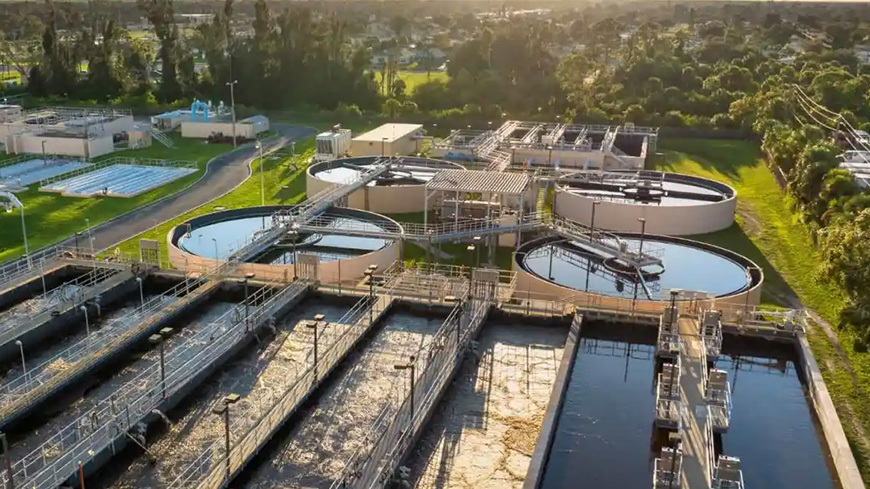
Scale can form because of temperature, pressure and water availability...
Polyamines in Industrial Water Treatment: Uses and Applications
Introduction
Industrial water treatment can help remove substances from water. Some industries may require chemicals to remove particles to improve clarity and manage waste. Polyamines can be used.
Polyamines are chemicals with groups. The properties of the polyamines can help to remove fine particles and floating material.
Knowing how they work, what they can do and what can effect them can help industries chose the right chemical.
What are Polyamines?
Polyamines are chemicals with two or more groups. This means they have different properties and can interact with different structures in water.
Some polyamine based chemicals can help with coagulation. As they have charges it can help neutralise the charges on particles in the wastewater to help remove them.
Polyamines can vary depending on type, size, charges and conditions.
How do Polyamines Work in Water Treatment?
Wastewater can contain fine particles which have charges. This can cause repulsion. The particles may not want to settle.
Some polyamine based chemicals can help to overcome this issue. This is due to the polyamine based chemicals having charges so they can neutralise the charges. This causes the particles to clump.
This will usually consist of:
- Adding Chemicals – The correct type of polyamine based chemical will be added to the wastewater.
- Neutralise Charges – The charges on the polyamines will interact with the particles to help reduce the repulsion.
- Agglomeration – The unstable particles will form agglomerates.
- Removal – The larger agglomerates will be removed by settling, floating and filtering.
The formula of the chemical, wastewater and system will effect how it is treated.
Key Applications of Polyamines In Water Treatment
Depending on the chemical properties polyamines can be used in water treatment.
1. Industrial Wastewater Treatment
Industries can have wastewater that contains solids, fine particles, organics and unwanted materials. Usually a combination of biological treatments will be used.
Polyamine based chemicals can help particles to agglomerate. This can help to increase clarity and separate materials.
2. Effluent Treatment Plants (ETP)
Effluent Treatment Plants are used to treat wastewater from factories and processing. The wastewater can vary depending on the industry.
Polyamine based chemicals may be used during the chemical treatment stage. This will depend on the type of wastewater, particles and overall treatment.
3. Textile Industry Wastewater
Textile wastewater can contain colours, fine fibres, chemicals and other materials.
Depending on the type of wastewater some polyamine based chemicals can create particles. This can help increase clarity during treatment.
A proper assessment is needed as colours, pH and other properties can effect how it is treated.
4. Pulp Industry
The paper and pulp industry use water in their processes. This can contain fibres, fine particles and other materials.
Some polyamine based chemicals can be used during the process and in the wastewater. This will depend on the process requirements and chemical properties. The polyamines can help to keep particles, increase clarity or help with treatment.
5. Municipal and General Wastewater Treatment
Municipal and general wastewater treatment centres need to manage solids and unwanted materials.
Depending on the treatment setup polyamine based chemicals can be used to increase clarity. This can be assessed as part of the chemical treatment plan.
Benefits of using Polyamine Based Chemicals
Depending on how they are produced and used there are many benefits to using polyamines. If the correct chemical is used you can benefit from:
- Improved Particle Removal – Polyamine based chemicals help create particles.
- Improved Clarity – Polyamine based chemicals create agglomerates which can be separated.
- Versatile – There are many different types of polyamines which can be assessed for the wastewater and process water.
- Help with Treatment – Polyamines can be added to chemical treatment plans.
Polyamine based chemicals can be chosen depending on the properties of the wastewater and treatment requirements.
Not all polyamine based chemicals will give these benefits. Testing needs to be done to see what results you get.
Factors to Consider When Choosing Polyamines
Choosing the right polyamine based chemical is an important step. Some polyamines may work well on certain wastewaters but not others.
Industries should consider:
1. Waste Water Properties
Wastewater Properties – The type and amount of solids, fine particles, organics and unwanted materials can effect what polyamine is used.
2. PH Of Water
The PH of the water can effect how the polyamine works and how effective it will be. I recommend looking into this when choosing and testing.
3. Chemical Properties
I have found that different polyamines have different structures and chemical properties. The correct polyamine needs to be chosen.
4. Amount of Chemical
The amount of polyamine will depend on the quality of the waste water, properties of the polyamine and conditions of the process. Too much or too little can reduce effectiveness.
5. Compatibility with other Chemicals
Polyamines can be used with treatment chemicals such as coagulants and flocculants. I have seen the importance of checking the compatibility.
6. Treatment System
How the polyamines are mixed, how long they stay in the system, clarity and filtration setup can all effect results. The correct polyamine should be chosen depending on the treatment process.
Why Lab Testing is Important
If you do not test the waste water and choose the polyamine you may get results. I recommend doing lab testing.
A jar test can be done to look into how to treat. This can show how much polyamine will cause clumping, settling and increased clarity.
Testing can help industries:
- Find the correct polyamine.
- Compare how much polyamine.
- See how clumping and settling occurs.
- See how changes effect the polyamine.
- Ensure the polyamine is compatible with treatment chemicals.
- Create the correct conditions for the polyamine.
This should then be tested in controlled conditions in the plant if required.
Specialty Chemical Manufacturers for Water Treatment
There will be water treatment requirements at every location. I have seen that the type of waste water, how products are produced, amount of water and regulations for release can effect what chemicals are used.
Specialty Chemical Manufacturers can help provide solutions. I recommend choosing the polyamine based on how well it works, how it is used and quality.
Maxwell Additives work within the specialty chemicals and water treatment chemicals industry. If you are looking for chemicals for your treatment processes we have options. Speak to our team about your requirements.
For information visit the Maxwell Additives website.
Conclusion
Polyamines are a group of chemicals which can be used in industrial processes. I have found that some polyamine based chemicals can be used in water treatment to help neutralise charges, cause particles to clump and increase clarity.
Depending on the type of waste water being treated in factories, ETPs, textile and paper industries the effectiveness of polyamines will depend on the type of polyamine and water.
When choosing polyamines to use factors such as the type of waste water, PH, amount of polyamine, chemical compatibility and treatment system should be carefully considered. Lab and real life testing can help find the method.
When looking for chemicals and water treatment solutions it is important to choose the polyamine based on your actual requirements.
FAQs
1. What are polyamines used for in water treatment?
Some polyamine based chemicals can be used as coagulants or to help with treatment to remove particles from waste water.
2. How do polyamines help with waste water treatment?
Polyamines have positive charges which can interact with charged parts to create particles. This can help create clumps.
3. Are polyamines used in Effluent Treatment Plants?
Yes some polyamine based chemicals can be used in ETPs. This will depend on the type of waste water and treatment requirements. They can be used during coagulation and clarity.
4. Can polyamines be used in waste water treatment?
Some types of polyamines can be assessed for use in waste water treatment. This will depend on the waste water and type of polyamine.
5. What is the difference between polyamines and flocculants?
Polyamines are a type of chemical. They can include coagulant chemicals. Flocculants are chemicals which help to create clumps of unstable parts. Some polyamine based chemicals can perform coagulation. Other chemicals may be required for flocculation.
6. How is the correct amount of polyamine decided?
The amount of polyamine will depend on the properties of the waste water. Lab or real life testing can be done. The correct amount will depend on the type of polyamine and treatment conditions.
7. Are all polyamines for water treatment?
No. I have seen that there are different shapes and properties of polyamines. I recommend using the right polyamines.
8. Why is it important to check compatibility?
It is important to check compatibility. I know that polyamines are often used with treatment chemicals. During testing I can see if mixing the polyamines with treatment chemicals will help with treatment or cause issues.
Related Posts