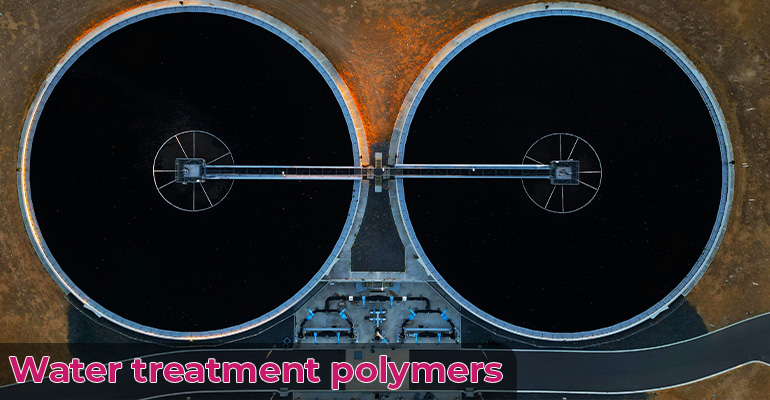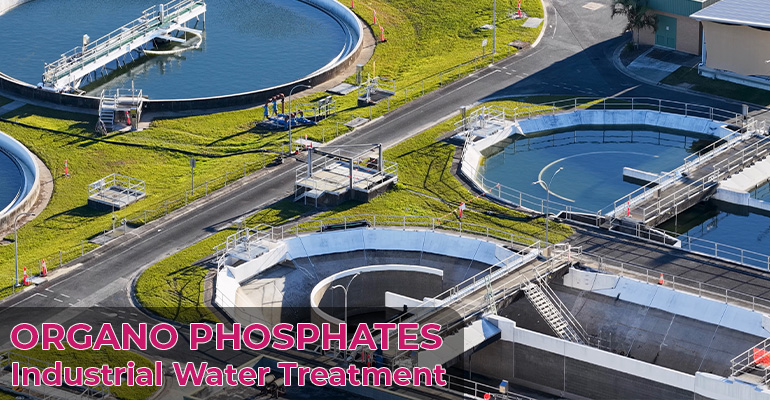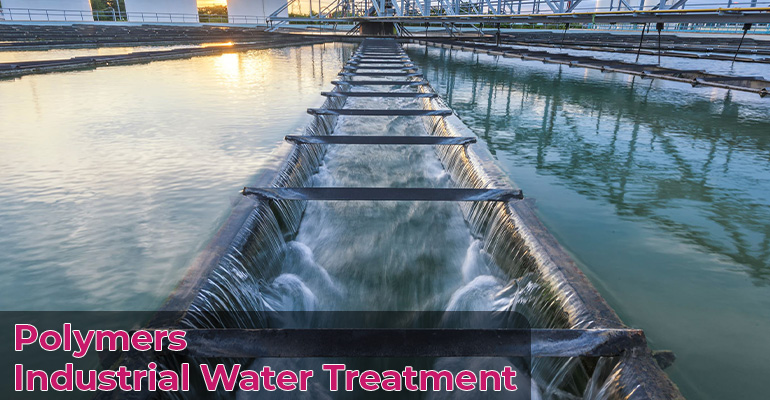
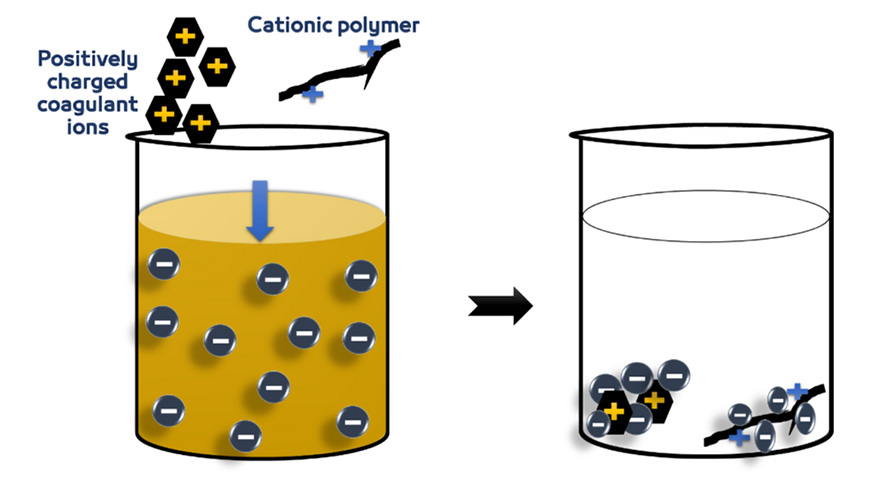
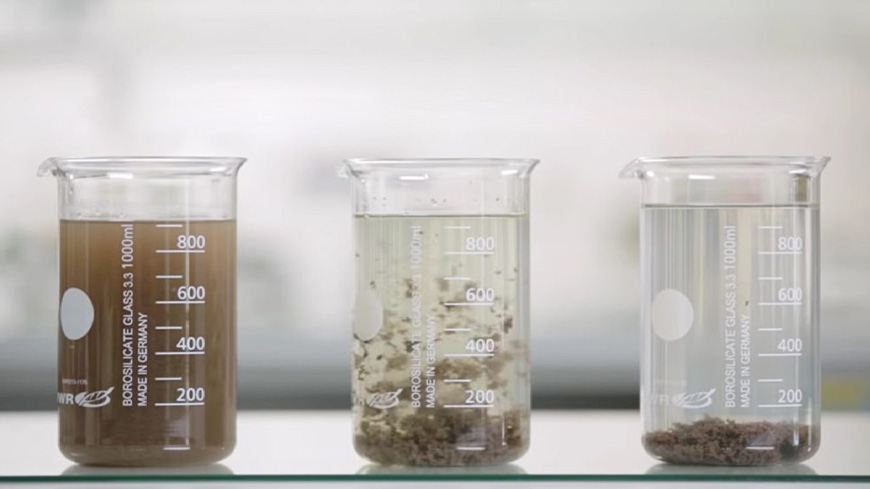

Impurities can be present in water in industrial processes. These impurities can include inorganic substances, particulate matter, and organic matter. If impurities are not controlled in water it can cause issues within equipment and processes. Particulate matter can cause cloudiness. Inorganic matter in solution can cause scaling. Impurities can cause issues in processes...
Polyamines: Industrial Coagulant Polymers and Food Applications
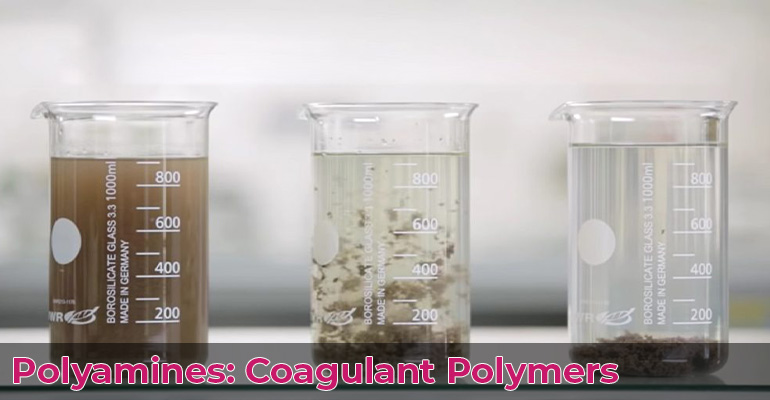
Polyamines are used in a variety of industries and in biological systems. Their chemical structure means that polyamines are able to chemically interrelate with a wide range of different substances. I believe that this is a key feature of polyamines.
Within chemistry, certain polyamines can be described as low molecular weight aliphatic polycations. Due to their charge, these polymers are able to interact with negatively charged species and so can be of great value in particular water and wastewater treatment applications. Clearly, such charged polymers are of great importance in water treatment.
Polyamine coagulant polymers can be utilised to disrupt particles in water. They can then be used to assist with both water clarification and solid-liquid separation within industry.
Other industrial polyamines can also be described as polycationic alkylamines. This will vary in accordance with a polyamine’s chemical composition and structure.
As well as being used in industry, naturally-occurring polyamines can also be found in plant and animal life. Biological polyamines differ from those industrial polyamine chemicals in both their function and properties.
I consider it to be important to recognise these differences and so to determine which polyamines will be of most value.
This article discusses the chemistry, types and properties of polyamines. It also considers their industrial applications, coagulation properties, advantages and relevance to, and the safety aspects of, food.
What Are Polyamines?
Polyamines consist of two or more amine groups.
Amine groups include nitrogen and so can chemically interrelate with other species.
Polyamines can exist as small species or as large polymeric species which can include numerous amines and/or ammonium groups.
The chemical properties of polyamines are affected by structure, molecular weight and charge and functional group distribution.
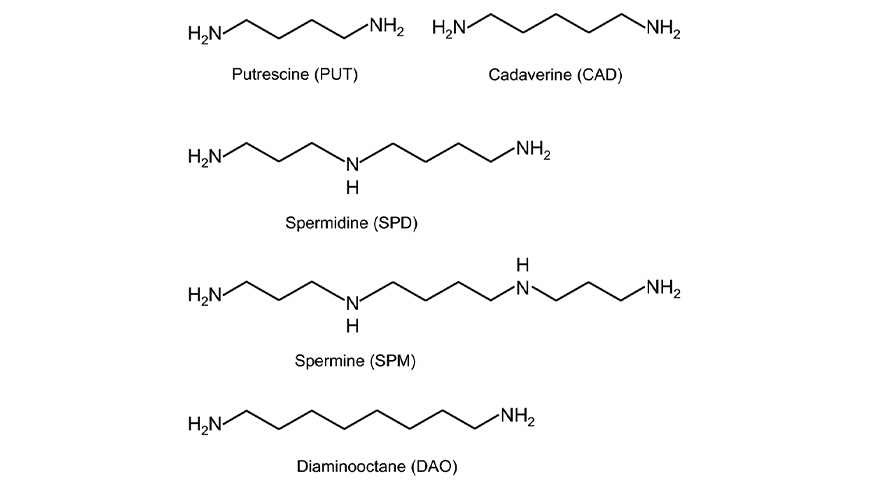 Whilst naturally-occurring polyamines are involved in biological functions, industrial polyamines are generally synthesised or formulated in order to carry out particular chemical functions.
Some industrial polyamines are charged and so can chemically interrelate with negatively charged species and surfaces.
Due to this, polyamines can be of great value in coagulation and in water clarification. Furthermore, they can also be included in selected chemical products.
Important Properties Of Polyamines
- Polyamines include nitrogen functional groups.
- Polyamines can be both naturally-occurring and synthetically produced.
- They can also vary in molecular weight and structure.
- Polyamines can display a range of properties.
- Some industrial polyamines are water soluble.
- Polyamines can chemically interrelate with charged species.
- They can be used in coagulation and water clarification.
- Polyamines are utilised in both biological and industrial areas.
As previously noted, polyamine properties can differ greatly depending on a polyamine’s chemical composition.
Understanding Low Molecular Weight Aliphatic Polycations
Low molecular weight aliphatic polycations are positively charged molecules or polymers which include multiple cationic functional groups within an aliphatic chemical structure.
Some industrial polyamines fall into this category.
Whilst many higher molecular weight polymers predominantly encourage particle bridging, frequently low molecular weight cationic polymers are favoured for their ability to disrupt the stability of charged species.
Polyamines are therefore often of great value in coagulation. Undoubtedly, molecular weight polycations are of importance.
What Does Low Molecular Weight Mean?
Molecular weight is the mass of a molecule or the average mass of the molecules within a polymer.
Generally, low molecular weight polymers will consist of shorter molecular chains than higher molecular weight polymers of similar chemical nature.
However, the definition of low molecular weight will vary depending on the type of polymer and on the application for which it is required. Therefore, the concept of low molecular weight is not always fixed.
Within water treatment, molecular weight can affect:
- Viscosity.
- Water solubility.
- Mixing.
- Particle interaction.
- Charge distribution.
- Coagulation properties.
- Product handling.
It is not automatically the case that low molecular weight polymers will have a high charge density and/or good treatment properties. Hence, it is important to consider both molecular weight and charge.
What Does Aliphatic Mean?
Aliphatic chemicals are those that do not include aromatic carbon structures. I remember that there are no ring structures within aliphatic species.
Some industrial polyamines have aliphatic carbon chains, which also include nitrogen functional groups.
The distribution of functional groups can affect a polyamine’s stability and solubility, as well as its interaction with particles.
What Are Polycations?
Polycations are molecules or polymers which include cationic functional groups.
Such cationic functional groups can chemically interrelate with charged species.
Under normal water treatment conditions, many particles and colloids have negatively charged surfaces. So, polycations can be of great value in this area.
Appropriate polycationic chemicals can be employed to lessen the repulsion between such species and so encourage them to come together.
What Are Organic Polycationic Alkylamines?
Organic polycationic alkylamines are nitrogen-containing molecules or polymers which have numerous cationic functional groups. These are attached to alkyl-based chemical structures.
I have seen industrial polyamines referred to in this way.
As previously highlighted, polyamines can chemically interrelate with charged species, as well as with soluble and surface species, under suitable conditions.
Polyamine cationic functional groups can arise from amine groups, permanently-charged ammonium groups or a combination of these and other functional groups.
Chemical Properties Of Organic Polycationic Alkylamines
- Carbon-based.
- Multiple nitrogen functional groups.
- Positively charged under suitable conditions.
- Varied molecular weight.
- Differing charge densities.
- Water solubility for some products.
- Ability to chemically interrelate with charged species.
Applications For Organic Polycationic Alkylamines
These can be used in:
- Industrial water treatment.
- Wastewater clarification.
- Coagulation.
- Textile effluent treatment.
- Paper manufacture.
- Colour removal.
- Chemical production.
The precise application for a product will depend on the identity and specification of the relevant polyamine.
Not all organic polycationic alkylamines will be appropriate for water treatment and/or other industrial applications.
Chemical Properties Of Polyamines
Polyamine properties are influenced by both chemical and physical aspects.
Recognising these properties enables industry to effectively select polyamines for particular applications.
1. Structure
Polyamines incorporate nitrogen functional groups.
Depending on the type of polyamine, these can form simple, linear, branched and/or polymeric structures.
Functional group distribution will in turn influence a polyamine’s properties and behaviour.
2. Molecular Weight
Molecular weight can impact on the properties of polymeric polyamines.
It can affect viscosity, solubility, mixing and particle interaction.
Some low molecular weight polyamines can be used as coagulants. On the other hand, certain polymeric polyamines may be selected for particular treatment applications.
3. Charge Density
Charge density is the charge content of a polyamine molecule or polymer in relation to its mass or structure.
Polyamines can chemically interrelate with charged species.
The correct charge density will depend on the nature of the water and of any contaminants.
4. Water Solubility
Many industrial polyamine coagulants are supplied in solution form.
However, the water solubility of polyamines will depend on both the chemical structure and product formulation.
Solubility will in turn influence product preparation, handling and application.
5. Sensitivity To PH
The charge properties of some polyamines can be influenced by pH.
Amine functional groups can become protonated under particular conditions. Generally, however, quaternary ammonium functional groups will maintain a permanent positive charge.
Furthermore, the pH of a treatment system can also affect the surface charge of particles.
6. Viscosity
Viscosity is a physical property of liquid polyamine products.
It can affect product pumping, storage, mixing and dosing.
Polyamine product viscosity is influenced by molecular weight, concentration, temperature and formulation.
7. Chemical Compatibility
Polyamines can chemically interrelate with other chemicals in industry.
Certain anionic polymers, surfactants and other charged species may interact strongly with cationic polyamines.
Before mixing polyamine products, it is important to assess their compatibility.
8. Thermal Stability
Temperature can impact on both the stability and properties of polyamines.
Appropriate working and storage temperatures can be identified using relevant technical information.
What Is A Polyamine Coagulant Polymer?
A Polyamine Coagulant Polymer is a chemical which can be used to disrupt the stability of particles and colloids in particular water treatment situations.
Many industrial wastewaters contain particles which remain suspended in water. This is often due to electrostatic repulsion between particles.
It can be difficult to remove such particles from water using conventional sedimentation.
Appropriately-charged polyamine coagulant polymers can attach to charged species and so reduce their electrostatic stability. This encourages particles to come together and facilitates solid-liquid separation.
Generally, polyamine coagulants are regarded as coagulants.
They may be used either on their own or in conjunction with other coagulants and suitable flocculants, according to treatment requirements.
Important Properties Of Polyamine Coagulant Polymers
- Chemical properties.
- Water solubility (for particular products).
- Ability to disrupt particle stability.
- Clarification suitability.
- Possibility of compatibility with multi-stage treatment processes.
- Applicability to particular wastewater systems.
- Varied molecular weight and charge density.
Selection of appropriate polyamine coagulants will depend on water quality and on treatment requirements and product specification.
Benefits of Polyamine Coagulant Polymers
There are various benefits to be gained from the use of polyamine coagulant polymers.
Enhanced Water Clarity
Appropriate polyamine coagulant polymers can cause flocs to form from suspended particles.
This can enhance water clarity where appropriate secondary processes are in place.
Effective Charge Neutralisation
Cationic polyamine coagulant polymers can interact with charged particles.
Such an action is particularly beneficial in coagulation.
Lower Turbidity
Formation of flocs from suspended particles can decrease water turbidity.
The extent of this reduction will depend on the nature of the wastewater and the treatment applied.
Facilitation of Colour Removal
Some polyamine coagulant polymers can interact with coloured, charged materials.
This can therefore assist colour removal from some wastewater.
Potential Decrease in Inorganic Coagulant Usage
Within some treatment regimes, the use of organic polyamine coagulants may mean less inorganic coagulant is required.
Such benefits must be confirmed for each application.
Potential Decrease in Chemical Sludge
Organic polyamine coagulants may create less inorganic sludge than some metal salt coagulants.
However, the volume of sludge produced is also affected by the nature of the pollutants, the application rate and the treatment regime.
Enhanced Solid/Liquid Separation
Good floc formation can facilitate solid/liquid separation via coagulation, settling or flotation.
Diverse Industrial Applicability
Polyamine coagulant polymers can be selected to address different industrial requirements.
Ease of Handling
Many industrial polyamine coagulant polymers are supplied in an easy-to-handle form.
Appropriate application and preparation can then be made with suitable equipment.
Potential Cost Benefits
An optimised treatment regime can decrease chemical usage, and/or improve solid/liquid separation. There may also be other cost benefits.
Such advantages will be dependent on both the performance and economics of a regime.
Polyamine vs. Conventional Inorganic Coagulants
Industrial water treatment may employ polyamine coagulants, inorganic coagulants, or both.
Polyamine and conventional inorganic coagulants have differing chemical natures.
Polyamine Coagulant Polymer Conventional Inorganic Coagulant
Chemical Nature Organic cationic polymer Typically metal-based salts
Examples Specific polymeric polyamines Aluminium and iron-based coagulants
Principal Action Charge neutralisation and related particle interaction Hydrolysis, charge neutralisation and precipitation
Molecular Nature Variable molecular weight Typically non-polymeric salts or inorganic polymeric products
Alkalinity Impact Often has a relatively low direct impact on alkalinity May impact on alkalinity through hydrolysis
Sludge Nature Will depend on the nature of the pollutants and the treatment applied May contain metal hydroxide precipitates
Product Selection Charge, chemical nature and treatment requirements Water and treatment requirements
Neither option is universally superior.
Within specific applications, a combination of polyamine and inorganic coagulants may be an appropriate choice.
The most suitable treatment regime should be ascertained through testing.
Factors Impacting Polyamine Coagulant Polymer Performance
There are many factors that can impact the performance of polyamine coagulant polymers within water treatment.
pH
Water pH can influence the charge of particles, and also the behaviour of both the water and the coagulant.
The optimum pH range will depend on both the polyamine coagulant polymer and the wastewater.
Charge Density
Polyamine coagulant polymer charge density can impact on its interaction with particles.
Depending on the wastewater, different charge properties may be required.
Molecular Weight
Polyamine coagulant polymer molecular weight can influence behaviour and viscosity, as well as particle interaction.
Low molecular weight aliphatic polycations are sometimes selected for long-range bridging coagulation.
Pollutant Nature
Polyamine coagulant polymers can interact with a variety of pollutants in different ways.
Dyes, oil and mineral particles can all impact on treatment performance.
Chemical Application Rate
If application rates are too low, particles may not be fully flocked.
Where rates are too high, particles may re-stabilise. Excess chemical may also be used.
Optimal application rates should be ascertained through testing.
Agitation
Effective agitation ensures good dispersion of polyamine coagulant polymers within water.
The level of agitation will depend on the treatment regime and the available equipment.
Water Temperature
Water temperature can influence viscosity and chemical interaction, as well as solid/liquid separation.
Dissolved Salts
Dissolved salts can impact on the electrostatic interaction between polyamine coagulant polymers and particles.
This is particularly relevant for wastewater with high levels of dissolved solids.
Chemical Compatibility
Compatibility with other chemicals within the treatment regime can affect coagulation performance.
It is therefore important to assess the compatibility of polyamine with flocculants, inorganic coagulants and other chemicals.
Treatment Equipment
Clarification, flotation and filtration equipment and its operation can also impact on overall treatment performance.
Jar Testing and Polyamine Selection
Jar testing is a laboratory process which can be used to assess the coagulation and flocculation performance of chemicals.
Industrial users can then compare different treatment chemicals under controlled laboratory conditions.
Why is Jar Testing Important?
Water wastewater can vary in nature depending on industry, manufacturing and in time.
Whilst a particular polyamine coagulant may demonstrate good performance for one wastewater stream, it may not do so for others.
Jar testing can be used to analyse:
- Chemical nature.
- Optimal chemical application rate.
- Water clarity.
- Turbidity reduction.
- Colour reduction.
- Floc formation.
- Settling behaviour.
- Chemical compatibility.
- Sludge nature.
Laboratory findings can then be used to inform product selection. They can also underpin pilot plant testing.
Before implementing a full-scale treatment regime, laboratory findings should be validated within real-world conditions.
How to Select an Appropriate Polyamine Coagulant Polymer
Good knowledge of both the treatment aim and the chemical nature of the product is necessary for effective selection.
1. Determine the Treatment Aim
Decide whether the main treatment aim is:
- Suspended solids removal.
- Turbidity reduction.
- Colour reduction.
- Raw water clarification.
- Wastewater treatment.
- Solid/liquid separation enhancement.
- Process water treatment.
2. Assess Water/Wastewater Nature
Analyse the water or wastewater properties.
Important factors may include pH, turbidity, suspended solids, dissolved salts and colour.
3. Analyse Polymer Chemistry
Establish if the product has a cationic polymer nature.
Low molecular weight aliphatic polycations and organic polycationic alkylamines may be appropriate for certain coagulation applications.
4. Establish Molecular Weight
Select an appropriate molecular weight range for the desired treatment mechanism.
Optimal molecular weight will depend on the application.
5. Determine Charge Density
Polyamine charge density should correspond with that of the pollutants.
6. Assess Product Properties
Significant product properties may include:
- Chemical nature.
- Content.
- Molecular weight or range thereof.
- Charge nature.
- Physical appearance.
- Viscosity.
- pH.
- Solubility.
- Storage requirements.
- Recommended application areas.
7. Analyse Chemical Compatibility
Investigate the compatibility of the polyamine with other chemicals and materials in the treatment regime.
8. Undertake Laboratory Testing
Test methodologies can be used to compare the performance of different products.
9. Assess Overall Treatment Cost
Whilst the chemical price is an element of cost, it is not the sole determinant of the overall treatment expense. Consideration should also be given to chemical application rates, sludge management, water quality and equipment performance alongside other costs.
10. Select a Manufacturer/Supplier
Choose a manufacturer or supplier that can consistently deliver high-quality products and provides good documentation and technical support.
Selecting a Polyamine Manufacturer in India
Alongside technical considerations, there are important commercial aspects to consider for industrial users wishing to source a polyamine manufacturer in India.
Manufacturing methods will have specific polyamine requirements.
Ideally, a manufacturer will supply products that are appropriate for the required application.
Consistency of Quality
Consistent chemical properties are fundamental to achieving reliable treatment performance.
Range of Products
Offering a range of polyamine products enables manufacturers to supply those most suitable for different applications.
Documentation
Industrial users should request from a manufacturer:
- Technical Data Sheet.
- Safety Data Sheet.
- Certificate of Analysis.
- Product properties.
- Storage and handling guidance.
- Information on applications.
Manufacturing Ability
Manufacturing and quality control procedures can impact on both product consistency and supply reliability.
Technical Support
Technical support can be of assistance in product selection, analysing compatibility and assessing performance.
Packaging and Supply
Good packaging and storage together with a reliable supply are important considerations.
Regulatory Adherence
Chemical products must conform to relevant regulations. Further, where appropriate, products should also gain the required approvals for their application.
Such adherence is of particular importance for those products designed for drinking water treatment or other regulated applications.
Common Issues Associated with Polyamine Coagulant Polymers
Although polyamine coagulant polymers can perform well, inappropriate product selection or application can lead to issues.
Incorrect Product Selection
Polyamine products can have different molecular weights and charge properties.
An ill-suited product may therefore compromise treatment performance.
Over-application
High polymer application rates can cause particle re-stabilisation and/or lead to high polymer residual levels.
Under-application
Insufficient polymer can result in poor coagulation and inadequate water clarification.
Poor Agitation
Poor agitation can limit the interaction between polyamine coagulants and particles.
Alterations in Wastewater Nature
Manufacturing can influence wastewater nature.
Major changes may necessitate adaptation of treatment regimes.
Chemical Incompatibility
Polyamines can interact with other, incompatible chemicals and this may in turn impair treatment performance.
Poor Storage
Incorrect storage can influence product quality, and/or handling properties.
Insufficient Monitoring
Regular monitoring can highlight performance changes and underpin process optimisation.
Safety and Handling of Industrial Polyamines
The safety profile of industrial polyamines will be influenced by their chemical nature, concentration and formulation.
Some highly concentrated polyamines may cause skin and/or eye irritation and/or other health issues.
Prior to handling any chemical, industrial users should review relevant product safety documentation.
Important Safety Information
- Before using a chemical, consult its Safety Data Sheet.
- Handle chemicals with appropriate personal protective equipment in place.
- Avoid skin and eye contact.
- Ensure good air flow within the workplace.
- Adhere to suitable handling guidelines.
- Use chemical dosing equipment.
- Prevent accidental chemical spillage.
- Store products in accordance with recommended guidelines.
- Do not mix chemicals.
- Dispose of chemicals in line with relevant guidelines.
- Provide staff with relevant training.
Storage
Industrial polyamines should be stored in containers as advised by the manufacturer.
Storage temperature, container type and product shelf life may differ between products.
Safe Chemical Handling and Application
Chemicals should be handled and applied in accordance with relevant product guidelines.
Appropriate equipment should be used to ensure controlled and even application.
Environmental Aspects of Polyamine Polymers
Environmental performance is an important consideration in the selection of industrial water treatment chemicals.
Polyamine products display diverse environmental properties.
Polymer Residual Levels
High polymer application rates may elevate polymer residual levels within treated water.
Optimised treatment regimes should be implemented to achieve the required treatment performance, and to limit chemical application.
Environmental Impact on Aquatic Life
Some cationic polymers may negatively affect aquatic life.
Environmental impacts will be affected by the nature of the polymer, its concentration and environmental exposure conditions.
Sludge Management
Polyamines may associate with suspended particles during treatment.
Appropriate management of the resultant sludge should consider both the nature of the polyamine sludge and relevant sludge disposal guidelines.
Biodegradability
Polyamine products can differ in their biodegradability.
Environmental impact should be analysed on the basis of relevant information rather than generalisations.
Compliance with Discharge Standards for Wastewater
Whilst the use of polyamine coagulants can be part of a treatment regime, this does not automatically ensure compliance with wastewater discharge standards.
Industrial facilities should monitor relevant water quality parameters and comply with pertinent regulations.
Role of Polyamines in Contemporary Industrial Water Management
Industrial facilities are increasingly seeking to implement water treatment regimes to both treat wastewater and to underpin manufacturing. Resource efficiency is also often a key consideration.
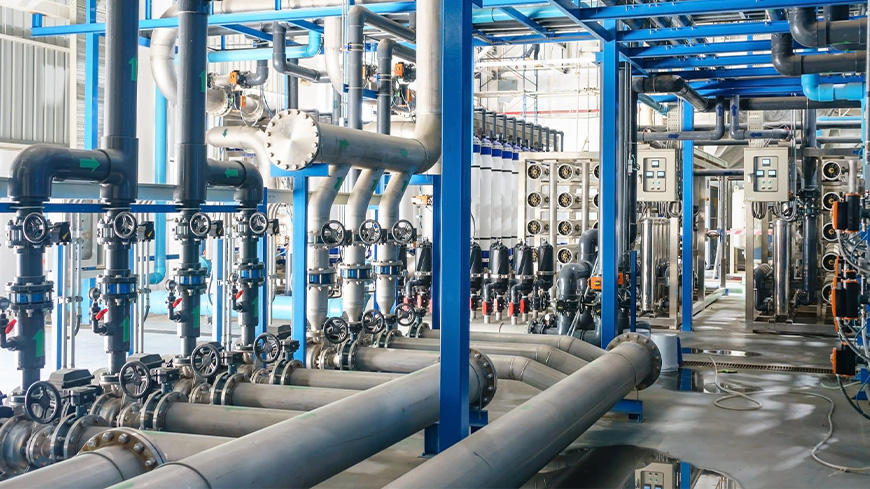
Correctly selected and applied, polyamine coagulant polymers can make a contribution to these areas.
The charge interacting properties of polyamine coagulant polymers are of particular value for specific water clarification treatments. Low molecular weight aliphatic polycations can provide charge neutralisation properties. Furthermore, specific organic polycationic alkylamines can be formulated into specialised industrial chemicals.
However, in addition to product selection, a number of further factors can influence treatment performance. These include treatment system design, monitoring, chemical compatibility, equipment performance and wastewater nature.
An optimally designed treatment regime should integrate suitable chemicals and control measures.
Conclusion
Polyamines are a class of nitrogen-containing compounds. They have important roles within both industrial and biological contexts and are also utilised in water treatment. Particularly, certain low molecular weight aliphatic polycations are highly valuable for coagulation as they can interact with negatively charged particles. Appropriate polyamine coagulant polymers can be used to disrupt particles, clarify water, reduce colour and to facilitate solid/liquid separation in particular treatment processes. Organic polycationic alkylamines can also provide valuable properties within specialised applications. Naturally occurring food polyamines have biological roles and should not be confused with industrially manufactured polyamers. Correct industrial polyamine selection should take into account factors such as molecular weight, charge density, chemical nature, water nature and treatment aims. Working with a specialist chemical manufacturer can enable industrial users to source appropriately tailored products and to maintain good treatment performance.
Would you like to source Polyamines, low molecular weight aliphatic polycations and/or polyamine coagulant polymers?
Please get in touch with us to discuss your water treatment requirements and to identify the most suitable specialist polymer solutions for your business.
Commonly Asked Questions
1. What are polyamines?
Polyamines are compounds that contain amine groups. Naturally, polyamines can be found within living organisms. They are also industrially manufactured.
2. What are low molecular weight aliphatic polycations?
Low molecular weight aliphatic polycations are positively charged molecules or polymers with multiple cationic sites and aliphatic molecular structures. Certain industrial polyamines belonging to this category are used in coagulation applications.
3. What is a Polyamine Coagulant Polymer?
Polyamine coagulant polymers are chemicals which can be used to disrupt suspended particles. The cationic properties of these polymers can support coagulation and clarification processes.
4. What are organic polycationic alkylamines?
Organic polycationic alkylamines are organic nitrogen-containing compounds or polymers with alkyl-based structures and multiple positively charged sites. Certain products are used in industrial coagulation and specialty chemical applications.
5. What are Polyamines in Food?
Polyamines in food are naturally occurring compounds such as putrescine, spermidine and spermine. They are present in various plant-based and animal-based foods.
6. Are polyamines the same as naturally occurring food polyamines?
No. Although both types of polyamine are nitrogen-containing, they differ in molecular structure, function and safety considerations. Industrial coagulants should not be regarded as edible.
7. How do polyamines function in wastewater treatment?
Specific cationic polyamines can interact with charged particles. This can help to overcome electrostatic repulsion and encourage particle flocking. Solid/liquid separation can also be supported.
8. Can polyamines be used to remove colour from wastewater?
Polyamine coagulants can assist in colour removal. They can interact with coloured, charged materials. Performance will depend on the nature of the dye, the wastewater constituents and the treatment conditions.
9. How do polyamines differ from polyacrylamide?
Both polyamines and polyacrylamides have differing chemical structures. Typically, polyamines are used as coagulants and many high molecular weight polyacrylamides are used as flocculants. Again, precise functionality will relate to the nature of the product.
10. Are polyamine coagulants superior to other coagulants?
Neither option is universally superior. The most suitable coagulant will depend on water nature, treatment aims, operating conditions and economics.
11. What industries use polyamine coagulant polymers?
Selected applications include textile manufacturing, paper production, chemical manufacturing, mining, food processing wastewater treatment and other industrial water treatment systems.
12. Can polyamines be combined with other water treatment chemicals?
Some polyamines can be used alongside coagulants and suitable flocculants. Prior to application, compatibility and treatment performance should be analysed.
13. What factors can influence polyamine performance?
Critical factors can include molecular weight, charge density, pH, application rate, pollutant nature, temperature, agitation and chemical compatibility.
14. Why is jar testing important for polyamine coagulants?
Jar testing allows assessment of a polymer’s chemical nature, optimal application rate, water clarification and compatibility with other chemicals. This can then underpin large-scale implementation.
Related Posts