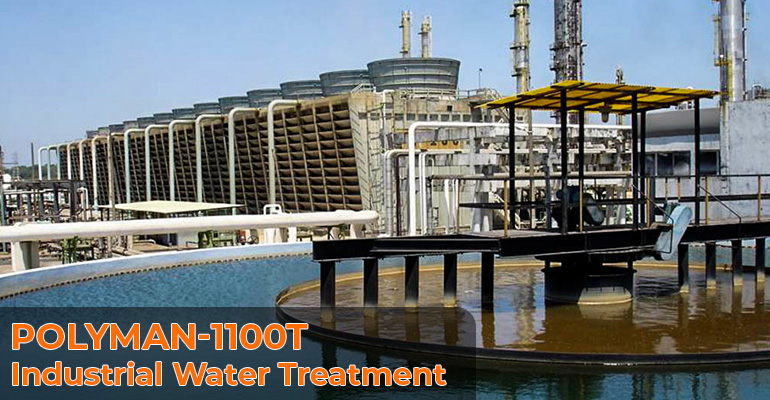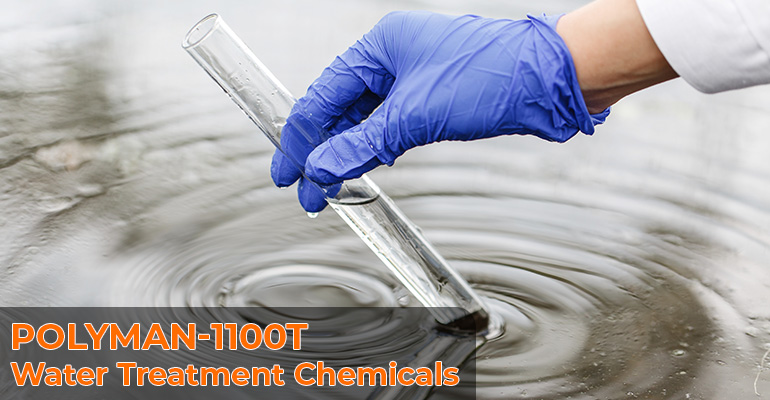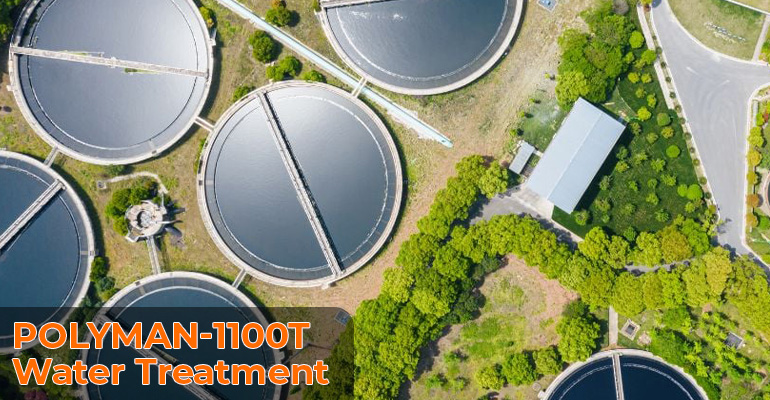
Industrial water treatment formulations are designed to deal with a range of issues such, as minerals, hardness ions and suspended particles. These problems can affect how equipment performs and how smoothly the entire process operates. If left unchecked these problems can lead to deposits of minerals or hardness materials. Such buildup often happens on heat‑transfer surfaces, pipes and other components and such buildup can reduce efficiency and cause problems...
POLYMAN-1100T Phosphino Carboxylic Acid: Performance in Water Treatment
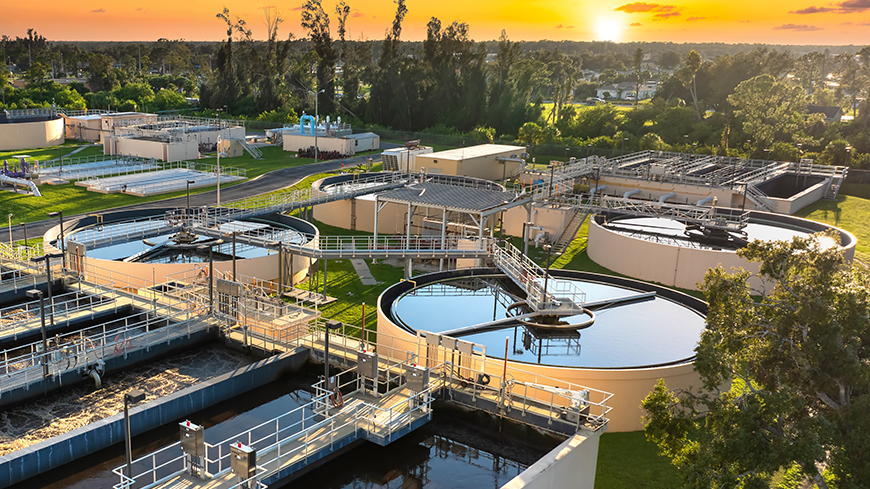 Industrial water systems need chemical solutions that can manage mineral deposits without making routine operation unnecessarily complicated. Among polymer-based treatment options, phosphino carboxylic acid is used where both scale control and dispersion are important. POLYMAN-1100T is a liquid polymer designed for water-treatment formulations and can be considered when consistent performance is needed across demanding operating conditions.
This article explains POLYMAN-1100T in simple terms, including its characteristics, practical advantages, handling considerations, and common questions buyers may have before selecting the product. The information is written independently and is not copied from Maxwell Additives’ existing product page. Maxwell Additives identifies POLYMAN-1100T as a phosphino carboxylic polymer used in industrial and cooling water treatment.
What is POLYMAN-1100T Phosphino Carboxylic Acid?
POLYMAN-1100T is a phosphino carboxylic polymer supplied in liquid form for industrial water-treatment applications. It is designed to support scale inhibition and dispersion, helping treatment programs manage unwanted mineral deposits and suspended particles. Its low-molecular-weight polymer structure makes it suitable for formulations where maintaining stable water chemistry is important.
The material is water soluble and can be incorporated into different water-based treatment formulations. It is also described as non-foaming, which can be useful when excessive foam could interfere with circulation, monitoring, or dosing operations. The product information lists a pale-yellow to yellow appearance, mild odor, and approximately 50% solid content.
For industries purchasing specialty chemicals, choosing the right material involves more than simply comparing product names. Operating temperature, water hardness, mineral composition, dosage, pH, and the overall treatment program should be considered before final selection. A suitable polymer can help make a water-treatment system easier to manage and more predictable.
Treatment Performance and Safety Profile of POLYMAN-1100T
One useful way to understand POLYMAN-1100T is to look at its role within a complete treatment program rather than treating it as a standalone chemical. Water quality can change during operation as minerals become concentrated, temperatures fluctuate, and equipment surfaces interact with circulating water. A treatment polymer therefore needs to perform under changing conditions instead of working only in ideal laboratory environments.
POLYMAN-1100T can be used as part of formulations intended to control scale-forming minerals and maintain dispersion. Its polymeric structure gives formulators another option when developing industrial water-treatment programs. The product is also listed by Maxwell Additives among its polymer range for water-treatment and related applications.
Another point worth considering is handling. POLYMAN-1100T is identified as non-flammable and non-combustible by the manufacturer. This makes it relevant when procurement teams specifically review Non Flammable chemicals, nonflammable liquids, and Combustibility and flammability Chemicals as part of chemical selection and plant-safety planning.
Features of POLYMAN-1100T Phosphino Carboxylic Acid
1. Liquid Form
POLYMAN-1100T is supplied as a liquid, making it convenient for industrial dosing systems and water-treatment formulations. Liquid handling can simplify transfer, metering, and blending compared with solid polymer products. For plants using automated chemical dosing, this form can support smoother integration into an existing treatment process.
2. Water Solubility
The product is soluble in water in all proportions, which provides flexibility during formulation and dosing. Good water compatibility helps the material become evenly distributed throughout a treatment solution. This characteristic can be particularly useful when preparing concentrated chemical blends that will later be introduced into circulating industrial water.
3. Scale Control Support
POLYMAN-1100T is intended to support scale inhibition by interacting with scale-forming conditions in treated water. Rather than allowing mineral deposits to develop freely on equipment surfaces, the polymer can form part of a treatment strategy designed to reduce deposit-related operating problems and maintain cleaner process pathways.
4. Dispersion Performance
Its polymer structure allows POLYMAN-1100T to contribute dispersion in water-treatment formulations. This is valuable when fine mineral or particulate matter needs to remain better distributed instead of quickly collecting on equipment surfaces. Better dispersion can support more stable operation and reduce the tendency of deposits to become concentrated in specific areas.
5. Non-Foaming Character
POLYMAN-1100T is described as a non-foaming dispersant. This characteristic can be useful in circulating water systems where unwanted foam may create operational difficulties. Keeping foam under control can make chemical dosing, water-level observation, equipment inspection, and general process management easier for plant operators.
6. High-Temperature Applicability
Industrial water-treatment systems may operate under elevated temperatures, which can make scale management more difficult. POLYMAN-1100T is intended for applications where temperature can be a significant operating factor. This makes it a practical polymer option for treatment programs that must continue functioning beyond mild ambient conditions.
7. Non-Flammable Nature
POLYMAN-1100T is identified by the manufacturer as non-flammable and non-combustible. This property can be relevant for industrial facilities evaluating chemical storage and handling requirements. However, non-flammability does not remove the need for appropriate personal protection, safe handling procedures, and proper storage practices.
Using POLYMAN-1100T Across Industrial Water Systems
The value of a treatment polymer is often seen in how well it fits into the complete water-management process. Industrial systems may deal with hard water, dissolved minerals, suspended matter, heat, and continuous circulation at the same time. Using a suitable dispersant and scale-control polymer can help treatment engineers address several of these challenges through one formulation component.
POLYMAN-1100T can therefore be considered when developing treatment programs for cooling water and other industrial water-based applications. Its combination of liquid handling, water compatibility, dispersing action, and scale-control functionality gives formulators flexibility when building a treatment strategy.
It is important to remember that chemical performance depends on the actual water chemistry and operating conditions. A product that performs well in one plant may require a different dosage or formulation approach in another. Water analysis, compatibility testing, and controlled trials are sensible steps before adopting a new chemical program.
 Benefits of POLYMAN-1100T Phosphino Carboxylic Acid
1. Helps Manage Mineral Deposits
POLYMAN-1100T can support treatment programs aimed at controlling unwanted mineral deposits. By influencing scale-forming conditions, it helps reduce the tendency of deposits to interfere with equipment surfaces. This can be valuable in systems where mineral buildup may gradually affect heat transfer, circulation, or maintenance requirements.
2. Supports Better Water Circulation
Uncontrolled deposits and suspended material can create difficulties inside circulating water systems. A suitable dispersant can help keep particles better distributed within the water instead of allowing them to settle quickly. POLYMAN-1100T can therefore contribute to cleaner flow paths when incorporated into a properly designed treatment program.
3. Useful for Cooling Water Treatment
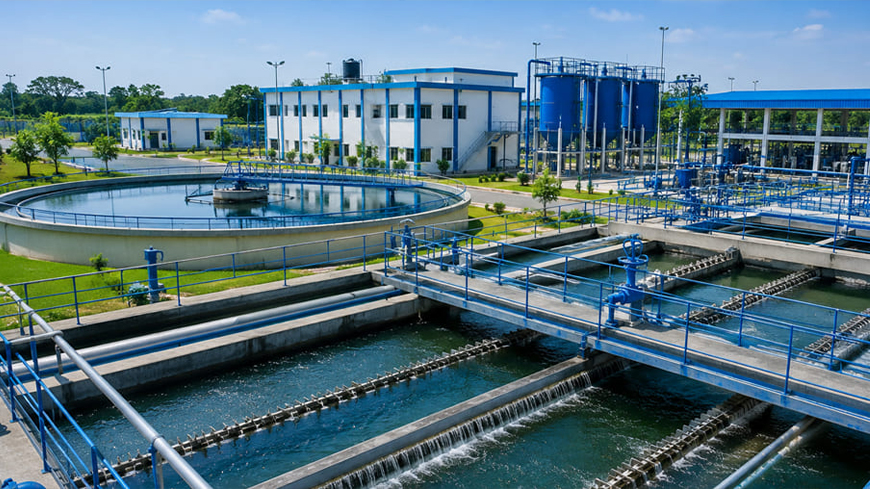
Cooling systems continuously circulate water while managing heat, concentration cycles, and changing mineral conditions. POLYMAN-1100T is suitable for cooling water treatment applications where scale and dispersion need attention. Its use can help formulators develop programs designed for more dependable water-system performance.
4. Convenient for Liquid Dosing
Because POLYMAN-1100T is a liquid and water soluble, it can be convenient for dosing and formulation. Operators can incorporate it into chemical treatment systems without first preparing a solid polymer solution. This can simplify routine handling, especially in plants already equipped with liquid chemical metering arrangements.
5. Can Support Formulation Flexibility
The polymer can be used as a component in water-based formulations rather than being restricted to one specific treatment approach. This gives chemical formulators room to combine it with compatible treatment ingredients according to water quality and process requirements, subject to proper compatibility and performance testing.
6. Suitable for Demanding Conditions
Industrial water conditions are rarely constant. Temperature, hardness, mineral concentration, and circulation rates can change during operation. POLYMAN-1100T is designed for industrial treatment environments where these variables matter, giving formulators an option for programs that need scale-control and dispersion performance under challenging conditions.
7. Adds a Non-Flammable Chemical Option
For facilities reviewing chemical storage and handling characteristics, POLYMAN-1100T offers a non-flammable, non-combustible option. This can be relevant to internal safety assessments and procurement decisions. Even so, the material should still be handled according to its safety documentation and site-specific chemical-management procedures.
Why Product Selection Should Be Based on Application
A common mistake in industrial chemical purchasing is selecting a polymer only because it is described as a scale inhibitor or dispersant. Actual performance depends on several factors, including the type of scale, mineral concentration, temperature, pH, water circulation, dosage, and other treatment chemicals already present in the system.
For this reason, POLYMAN-1100T should be evaluated against the specific requirements of the intended application. Trial testing can provide useful information about compatibility and performance before a full-scale treatment program is introduced.
Conclusion
POLYMAN-1100T is a phosphino carboxylic polymer designed for industrial water-treatment applications where scale control and dispersion are important. Its liquid form, water solubility, non-foaming character, and non-flammable nature make it a practical option for suitable treatment formulations.
Rather than viewing the product simply as another water-treatment chemical, it is better to evaluate how it fits into the complete operating conditions of a plant. Proper water analysis, compatibility checks, dosage selection, and regular monitoring can help achieve more reliable results. For industrial buyers, this application-focused approach is important when choosing between different polymer and Polycarboxylic Antiscalant and Dispersant solutions.
Frequently Asked Questions
1.Is POLYMAN-1100T mainly used for scale control?
POLYMAN-1100T is used as a phosphino carboxylic polymer for scale inhibition and dispersion. It can be included in industrial and cooling water-treatment programs where mineral deposits and suspended particles need to be managed. The most suitable dosage depends on water chemistry and operating conditions.
2.Can POLYMAN-1100T be used in cooling water systems?
Yes. Cooling water treatment is one of the applications associated with POLYMAN-1100T. It can be incorporated into a treatment formulation designed to manage scale-forming conditions and dispersion. Before use, the treatment program should be matched with the specific cooling-water chemistry.
3.Is POLYMAN-1100T a flammable chemical?
No. According to the manufacturer’s product information, POLYMAN-1100T is non-flammable and non-combustible. It should still be stored and handled carefully, with appropriate protective equipment and site-specific safety procedures followed during routine chemical handling.
4.Is POLYMAN-1100T soluble in water?
Yes. The manufacturer states that POLYMAN-1100T is soluble in water in all proportions. This makes it suitable for liquid dosing and water-based formulations where uniform incorporation of the polymer is required.
5.What should buyers check before selecting POLYMAN-1100T?
Buyers should consider water hardness, pH, temperature, mineral concentration, circulation conditions, desired treatment objective, and compatibility with other chemicals. It is also useful to review technical specifications, safety documentation, packaging options, and supplier support before finalizing a purchase.
6.How should POLYMAN-1100T be stored?
POLYMAN-1100T should be stored under shade and protected from direct sunlight. Appropriate chemical-handling practices should be followed, including the use of gloves and goggles. Storage and handling should always be guided by the current product safety documentation.
7.Can Maxwell Additives provide POLYMAN-1100T for industrial applications?
Yes. Maxwell Additives PVT LTD lists POLYMAN-1100T within its polymer range and identifies the product for industrial water-treatment applications. The company has a specialty-chemical portfolio covering polymers, phosphonates, water-treatment chemicals, and related industrial products. Buyers should contact the company directly for current availability, specifications, packaging, and application guidance.
Related Posts