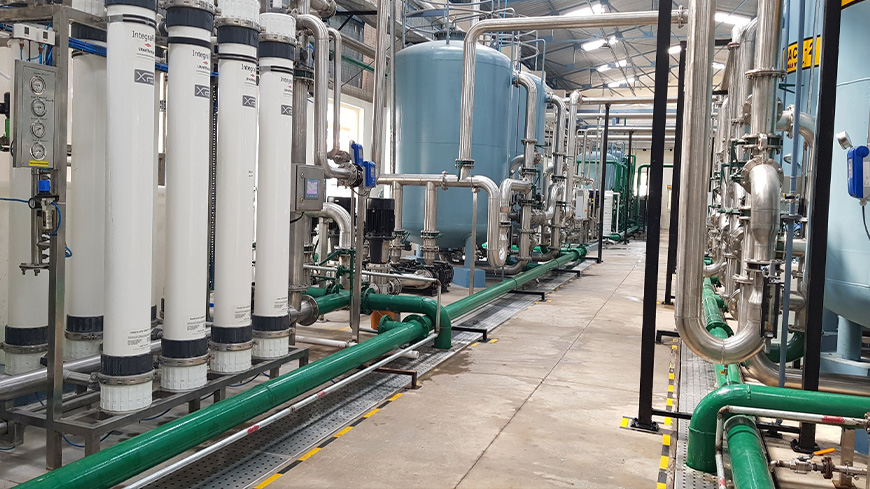
Industrial water treatment requires microorganism control. Cooling towers, water systems used in factories and some methods of waste water treatment can encourage microbial growth and create deposits on the equipment. Triazines are a category of chemical that can be used within industrial processes. This includes a mix of triazines which inhibit microbial growth...
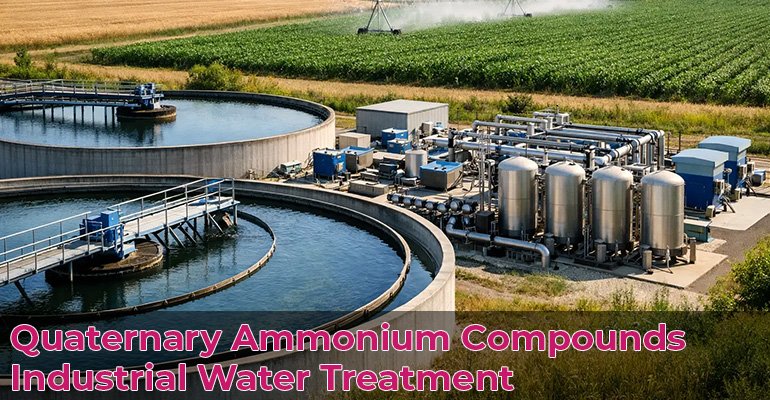
Quaternary Ammonium Compounds in Industrial Water Treatment
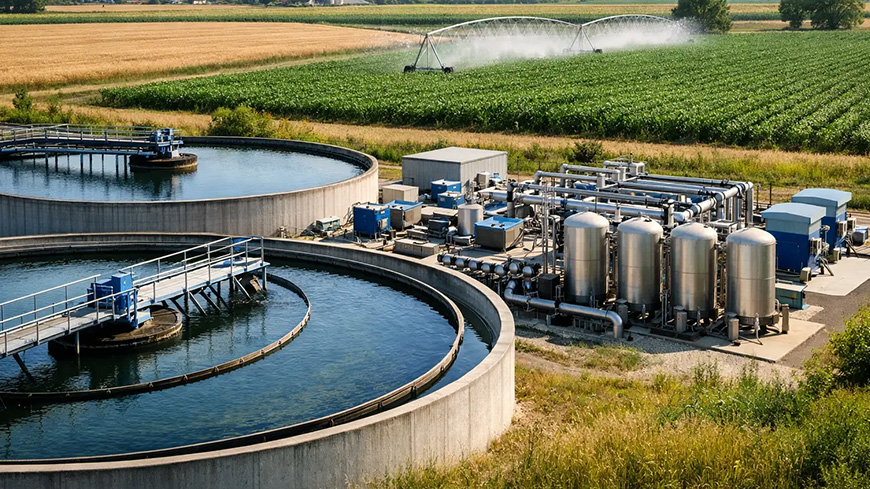
Quaternary Ammonium Compounds (Quats) can be used in situations to help control the amount of microbes in the system. They are a group of ionic compounds that can be used on surfaces.
By understanding how they work, what they can be used for and what influences them you can choose the correct chemical for your company.
What are Quaternary Ammonium Compounds?
These are chemicals that contain a charged nitrogen atom with 4 groups attached. Often referred to as Quats.
They are surfactants with a positive charge. Can be used for cleaning. Can be added to a formula to prevent microorganism growth.
Some Quaternary Ammonium Compounds can kill bacteria within water treatments but will depend on the strength of the formula and how they are used.
How do Quaternary Ammonium Compounds work?
They have a charge which means they can be attracted to other charged surfaces. This can help prevent bacteria.
- Positive Charge – They have a charge and can attach to bacteria.
- This can cause some Quaternary Ammonium Compounds to disrupt the surface.
- Due to the ingredients they can prevent fungi and bacteria growth when used correctly.
- Surfactant – They can move to surfaces. Can be used for cleaning.
The effectiveness will depend on the design, type of bacteria, strength, contact time and water.
Key Uses
Depending on the type of Quaternary Ammonium Compounds and surface they can be used for.
Cooling Water Treatment
They can be used as part of the cooling process to remove heat from a machine/process. If the system isn’t maintained then warm water can cause bacteria to grow.
Certain Quaternary Ammonium Compounds can be added to the cooling water to prevent bacteria growth and help prevent scaling.
When setting up you will need to consider the water quality, bacteria, chemical properties and disposal regulations.
Industrial Process Water
Many manufacturing processes use water. This can be for processing, cleaning and within machinery. Bacteria can grow within storage tanks, pipes and parts of the system.
The correct Quaternary Ammonium Compounds can be used to kill bacteria.
The correct chemical will depend on the conditions of your process and type of bacteria.
Industrial Cleaning
All areas, machines and storage should be clean.
Certain Quaternary Ammonium Compounds can be used within cleaning products due to their bactericidal properties and surfactant properties.
Depending on how they interact with the surface.
Wastewater Treatment
Wastewater can contain bacteria and solids. Sometimes it is required to reduce these to control the bacteria and make the system more efficient.
The bactericides chosen can help prevent growth. However be careful as bacteria in wastewater treatment can often help break down material.
Don’t use Quaternary Ammonium Compounds in any systems with bacteria without considering the effects on the process.
Benefits
They can provide benefits within cleaning.
- Bactericidal – Certain Quaternary Ammonium Compounds can reduce bacteria.
- Surfactant – Due to their chemical properties they can be used on surfaces.
- They can be used for cleaning to prevent bacteria.
- Scale Inhibitor – The correct Quaternary Ammonium Compounds can prevent build up in water systems.
- There are types of Quaternary Ammonium Compounds depending on their use.
Considerations
Not all Quaternary Ammonium Compounds will be suitable for all uses. Consider:
Application
Do you need for cooling water, cleaning or specific mixtures?
Bacteria
Some Quaternary Ammonium Compounds work better on certain bacteria. What type of bacteria do you have?
Water Quality
The composition of the water can impact how the Quaternary Ammonium Compounds work. Particles can reduce their effectiveness.
Strength
The strength of the Quaternary Ammonium Compounds will determine how effective they are.
Depending on the use and purpose of the product you will need certain amounts of Quaternary Ammonium Compounds. Always follow the manufacturers advice on how much to use. Test the Quaternary Ammonium Compounds in your conditions.
Chemical Compatibility
Within water treatment programmes many different chemicals can be added to the water. This could include polymers, dispersants and anti-rust chemicals.
Quaternary Ammonium Compounds are cationic so may work well with certain chemicals. Consider using with cationic chemicals.
Contact Time
The effectiveness of the Quaternary Ammonium Compounds will depend on how long they are in contact with the bacteria. Consider how they will be in contact with the bacteria depending on how the system works.
Safety and Regulations
Some Quaternary Ammonium Compounds can be hazardous. Consider the safety data, how they should be used, regulations and how to dispose of the water.
Lab Testing
Lab testing can help determine if they are the right choice.
Depending on the plant the water conditions and bacteria will vary. Lab testing can help determine how effective they are.
Consider:
- Water – What is in the water?
- Bacteria – What bacteria do you need to control?
- Performance – How will they work?
- Compatibility – Are they compatible?
- Dosage – How Much Should I use? – Based on lab tests and manufacturer advice.
- Process – Monitor results and make changes as needed.
They can help reduce guess work and help you make decisions.
Manufacturer
Ultimately you need to find the right manufacturer. The quality and knowledge can make a difference between a product and a good product.
Consider:
- Information – Is there information available?
- Safety – What information have they provided? Are they safe?
- Consistency – Are they consistent?
- Purpose – What is the purpose of the product?
- Storage, Use & Mixing – Can they be stored, used and mixed?
- Help – Can they help you understand what you need to know?
Maxwell Additives are active within the product chemicals and water treatment chemicals industry. We produce products such as phosphorus chemicals and polymers.
When purchasing Quaternary Ammonium Compounds make sure you know what type of chemical you are receiving. Consider the information.
Conclusion
Quaternary Ammonium Compounds are ionic chemicals that can be used on surfaces to prevent bacteria. Can be used in situations such as cooling water treatment, cleaning and preventing bacteria.
The effectiveness will mainly depend on the design, bacteria, water quality, strength and contact time. Consider how the chemicals will interact.
Lab testing can help determine if a certain Quaternary Ammonium Compounds is a good choice for your process.
FAQs
1. What are Quaternary Ammonium Compounds?
A Quaternary Ammonium Compound contains a Nitrogen atom with 4 groups attached. Often referred to as Quats.
2. What are they used for?
They can be used for cleaning and preventing bacteria. Some can be used within water treatment programmes.
3. How do they work?
They can attach to the bacteria. Some attachment can cause disruption to the surface of the bacteria. This can prevent bacteria.
4. Are they used within cooling water treatment?
Yes. Some Quaternary Ammonium Compounds can kill bacteria within the cooling water system. This can help prevent bacteria growth and scaling.
5. What is the difference between Quaternary Ammonium Compounds and other bactericides?
Quaternary Ammonium Compounds are a type of surfactant. Other bactericides can work in different ways. The best choice will depend on the use and type of bacteria you want to prevent.
6. Can they be used with other water treatment chemicals?
Consider compatibility. Quaternary Ammonium Compounds can work with chemicals that will impact how they work and how much you need.
7. What influences how they work?
They can be influenced by the design, bacteria, water, strength and contact time. Consider how the chemicals will interact.
8. Why should I test?
Lab testing can help determine the properties, correct use and compatibility. Can provide solutions for using Quaternary Ammonium Compounds.
Related Posts