skip to Main Content

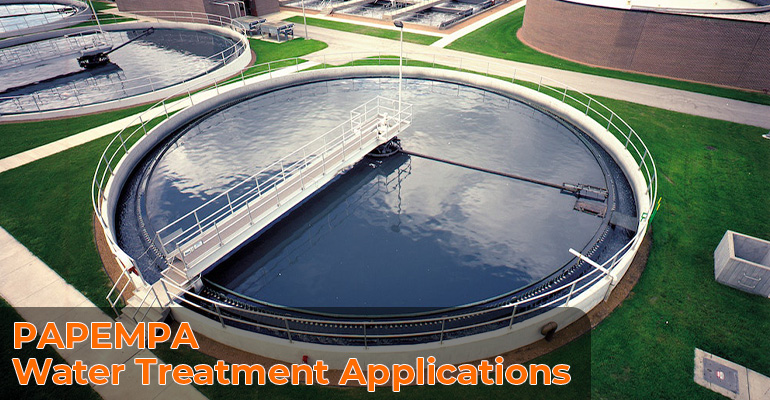
PAPEMP : Polyamino Polyether Methylene Phosphonic Acid for Scale, Sequestration Water Treatment Applications

PAPEMP, also known as Polyamino Polyether Methylene Phosphonic Acid, is a specialty organophosphonic acid used in industrial water-treatment and other demanding chemical formulations. Its combination of scale inhibition, sequestration, dispersion, threshold inhibition, corrosion-control support, and hydrolytic stability makes it useful in applications where conventional treatment chemistry may need additional performance under challenging operating conditions. For companies sourcing PAPEMP regularly, choosing a reliable Polyamino Polyether Methylene Phosphonic Acid manufacturer and supplier is important for maintaining consistent product quality, dependable availability, and smoother production planning...

Read More→
Benzalkonium Chloride

Benzalkonium Chloride in Modern Chemical Formulations

Benzalkonium Chloride is one such versatile ingredient. It belongs to the quaternary ammonium compound family and is used in many formulations because of its antimicrobial and surface-active characteristics. Depending on the concentration and application, it can contribute to microbial control, wetting, cleaning, and preservation-related functions. Maxwell Additives lists BKC products in different concentrations, including BKC 50%, BKC 80%, and BKC 90%...
Read More→

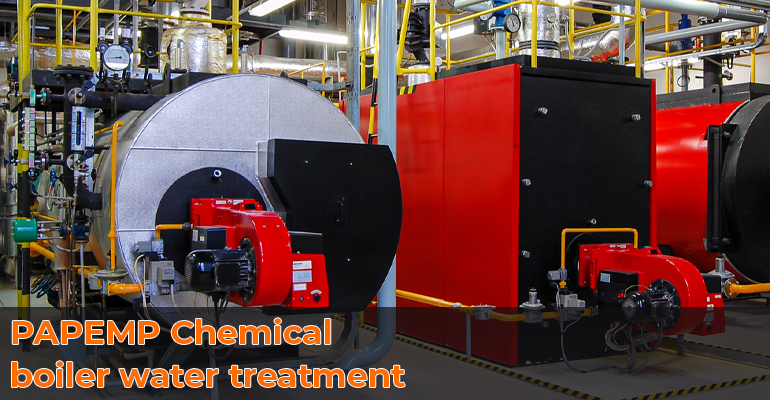
PAPEMP Chemical: Managing Mineral & Metal Variations

Polyamino polyether methylene phosphonic acid (PAPEMP Acid) is a phosphonate-based chemical that can contribute to this type of formulation management. Its molecular structure provides multiple functional sites that can interact with metal ions while also supporting dispersion and mineral-control functions. PAPEMP is also known as PAPEMPA in industrial chemical terminology. Maxwell Additives identifies its PHOSPHOMAN-230 product as PAPEMP/PAPEMPA and describes properties including sequestration, deflocculation, threshold inhibition, hydrolytic stability, and compatibility with demanding aqueous conditions...
Read More→
Back To Top