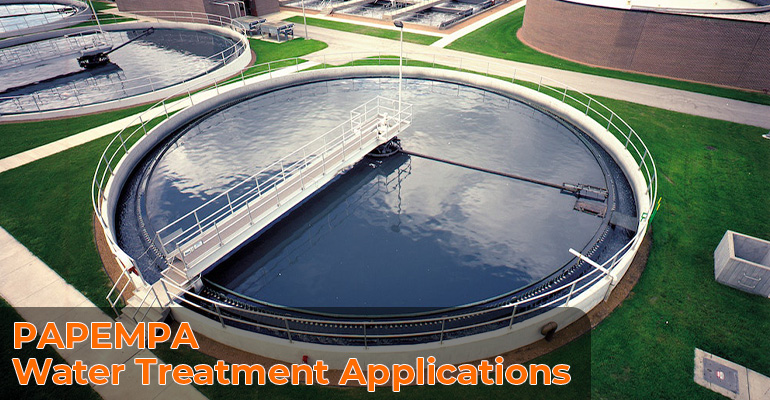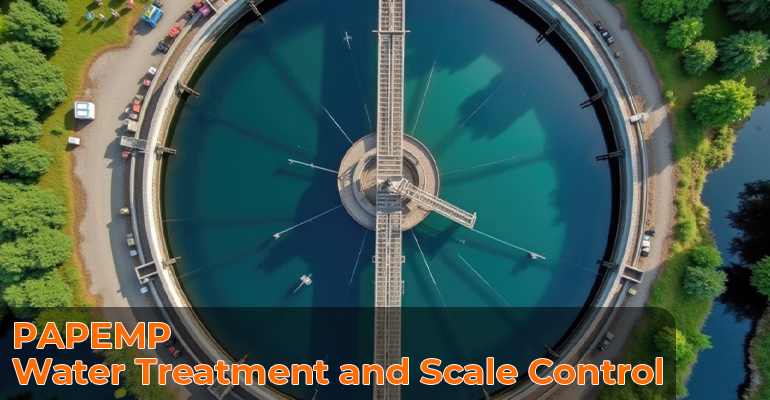
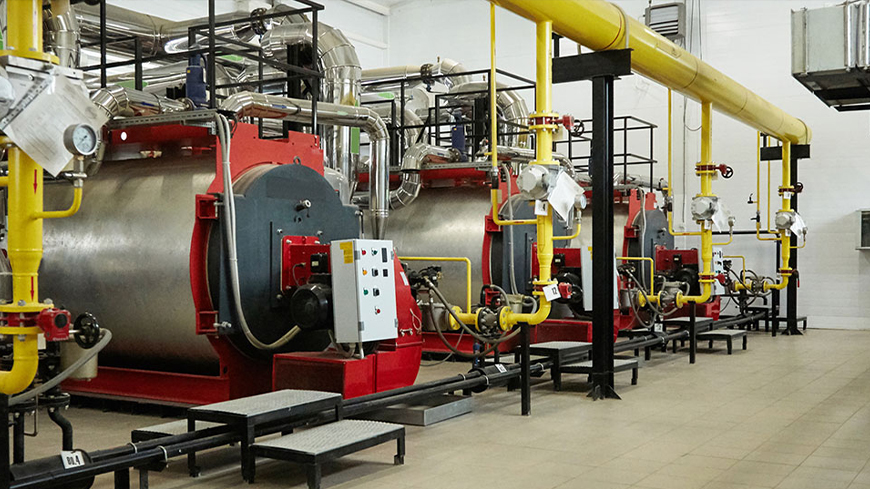
PAPEMP, also known as Polyamino Polyether Methylene Phosphonic Acid, is a specialty organophosphonic acid used in industrial water-treatment and other demanding chemical formulations. Its combination of scale inhibition, sequestration, dispersion, threshold inhibition, corrosion-control support, and hydrolytic stability makes it useful in applications where conventional treatment chemistry may need additional performance under challenging operating conditions. For companies sourcing PAPEMP regularly, choosing a reliable Polyamino Polyether Methylene Phosphonic Acid manufacturer and supplier is important for maintaining consistent product quality, dependable availability, and smoother production planning...
PAPEMP Chemical: Managing Mineral & Metal Variations
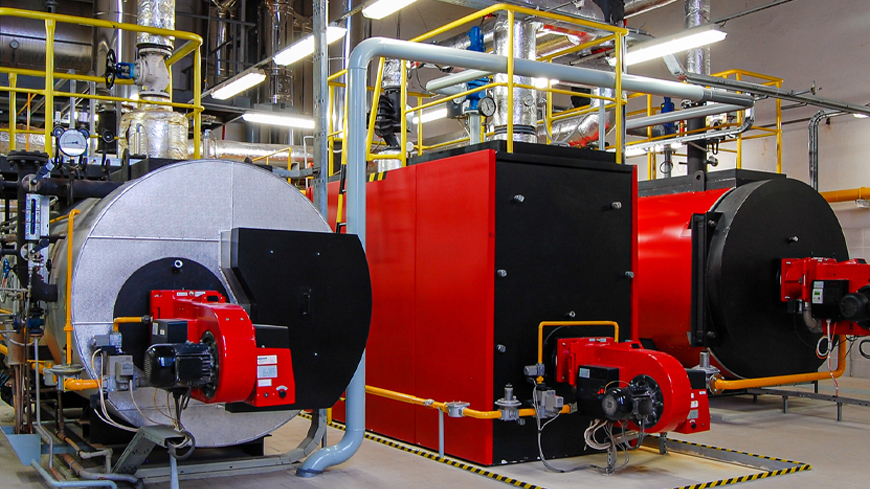
Polyamino polyether methylene phosphonic acid (PAPEMP Acid) is a phosphonate-based chemical that can contribute to this type of formulation management. Its molecular structure provides multiple functional sites that can interact with metal ions while also supporting dispersion and mineral-control functions. PAPEMP is also known as PAPEMPA in industrial chemical terminology. Maxwell Additives identifies its PHOSPHOMAN-230 product as PAPEMP/PAPEMPA and describes properties including sequestration, deflocculation, threshold inhibition, hydrolytic stability, and compatibility with demanding aqueous conditions.
Rather than viewing PAPEMP only as a conventional scale-control ingredient, it can be considered from a broader formulation perspective. Its ability to interact with dissolved metal species can help formulators manage chemical interactions that may otherwise affect product consistency, particle behavior, or process performance.
What is a PAPEMP Chemical?
PAPEMP stands for Polyamino Polyether Methylene Phosphonic Acid, while PAPEMPA is another commonly used designation for the same phosphonate chemical family. The material contains phosphonic acid functionality along with amino and ether structures, giving it several points of interaction within aqueous chemical systems.
PAPEMP Polyamino Polyether Methylene Phosphonic Acid (PAPEMPA) is valued for its ability to interact with metal ions and influence the behavior of mineral-forming substances. It can form water-soluble complexes with certain metals and can also help keep particles from coming together excessively. These characteristics make the chemical useful in formulations where mineral and metal-ion behavior needs to be controlled.
An important characteristic of PAPEMP is that its function can extend beyond a single treatment objective. Depending on the formulation, it may contribute to metal-ion sequestration, particle dispersion, and control of precipitation. Its usefulness therefore depends on how it is incorporated into the complete chemical system.
PAPEMP is supplied in liquid form for industrial applications. Maxwell’s current technical information lists PAPEMP/PAPEMPA under its PHOSPHOMAN-230 product and describes it as soluble in water, with an acidic nature and a minimum active content specified as 40% as acid.
PAPEMP Chemical and the Problem of Changing Mineral Conditions
A formulation can behave differently when the mineral composition of its water changes. For example, water containing more calcium may react differently from water with higher levels of magnesium or iron. Even when the basic formulation remains unchanged, these variations can influence particle formation, precipitation, and the stability of dissolved components.
This is where the functionality of PAPEMP Chemical becomes particularly interesting. Instead of treating every mineral ion as an isolated problem, PAPEMP can be considered as part of a broader strategy for managing metal-ion interactions. Its phosphonate groups can interact with metal species and help maintain them in a more manageable form within the aqueous environment. Maxwell describes PAPEMP as capable of chelating calcium, magnesium, iron, and copper, while also supporting dispersion of minerals such as calcium, magnesium, strontium, barium, and silicates.
The practical importance of this property becomes clearer when industrial formulations are exposed to changing feed-water conditions. A chemical product may be prepared under controlled laboratory conditions but later be used at a site where water composition varies from season to season or from one production source to another.
PAPEMP can therefore be evaluated as part of a formulation strategy that considers these variations. Instead of designing a product around one ideal water composition, formulators can examine how the chemical behaves when mineral concentrations change.
Another useful consideration is particle behavior. Dissolved metals and mineral species can eventually contribute to the formation of larger particles or deposits. A dispersing component can help maintain a more controlled distribution of these particles. PAPEMP’s deflocculation and dispersion properties make this an important part of its functional profile.
This does not mean that PAPEMP should automatically be used at the same concentration in every formulation. Actual performance depends on water chemistry, pH, temperature, mineral loading, other ingredients, and the intended purpose of the finished product. Laboratory evaluation under representative conditions is therefore valuable when developing or modifying a formulation.
Features of PAPEMP Chemical
1. Multiple Metal-Binding Sites
PAPEMP contains phosphonic acid functionality that can interact with different metal ions. This gives it useful sequestration characteristics in formulations where dissolved metals may interfere with other chemical components.
2. Dispersion Support
PAPEMP can help reduce the tendency of particles and growing crystals to agglomerate. This dispersing behavior can be useful when maintaining a more uniform aqueous system is important.
3. Broad Mineral Interaction
The chemical can interact with several mineral-forming species, including calcium, magnesium, strontium, barium, and silicates. This broad interaction profile gives PAPEMP relevance in complex water environments.
4. Hydrolytic Stability
PAPEMP demonstrates resistance to hydrolysis over a broad range of conditions. This property is valuable for liquid formulations that remain in aqueous environments for extended periods.
5. Compatibility With Formulations
PAPEMP can be considered alongside other chemical components when developing a multi-functional formulation. Its compatibility characteristics allow formulators to investigate its use with other ingredients rather than treating it as an isolated active.
6. Chlorine Stability
PAPEMP is described by Maxwell as having chlorine stability because of stabilization against halogen attack. This can be useful in systems where chlorine or other oxidizing conditions form part of the operating environment.
7. Water Solubility
The technical product information states that PHOSPHOMAN-230 is soluble in water in all proportions. This makes it practical for many liquid and aqueous formulation environments.
Using PAPEMP as a Formulation Tool Rather Than a Single-Purpose Chemical
A different way to understand PAPEMP is to consider what happens when several chemical functions need to work together. Industrial formulations rarely depend on one ingredient alone. A finished product may contain ingredients responsible for cleaning, dispersion, corrosion management, pH adjustment, surface protection, or mineral control.
When metal ions are present, they can interact with some of these components. Calcium, magnesium, iron, or copper may alter the behavior of surfactants, polymers, pigments, or other active ingredients. In such situations, a phosphonate such as PAPEMP can become part of the formulation strategy by managing some of these metal-ion interactions.
This perspective is useful in chemical development because the objective is not simply to add more active material. The objective is to create a formulation in which the ingredients continue to perform their intended functions under realistic operating conditions.
For example, consider a liquid formulation prepared with process water. If the water composition changes, the interaction between dissolved minerals and other ingredients may also change. A formulation that looks clear and stable during initial testing could show cloudiness, particle formation, or sedimentation later. Understanding the role of PAPEMP in these conditions can help technical teams investigate whether metal-ion interactions are contributing to the change.
PAPEMP can also be relevant when formulations are exposed to temperature variation. Industrial processes may involve heating, circulation, storage, or repeated exposure to different temperatures. Maxwell’s technical information describes PAPEMP as resistant to hydrolysis across broad pH and temperature conditions.
The same principle applies to formulations containing suspended particles. If particles begin to agglomerate, the product may lose uniformity. PAPEMP’s dispersing function can be evaluated as part of a strategy for maintaining particle distribution.
This approach creates a more practical way of assessing the chemical. Instead of asking only, “Does PAPEMP prevent scale?”, formulators can ask broader questions: How does it interact with the metal ions in this formulation? Does it help maintain particle dispersion? Does it remain stable during storage? Does it work alongside the other active ingredients? Does its performance change when water chemistry varies?
These questions provide a more useful framework for product development and can help determine where PAPEMP adds the greatest value.
PAPEMP in Different Industrial Formulation Environments
PAPEMP has relevance across several industrial applications because its functions are not limited to one particular process. Maxwell lists applications including cooling and boiler water treatment, detergents, oil-field applications, reverse osmosis, peroxide stabilization, paper and pulp processing, textile operations, industrial cleaning, metal treatment, and several other specialty formulations.
In detergent and cleaning formulations, metal-ion control can be important because minerals in water may influence cleaning performance or interact with other ingredients. PAPEMP can be considered where sequestration and dispersion are required as part of the overall formulation.
In paper, textile, and peroxide-related applications, the chemical environment can be quite different from conventional water treatment. This demonstrates why the functional properties of PAPEMP are more important than assigning it to a single application category.
For reverse osmosis and other membrane-related systems, mineral management is another important consideration. However, the actual suitability of any PAPEMP-based formulation should be established according to the membrane type, feed-water chemistry, operating conditions, and treatment program.
This application flexibility is one of the reasons PAPEMP remains an interesting phosphonate chemical for formulation developers. The same basic chemistry can be evaluated in different industrial environments, while the exact function and dosage can be adapted to the specific application.
Benefits of PAPEMP Chemical
1. Helps Control Metal-Ion Interactions
PAPEMP can form water-soluble complexes with several metal ions, helping reduce their unwanted interaction with other formulation components. This can be useful when calcium, magnesium, iron, or copper are present and may otherwise influence precipitation or product stability.
2. Supports Better Particle Distribution
Its deflocculating properties can help limit excessive particle agglomeration. In formulations containing suspended mineral matter or growing crystals, this can support more controlled particle behavior and contribute to better physical uniformity during processing.
3. Works Across Complex Water Conditions
PAPEMP can be considered in systems containing different mineral species and changing water compositions. Its interaction with several scale-forming components gives formulators greater flexibility when developing treatment products for variable industrial water environments.
4. Offers Long-Term Chemical Stability
Resistance to hydrolysis is useful when a formulation must remain chemically functional during storage or extended aqueous exposure. PAPEMP’s hydrolytic stability allows it to be evaluated for formulations that experience prolonged contact with water.
5. Supports Multi-Component Formulations
PAPEMP can serve as one functional component within a broader chemical formulation. Its metal-ion interaction and dispersion characteristics allow developers to investigate combinations with other treatment ingredients according to the specific needs of the final product.
6. Useful Across Multiple Industries
PAPEMP has applications spanning water treatment, cleaning, textiles, paper and pulp, oil-field chemicals, reverse osmosis, and other industrial processes. This versatility allows the same phosphonate chemistry to be considered for different formulation challenges.
7. Provides Useful Aqueous Compatibility
PAPEMP’s water-solubility characteristics make it suitable for many liquid formulations. Good aqueous behavior can simplify its incorporation into products where the active ingredients need to remain evenly distributed throughout the formulation.
Conclusion
Polyamino polyether methylene phosphonic acid (PAPEMP Acid) is more than a conventional mineral-control ingredient. Its combination of metal-ion interaction, dispersion, stability, and aqueous compatibility gives formulators several ways to consider its role within an industrial chemical system.
PAPEMP Polyamino Polyether Methylene Phosphonic Acid (PAPEMPA) can be particularly useful when water composition, dissolved metals, particle behavior, and formulation stability need to be considered together. Its value depends on the surrounding chemistry rather than on one isolated property.
For companies looking for PAPEMPA phosphonate chemicals Supplier or PAPEMPA phosphonate chemicals Manufacturer, the more important technical question is how the material fits the intended formulation and operating environment. Proper application testing can help determine its suitability, concentration, and compatibility with other ingredients.
By looking at PAPEMP from a formulation-management perspective, industries can better understand where its phosphonate chemistry can contribute to consistent performance in different industrial environments.
FAQs About PAPEMP Chemical
1. What is PAPEMP Chemical used for?
PAPEMP Chemical is used in industrial formulations where metal-ion management, dispersion, and control of mineral-forming components are required. It is associated with water treatment, cleaning chemicals, detergents, textile processing, paper and pulp applications, reverse osmosis, oil-field formulations, and other specialty chemical systems.
2. Is PAPEMP the same as PAPEMPA?
PAPEMP and PAPEMPA are commonly used names for Polyamino Polyether Methylene Phosphonic Acid. Industrial documents and suppliers may use either designation. Maxwell’s technical product information identifies PHOSPHOMAN-230 as Polyamino Polyether Methylene Phosphonic Acid and lists PAPEMP/PAPEMPA as the related names.
3. Can PAPEMP interact with calcium and magnesium?
Yes. PAPEMP has sequestration properties and can interact with metal ions such as calcium and magnesium. This is one reason it is considered useful in formulations where these ions may contribute to mineral formation or interfere with other components.
4. Can PAPEMP be used with other chemicals?
PAPEMP can be incorporated into multi-component formulations, but compatibility should be evaluated for the particular chemical combination. The pH, temperature, concentration, water composition, and other additives can all influence the final formulation’s behavior.
5. Is PAPEMP suitable for high-temperature industrial conditions?
PAPEMP has good hydrolytic stability and is described as resistant to hydrolysis over a broad range of pH and temperature conditions. However, suitability for a particular high-temperature process should always be confirmed through application-specific testing rather than assumed from the general chemical profile.
6. What industries use PAPEMP?
PAPEMP can be used in several industrial areas, including water treatment, detergents, oil-field applications, reverse osmosis, paper and pulp, textiles, industrial cleaning, peroxide stabilization, metal treatment, and other specialty formulations. The exact function depends on the formulation and process requirements.
7. What should industries consider when purchasing PAPEMP?
Industries should first identify the intended application, required concentration, physical form, water chemistry, operating conditions, and compatibility requirements. Companies searching for a PAPEMPA phosphonate chemicals Supplier or PAPEMPA phosphonate chemicals Manufacturer should also request relevant technical and safety documentation so the material can be evaluated against their specific formulation requirements.
Related Posts