PAPEMP, also known as Polyamino Polyether Methylene Phosphonic Acid, is a specialty organophosphonic acid used in industrial water-treatment and other demanding chemical formulations. Its combination of scale inhibition, sequestration, dispersion, threshold inhibition, corrosion-control support, and hydrolytic stability makes it useful in applications where conventional treatment chemistry may need additional performance under challenging operating conditions. For companies sourcing PAPEMP regularly, choosing a reliable Polyamino Polyether Methylene Phosphonic Acid manufacturer and supplier is important for maintaining consistent product quality, dependable availability, and smoother production planning...
The Role of Polyamino Polyether Methylene Phosphonic Acid in High-Performance Scale Management
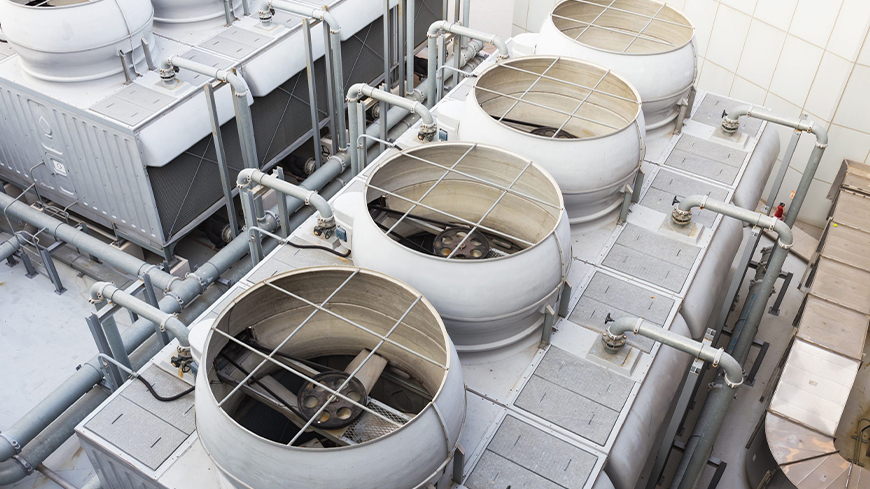
PAPEMP is known as Polyamino Polyether Methylene Phosphonic Acid, is an organic phosphonic acid sold under the brand name PHOSPHOMAN-230. It offers a wide range of useful properties, including metal sequestration, particle dispersion, and long-lasting corrosion protection. This makes it a strong choice for keeping calcium, magnesium, strontium, barium, and silicates from forming solid deposits in demanding plant conditions.
More About PAPEMP
PAPEMP belongs to a newer generation of phosphonate compounds designed to outperform older scale inhibitors in especially difficult water chemistries. Its polymeric structure, built from repeating amino and ether groups linked to methylene phosphonic acid units, gives it a larger molecular footprint than simpler phosphonates. That larger structure translates into stronger binding sites and broader coverage against a wider variety of scale-forming minerals, which is part of why it performs so well even in water systems with unusually high mineral content.
PAPEMP’s main functions are stopping calcium carbonate, calcium sulfate, and calcium phosphate scales from building up. It also holds metal ions like zinc, manganese, and iron in a stable state, and it binds tightly with calcium, magnesium, iron, and copper. This broad-spectrum performance makes it a versatile single-product solution for plants that would otherwise need to combine several separate treatment chemicals to achieve the same level of protection.
Chemical Specifications
PAPEMP goes by a few names, including PAPEMPA, and carries the CAS number 130668-24-5. Its molecular weight sits around 600.
| Property | Value |
|---|---|
| State | Liquid |
| pH (1% solution) | Below 2.0 |
| Color | Pale yellow to off white |
| Active content | 40 percent minimum, as acid |
| Phosphorous acid | 1 percent maximum |
| Density at 20 degrees Celsius | 1.15 minimum |
| Water solubility | Fully soluble in all proportions |
Main Properties
PAPEMP stands out because of several key traits that make it useful in tough industrial settings.
- Scale inhibition: small amounts stick to mineral growth sites and slow down or distort crystal formation, a “threshold effect” that works even at low doses
- Sequestration: forms a stable, water-soluble bond with metal ions, with results that shift depending on pH and other ions present
- Dispersion: keeps particles from clumping together and stays effective over long periods thanks to strong resistance to breakdown
- Corrosion control: works even better when paired with zinc or phosphate-based inhibitors
- Hydrolytic stability: resists breaking down across a wide range of pH levels and temperatures, which matters most in liquid formulas or hot processes
- Chlorine stability: holds up well against chlorine exposure thanks to built-in stabilizing additives
Common Applications
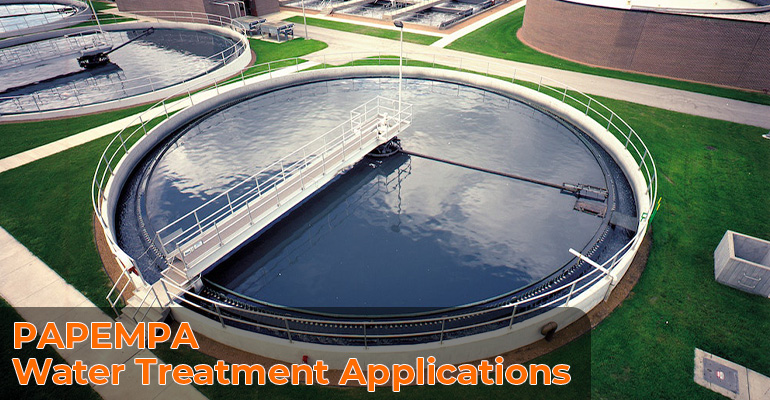
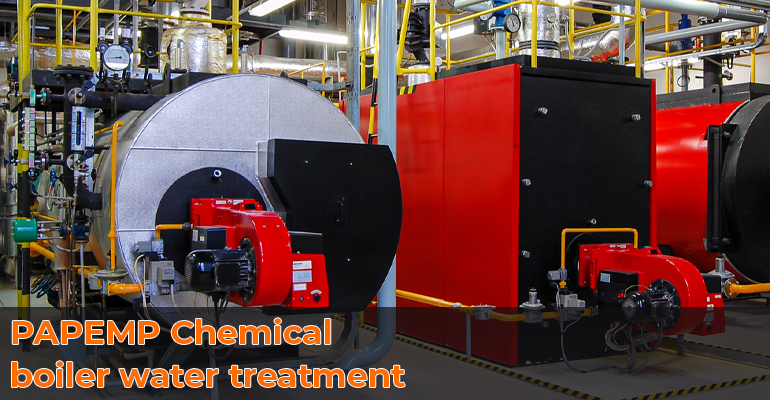
PAPEMP shows up in a surprising number of industries thanks to its versatility. It plays a role in cooling water treatment, boiler systems, and detergent formulas, along with oil field applications and reverse osmosis desalination. Beyond water treatment, it also supports paper bleaching, textile processing, cosmetics, metal etching, cement production, and even sugar refining.
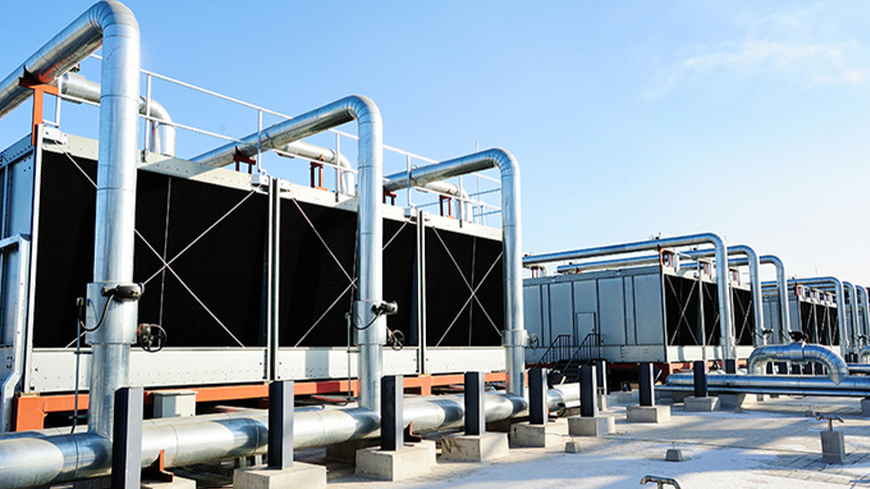
In cooling water treatment, PAPEMP helps maintain heat exchanger efficiency by preventing the gradual scale buildup that would otherwise force costly shutdowns for cleaning. In reverse osmosis desalination, its dispersant properties help protect delicate membrane surfaces from fouling, extending membrane life and reducing the frequency of expensive replacements. Oil field operators rely on similar scale control benefits, particularly in high-temperature downhole environments where mineral deposits can quickly clog critical equipment.
Its role in sugar refining and cement production might seem less obvious at first, but both industries deal with water systems carrying high mineral loads that need careful management. In sugar refining specifically, PAPEMP helps control calcium-based scale that can interfere with juice clarification steps, while in cement production it supports water treatment systems tied to cooling and process water circuits within manufacturing plants.
Safety and Storage
Since PAPEMP is an acidic material, it should never be swallowed. Any skin contact calls for a thorough rinse with water, and eye contact requires flushing with water followed by prompt medical care. Gloves and goggles are a must whenever handling this product.
Facilities that use PAPEMP regularly typically train staff on proper handling procedures, including how to manage minor spills and how to store personal protective equipment close to areas where the chemical is transferred or mixed. Good ventilation in storage and handling areas also helps minimize any buildup of acidic vapors over time.
The compound itself is nonflammable and noncombustible, making it fairly easy to store safely. Even so, it should stay out of direct sunlight and be kept in a shaded storage area. Maintaining a stable storage temperature helps preserve the product’s active content over time, since prolonged exposure to heat or direct sunlight can gradually affect its chemical stability, even though it holds up better than many comparable phosphonates under normal storage conditions..
Packaging Sizes
PAPEMP ships in three standard container options to fit different order sizes:
- 120 kg carboys
- 250 kg polydrums
- 1000 kg IBC totes
Smaller carboys work well for facilities testing the product in new applications or those with lower monthly consumption needs, while polydrums offer a practical middle ground for mid-sized operations. Larger industrial buyers with consistent, high-volume demand typically favor IBC totes, since they reduce the frequency of reordering and cut down on packaging waste relative to the total amount of product delivered.
Choosing the Right Supplier
Selecting a dependable PAPEMP supplier matters just as much as choosing the right formulation. Buyers should look for manufacturers who maintain consistent active content across batches, since even small variations can throw off dosing calculations and reduce treatment effectiveness over time. Reliable documentation, including certificates of analysis and safety data sheets, also helps plants stay compliant with internal quality standards and external regulations.
Beyond product quality, responsiveness and technical support play a big role in long-term supplier relationships. Industrial buyers often deal with unique water chemistries that require fine-tuning dosage rates or combining PAPEMP with complementary treatment chemicals. Suppliers who offer hands-on technical guidance can help plants avoid costly trial and error. Lead times and packaging flexibility matter too, particularly for operations that scale up seasonally or need quick turnaround during unplanned maintenance shutdowns. A supplier who checks all these boxes tends to build lasting, trustworthy partnerships.
Advantages of PAPEMP
1. Delivers Reliable and Scale Control for Industrial Water Systems
PAPEMP Polyamino Polyether Methylene Phosphonic Acid is usually used to control scale caused by calcium, magnesium, and other hardness minerals and metals. Its properties help in heat transfer efficiency and keep industrial equipment operating smoothly. As a trusted PAPEMP phosphonate chemicals Supplier in India, Maxwell additive pvt ltd. supplies high-quality solutions for demanding industrial applications.
2. Supports Long-Term Equipment Protection
Industrial systems exposed to hard water often experience scaling and reduced performance.polyamino polyether methylene Phosphonic acid (PAPEMP) helps minimize these deposits while supporting cleaner pipelines, heat exchangers, and cooling equipment phosphonic acid manufacturer and supplier prefer products that deliver continuously quality and reliable performance.
3. Performs Efficiently in Challenging Process Conditions
Major benefits of the PAPEMPA is its stability under different operating conditions. It is used in cooling water systems, reverse osmosis plants, or the industrial process water, polyamide polyether methylene phosphonic acid continues to perform effectively across varying temperature and water qualities.
4. Suitable for Multiple Industrial Applications
As a versatile PAPEMP chemical, this phosphonate is used across-water treatment, cement manufacturing, paper processing chemicals manufacturer, Maxwell additive pvt ltd supplies products that meet the requirements of diverse industrial sectors.
5. Helps Improve Operational Efficiency
Water cleaner systems lead to better equipment performance and fewer maintenance interruptions. Choosing a reliable PAPEMP manufacturer and PAPEMP supplier ensures consistent product quality, helping industries improve productivity while reducing operating and maintenance costs.
Conclusion
Selecting the right phosphonate chemical plays a main role in maintaining industrial water systems and improving its process efficiency. Polyamino Polyether Methylene Phosphonic Acid – PAPEMP is valued and known for its excellent scale inhibition, metal sequestration, and dispersion properties, making it suitable for a wide range of industrial applications.
We are working as an experienced polyamide polyether methylene phosphonic acid manufacturer and supplier in india, Maxwell additive pvt ltd provides high-quality PAPEMP Polyamino Polyether Methylene Phosphonic Acid for industries that most require dependable water treatment solutions. Whether customers are looking for PAPEMP phosphonate chemicals supplier, PAPEMPA Manufacturer, or a trusted PAPEMP phosphonate chemicals Manufacturer in india,
FAQs
1. What is PAPEMP used for?
PAPEMP(Polyamino Polyether Methylene Phosphonic Acid) is mainly used as a high-performance scale inhibitor in industrial water treatment systems. It helps prevent the buildup of hard mineral deposits like calcium carbonate and calcium sulfate, which can reduce equipment efficiency and increase maintenance costs. It is widely used in cooling towers, boilers, reverse osmosis (RO) systems, desalination plants, and oilfield water treatment. PAPEMP also performs well in high-tempertature and high-alkine conditions, making it suitable for demanding industrial processes.
2. Why should I choose a PAPEMP manufacturer and supplier, in India?
Choosing PAPEMP manufacturer and supplier is necessary for the organization. In india industries grow very fastly so choosing a reliable manufacturer and supplier ensures you get consistent product quality, competitive pricing, and delivery at the time. Indian manufacturers follow strict quality standards and can provide technical support for different industrial applications. They also provide customized packaging, bulk supply, and dependable services. It makes it easier for businesses to meet their water treatment and industrial chemical requirements efficiently.
3. What industries commonly use PAPEMP?
PAPEMP is mainly used in industries where water treatment is essential for smooth operations. It is commonly used in power plants, chemical manufacturing , oil and gas, steel, textile, paper, fertilizer, and desalination industries. It is also used in cooling towers, boilers, and reverse osmosis (RO) systems to control scale formation. It improves performance of equipment and reduce maintenance costs.
4. Is PAPEMPA good for water systems with hardness?
Yes, PAPEMP is an excellent choice for hard water systems. It effectively controls the formation of calcium and magnesium scales, even in water with high hardness levels. This helps keep pipelines, boilers, cooling towers, and heat exchangers clean, improving system efficiency and reducing maintenance and operating costs over time.
5. How do I pick the PAPEMPA manufacturer?
When you are looking for a PAPEMPA manufacturer you should check for experience in making the quality of the product good packaging, help with technical things and delivery on time. Maxwell Additives PVT. LTD. Is a manufacturer of PAPEMPA that people trust and they supply PAPEMPA to different industries.
6. What is the difference between PAPEMPA and PAPEMP?
There is not a difference when people use them in industry. PAPEMP and PAPEMPA are different names for Polyamino Polyether Methylene Phosphonic Acid. The name people use usually depends on who made it what the technical papers. What people in the market call it.
7. Can PAPEMP phosphonate chemicals be used with chemicals for treating water?
Yes. PAPEMP phosphonate chemicals are often used in water treatment and they usually work well with other chemicals that stop corrosion and dispersants used in systems for water.
8. Where can I find a PAPEMP phosphonate chemicals supplier in India?
If you need a reliable supplier of PAPEMP phosphonate chemicals in India or a manufacturer of PAPEMPA phosphonate chemicals in India or someone who makes Polyamino Polyether Methylene Phosphonic Acid, Maxwell Additives PVT. LTD. Makes good quality PAPEMPA supplies it reliably and helps with things for many different industries.
Related Posts