skip to Main Content
DTPMP Chemical

DTPMP Chemical Applications in Industrial Water Systems

Diethylene Triamine Penta Methylene Phosphonic Acid DTPMPA, commonly called DTPMP or DTPMP Chemical, is an organophosphonate used in industrial formulations where metal-ion control, mineral-deposit management, and dispersion are important. Its molecular structure contains multiple phosphonic acid groups that contribute to its interaction with metal ions. Maxwell Additives identifies DTPMPA as PHOSPHOMAN-235 and lists applications including water treatment, detergents, oil-field chemicals, paints, pigments, paper, textiles, and industrial cleaning...
Read More→
Carboxylic Sulfonate Liquid

How Carboxylic Sulfonate Liquid Can Improve the Formulation Design of Industrial Treatment Chemicals

This is where polymer selection becomes an important part of formulation development. A polymer can influence how the finished treatment product behaves after it is introduced into an industrial water system. Carboxylic Sulfonate Liquid is one such polymer-based option that can be considered when formulators need a liquid ingredient for specialized treatment formulations...
Read More→
POLYMAN-1240-A

POLYMAN-1240-A: Anionic Ter Polymer for Water Treatment

POLYMAN-1240-A is a specialized polymer designed for industrial water-treatment formulations where mineral deposition and particle management are important. It belongs to the ter-polymer family and provides formulators with an additional option when developing treatment programs for demanding water conditions. Maxwell Additives lists POLYMAN-1240-A as a Carboxylic Sulphonate Ter-Polymer...
Read More→
Polyman-4000-PN

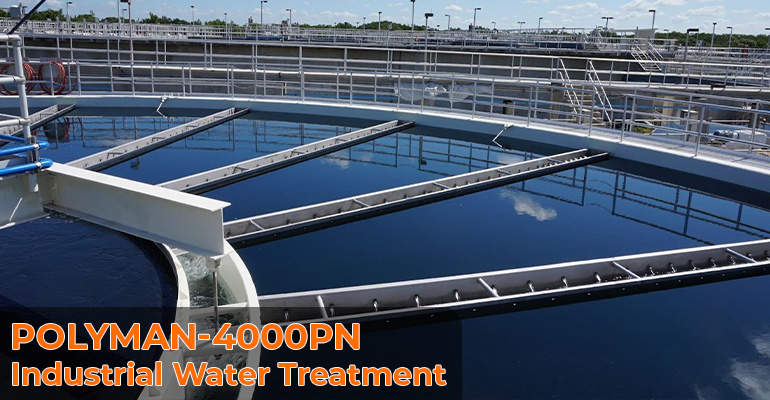
Polyacrylic Homo Polymer-4000-PN for Scale Control

A Polyacrylic Homo Polymer offers an effective approach for managing mineral particles and supporting dispersion without depending on a single treatment mechanism. At Maxwell Additives, we provide Polyacrylic Homo Polymer-4000-PN as an acrylic-based polymer for applications where scale control and particle management are important. Its partially neutralized form provides formulators with another option when developing water-treatment and industrial chemical systems...
Read More→
POLYMAN-2000

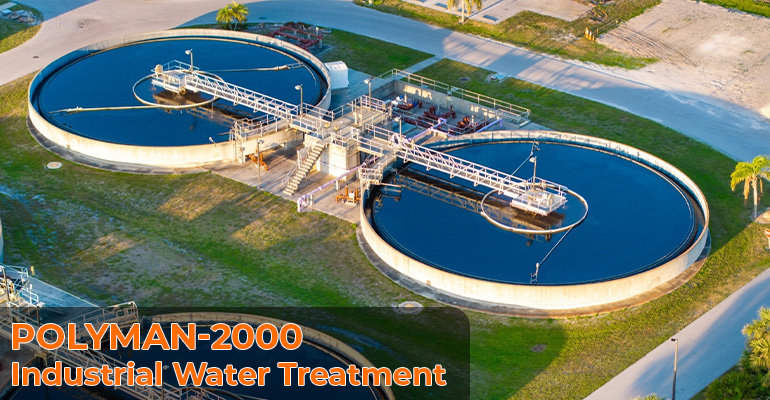
POLYMAN-2000: Effective Water Chemistry Management

Polymaleic acid POLYMAN-2000 is a polymer-based water treatment chemical designed to help manage mineral deposits and unwanted particulate matter in industrial water systems. It belongs to the family of low-molecular-weight polymers derived from maleic acid and is valued for its ability to interact with mineral particles present in circulating water. Rather than allowing these particles to easily gather and form hard deposits, the polymer helps keep them dispersed so that the operating surfaces remain cleaner...
Read More→
POLYMAN-4905

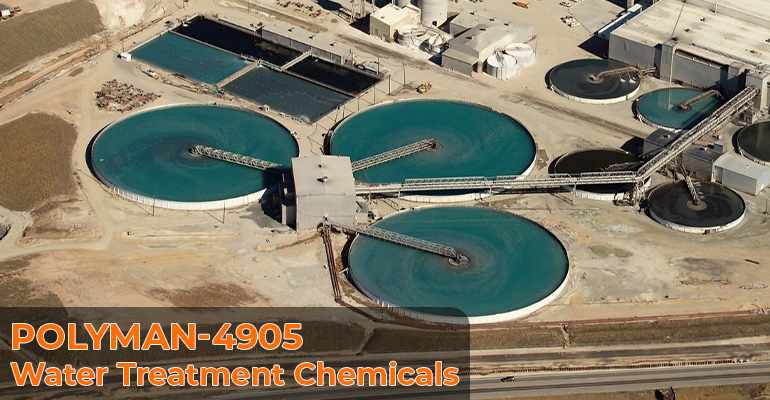
POLYMAN-4905: Carboxylic AMPS Co-Polymer for Water Treatment

Carboxylic AMPS Co-polymer POLYMAN-4905 is a specialty polymer designed for use in industrial water-treatment formulations where mineral deposits, suspended particles, and water chemistry can create operating difficulties. It belongs to a polymer family that combines carboxylic functionality with AMPS-based chemistry, giving formulators an additional option when conventional polymeric treatments are not sufficient for a particular application. The product is listed by Maxwell Additives within its polymer range as a Carboxylic AMPS Co-polymer...
Read More→
POLYMAN-1200

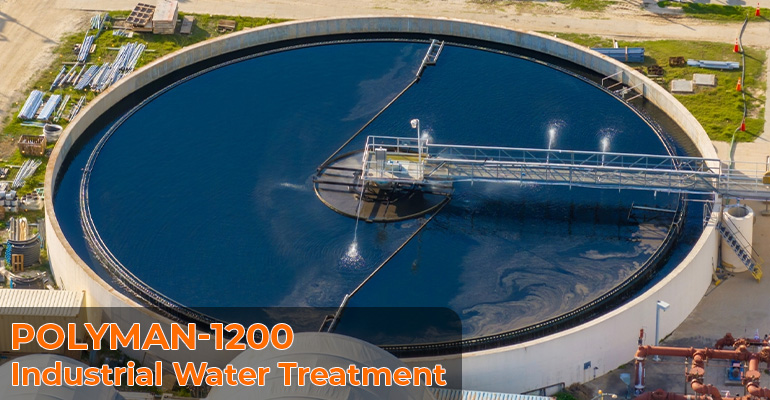
Carboxylic Co-Polymer – POLYMAN-1200 for Industrial Water Treatment

POLYMAN-1200 is a specialty polymer used in water-treatment formulations where controlling suspended matter, mineral deposits, and unwanted interactions between dissolved substances is important. It belongs to the carboxylic polymer family and is designed to support dispersion and deposit-control performance in industrial water systems. Its role becomes particularly useful when operating conditions make conventional treatment approaches less effective...
Read More→
POLYMAN-1400-PN

POLYMAN-1400-PN: Carboxylate-Sulfonate Copolymer Applications

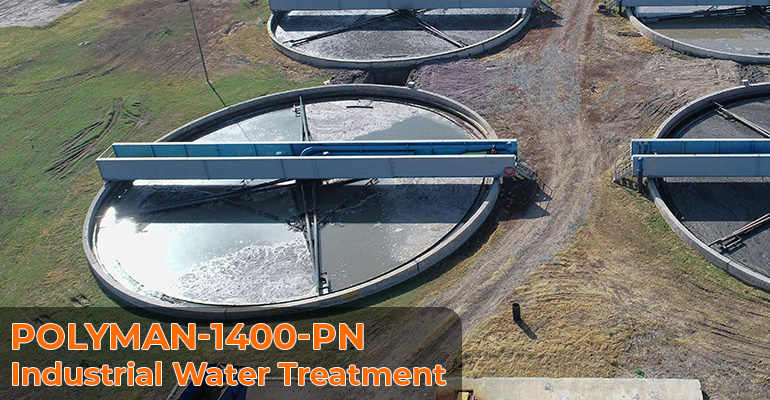
POLYMAN-1400-PN is a specialty Carboxylate-Sulfonate Copolymer intended for industrial and water-based formulations. Its combination of carboxylate and sulfonate functionality gives formulators an option for developing treatment programs where mineral management and dispersion are important. Rather than treating the polymer as a one-purpose chemical, its suitability can be assessed according to the specific water chemistry and operating conditions of each application...
Read More→
PBTC

PBTC Chemical: Understanding Its Industrial Applications

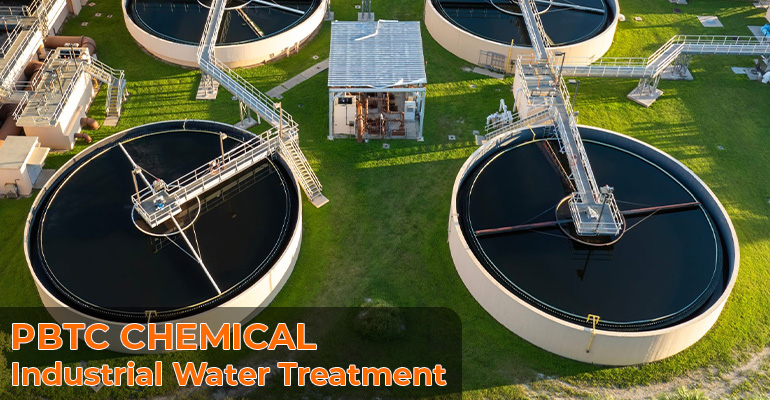
PBTC is a specialty phosphonate used in industrial chemical formulations where controlling mineral deposits, metal interactions, and system stability is important. Its full chemical name is 2-Phosphonobutane-1,2,4-Tricarboxylic Acid. It is also commonly identified as PBTC or PBTCA. The molecule contains phosphonic and carboxylic acid functionality, giving it useful properties for demanding water-based applications. Maxwell Additives lists PBTC as PHOSPHOMAN-333C and specifies a 50–51% active acid grade...
Read More→
HEMPA

HEMPA Chemical in Industrial Applications

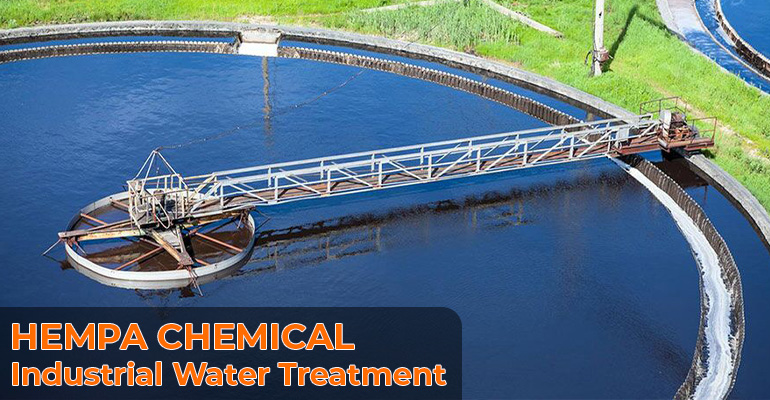
HEMPA Chemical stands for Hydroxyethylamino-Bis Methylene Phosphonic Acid. It is an organophosphonic acid used in industrial formulations where control of dissolved metal ions, mineral deposits, and formulation stability is important. The molecule contains phosphonic acid groups that can interact with metal ions, making HEMPA useful in chemical treatment systems that face problems caused by hardness and mineral accumulation...
Read More→
HEDP

HEDP Chemical: Industrial Applications and Process Considerations

Industrial processes often depend on chemicals that can maintain performance when water quality, temperature, mineral content, and operating conditions change. HEDP Chemical is one such phosphonate-based material used in formulations where control over mineral interactions and metal ions is important. It is commonly identified by several chemical names, including 1-Hydroxyethane-1,1-diphosphonic - HEDP and 1-Hydroxy Ethylidene-1, 1-Diphosphonic Acid...
Read More→
MMBPA

MMBPA Chemical: Industrial Chemistry and Applications

MMBPA stands for Morpholino (Methylenebisphosphonic) Acid, an organophosphonic acid used in industrial chemical formulations where control of mineral interactions, metal ions, and process stability is required. Its molecular structure contains phosphonic acid functionality along with a morpholine-based component, giving it characteristics that make it useful in demanding chemical-treatment environments...
Read More→
ATMP

ATMP Chemical: Understanding Its Industrial Applications

ATMP Chemical stands for Amino Trimethylene Phosphonic Acid, a phosphonate-based chemical used in industrial formulations where controlling dissolved metals and unwanted mineral deposits is important. It is commonly supplied as an aqueous liquid, with ATMP 50% being a widely used commercial concentration. Its chemical structure allows it to interact with metal ions, making it useful in water-treatment and other process applications...
Read More→
BKC 80

BKC 80 Chemical: Concentrated Quat Solution Guide

BKC 80 Chemical refers to a concentrated solution of Benzalkonium Chloride, a quaternary ammonium compound commonly known as a Quat. It is a cationic chemical that combines surface-active properties with antimicrobial functionality, making it useful in formulations where cleanliness, microbial control, and surface interaction are important. The “80” generally indicates the high active concentration of Benzalkonium Chloride in the supplied solution...
Read More→
PAPEMP

PAPEMP: Advanced Scale Control Chemistry

Phosphorus Carboxylate Corin Polymer is a specialized water-treatment polymer designed for industrial systems where scale deposits and metal corrosion can affect equipment performance. It combines phosphorus-based chemistry with carboxylate functionality to support water-treatment programs in demanding operating conditions. Instead of treating scale and corrosion as completely separate problems, this type of chemistry is intended to provide a broader approach to controlling deposits and protecting metal surfaces...
Read More→
Back To Top