skip to Main Content
PAPEMP

PAPEMP: Advanced Scale Control Chemistry

Phosphorus Carboxylate Corin Polymer is a specialized water-treatment polymer designed for industrial systems where scale deposits and metal corrosion can affect equipment performance. It combines phosphorus-based chemistry with carboxylate functionality to support water-treatment programs in demanding operating conditions. Instead of treating scale and corrosion as completely separate problems, this type of chemistry is intended to provide a broader approach to controlling deposits and protecting metal surfaces...
Read More→
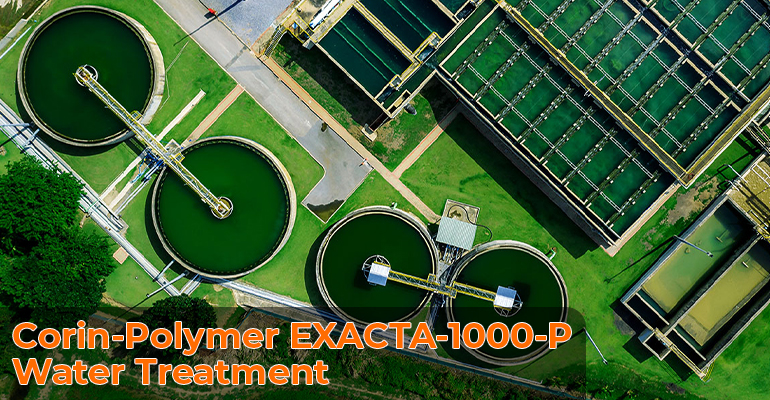
Corin-Polymer EXACTA-1000-P

Corin-Polymer EXACTA-1000-P: Phosphorus Carboxylate Polymer for Water Treatment

Phosphorus Carboxylate Corin Polymer is a specialized water-treatment polymer designed for industrial systems where scale deposits and metal corrosion can affect equipment performance. It combines phosphorus-based chemistry with carboxylate functionality to support water-treatment programs in demanding operating conditions. Instead of treating scale and corrosion as completely separate problems, this type of chemistry is intended to provide a broader approach to controlling deposits and protecting metal surfaces...
Read More→
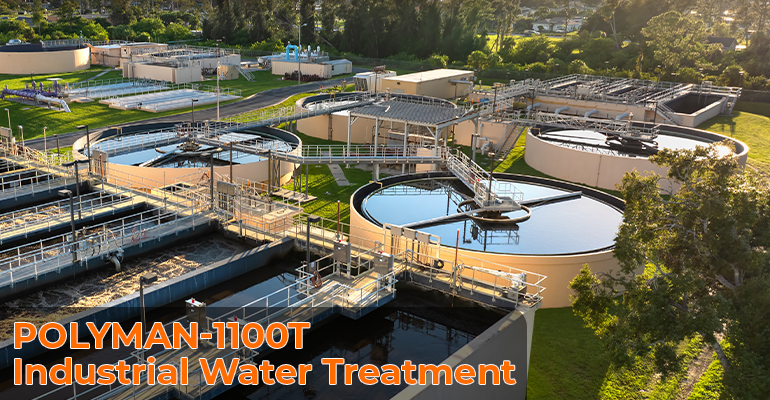
POLYMAN-1100T

POLYMAN-1100T Phosphino Carboxylic Acid: Performance in Water Treatment

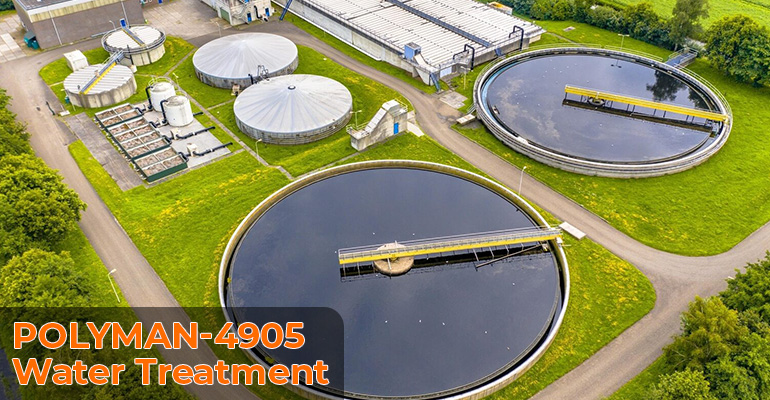
Industrial water systems need chemical solutions that can manage mineral deposits without making routine operation unnecessarily complicated. Among polymer-based treatment options, phosphino carboxylic acid is used where both scale control and dispersion are important. POLYMAN-1100T is a liquid polymer designed for water-treatment formulations and can be considered when consistent performance is needed across demanding operating conditions...
Read More→
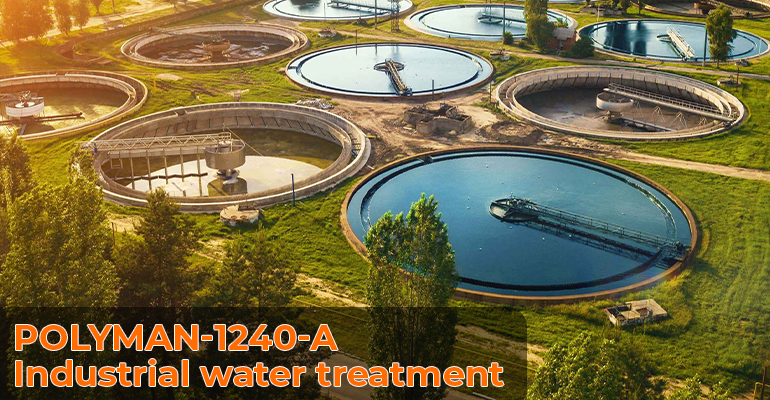
POLYMAN-1240-A

POLYMAN-1240-A: A Guide to Industrial Applications

POLYMAN–1240-A is a Carboxylic-Sulfonate Ter-Polymer that can be used in industrial water-treatment and water-based formulations. Its terpolymer chemistry makes it relevant for applications where mineral particle management and deposit control are important. The product should be selected according to actual water chemistry and tested under representative operating conditions rather than treated as a one-size-fits-all chemical...
Read More→
POLYMAN-4000PN

POLYMAN-4000PN Acrylic Homopolymer Guide

Acrylic homopolymers are widely used in industrial formulations where controlling suspended particles, mineral deposits, and formulation stability is important. Among these materials, POLYMAN-4000PN is an acrylic homo-polymer designed for applications where a dependable dispersing and scale-control solution is required. It is a partially neutralized polymer that can fit into different water-based industrial formulations...
Read More→
POLYMAN-1200

POLYMAN-1200: Carboxylic Co-Polymer for Industrial Applications

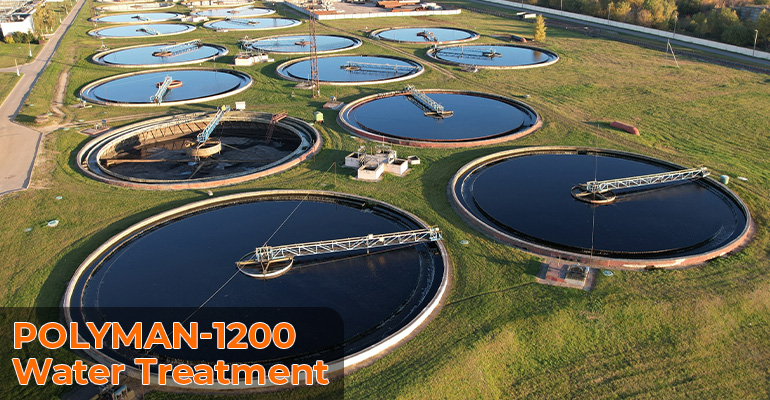
Carboxylic Co-Polymer - POLYMAN-1200 is a specialty Polymer used in industrial formulations where mineral control, particle dispersion, and water chemistry management are important. Its carboxylic functionality allows it to interact with dissolved mineral species and suspended matter, making it useful for treatment systems that need better control over unwanted deposits and particle behavior...
Read More→
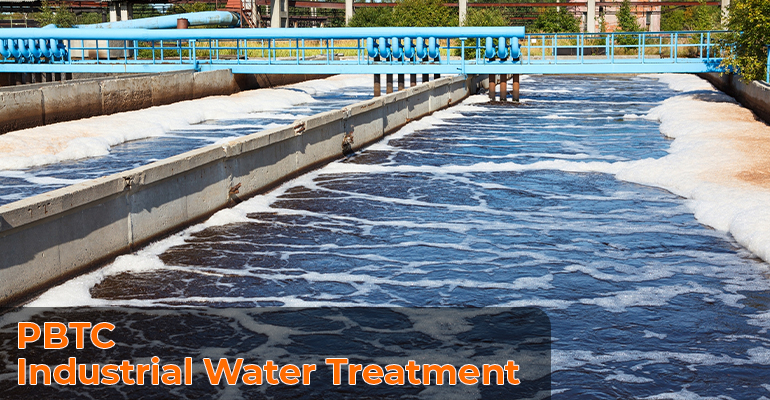
PBTC

PBTC Chemical: Understanding Its Role in Modern Industrial Formulations

PBTC stands for 2-Phosphonobutane-1,2,4-Tricarboxylic Acid, a specialty organophosphonate used in industrial formulations where control of mineral deposition and metal-ion activity is important. Its molecular structure combines phosphonate and carboxylate groups, giving the chemical useful interaction with dissolved metal ions. This makes PBTC relevant to water-based processes in which mineral precipitation can affect equipment, process stability, or product quality...
Read More→
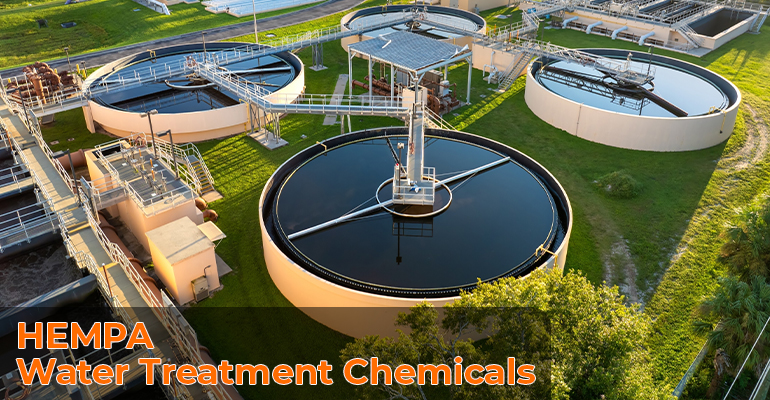
HEMPA

Hydroxyethylamino-Bis Methylene Phosphonic Acid – HEMPA: A Practical Guide for Industrial Applications

Hydroxyethylamino-Bis Methylene Phosphonic Acid, commonly known as HEMPA, is a phosphonate-based specialty chemical used in industrial formulations where mineral deposits, dissolved metal ions, and surface-related problems need better control. Its chemical structure contains phosphonic acid groups that allow it to interact with metal ions in water and process environments. This makes HEMPA useful when formulators need a chemical that can support cleaner operations without making the overall formulation unnecessarily complicated...
Read More→
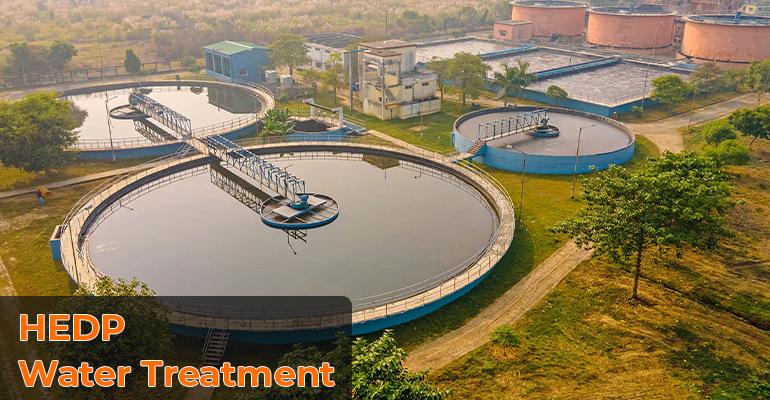
HEDP

1-Hydroxyethane-1,1-Diphosphonic Acid: A Practical Guide to HEDP

1-Hydroxyethane-1,1-diphosphonic Acid is the chemical name commonly associated with HEDP, an organophosphonic acid used in industrial water treatment and specialty formulations. It is also widely written as 1-Hydroxy Ethylidene-1, 1-Diphosphonic Acid - HEDP or simply HEDP. Its main value comes from its ability to interact with metal ions and influence the formation of mineral deposits...
Read More→
ATMP

ATMP – Amino Trimethylene Phosphonic Acid: A Practical Guide for Industrial Applications

ATMP stands for Amino Trimethylene Phosphonic Acid, an organophosphonic acid used in industrial chemical formulations where control of dissolved metal ions and mineral deposits is important. It is commonly supplied as a liquid and can be incorporated into water-treatment and other process formulations through controlled dosing...
Read More→
BKC 80 %

Benzalkonium Chloride BKC 80%: Uses, Features and Benefits

BKC 80% is a concentrated form of Benzalkonium Chloride, a quaternary ammonium compound used in industrial formulations where microbial control and surface-active performance are important. It is commonly supplied as a liquid raw material and contains a high proportion of active Benzalkonium Chloride, making it suitable for manufacturers that need a concentrated ingredient for further formulation...
Read More→

Benzalkonium Chloride BKC 50: Uses, Features and Benefits for Modern Industrial Applications

Benzalkonium Chloride BKC 50 is a concentrated liquid form of Benzalkonium Chloride, a quaternary ammonium compound widely used in formulations where microbial control, preservation, and surface-active performance are required. The “50” generally refers to an approximately 50% active concentration in the supplied solution. Its liquid nature also makes it convenient for manufacturers who need to incorporate a quaternary ammonium ingredient into larger formulations...
Read More→
Back To Top